The Durant Avenue Save A Lot closed on Aug. 5, 2026, consolidating operations at a larger Dorchester Road store roughly five miles away after six months of declining sales. The closure exacerbates a nearly two-decade shortage of full-service supermarkets in North Charleston's south end, an area the USDA classifies as a food desert with poverty rates near 30% in some neighborhoods. City leaders have identified potential sites and are pursuing incentives and transit improvements, but residents warn low-income and transit-dependent households will feel the immediate impact.
Save A Lot Closure Deepens North Charleston Food Desert, Leaving Vulnerable Residents Stranded
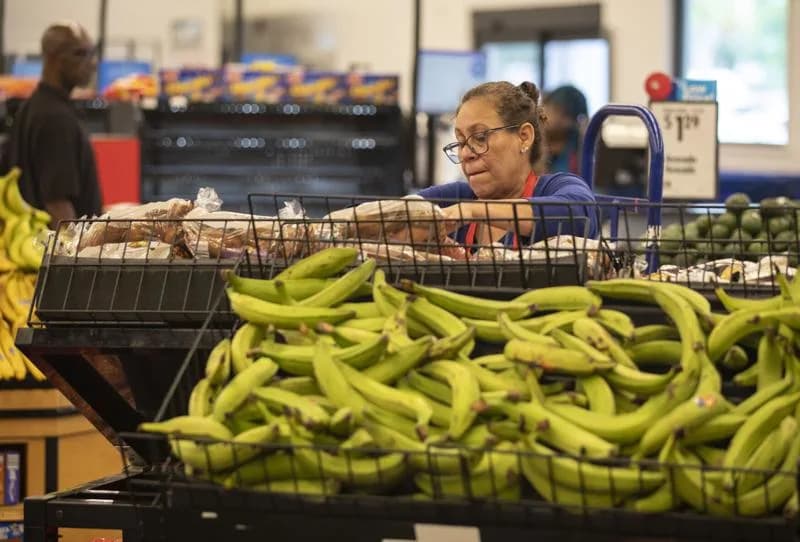
An employee restocks the produce shelves inside the Dorchester Road Save A Lot location, Wednesday, Aug. 5, 2026, in North Charleston. Henry Taylor/Staff
One of the last full grocery outlets supplying fresh produce and meat to North Charleston's south end closed on Aug. 5, 2026, when the Durant Avenue Save A Lot shuttered and its operations shifted to a larger store on Dorchester Road about five miles away. Residents and officials warn the move intensifies long-standing access problems for low-income and transit-dependent neighborhoods.
Why the Store Closed
Owner Shannon McPherson, who operates both Save A Lot locations, said the decision followed six months of effort to keep the Durant Avenue store viable. Declining profits and unsustainable operating losses made consolidation the only realistic option, he said. "We're part of the community and this was a very difficult decision to make," McPherson said, adding that most employees are being reassigned to the Dorchester Road location.
What Changed At Dorchester Road
The Dorchester Road store, opened nearly three years ago in the Oak Ridge Plaza, is roughly one-third larger than the Durant Avenue site. McPherson noted it offers a bigger produce section, expanded meat and dairy space, and wider aisles — features he says will provide a better shopping experience for combined customers.
Impact On The Neighborhood
Longtime residents say the closure creates a grocery gap stretching from the lower end of Rivers Avenue to Remount Road. Richard Fludd, who visited Durant Avenue during its final week, warned the loss will hit low-income and elderly residents hardest. "That's what we're concerned about as a community — what's the plan to bring in another grocery store?" he asked.
The south end of North Charleston has struggled to attract a full-service supermarket for nearly two decades. The U.S. Department of Agriculture classifies parts of the area as a food desert — low-income neighborhoods with limited access to affordable, fresh food. PolicyMap data shows poverty rates reach nearly 30% in some neighborhoods, intensifying the consequences of any local store closure.
Short-Term Options
Small corner shops and dollar stores offer limited options such as eggs, milk, canned goods and snacks, while community gardens and urban farms supply modest quantities of fresh produce. A small neighborhood grocery is planned for Reynolds Avenue, but residents say that will not immediately replace lost capacity.
For many residents without reliable transportation, the nearest full-service supermarkets — including the Walmart Supercenter by Tanger Outlets, Piggly Wiggly and Food Lion locations off Remount and Dorchester roads — are difficult to reach. "That's quite a distance to be toting groceries without personal transportation, and who's got money for Uber when you can just barely afford food," said Glenn Douglas, who lives off McMillan Avenue.
City Response And Future Plans
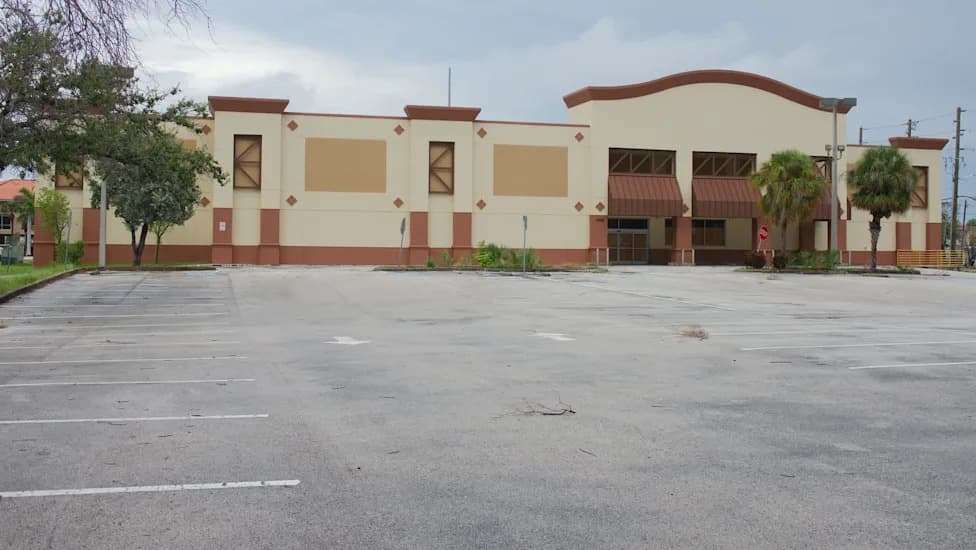
Mayor Reggie Burgess, in office since 2024, said city leaders have been working to attract a grocer to the south end and remain optimistic after conversations with major retailers, though no commitments have been secured. A June 2024 third-party study commissioned by the city evaluated four sites near Rivers Avenue and identified two strong options: the vacant Kmart at Rivers and McMillan Avenues, and a 10.5-acre parcel near the former Navy Hospital on Rivers Avenue.
Burgess emphasized the city will offer help and incentives when a grocer chooses to locate in the area, while acknowledging that supermarkets operate on thin margins — roughly 1% to 3% — and require sufficient local sales to remain viable. He pointed to planned investments that could improve the business case, including a proposed bus rapid transit line along Rivers Avenue, reinvestment on Reynolds Avenue, and redevelopment of the former Navy base, where developers have reportedly been in talks with grocery chains.
Community Calls For Local Solutions
Some community leaders say waiting for a national chain is not enough. Okeeba Jubalo, founder of the North Charleston Arts District, argued the community needs "creative, local-first leadership" and residents willing to champion their own solutions rather than relying solely on municipal efforts. Residents and officials alike say the immediate priority is concrete steps to replace lost grocery capacity and ensure low-income, transit-dependent neighbors can access fresh, affordable food.
Bottom Line: The Durant Avenue Save A Lot closure deepens an entrenched local food-access problem. Short-term band-aids exist, but residents and city leaders must accelerate both practical and structural solutions to avoid leaving vulnerable households without reliable access to fresh groceries.
Help us improve.