The end of pandemic-era federal funding and tighter ABC voucher eligibility have left thousands of South Carolina families and roughly 2,300 licensed child-care programs under severe strain. Enrollment in scholarship-supported care fell from nearly 32,000 in December 2025 to about 21,500 by July, and closures have accelerated. Providers report layoffs, skipped paychecks and fundraisers while parents quit jobs or tap savings; state leaders say temporary federal funds cannot be fully replaced without new revenue or partnerships.
Child-Care Crisis in South Carolina: Federal Vouchers End, Centers and Families Strain
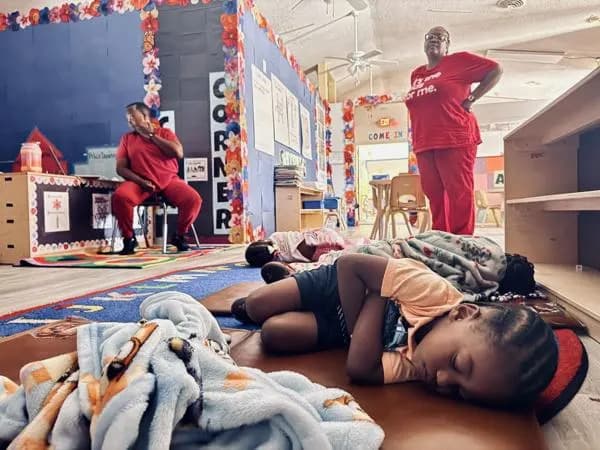
Kaiwaan Page, 4, sleeps during naptime at Little Me Child Care Center in Spartanburg on Thursday, Sept. 17, 2026, as the school's director, Kesha Williams (right) and a teaching aide, Felicia Rhodes, look on. Some 28 families have had to pull their children from the center over the past nine months as federally funded vouchers for child care have expired. Anna B. Mitchell/Staff
Kesha Williams opened Little Me, a child-care center in Spartanburg, just two months before the COVID-19 pandemic shuttered schools and many businesses across South Carolina. During the early months of the pandemic her center filled to capacity with children of essential workers; today enrollment has dropped to fewer than 40 children.
Federal Support Ends, Eligibility Tightens
For years the federal government poured emergency funding into child care; South Carolina received roughly $2.4 billion in combined regular and COVID-era federal funds from 2020–2026. About half of that went to child-care scholarships commonly known in the state as ABC vouchers, and roughly $956 million supported providers and workers during and immediately after the pandemic. That extraordinary support is now gone.
In December 2025 the South Carolina Department of Social Services (DSS) tightened voucher eligibility and stopped routinely renewing many scholarships. The change left only very low-income families whose children meet federally protected categories—such as children with disabilities, those experiencing homelessness, or children receiving welfare benefits—eligible for routine scholarship renewal.

Yennifer Reyes Cruz poses with her 3- and 8-year-old daughters, Yobi and Rosie, in this February 2026 photo. Yennifer Reyes Cruz/Provided
Immediate Impact On Centers And Families
At Little Me, Williams estimates 28 families left over nine months after their federally supplemented scholarships expired. Across the state, roughly 2,300 licensed child-care centers and family homes have been affected, and center closures have accelerated: 85 centers closed between March and August of this year versus 47 during the same months in 2025.
Program enrollment fell from nearly 32,000 children receiving scholarships in December 2025 to about 21,500 by July, the lowest level since April 2023. ABC vouchers previously averaged about $750 per child—roughly 90% of a typical toddler's child-care cost at South Carolina centers, according to ChildCare Aware.
“At the end of the day, it's not the parents that suffer; it's the kids,” Williams said.
Financial Strain And Workforce Pressures
Providers report skipped paychecks, layoffs and grassroots fundraising to cover basic operating costs. One center in Bennettsville planned a yard sale and a Krispy Kreme fundraiser to help meet a $1,200 monthly power bill. Day-care directors say many long-time families who lose vouchers cannot afford full tuition; some centers subsidize those families out of pocket.
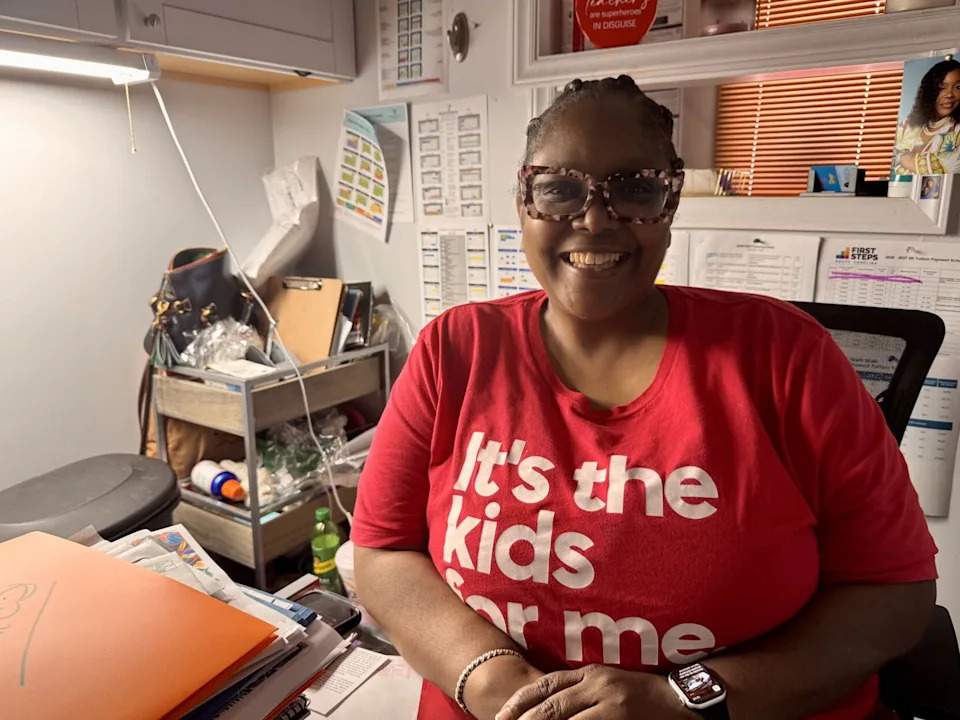
Kesha Williams takes a short break Thursday, Sept. 17, 2026 at her child-care center, Little Me, in Spartanburg. With the departure of more than two dozen families who lost federally subsidized child-care benefits in recent months, Williams has had to cut back staff and stop paying herself. Anna B. Mitchell/Staff
Workers are also squeezed. Although the child-care workforce nearly doubled statewide from 2019 to 2025, average hourly wages remain low—about $15 an hour—often less than entry-level jobs in fast-food or retail, which makes hiring and retention difficult.
Parents Are Forced To Make Tough Choices
Parents have reported quitting jobs, relying on relatives for care, or depleting savings. Single mothers are particularly vulnerable: one Greenville parent saw her monthly child-care bill jump from $400 to $1,200 after a voucher expired, leaving rent and child care consuming roughly 80% of her budget.
Policy Responses And The Road Ahead
DSS asked state lawmakers for a $20 million increase this year but received no additional funds. Agency officials say they are trying to “right-size” the program to match available funding and avoid promising scholarships they cannot sustain. DSS plans to open an ABC voucher waiting list on Oct. 1 for low-income families whose children do not fall into federally protected categories, after surveying parents about affordability and program awareness.
Experts warn that reverting to pre-pandemic funding patterns would be harmful. Advocates say durable funding will require a broader coalition of government, businesses and community organizations. Nonprofits and employers can help mitigate the crisis but cannot replace comprehensive public investment, they add.
As Williams and other providers make difficult choices to keep centers open, the sector faces a pivotal moment: without sustainable funding and better wages for early-childhood workers, access to quality child care for thousands of South Carolina families will remain at risk.
Help us improve.