Rheinmetall CEO Armin Papperger says Germany's move this year toward reinstating elements of conscription has coincided with growing willingness among young people to serve. He supports the government's phased recruitment approach but doubts voluntary enlistment alone will meet defence needs. The new law, effective January 1, mandates medical screening for men born in 2008 or later and allows parliament to impose "conscription based on need" if volunteer targets are missed.
Rheinmetall CEO Backs Germany’s New Military Service Law, Warns Voluntary Recruitment May Fall Short
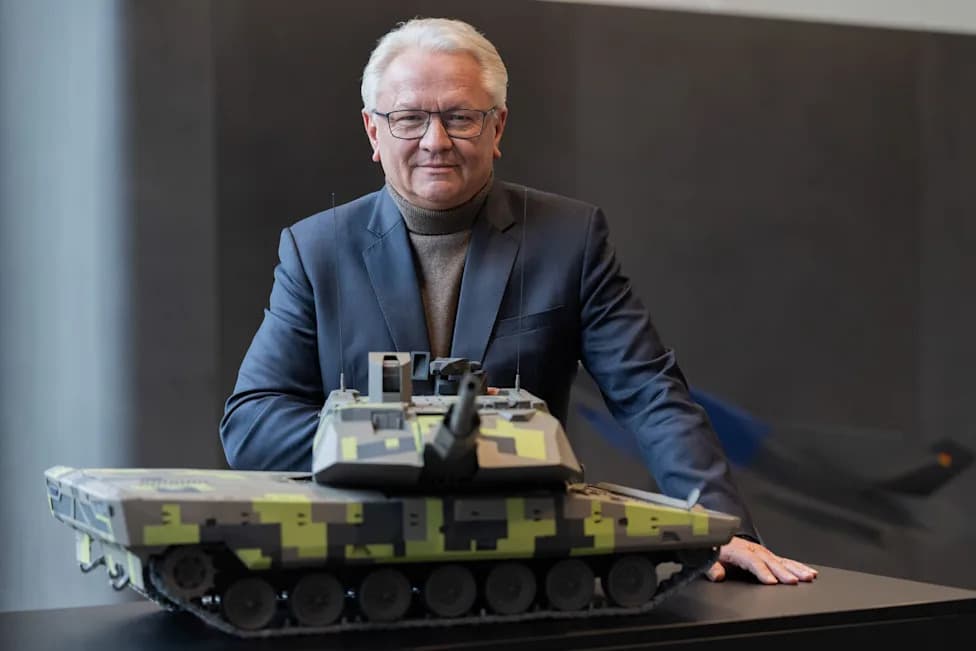
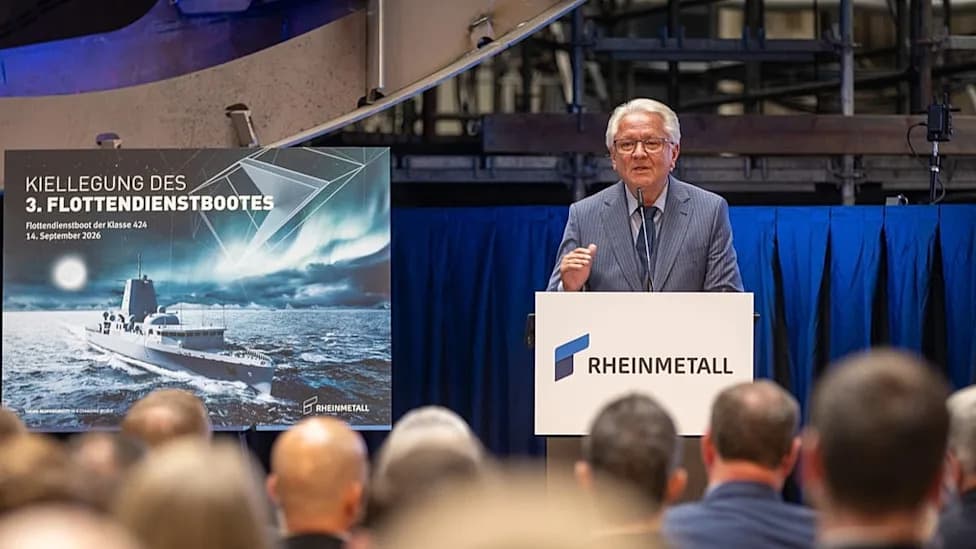
CEO of German arms manufacturer Rheinmetall AG Armin Papperger pictured during the annual press conference at the company's headquarters in March 2026. (is associated with: «Rheinmetall chief receptive to Germany's new military service law») Rolf Vennenbernd/dpa
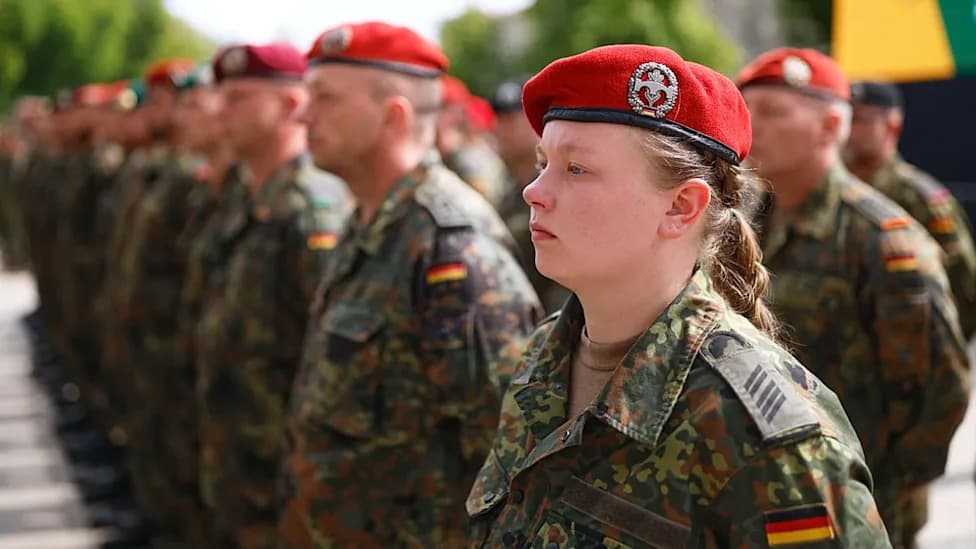
Armin Papperger, CEO of German defence firm Rheinmetall, says a shift in public attitudes is making more young people open to serving after the government's controversial move this year toward reintroducing elements of conscription.
"Germany, and young people in particular, have realized that a country without defence capabilities cannot be secure or survive," Papperger said as debate intensified around the new Military Service Act, which took effect on January 1.
Support for a Gradual Approach — With Reservations
Papperger, 63, called the government's softer, phased recruitment approach a sensible first step to strengthen the Bundeswehr, but cautioned that meeting manpower needs solely through voluntary enlistment could prove difficult.
"But I think it will be difficult to achieve this on a voluntary basis," he told dpa.
He noted that while recruitment numbers for the Bundeswehr have improved, they remain below the levels needed to rebuild Germany's defence capabilities.
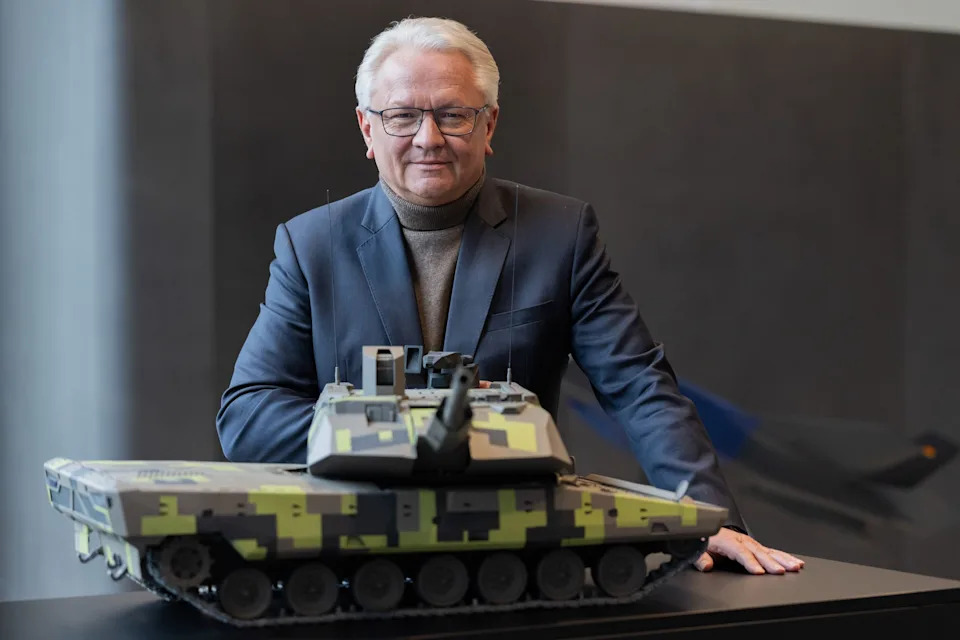
CEO of German arms manufacturer Rheinmetall AG Armin Papperger pictured during the annual press conference at the company's headquarters. (is associated with: «Rheinmetall chief receptive to Germany's new military service law») Rolf Vennenbernd/dpa
What the New Law Does
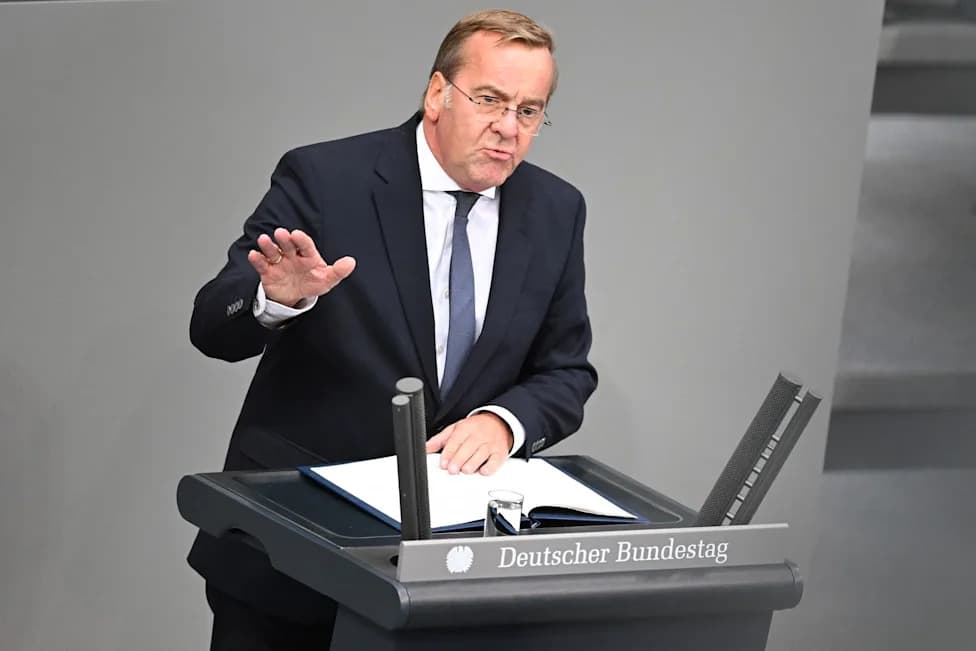
The Military Service Act introduces mandatory medical screening for men born in 2008 or later to identify potential volunteers and expand the armed forces. If voluntary recruitment targets are not met, the German parliament may authorize so-called "conscription based on need." The government is also preparing to reactivate civilian service as an alternative, should broader conscription return.
According to the Defence Ministry, applications to the Bundeswehr have risen by 24% since January, reaching roughly 38,500 after the law came into force.
Private Sector Interest Outstrips Military Recruitment
Interest in defence-sector careers significantly exceeds the number of applicants to the Bundeswehr. Rheinmetall — Germany's largest defence contractor — reports receiving nearly 23,000 applications per month in Germany alone. Last year the company recorded 232,000 applications in Germany and 360,000 globally, and it currently employs about 34,000 people worldwide.
Nearly 1,000 people work at Rheinmetall's administrative headquarters in Düsseldorf; roughly half are around 30 years old or younger. "These are all highly motivated people who are committed to their work," Papperger said.
Rheinmetall's administrative headquarters are in Düsseldorf, while its largest manufacturing plant is in Unterlüß, Lower Saxony.
Help us improve.