Rheinmetall CEO Armin Papperger says Germany's defence build-up now includes air-defence systems, drones, space capabilities and humanoid-robot research — not just more ammunition. He warned missile stocks remain low and highlighted bottlenecks in motors and warheads while outlining Rheinmetall's €30bn investment plan and recent production gains. Skyranger deliveries are contracted to start in 2027, with capacity expanding to 400 units per year, and joint ventures with Destinus and Lockheed Martin aim to deliver advanced strike systems soon.
Rheinmetall CEO: "Robots Are Coming" — Germany Expands Defence With Skyranger, Drones and Space Tech
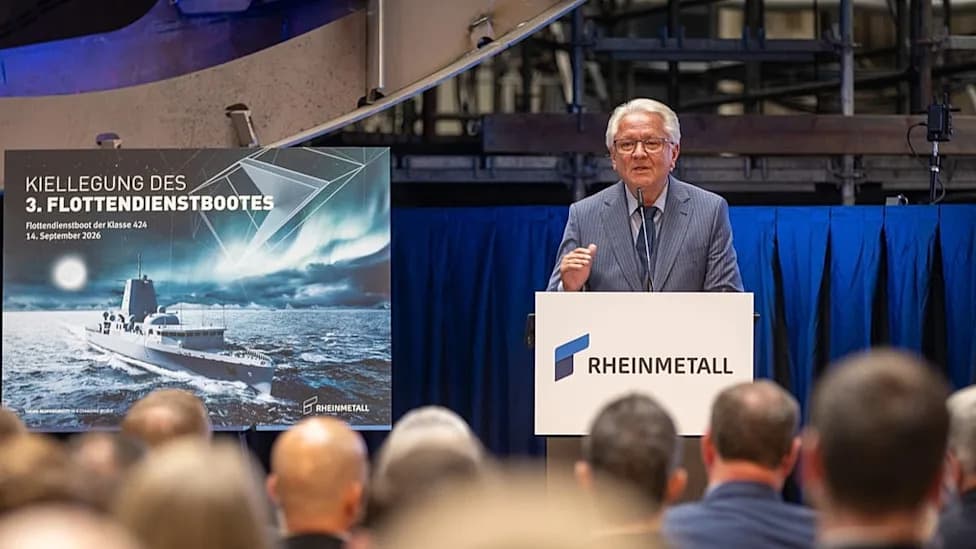
Rheinmetall chief Papperger: "Robots are coming"
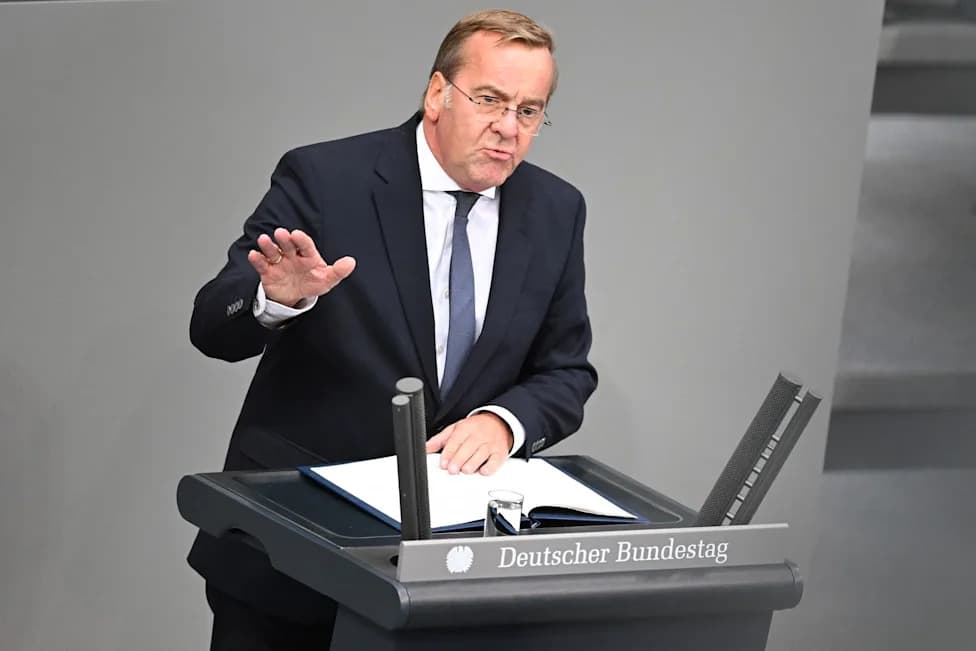
Germany is accelerating a major upgrade of its defence capabilities that goes well beyond buying more ammunition. Air-defence systems, drones, space assets and advanced technologies — including humanoid robots — are increasingly central to the plan, Rheinmetall CEO Armin Papperger said at the keel-laying of the third Class 424 fleet service vessel in Wolgast.
Missile Stocks and Production Bottlenecks
"Missile stocks remain worryingly low," Papperger warned. He said missile production cannot be sped up overnight and highlighted acute bottlenecks in missile motors and warheads. Rheinmetall and other manufacturers are launching major investment programmes to restore stocks for Germany, Europe and NATO to adequate readiness levels.
Skyranger Air-Defence Programme
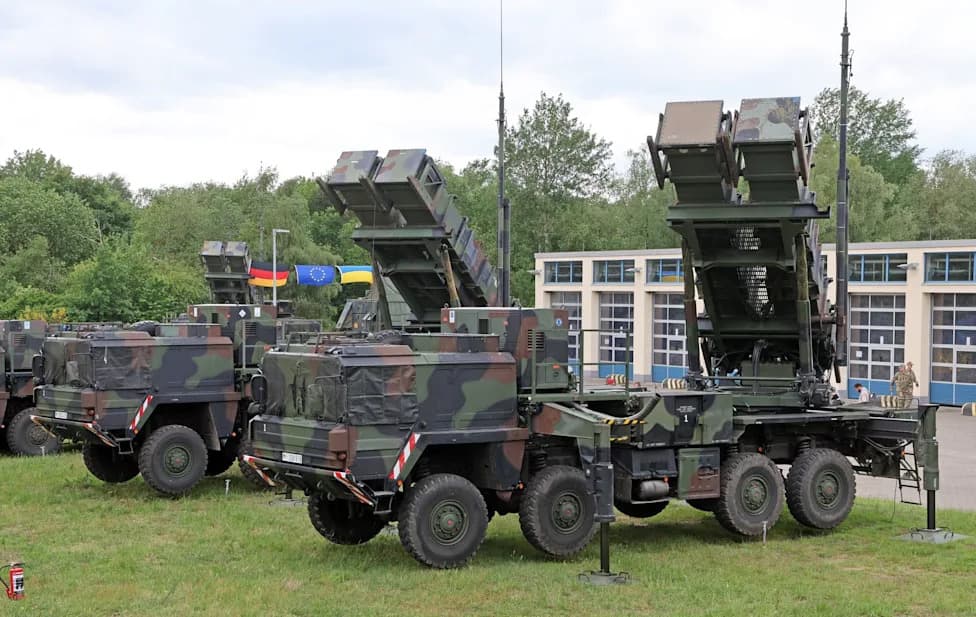
Papperger said the Skyranger programme remains on contract and series deliveries are due to begin in 2027, with only minimal delays so far. Key subsystems still require updates — notably the chassis, radar modules and the missiles to be integrated — but Rheinmetall is confident it will meet obligations in close coordination with BAAINBw and the defence ministry.
Production capacity is being expanded aggressively: Rheinmetall expects to be able to build up to 400 Skyranger vehicles per year from the end of next year.
Deep-Strike Partnerships
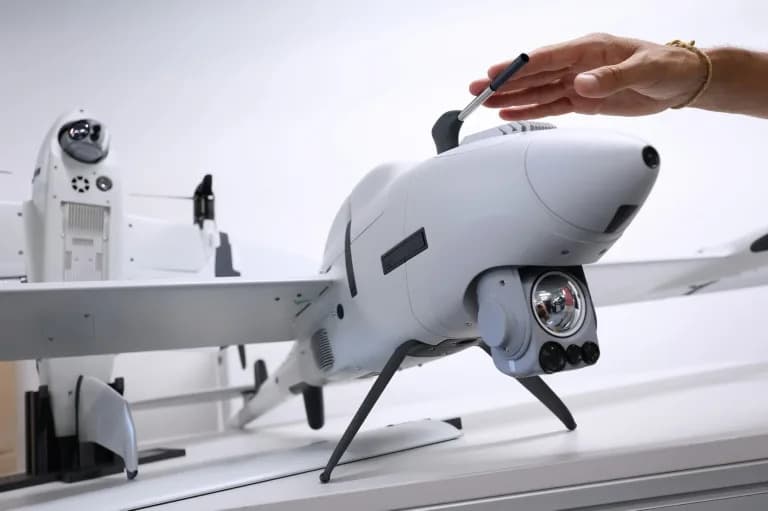
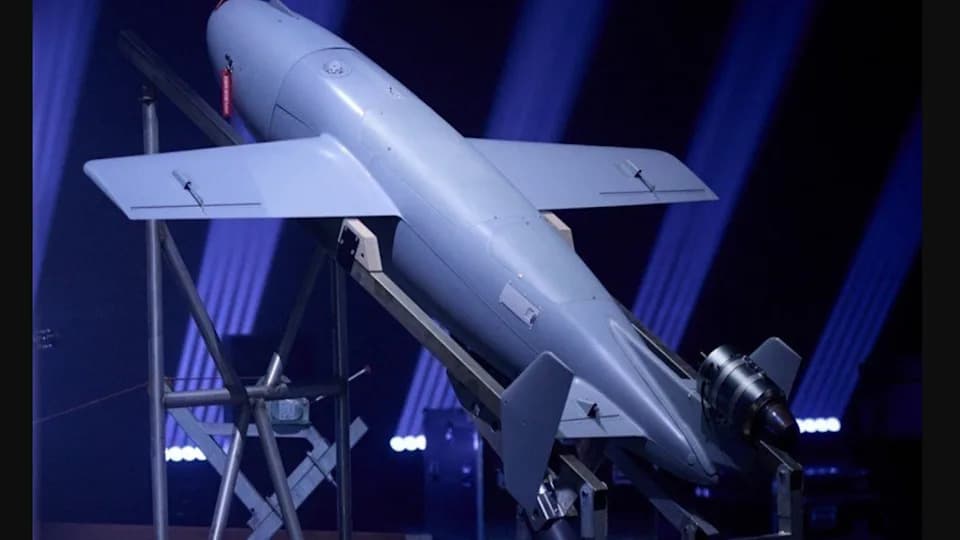
Rheinmetall has two strategic joint ventures in advanced strike capabilities: one with Destinus to develop cruise missiles and another with Lockheed Martin focused on artillery rockets. Both ventures are in the final phase of signing, and Papperger expects the first cruise-missile order by the end of this year or early next year.
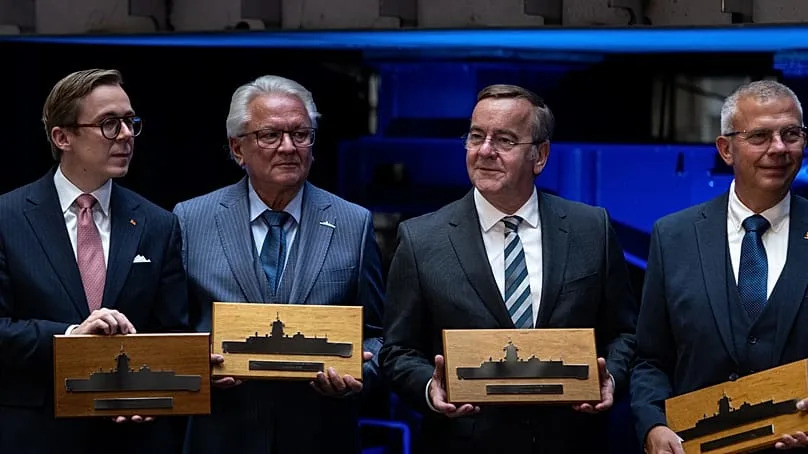
Papperger and Pistorius at the keel laying of the third Class 424 vessel in Wolgast - Stamm, Bundeswehr
Why Complex Systems Still Matter
While simple, high-volume weapons have clear utility — as Ukraine has shown — Papperger argued that multi-capability systems like the Skyranger are necessary to counter high-speed threats. He noted, for example, that the Skyranger can engage targets traveling around Mach 3, a performance beyond simple interceptors or gun-based solutions. Lighter systems such as .50-calibre guns remain useful against small drones but struggle against faster, jet-powered threats.
Production Ramp-Up And Jobs
Rheinmetall has already demonstrated rapid production increases: medium-calibre ammunition rose from under 1 million to 4 million rounds annually; artillery ammunition from 70,000 to 1.5 million rounds; and tank ammunition to about 240,000 rounds from previous annual levels of roughly 40,000–60,000. Truck and tactical-vehicle production is also being scaled up, with planned more-than-doubling of logistical and tactical vehicle numbers.
Papperger described Rheinmetall as a major employment engine: excluding the civil sector, the company employs about 34,000 people today, adding roughly 10,000 staff annually, and aiming for 70,000 employees by 2030. He expects the broader supply chain to employ around 210,000 people, producing a combined workforce approaching 300,000.
Rheinmetall is executing a six-year investment programme valued at €30 billion. Papperger said clear political signals that expanded capacity will be sustained are crucial to secure long-term jobs and stable output.
Robots, Space And The Future Battlefield
"Robots will come," Papperger said. Rheinmetall is funding research in Bremen on humanoid robots though it has no series-produced platforms yet. The company is also investing heavily in space — both satellite construction and the data processing and communications needed to exploit satellite-derived information. Papperger emphasised that combined-arms warfare will still require artillery, armoured units, conventional ammunition, drones and missiles, but the balance among these capabilities will shift as threats evolve.
This article was translated with the help of artificial intelligence. Report a problem: [email protected].
Help us improve.