Researchers from the Korea Research Institute of Bioscience and Biotechnology detected microplastics in snails and mussels sampled from hydrothermal vents more than 2,000 meters deep in the North Fiji Basin and along the Central Indian Ridge. Microplastics appeared in 11 of 12 animals (≈92%), averaging 3.42 pieces per animal, with polystyrene most common. Levels and tissue distribution varied by species and site, with Indian Ocean specimens showing higher contamination. The study highlights the need for prevention, improved waste management, and targeted monitoring of vulnerable deep‑sea ecosystems.
Microplastics Found in Deep‑Sea Hydrothermal Vent Animals From North Fiji Basin to Central Indian Ridge
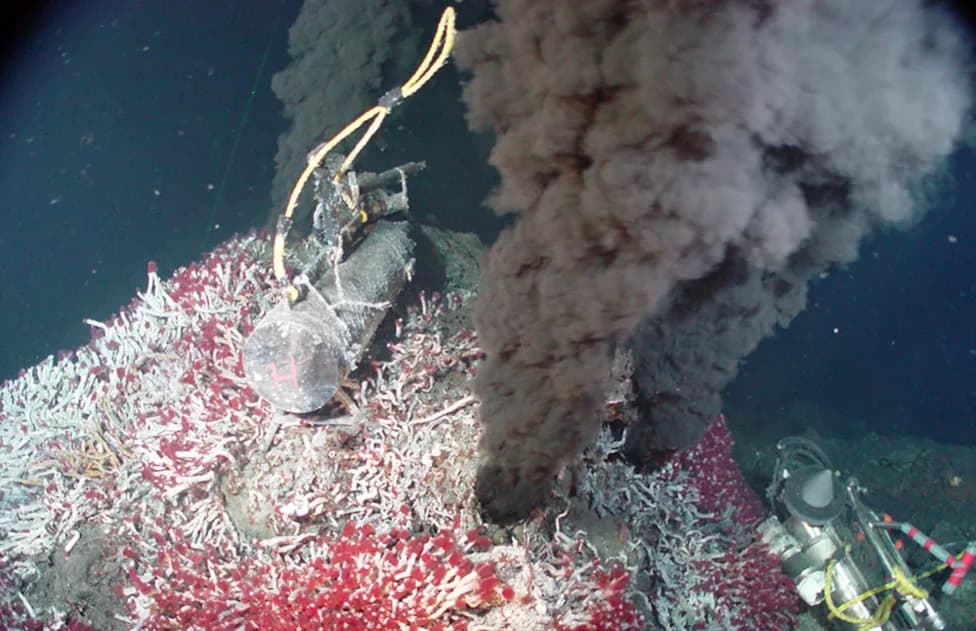
Photo Credit: National Oceanic and Atmospheric Administration (NOAA)
Researchers have discovered microplastics inside animals living around deep‑sea hydrothermal vents more than 2,000 meters beneath the ocean surface, showing that even some of Earth’s most remote ecosystems are not immune to plastic pollution.
Where and How the Study Was Done
Scientists from the Korea Research Institute of Bioscience and Biotechnology collected snails and mussels at vent fields in the North Fiji Basin (southwestern Pacific) and along the Central Indian Ridge (Indian Ocean). The team analyzed tissues and organs for tiny plastic fragments and published their findings in the journal Water Research.
Key Findings
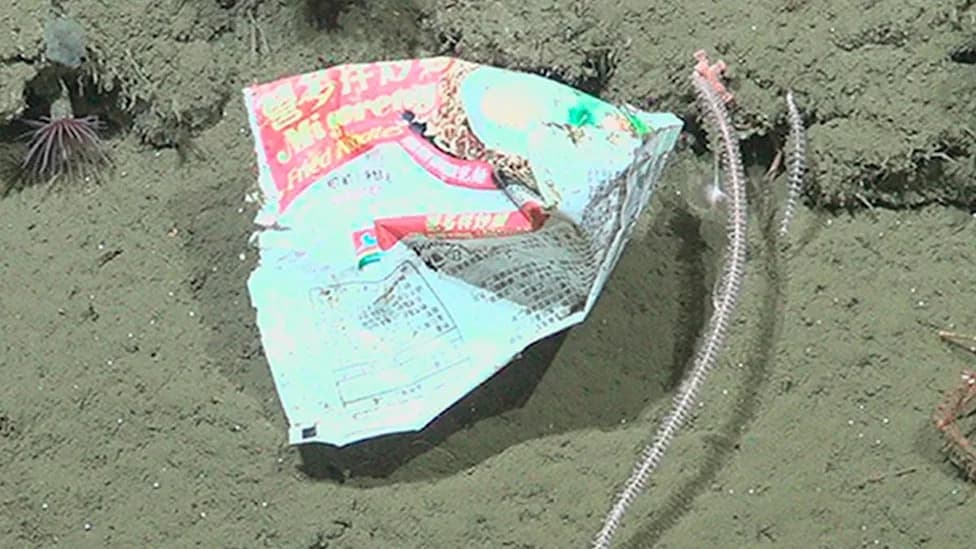
Microplastics were detected in 11 of the 12 animals tested (about 92%). On average, each animal contained 3.42 plastic pieces, and polystyrene was the most commonly identified polymer. Results also showed that accumulation patterns varied by species and feeding strategy: seafloor‑grazing snails tended to concentrate plastics in digestive organs, while filter‑feeding mussels showed particles distributed more broadly across tissues.
Specimens from the Indian Ocean sites had substantially higher microplastic loads than those from the southwestern Pacific, suggesting that regional factors — such as proximity to pollution sources, riverine inputs, and local ocean circulation — influence how plastics reach the deep sea.
Implications
Because hydrothermal vents are extreme, isolated habitats, the presence of microplastics there implies that few, if any, ecosystems remain untouched by human‑made plastic. The findings raise concerns for deep‑sea ecosystem health and human wellbeing, as researchers continue to investigate biological effects of microplastics across food webs and in human tissues.
"Plastic pollution has now spread even to deep‑sea hydrothermal vent ecosystems that were once considered among the most isolated environments on Earth," said marine biologist Se‑Joo Kim of the Korea Research Institute of Bioscience and Biotechnology.
What Can Be Done
Direct cleanup of deep vents is not considered practical given the depth and technical challenges. The study therefore emphasizes prevention: reducing plastic waste at the source, improving waste management and recycling systems, curbing single‑use plastics, and designing safer alternatives to conventional plastics. These systemic measures — supported by policy and industry change — are the most effective ways to limit further deep‑sea contamination.
The research provides evidence to guide future deep‑sea environmental monitoring and conservation policy for habitats most people never see.
Help us improve.