A July report using FDEP data finds that most Florida waterways do not meet state water quality standards: 30% meet standards, 52% do not, 15% lack sufficient data and 3% fail for natural reasons. The analysis attributes declining water quality to weak policy and reduced enforcement despite rapid population growth. The most common problems are fecal bacteria and nutrient pollution, which threaten human health, fisheries and local economies.
Most Florida Waterways Fail Quality Tests, Threatening People and Wildlife
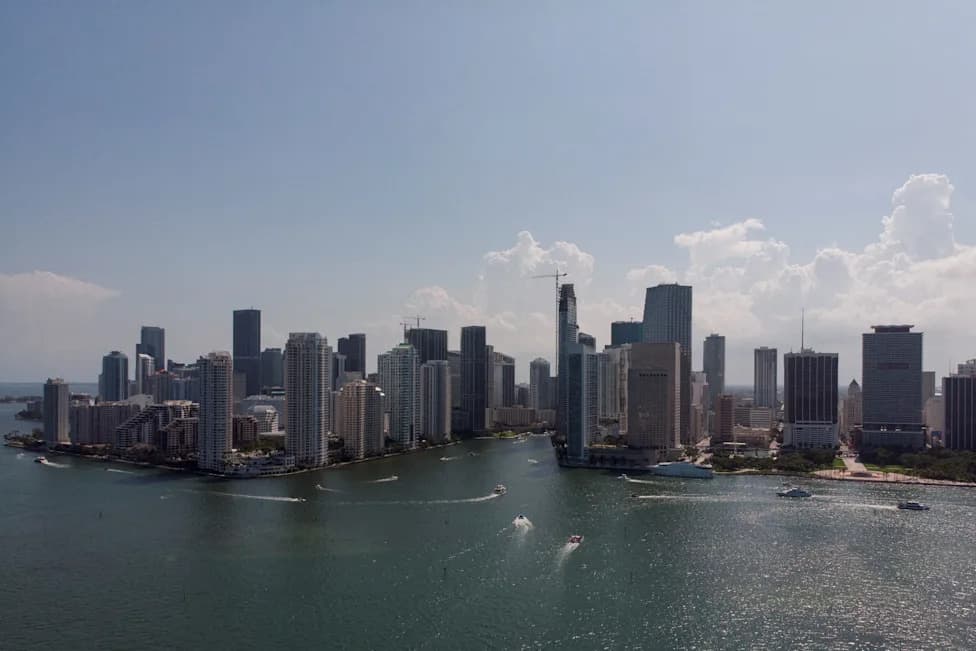
Pollution in Florida waterways could endanger aquatic life, humans
A July analysis of Florida Department of Environmental Protection (FDEP) data finds that the majority of the state's lakes, rivers and coastal waters do not meet legally required water quality standards — a trend that threatens aquatic life, public health and local economies.
Key Findings
The report, prepared by Public Employees for Environmental Responsibility and Waterkeepers Florida and based on FDEP's 2026 Integrated Water Quality Assessment, shows that just 30% of assessed waterbodies are meeting state water quality standards. Fifty-two percent are not attaining standards, 15% lack sufficient data for assessment, and 3% fail standards for reasons attributed to natural conditions.
The report notes: despite the importance of our waterways to our public health, our economy, and our way of life as Floridians, the majority of waterways across the state fail to meet their designated water quality standards.
Why Water Quality Is Declining
The report points to weak policy and reduced enforcement of environmental regulations as primary drivers of declining water quality. Although enforcement activity has increased in recent years compared with the immediate past, it remains far lower than 15 years ago — even as Florida's population and development have surged. The report warns that without stronger oversight, growing development and infrastructure strain could heighten pollution risks.
Main Pollutants and Sources
Fecal bacteria: Elevated levels of bacteria such as E. coli and enterococci indicate fecal contamination that can make waters unsafe for swimming, fishing and other recreation and may signal pathogens that cause human illness. Frequent sources include sewer overflows, failing septic systems, pet waste, livestock operations and stormwater runoff from developed areas.
Nutrients: Excess nitrogen and phosphorus fuel harmful algal blooms, reduce water clarity and can create low-oxygen conditions that stress or kill fish, shellfish and other aquatic organisms. Nutrient pollution commonly stems from fertilizer runoff, stormwater from developed land, wastewater discharges and malfunctioning septic systems.
Impacts and Next Steps
Failing water quality threatens public health, harms fisheries and tourism, and degrades ecosystems that support Florida's reputation for clean beaches and productive waterways. The FDEP maintains a public map of waters not attaining standards, and the report emphasizes the connection between policy, enforcement and on-the-ground outcomes.
Stakeholders cited in the report say addressing the problem will require increased monitoring, stronger enforcement of existing laws, and investments in wastewater infrastructure, stormwater management and septic-system upgrades to reduce pollutant loads entering waterways.
Reporting: Sarah Perkel, South Florida Connect Reporter, USA TODAY Network's Florida Connect team. This article is based on reporting originally published by USA TODAY.
Help us improve.