At a Las Vegas event, President Trump criticized electric vehicles and drivers who frequently check battery levels, calling that behavior a "disease" and labeling concerned drivers "crazy." His administration has removed the $7,500 federal EV tax credit, relaxed some EPA rules and paused federal fast-charger funding — moves critics say have slowed U.S. EV growth. Industry sources argue range anxiety has diminished thanks to better range prediction and expanded fast-charging, while Europe and China move faster toward electrification.
Trump Calls EV Drivers "Crazy," Labels Range Worries a "Disease" — Sparks Debate Over U.S. EV Policy
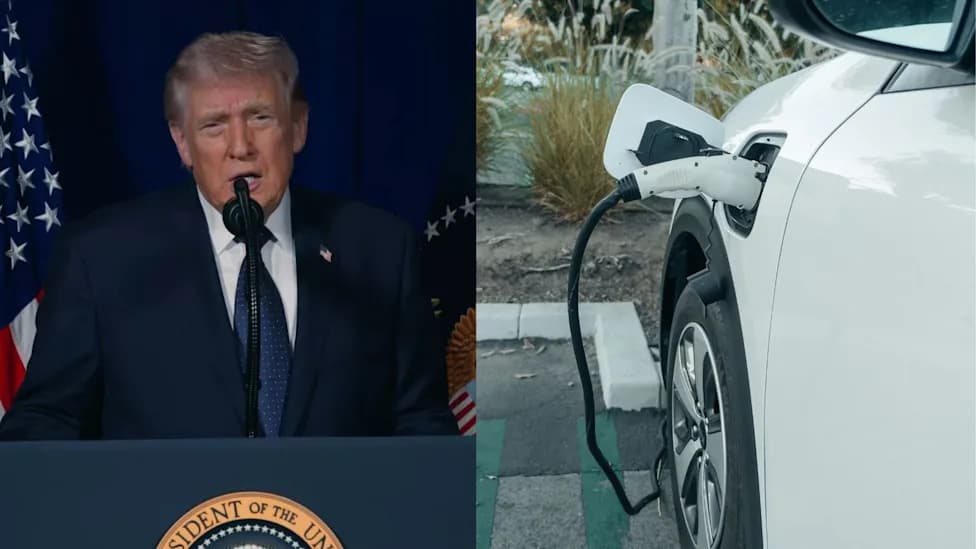
Image Credit: Donald J. Trump on X and Kindel Media via Pexels
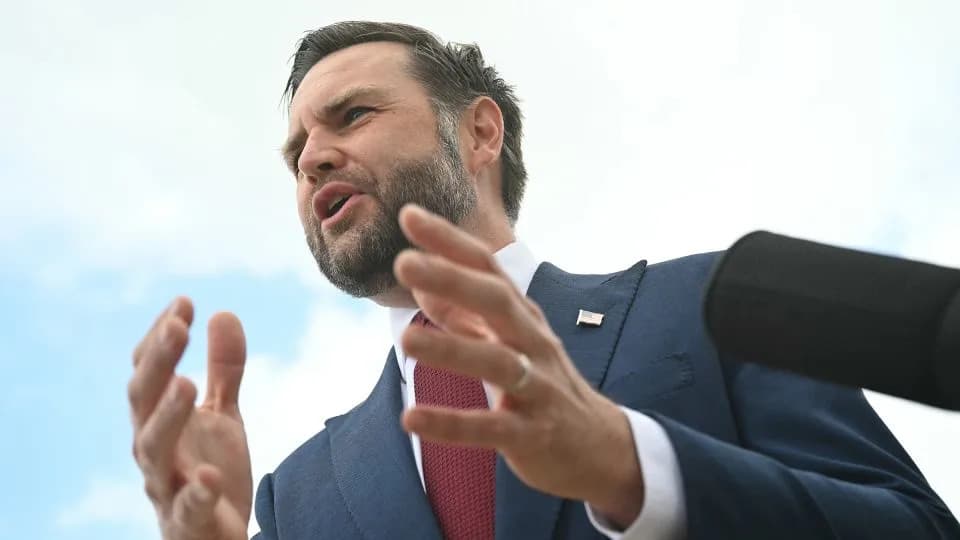
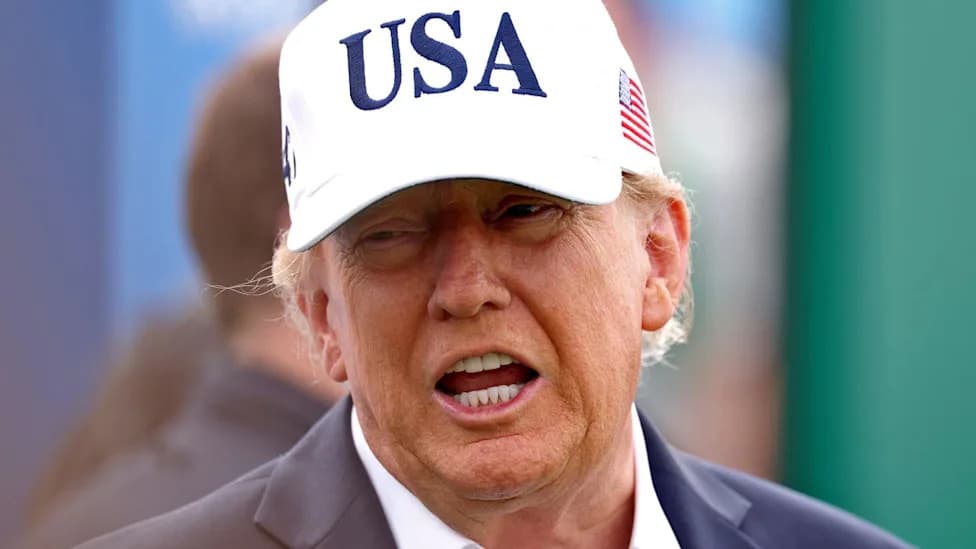
President Donald Trump reignited controversy over electric vehicles at a Las Vegas event, criticizing both proposed mandates and drivers who frequently monitor their battery charge. His comments — calling the habit of constantly checking range a "disease" and labeling concerned drivers "crazy" — came amid a series of policy reversals and a wider public debate over the pace of electrification in the United States.
Policy Changes Under Trump’s Second Term
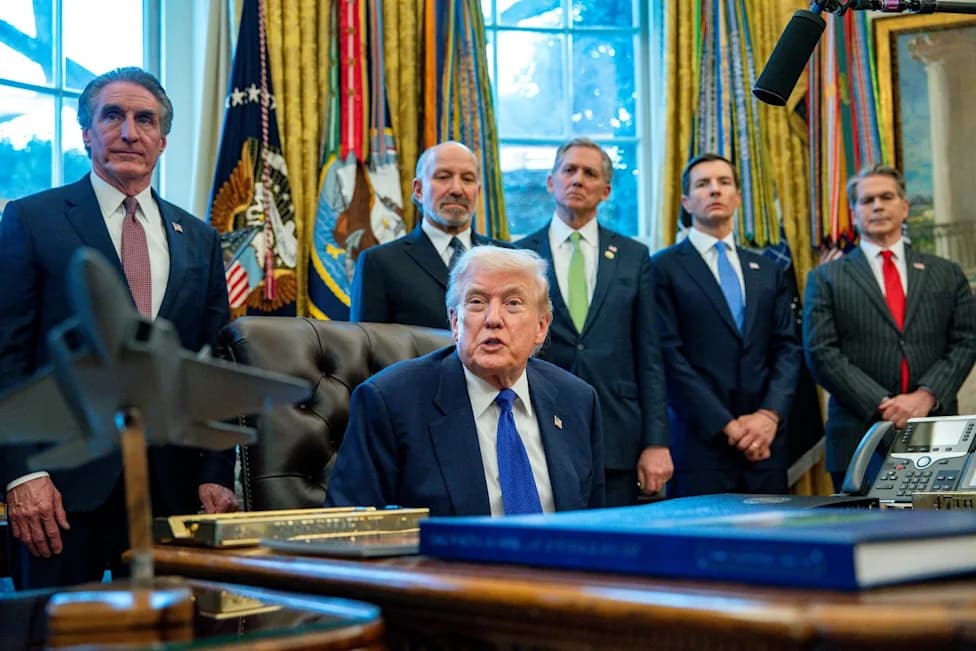
The administration removed the $7,500 federal EV tax credit, eased certain EPA emissions regulations, and halted federal funding aimed at expanding the nation's fast-charging network. Supporters of those moves framed them as regulatory recalibration; critics say they have slowed EV adoption in the U.S.
Market Context
Industry data indicate growth in U.S. battery-electric vehicle (BEV) sales has moderated: BEVs accounted for roughly 6% of the U.S. market in Q2, while hybrid models continue to attract buyers. Adoption rates vary widely by region, charging access and vehicle model.
Range Anxiety: Still Real For Some
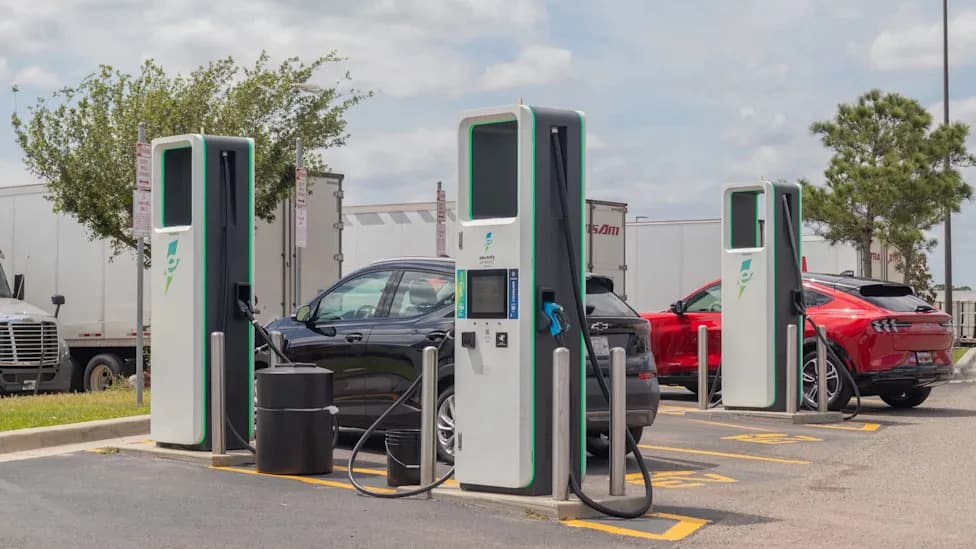
Range anxiety — drivers' worry about running out of charge — remains a genuine concern for many, particularly where charging infrastructure is sparse or when driving in hilly or remote terrain that increases energy use. Drivers often plan longer trips around charger locations to avoid unexpected detours.
Image Credit: Donald J. Trumpon X and Kindel Media via Pexels
Speaking at the Red Rock Casino Resort in Las Vegas, Trump said:
"I ended the electric mandate. I don't want to talk about it because Elon wasn't exactly thrilled with me, but I had to do it. We love Elon.
"I ended [it] because it said that within a very short period of time, like 2030, everybody had to have an electric car — even though there was no way you could charge it. You ever see the signs? You're driving along [in] an electric car, they have a disease, you know, it's a disease… they're driving and they realize their battery's getting low, and they start thinking about it when it's 3/4 full.
"Okay, it loses a little bit, so 'where am I going to [go]?' And you're driving down the highway and you'll see a sign — charging station, with an arrow, 89 miles to the right. These people are crazy."
Broader Energy Claims
He also made sweeping claims about U.S. energy resources, saying the country controls "60 percent of the world's oil and gas, including Venezuela," and asserting the U.S. has "a thousand years of gasoline." Such statements reflect a political argument about energy independence and the appropriate speed of transition away from fossil fuels; the precise figures cited are broad and not independently validated within his remarks.
Industry Pushback
Publications such as Electrek contend that range anxiety "is largely a thing of the past," noting that modern EVs predict remaining range more accurately and that fast-charging infrastructure has expanded significantly in recent years. Europe now records EV shares above 20% in many markets, Norway approaches an almost all-electric new-car market, and China has surpassed roughly 50% EV share in new-vehicle sales — benchmarks that highlight how quickly adoption can accelerate when supported by policy and infrastructure.
What This Means for the U.S.
The debate underscores a strategic choice: accelerate electrification with public support for charging networks and incentives, or slow the transition and accept the risk of lagging behind global leaders. In practice, drivers' experiences vary with geography, vehicle choice and charger availability.
If you drive an EV, do you experience range anxiety? Share your experience in the comments.
Image credit: Donald J. Trump on X; Kindel Media via Pexels
Help us improve.