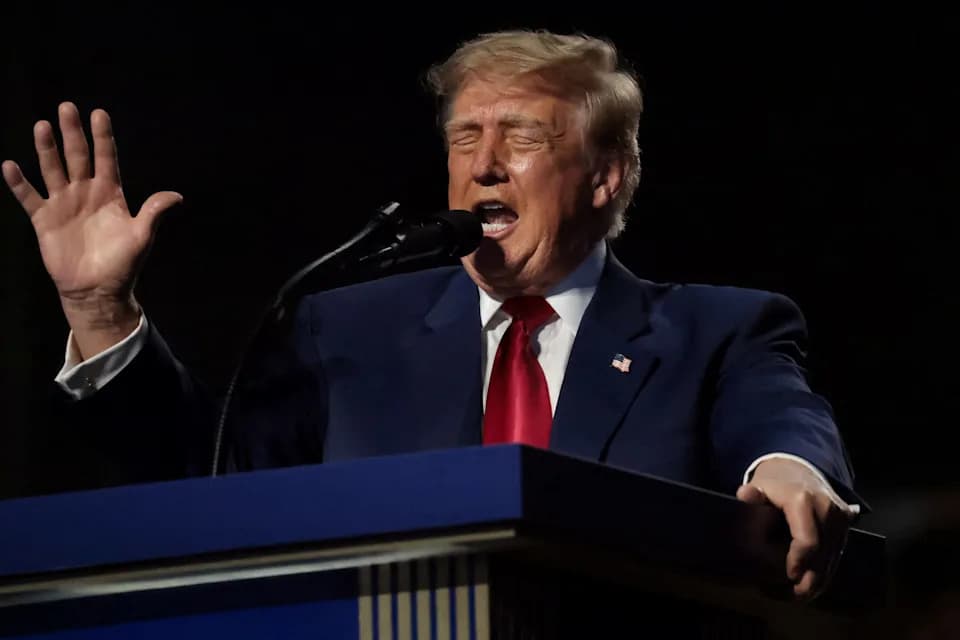
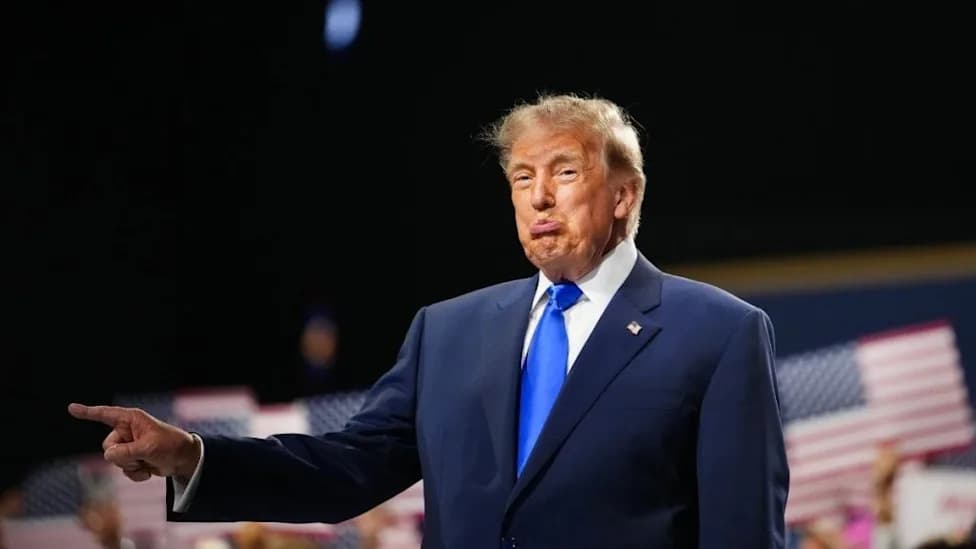
Mary Trump highlighted her uncle’s repeated promise to halve energy prices within 12 months, a claim the author uses to illustrate a deeper problem: conservative economic thinking often relies on outdated, simplistic assumptions. The article explains that even though drilling permits rose about 55% and lease sales covered roughly 328,000 acres, energy prices increased because of tariffs, geopolitical tensions, demand surges from data centers, grid modernization costs, and other supply disruptions. Short-term political attacks on Trump are useful, but the author argues Democrats must challenge broader economic myths to govern more effectively.
It’s Not Just Trump: How GOP Economic Myths Keep Energy Prices High
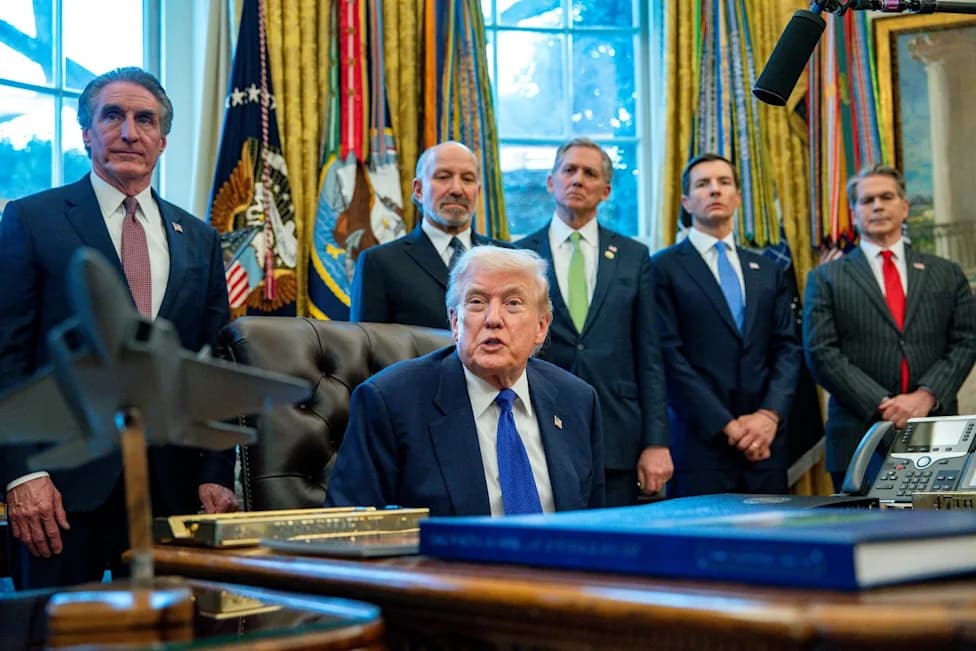
It’s Not Just Trump Who’s Dumb about Economics—It’s the GOP Generally
On her Substack over the weekend, Mary Trump — the president's niece and a frequent critic — recalled a recurring promise her uncle made on the 2024 campaign trail:
"Under the Trump economic plan, we will cut your energy prices in half. Mark it down. And you can get very angry at me if we don't do it. Within 12 months, your energy prices will be cut in half... We are going to bring energy down by 50 percent, 50 percent, 50 percent within 12 months from January 20th, which is the day we go into office."
Two Levels Of The Same Problem
That episode matters in two related ways. First, it's an example of grandiose political promises made without regard for how markets or the world actually work. Promising a 50% cut in energy prices in a year is a dramatic claim that requires far more than rhetoric to achieve.
Second — and more revealing — is why such a promise felt plausible to many: a long-standing, simplified view of economics that still circulates widely within the Republican Party and among conservative audiences. This view treats markets as if they operate under ideal textbook conditions, and assumes that easing supply constraints (for example, by increasing drilling) will straightforwardly and quickly translate into lower consumer prices.
Where That View Comes From
Much of this thinking traces back to neoclassical economics — the late-19th- and early-20th-century framework that formalized supply-and-demand analysis. Two implicit assumptions often associated with that tradition are especially problematic:
- That actors have near-perfect information about markets and future conditions;
- That people are consistently rational, always acting to maximize economic advantage.
Real-world behavior and modern economic research show both assumptions are frequently false. People act with incomplete information and strong emotions; markets can fail to self-correct quickly; and shocks — geopolitical, technological, or regulatory — can dominate price movements.
What Happened After Trump Returned To Office
The administration pursued a clear, pro‑drilling agenda: federal and Native American drilling permits rose roughly 55% after his return to office, and lease sales have covered about 328,000 acres of public land. Yet consumer energy costs did not fall. Gasoline and diesel prices rose (diesel even topped $6 per gallon), and household heating and electricity bills climbed as well.
Why Increased Drilling Didn’t Translate Into Lower Prices
There is no single cause. A mix of policy choices and global events explains why more drilling did not produce cheaper pumps:
- Tariffs and Trade Policy: New tariffs and trade uncertainty have unsettled global energy markets and supply chains.
- Geopolitical Tensions: Escalations involving Iran and other hotspots increase risk premia on oil and energy prices.
- Demand Surges: Rapid growth in energy-hungry infrastructure — for example, large data centers — has boosted demand in concentrated regions.
- Infrastructure And Grid Costs: Utilities are investing in grid modernization and resilience, costs that are often passed to consumers.
- Supply Disruptions: Military actions and strikes that affect refining capacity or shipping routes can tighten supply independent of domestic drilling.
These interacting factors show why a simple "more drilling = cheaper gas tomorrow" formula is a poor guide for public policy.
Political And Policy Implications
In the short term, Democrats can and should highlight the mismatch between bold promises and outcomes. But long-term political success — and better governance — will require confronting broader misconceptions about how economies function. That means developing and communicating policy that recognizes market complexity, the role of strategic investment, and when targeted government intervention can produce better outcomes for consumers.
Bottom line: The energy-price puzzle after increased drilling is not a single-policy failure but a reminder that economic reality is complex. Rhetoric that treats markets as magical is politically useful but often policy-poor. A stronger public conversation about modern economics, risk, and trade-offs would benefit voters and policymakers alike.
Help us improve.