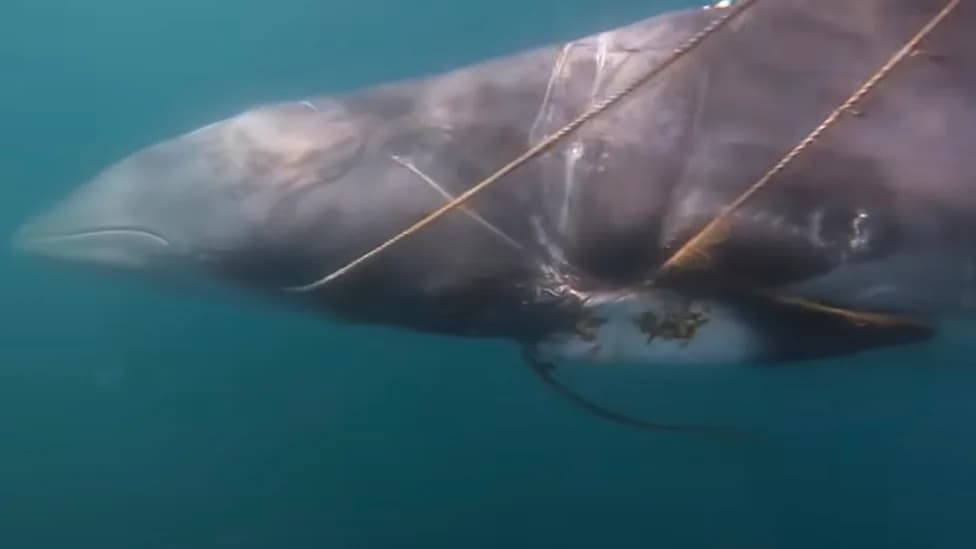
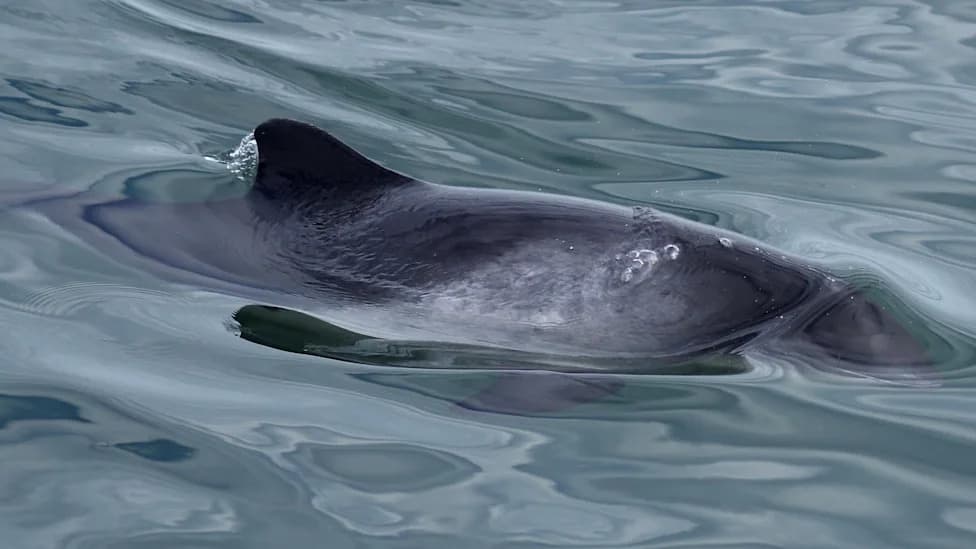
Volunteer divers with Ocean Defenders Alliance recover "ghost gear"—abandoned nets, traps and lines—that continue to entangle and kill marine animals. Working in low-visibility conditions, teams attach lift bags to raise gear to the surface and haul it aboard. Although physically demanding and costly, these recoveries reduce wildlife deaths and help ecosystems recover.
Volunteer Divers Battle 'Ghost Gear' to Save Marine Life
Beneath the ocean's surface, discarded fishing equipment — nets, traps and lines — continues to pose a hidden, deadly threat to marine life. Hundreds of thousands of tons of this so-called "ghost gear" are lost at sea each year, and because it still functions as a trap, it can entangle and kill fish, sea turtles, whales and other animals for months or even years.
Who Is Leading the Effort?
Kurt Lieber, founder and president of Ocean Defenders Alliance, leads a volunteer-driven response to this problem. His organization mobilizes trained divers to locate, lift and remove abandoned commercial fishing gear from the seafloor and surface waters, targeting lobster and crab pots, drift nets and lines that continue to threaten wildlife.
How Recovery Works
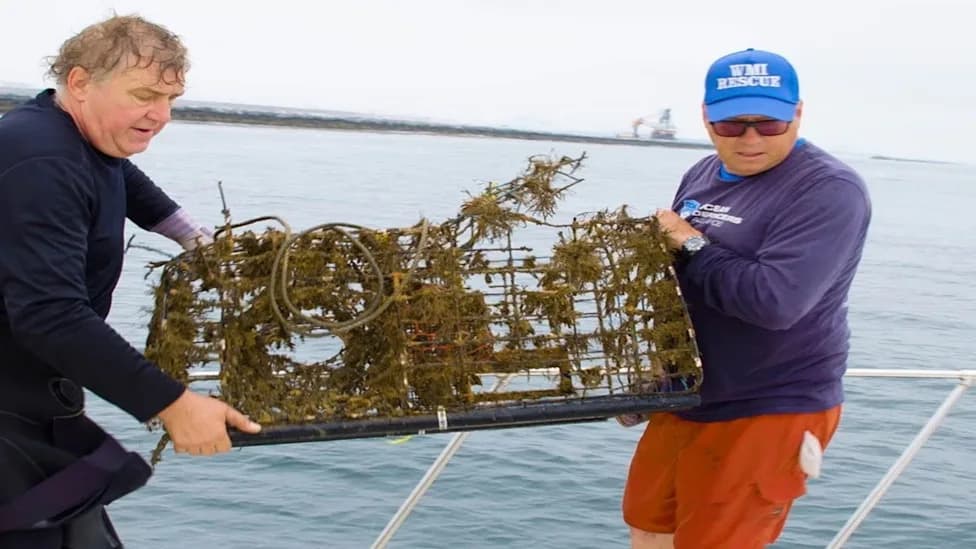
Diver teams typically depart at dawn and comb large sections of ocean where visibility is often poor. Searching in low-visibility conditions can feel like an underwater treasure hunt: divers rely on experience, local knowledge and teamwork to find gear hidden on the seabed. When a trap or net is located, divers attach a special lift bag. The bag is inflated and raises the gear to the surface where the crew hauls it aboard and removes it from the marine environment.
Why It Matters
Lost fishing gear doesn’t simply disappear. Traps and nets continue to capture and injure animals, contributing to rising reports of whale entanglements and other wildlife casualties in some regions. While many cases of gear loss stem from storms, damaged marker buoys or accidental separation from ropes and buoys, the consequences are long-lasting and severe.
"Every recovered trap or net represents animals that will no longer fall victim to hidden underwater hazards," says Lieber.
Challenges and Impact
The work is physically demanding and costly. Locating gear in murky water, lifting heavy equipment, and safely disposing of it require effort, training and funding. Still, Lieber and his volunteers argue the ecological benefits outweigh the costs: removing ghost gear reduces unnecessary deaths, helps local fisheries, and gives marine ecosystems a better chance to recover.
Ocean Defenders Alliance shows how community-led conservation combined with targeted action can produce measurable results. While ocean pollution is a vast, global problem, focused local efforts — dive by dive, net by net — can reduce harm and inspire broader change.
Help us improve.