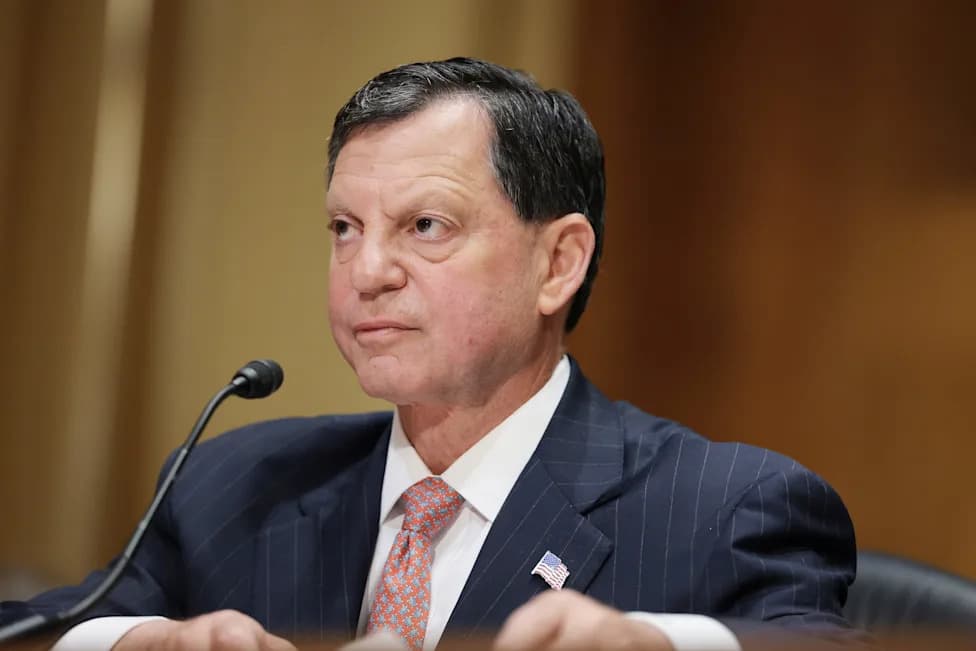
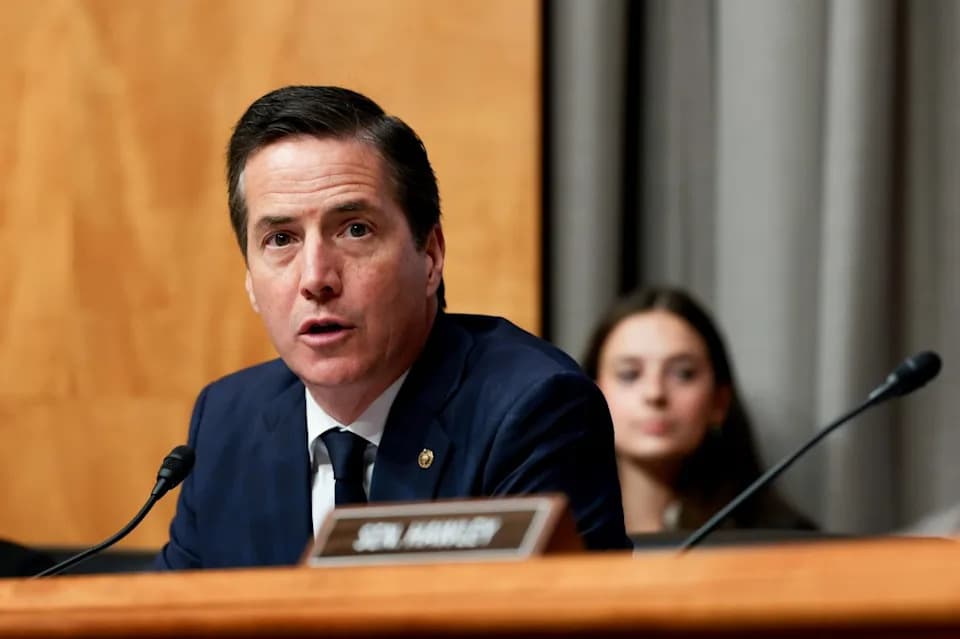
The PROMISE Act would require the Social Security Advisory Board to draft a 50-year solvency plan and fast-track congressional consideration with only 100 hours of debate. Progressives warn that the process concentrates power in an unelected board and risks enabling benefit cuts or higher retirement ages; they favor revenue options such as lifting the payroll-tax cap. Trustees warn the trust funds could cover roughly 78% of benefits by 2032 — roughly a $450 monthly loss for the average beneficiary — unless Congress acts.
Will the PROMISE Act Rescue Social Security — Or Open the Door to Cuts?
Will This Bill Save Social Security, or Kill It?
A fast-moving bipartisan bill would force a near-term legislative answer to Social Security's funding shortfall — but Democrats are deeply split over whether the proposal protects retirees or risks handing opponents a path to cuts.
The Protecting Retirement Opportunities and Maintaining Income Security for Everyone (PROMISE) Act directs the nonpartisan Social Security Advisory Board (SSAB) to draft a legislative framework intended to keep Social Security solvent for at least 50 years. The bill, discussed at a Senate Finance Committee hearing, would also require the House and Senate to debate, amend, and vote on the SSAB's plan on an expedited schedule, with just 100 hours of floor time allocated.
Why Progressives Are Alarmed
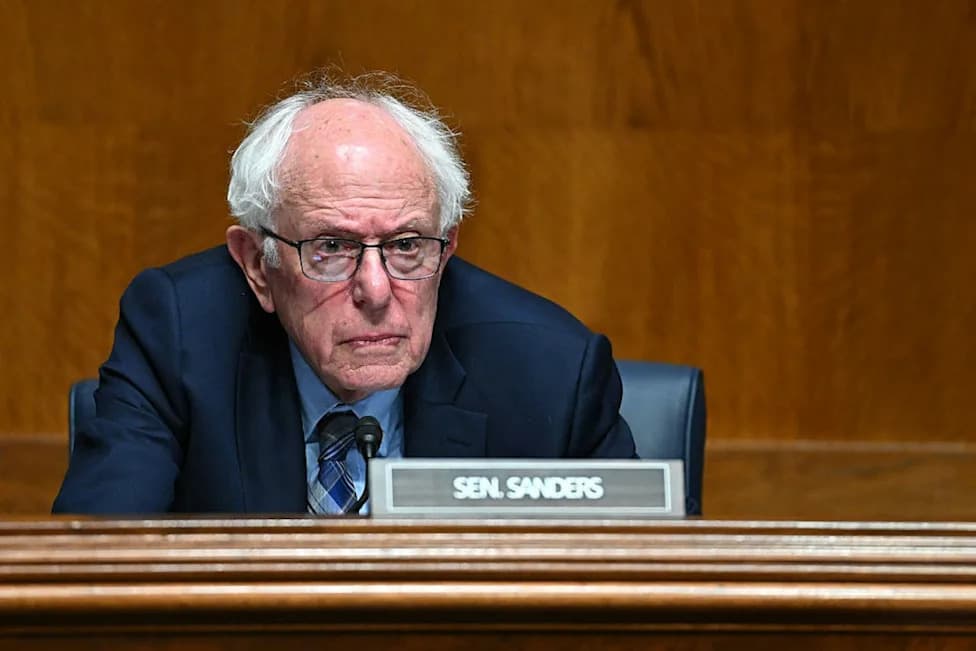
Progressive lawmakers and advocacy groups warn the process concentrates too much power in an unelected, four-member advisory board and imposes a tight timeline that could push final votes into a lame-duck session. Senator Bernie Sanders argued the approach risks letting outgoing or defeated lawmakers — rather than newly elected representatives — determine long-term benefit policy. Senator Elizabeth Warren and others fear the board could recommend raising the retirement age, trimming cost-of-living adjustments, or even pursuing partial privatization.
"Social Security is the most important program facing the American people, and we need a serious way forward," Sanders told The New Republic. "I don't think a serious way forward is having folks who have either been defeated for election or who are retiring making the key decisions."
Supporters Say It Starts the Conversation
Senator Tim Kaine, a co-sponsor, framed the bill as a way to begin negotiations before the program reaches a crisis point. "If you wait until it's right up against the deadline, you traumatize a lot of people who think maybe [Congress] won't come up with a solution," he said, adding that the measure allows amendments and will ultimately require broad support to pass.
The Numbers Driving the Debate
The Social Security Board of Trustees' June report projects that the combined trust funds will be able to pay about 78 percent of scheduled benefits beginning in 2032 unless Congress acts — implying an automatic reduction of roughly 22 percent. With the current average benefit near $2,071 per month, that would amount to about a $450 monthly cut for the typical beneficiary. More than 70 million Americans receive Social Security; one estimate suggests such a cut could push over three million seniors and people with disabilities into poverty.
Alternatives Proposed by Progressives
Rather than endorsing an expedited advisory-board-driven process, many progressives advocate revenue-based fixes. Today the Social Security payroll tax applies only to the first $184,500 of earnings. Senator Warren would eliminate that cap entirely; Senator Sanders would apply payroll taxes to income above $250,000. Both proposals aim to raise revenue — one estimate finds removing the cap and crediting those earnings toward benefits could raise roughly $3.4 trillion over 10 years, closing nearly half of the program's projected 75-year shortfall.
Senator Ron Wyden summarized the argument in moral terms: "If you're a nurse or an electrician, you pay taxes with every paycheck. If you're a billionaire and you're good with your accountant and you know your lawyer, you can pay little or nothing; that's not right."
Stakeholder Reactions
The AARP, represented in the hearing by Executive Vice President Nancy LeaMond, warned in a July letter that the bill would give an unelected advisory body outsized influence, allow minimal deliberation and public input, and could enable rushed votes during a lame-duck session. Sanders circulated a "Dear Colleague" letter echoing those concerns to Democratic colleagues.
Bottom Line
The PROMISE Act is designed to force an early, binding legislative discussion about Social Security's future — a prospect supporters say reduces unnecessary alarm and gives lawmakers time to craft durable solutions. Opponents counter that the process risks shortchanging democratic accountability and could hand political cover to proposals that cut benefits. The debate now centers on whether to start the meeting of policymakers sooner under tight rules or leave the work to a newly elected Congress.
Also In This Briefing
- Alabama Senate Race: A poll funded by a school-choice group shows Republican Tommy Tuberville leading Democrat Doug Jones by 49–41 in a potential matchup — a closer margin than their 2020 Senate contest.
- Western Water: CalMatters explains why Colorado River allocation talks and near-term cuts fall short of the long-term infrastructure and funding needs for 40 million people and millions of agricultural acres.
- Avocado Research: Scientists have identified a gene that controls the timing of avocado flowers' male and female phases, a discovery with implications for breeding and yields.
- Policy Notes: The Roosevelt Institute released a brief arguing Social Security's solvency depends on economic strength, not just demographics; the Open Markets Institute filed an amicus brief in the DOJ's antitrust case against Google.
- Voter Sentiment: Pew Research finds optimism about the economy has declined, with the biggest slump among Republicans and Republican-leaning independents.
Reporting by Emma Janssen, Heather Souvaine Horn, and others.
Help us improve.