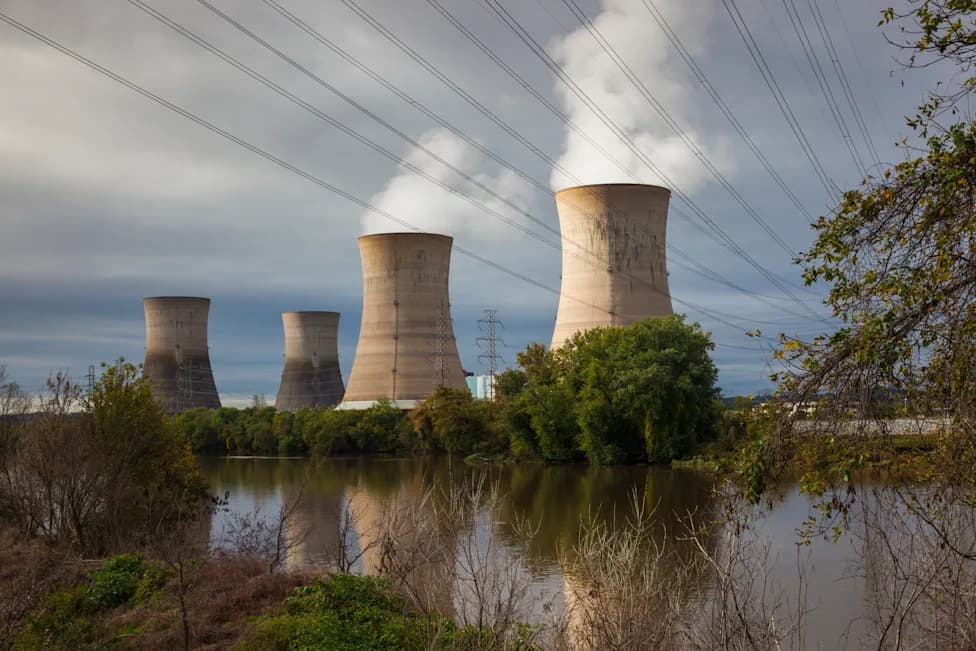
Rep. Ro Khanna introduced H. Res. 1471 proposing a "data center bill of rights" to give local communities the power to block AI data-center projects and set location limits. The resolution would allow bans within 2,500 feet of homes, schools and care facilities, preserve local permitting authority, and let states pause construction until protections for ratepayers and water supplies are adopted. It would also require clean energy, noise and air limits, bar passing higher electricity costs to households and small businesses, and mandate independent public impact reports assessing health, housing and 10-year job projections.
Ro Khanna Proposes 'Data Center Bill of Rights' to Let Communities Block AI Facilities
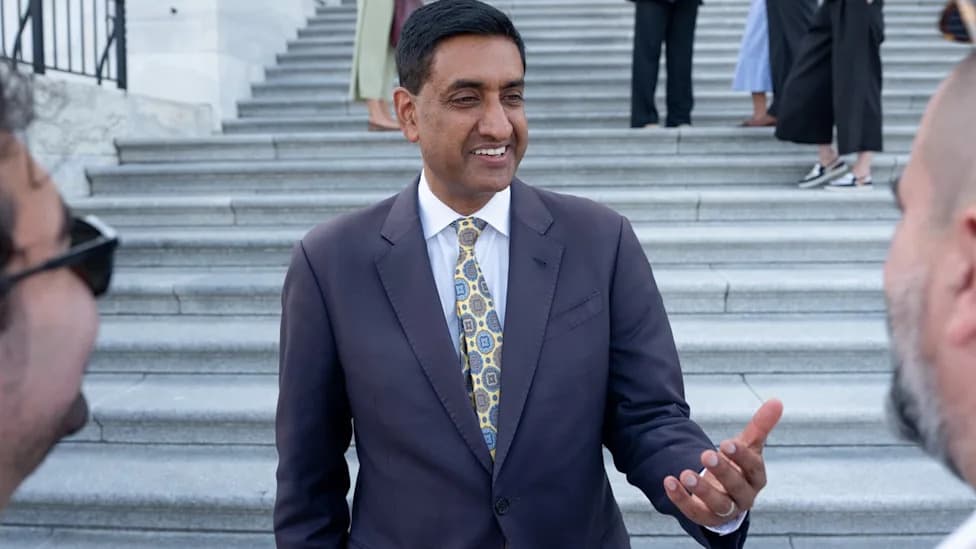
Ro Khanna introduces data center bill of rights resolution
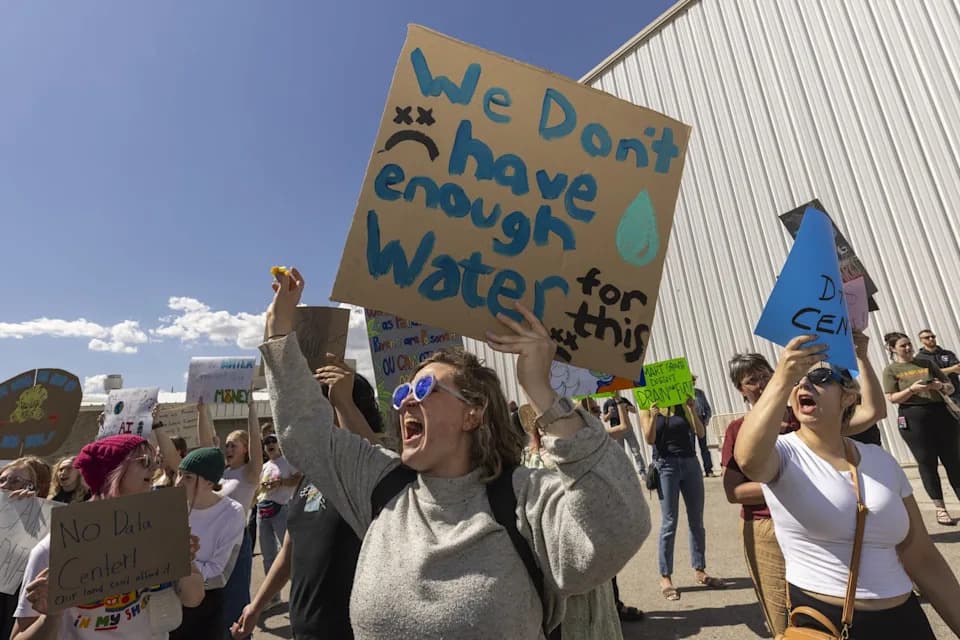
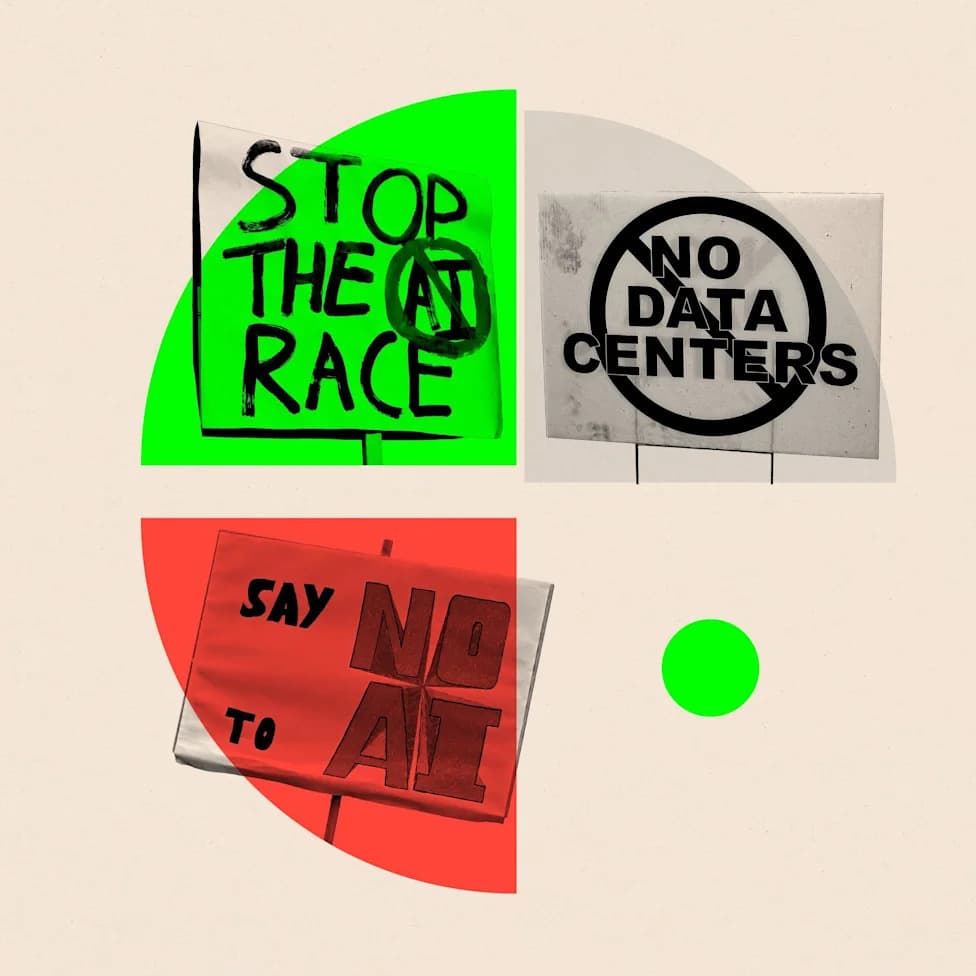
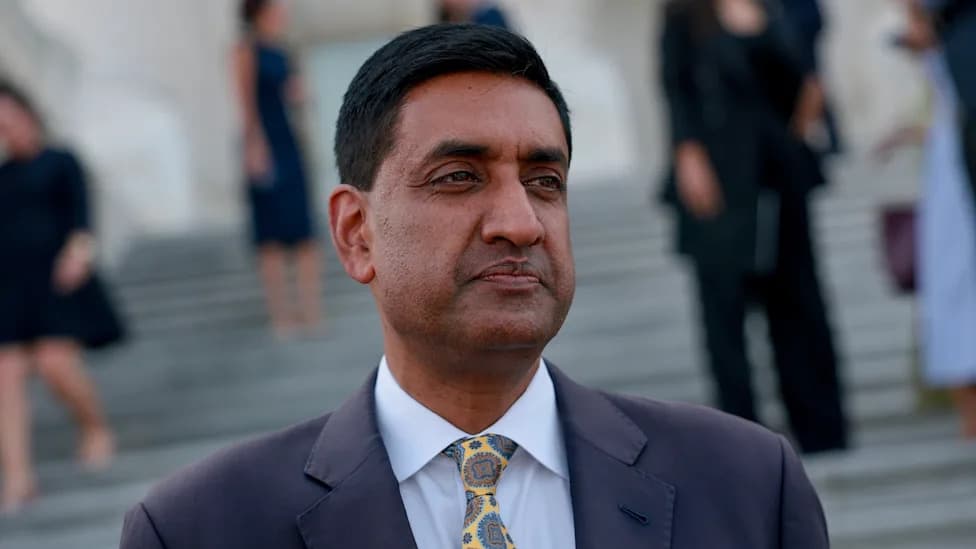
Rep. Ro Khanna on Monday introduced H. Res. 1471, a resolution urging Congress to adopt a "data center bill of rights" that would give local communities greater power to block construction of data centers that support artificial intelligence.
What the resolution would do:
Khanna's measure would endorse the authority of counties and municipalities to ban data centers in residential areas and within 2,500 feet of homes, schools, childcare facilities, hospitals or nursing homes. It also calls for a transparent community review process for any proposed project and would preserve local permitting power from state preemption.
The text would allow states to pause new data-center construction until protections are put in place to shield ratepayers from higher electricity costs and to safeguard local water supplies. Other proposed requirements include use of clean energy, compliance with noise and air-pollution limits, prohibiting increases in household and small-business electricity rates tied to data-center demand, and independent public impact reports before approval.
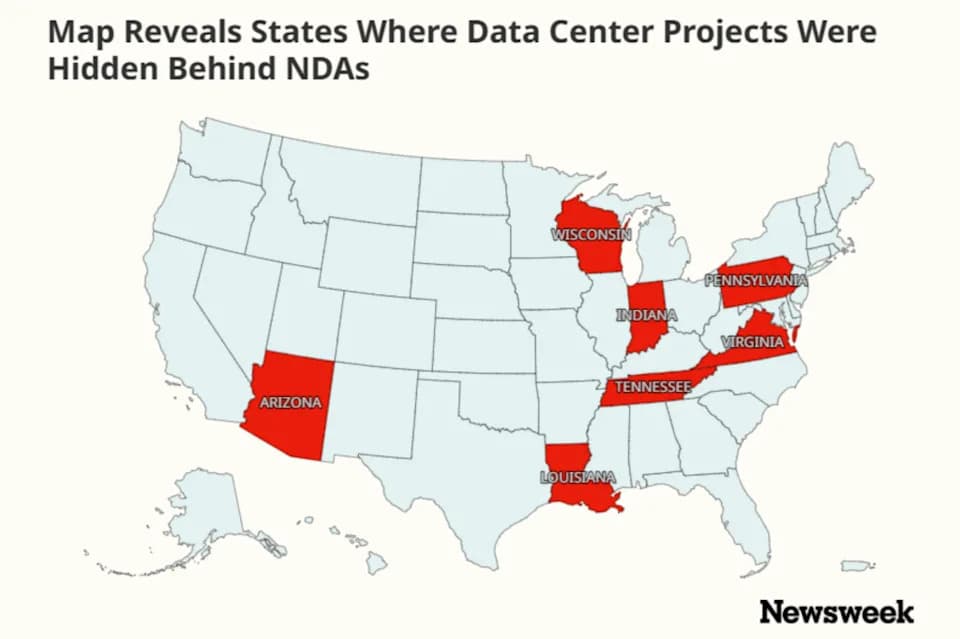
Impact assessments and transparency: The required public impact reports would evaluate effects on utility bills, public health, rents and housing availability, and estimate job creation over a 10-year horizon. The resolution also highlights concerns about developer opacity — including the use of nondisclosure agreements and shell companies to obscure ownership, water usage and electricity demand.
Why lawmakers are acting: The resolution cites more than 4,400 registered data centers operating in the U.S. and notes estimates that AI-focused facilities could consume up to 32 billion gallons of water per year by 2028, often sited in water-stressed regions. While data-center construction can create hundreds of temporary jobs, many large facilities retain fewer than 150 permanent employees, the measure says.
Khanna said a recent trip to Pennsylvania convinced him residents there are broadly opposed to new data-center projects. CNBC reports that several states, including New York, have already enacted moratoriums on certain new data-center construction while they consider protections for communities and utilities.
"We need a data center bill of rights where communities don't have these data centers shoved down their throat," Khanna said, emphasizing residents' right to say no and to keep data centers out of farmland and residential neighborhoods.
Help us improve.