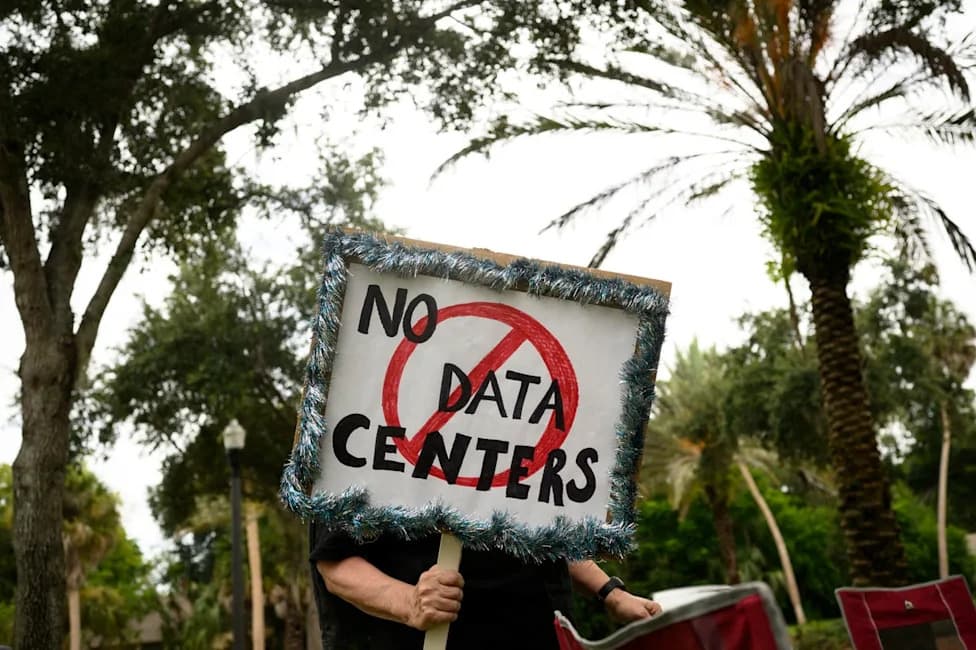
Sen. Chris Murphy blasted the GOP-backed Ratepayer Protection Act as "fakery," saying it contains no mandatory limits on data centers and serves as political cover for past GOP opposition to state AI regulation. The House passed the bill 417-3; Republicans are pressing for a Senate roll-call vote next week. The measure would direct states to consider requiring large-load customers—data centers with peak demand of at least 100 MW—to cover grid upgrade costs, but Democrats say the proposal is voluntary and lacks enforcement. Industry moves by companies such as Alibaba and conflicting estimates of data-center water use underline the stakes of the debate.
Sen. Chris Murphy Calls GOP Data-Center Bill 'Fakery' as Republicans Push Senate Vote on AI Power Costs
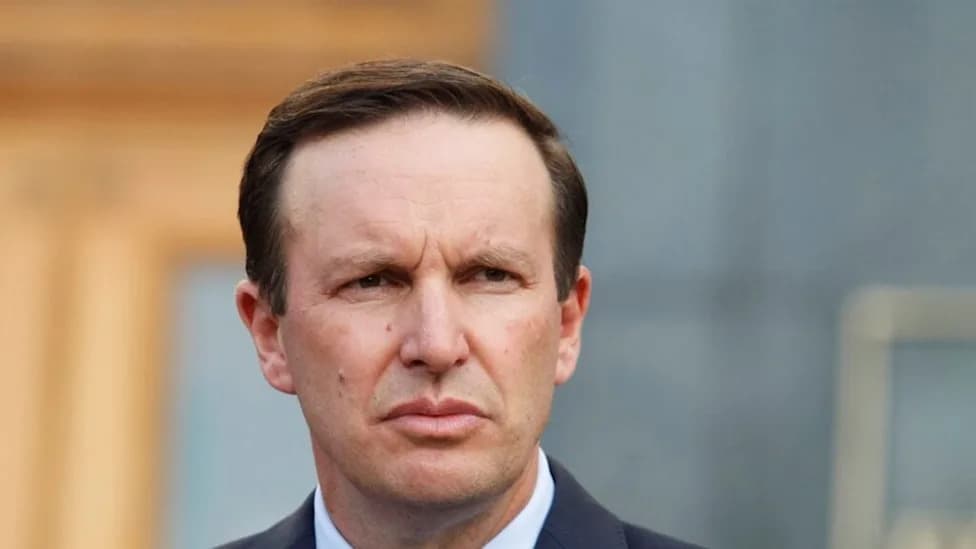
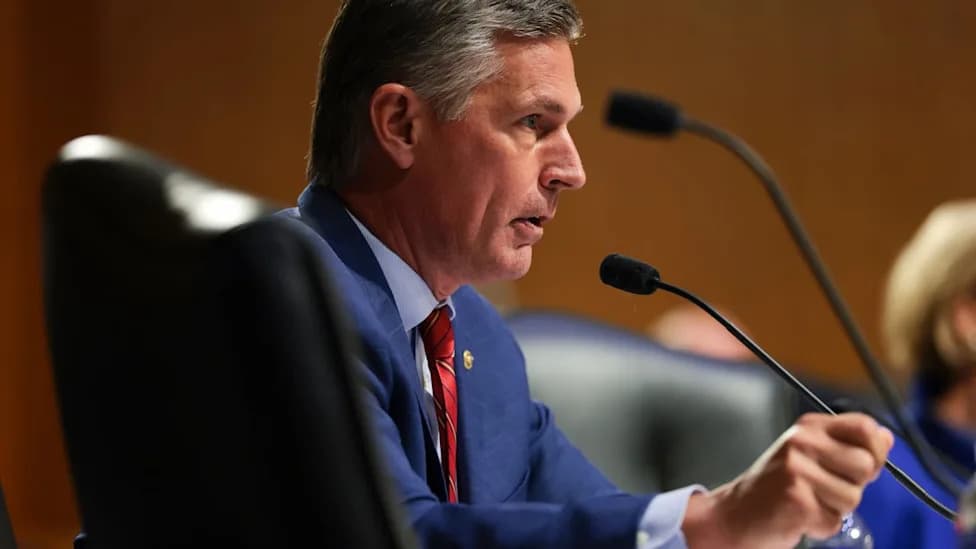
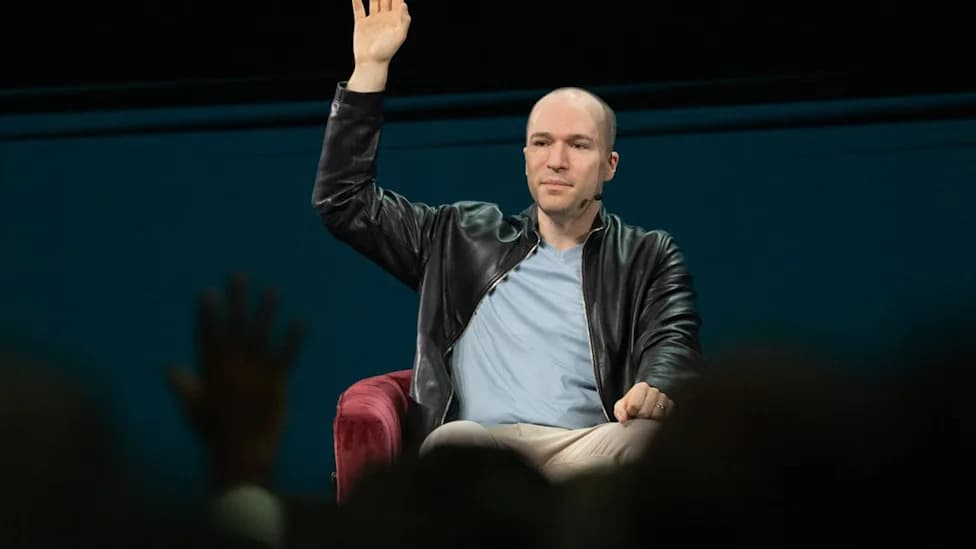
United States Senator Chris Murphy, Democrat of Connecticut, seen at a press conference (Credit: United States Senator Chris Murphy, Democrat of Connecticut, seen at a press conference | Photo courtesy: Shutterstock)
Sen. Chris Murphy (D-Conn.) this week sharply criticized a Republican-backed data-center measure, calling the Ratepayer Protection Act "fakery" and arguing the bill "does nothing" because it imposes no new mandatory restrictions on data centers. Murphy posted his comments on X on Sept. 28, 2026, saying the measure is intended to distract voters from earlier GOP efforts to block state-level regulation of AI.
What the Bill Would Do
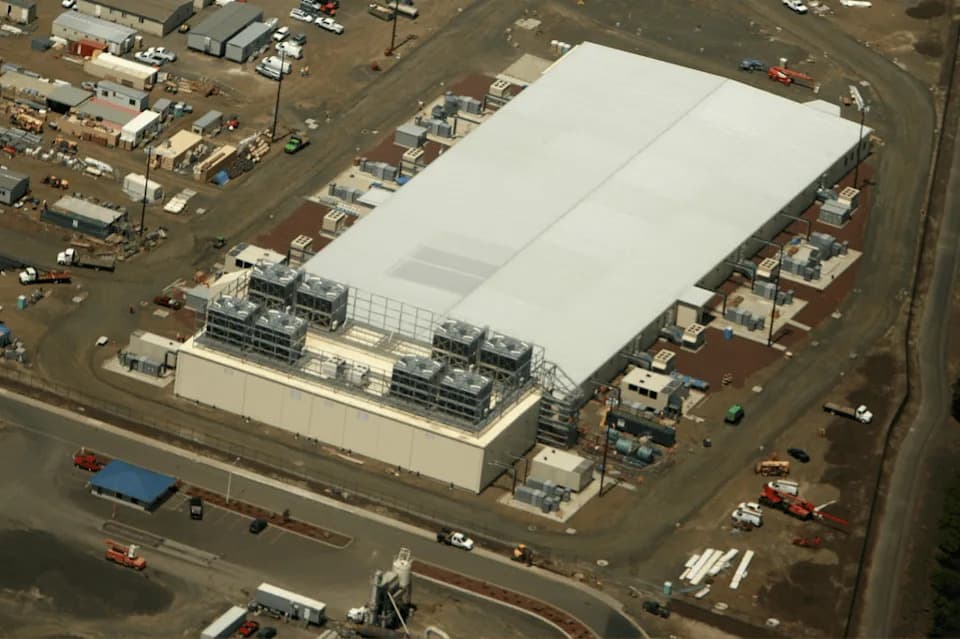
The House passed the bipartisan Ratepayer Protection Act by a 417-3 vote. The legislation would create a federal guideline directing states to consider rules that require large-load electricity customers—such as hyperscale data centers—to cover the full, incremental costs of generation, transmission and distribution upgrades needed to serve them. The measure specifically targets facilities with peak demand of at least 100 megawatts and would require utilities to consider rate structures that recover those grid-upgrade costs from such customers.
Political Reactions
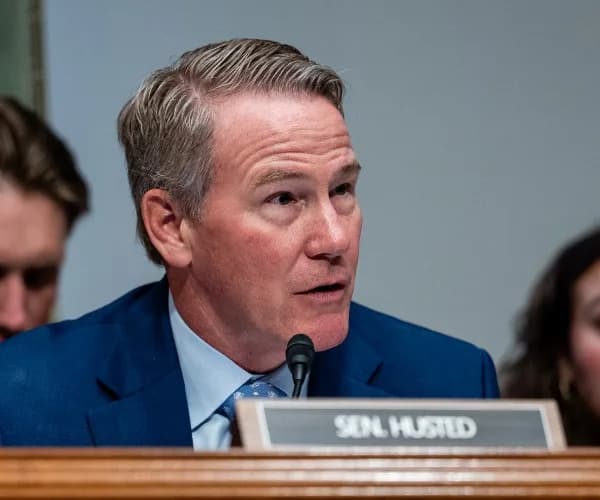
Republicans, including bill sponsor Sen. Jon Husted (R-Ohio), argue the measure responds to voter concerns about ratepayers bearing the costs of AI-driven electricity demand. Husted said voters "overwhelmingly support the idea of data centers paying their own way." Burgess Everett reported that GOP senators are pressing to keep the Senate in session next week for a roll-call vote on the bill.
Democrats pushed back. Sen. Martin Heinrich (D-N.M.) called the legislation voluntary and said it "lacks teeth," while Senate Minority Leader Chuck Schumer (D-N.Y.) described it as a "fraud." Murphy’s post read in part:
"FYI this bill does nothing. It contains no new mandatory rules restricting data centers. It's just fakery to try to fool voters into forgetting that Republicans spent the entire term trying to stop states from regulating AI (as requested by the AI companies)."
Industry Context
The debate unfolds as companies rapidly expand data-center capacity to support AI. Alibaba Group recently unveiled its Zhenwu V900 AI chip and said it plans to grow Alibaba Cloud’s global data-center capacity to more than 20 gigawatts by 2032. Macro investor Raoul Pal has warned that current construction is running at roughly 30% of the pace needed for the AI buildout and that infrastructure bottlenecks could trigger a capital-spending "supercycle."
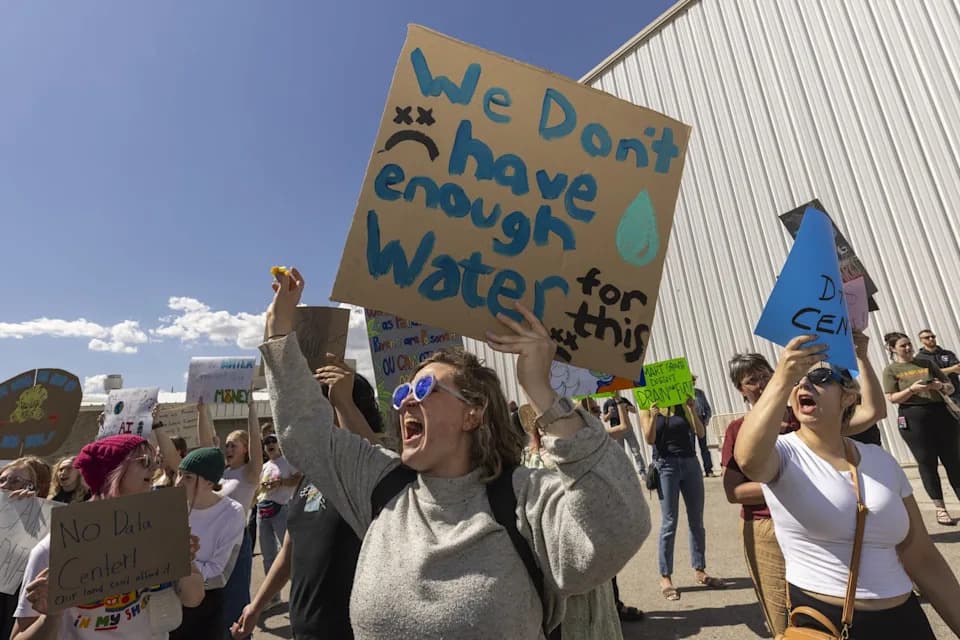
Resource-use concerns are also part of the conversation. A private-sector executive, Howard Lutnick, dismissed water-use worries with the comment "data centers don't use water." That contrasts with an estimate from Lawrence Berkeley National Laboratory, which put U.S. data-center water use at about 66 billion liters in 2023 and projected hyperscale facilities could consume up to 124 billion liters annually by 2028.
Why It Matters
The dispute highlights a broader policy question: should Congress create a federal floor that only asks states to "consider" cost-recovery rules, or are stronger, mandatory federal standards needed to allocate grid and environmental costs tied to AI infrastructure? Proponents say the bill protects ordinary ratepayers; critics call it symbolic and insufficient. With Republicans seeking a Senate vote, the measure could sharpen the national debate over how to share the costs of AI-driven power demand.
Help us improve.