NGOs warn a tanker believed to be part of Russia's "shadow fleet" is leaking oil near al-Qibliyyah island off Oman, threatening the recently created al-Hallaniyat marine reserve. Satellite imagery shows the sheen grew from about 20 sq km on July 24 to roughly 600 sq km by August 4. The vessel, identified as the Caroline Bezengi, reportedly loaded around one million barrels in May and was stranded after explosions in June. Experts say a structural break or continued leakage could trigger long-lasting ecological and socio-economic damage.
Tanker Leak Near Oman’s Protected Islands Raises Risk Of Major Ecological Disaster
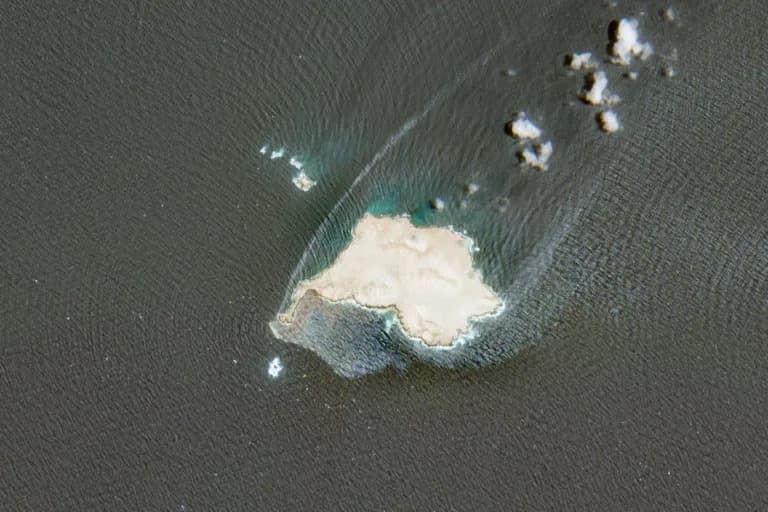
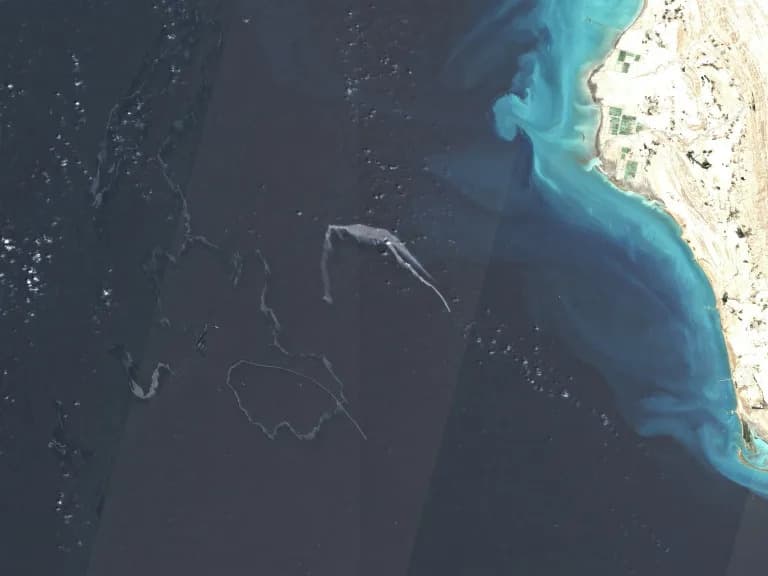
This satellite image obtained from Copernicus Sentinel Data 2026 shows a slick that is consistent with an oil leak emanating from a ship, stranded for over a month near Qibliyyah island off Oman's southern coast in the Arabian Sea (-)
Oman faces a growing environmental emergency after a tanker believed to be part of a Russian "shadow fleet" began leaking oil near al-Qibliyyah island, close to the newly declared al-Hallaniyat marine reserve. Satellite imagery verified by AFP and analyses by NGOs show an expanding oil sheen that threatens coral reefs, seagrass, endangered sea turtles, seabirds and rare marine mammals.
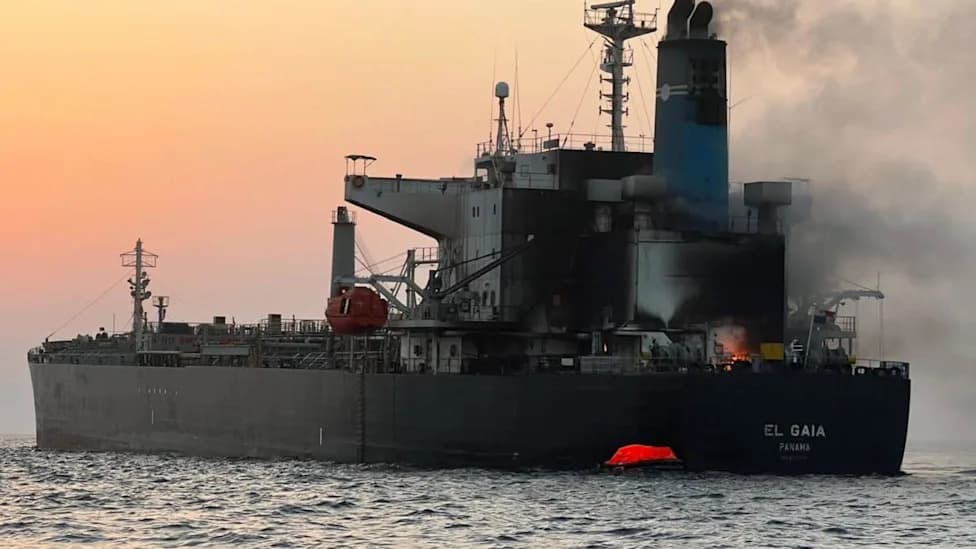
Commercial tracking firm Kpler reports the vessel, widely identified as the Caroline Bezengi, loaded roughly one million barrels of crude at the Russian Black Sea terminal of Sheskharis on May 11 and appeared to still carry that cargo when its last signal was recorded in June. Maritime security company Vanguard Tech told AFP the ship suffered three explosions on June 6 that flooded the steering compartment and pump room and left propulsion and steering systems inoperable; the cause of those blasts remains unclear.
Extent Of The Spill
Greenpeace and open-source investigators estimate the oil sheen expanded from about 20 square kilometres on July 24 to an estimated 600 square kilometres by August 4, based on satellite data. Imagery from Europe’s Copernicus programme indicates the vessel became stranded off al-Qibliyyah between June 18 and June 23, after it stopped transmitting AIS signals.
Ecological And Community Risks
Large stretches of the island's shoreline appear affected and additional slicks extend far out to sea. Experts warn that a structural failure or continued leakage could trigger a long-lasting regional environmental disaster, harming Omani fishing communities and damaging marine and island biodiversity.
Nina Noelle, Greenpeace: "With oil apparently continuing to leak and the vessel stranded in a difficult location, the risk of an even larger environmental disaster remains serious."
The spill threatens habitats that support endangered sea turtles, migratory seabirds and the rare Arabian Sea humpback whale. Even relatively small oil spills can persist in marine sediments for years, undermining ecological resilience and complicating recovery.
Response And Shadow Fleet Concerns
The International Maritime Organization says it is offering assistance to Oman. Oman has not publicly replied to AFP requests for comment. The Caroline Bezengi was sanctioned by the United Kingdom in February over suspicions it was involved in transporting Russian oil.
Environmental groups and investigators say Russia's so-called "ghost" or "shadow" fleet—ageing tankers with opaque ownership structures used to evade sanctions—pose heightened environmental risks because of poor maintenance and advanced age.
NGOs and investigators are urging urgent salvage operations to remove remaining oil, stabilize the vessel and prevent a catastrophic structural failure that could cause a far larger spill and long-term damage to the region's fisheries and protected ecosystems.
Help us improve.