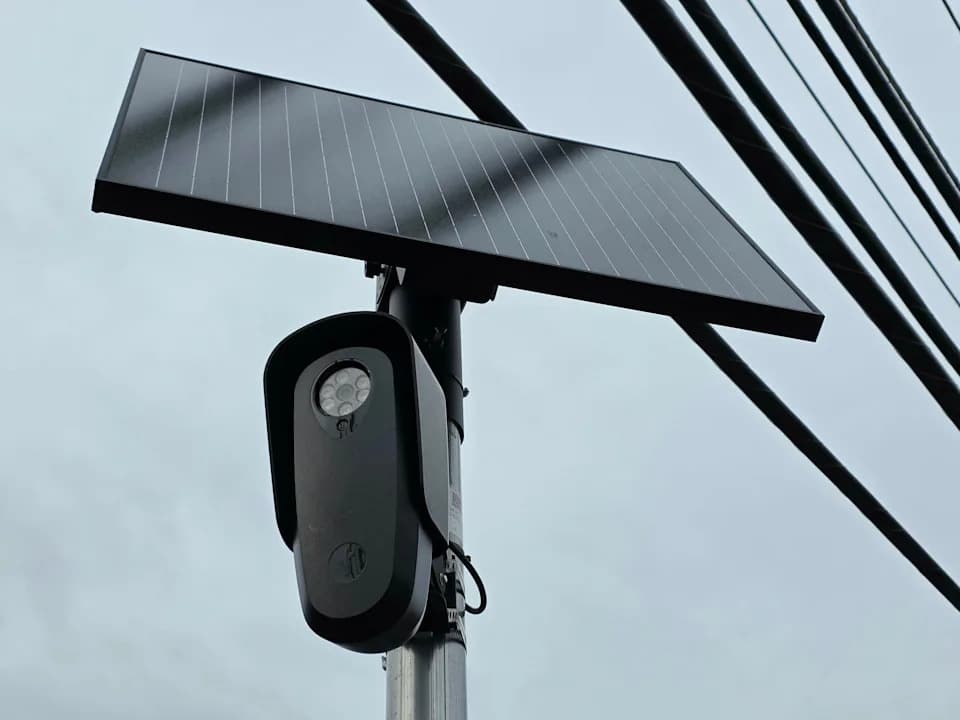
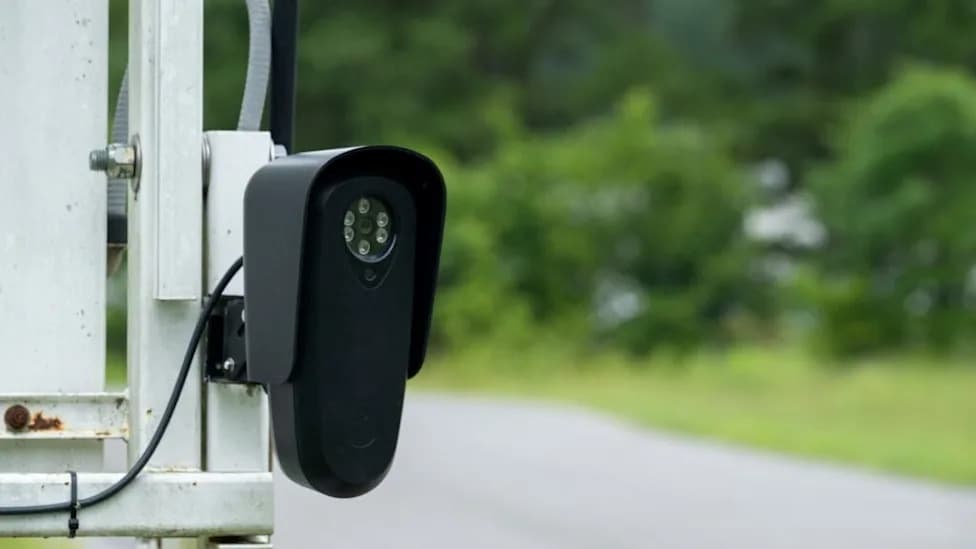
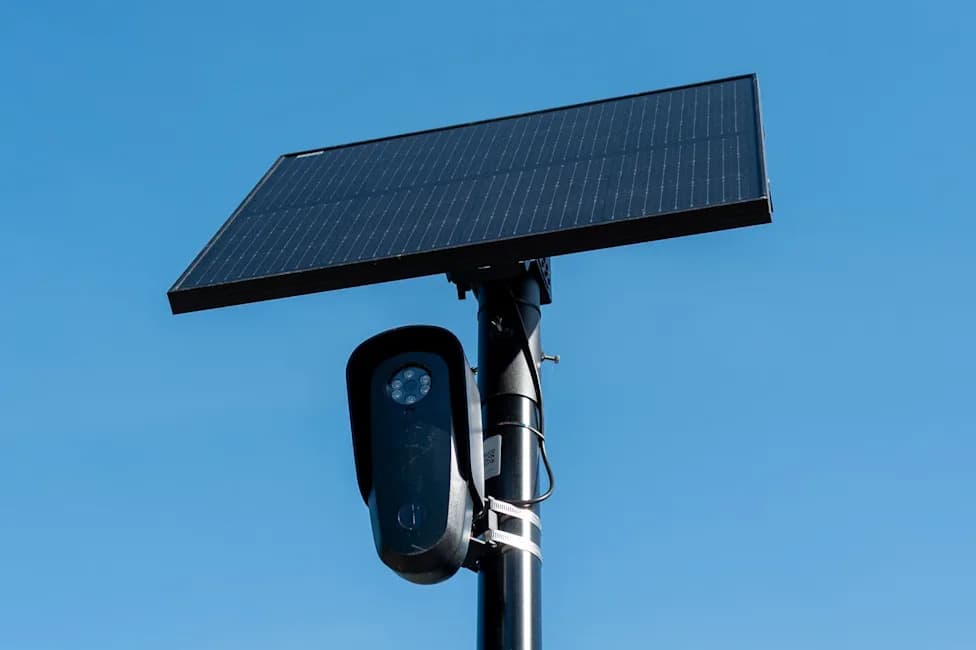
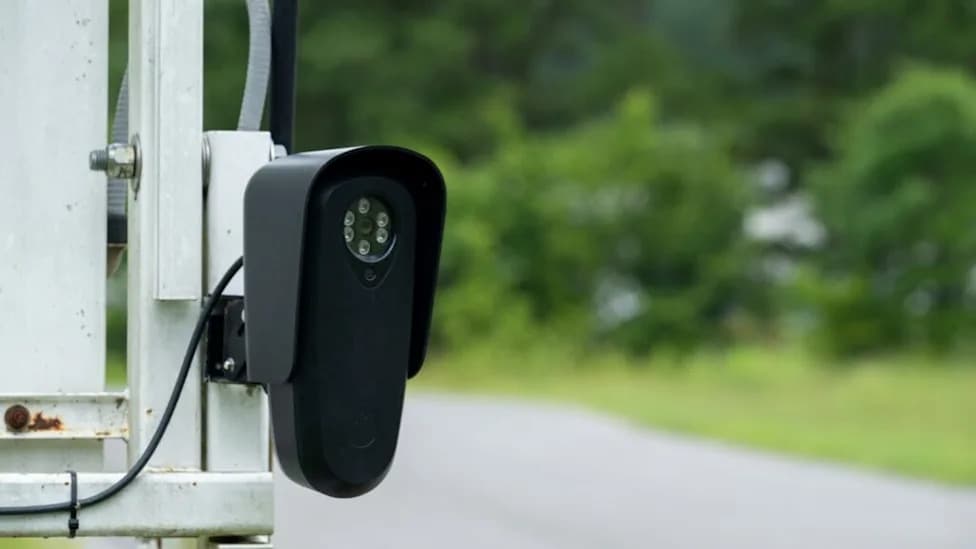
The Sterling Heights City Council has requested a year of Flock camera records after the city's 24 license-plate readers logged more than 1,000,000 unique plates in 30 days and police ran 451 searches. Councilmember Michael Radtke Jr. and residents raised privacy concerns even as the police defended the system and increased audit frequency. Nearby cities have declined to renew Flock contracts, and a proposed state bill would require warrants and shorten retention to 14 days. Sterling Heights will vote on renewal in August, with more information promised beforehand.
Sterling Heights Demands Year of Flock Camera Records After 1 Million License-Plate Scans in 30 Days
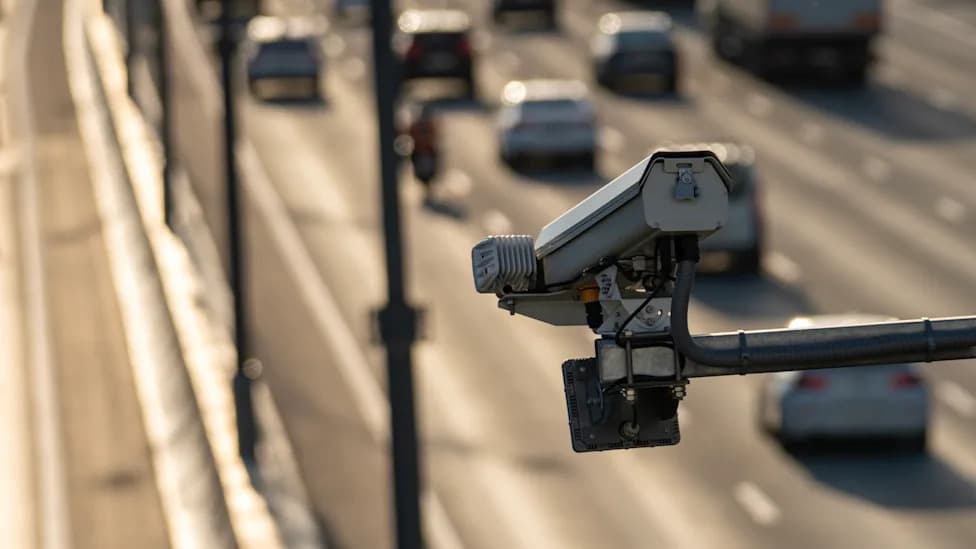
Photo Credit: iStock
A Detroit suburb is grappling with a debate that resonates nationwide: when do surveillance tools meant to boost public safety become an intrusion on everyday privacy?
What Happened
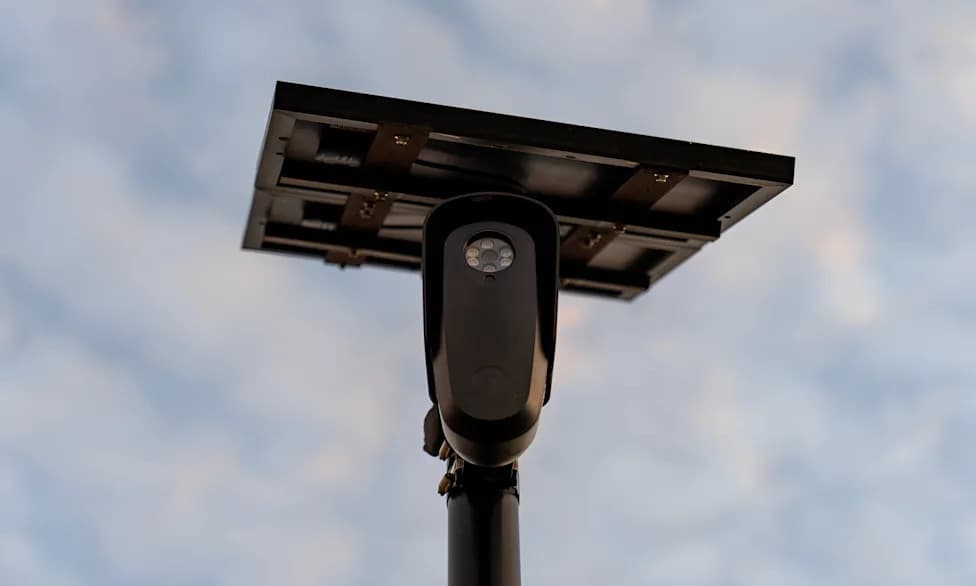
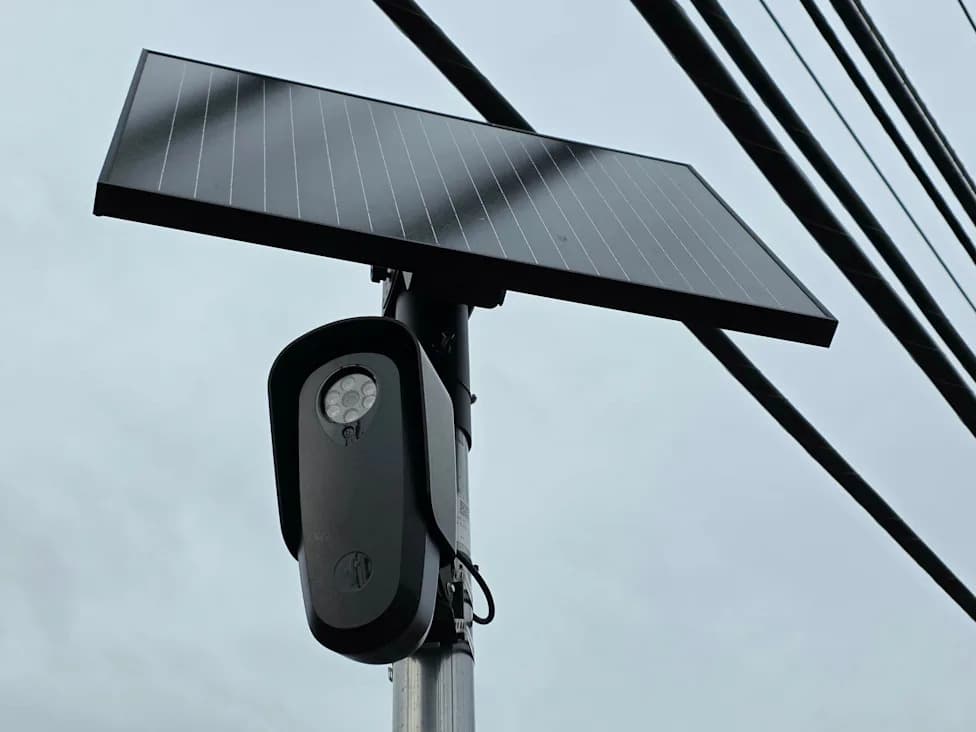
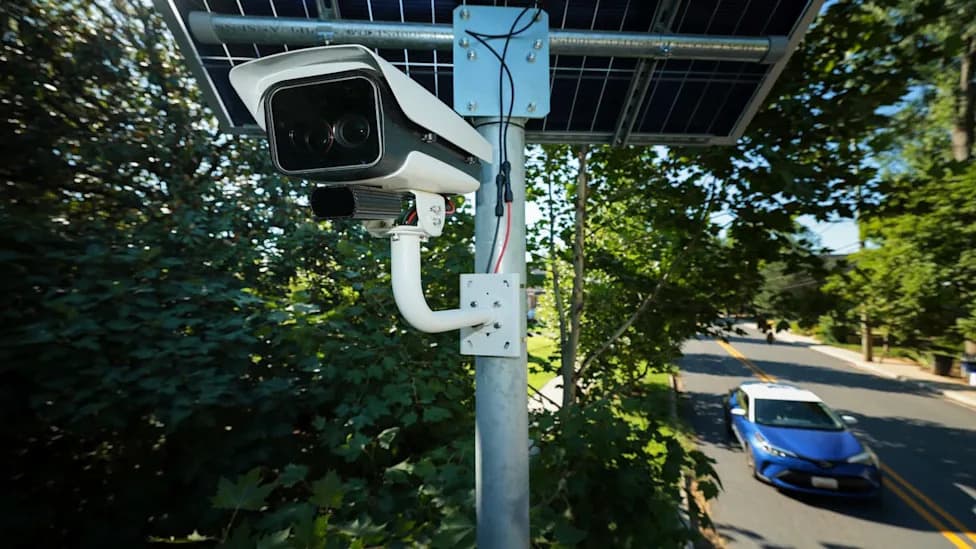
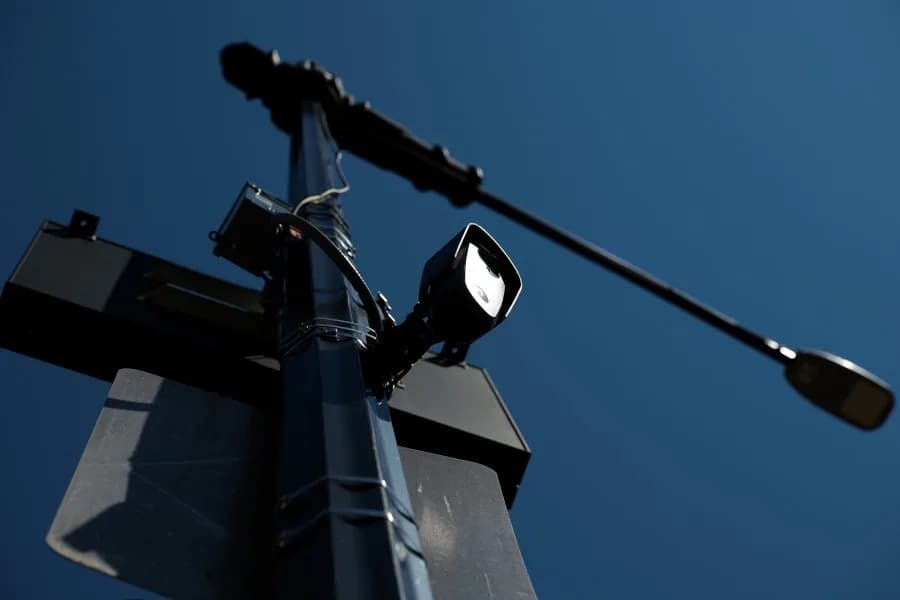
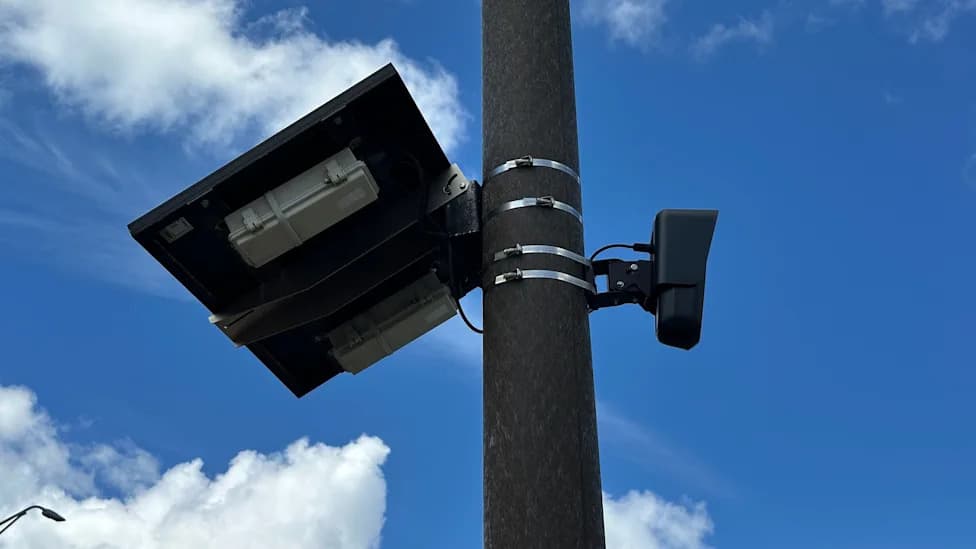
Over a recent 30-day period, Sterling Heights' 24 Flock license-plate readers recorded more than 1,000,000 unique plates, according to local reporting. During that same window, police ran 451 searches through the system. The city's online transparency portal says the cameras capture vehicle data (not faces) and that footage is retained for 30 days unless it is linked to a crime or active investigation.
Council Request and Public Concern
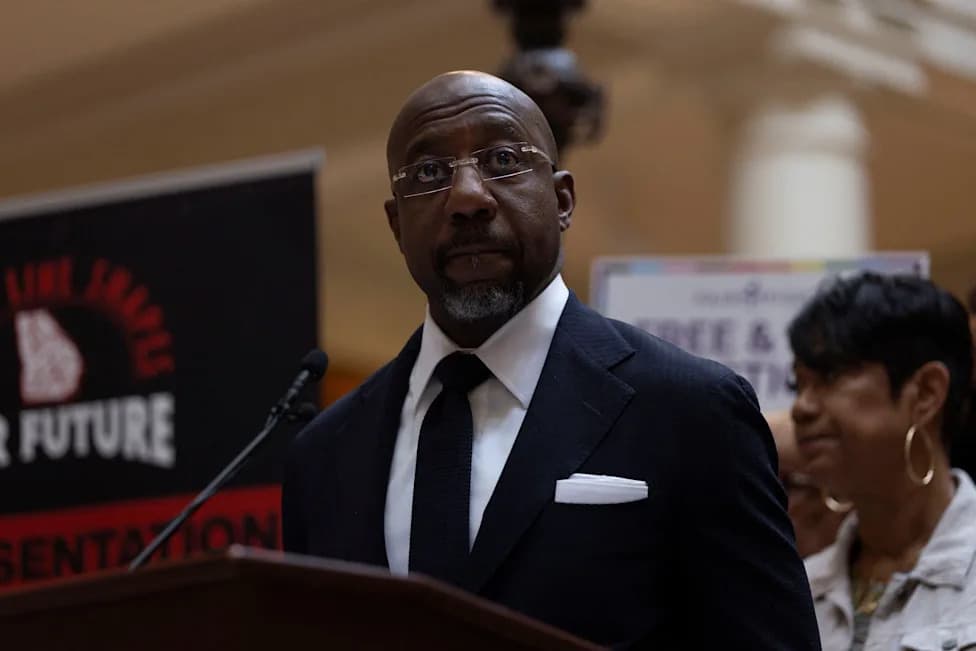
Councilmember Michael Radtke Jr. has asked the police department to produce a year's worth of records as the City Council considers tighter oversight of the Flock camera program. Residents raised privacy concerns at a recent council meeting, worried that routine travel patterns for them and their family members are being logged.
"I know my data is in there, my son's data is in there, my wife's data is in there," one resident said.
Police Response
Police Chief Andrew Satterfield defended the technology as a vital investigative tool. "The Flock technology in law enforcement is probably the best law enforcement tool since the discovery of fingerprints and DNA — a useful tool for us to solve crimes," he said. He also noted the department has increased audits from yearly to monthly.
Broader Context
Several nearby Michigan communities — Clawson, Ferndale, Milford and Westland — chose not to renew Flock contracts amid privacy concerns. At the state level, Sen. Jim Runestad has introduced Senate Bill 1131, which would require warrants to access license-plate databases and reduce data retention to 14 days.
Next Steps
Sterling Heights is expected to vote on renewing its Flock contract in August. The police department says it will provide additional information before the decision. Councilmember Radtke urged firm safeguards and penalties if the system is misused.
"We need to make sure there are firm safeguards in place and punishments if it's misused," Radtke said.
The conversation in Sterling Heights reflects a larger national tension: balancing the benefits of modern investigative tools with the need to protect ordinary people's privacy and prevent unchecked data sharing.
Help us improve.