CRBC News
Security

China Unveils AI 'Intelligent Strike Planner' to Coordinate Mass Air Strikes

China Unveils AI 'Intelligent Strike Planner' to Coordinate Mass Air Strikes
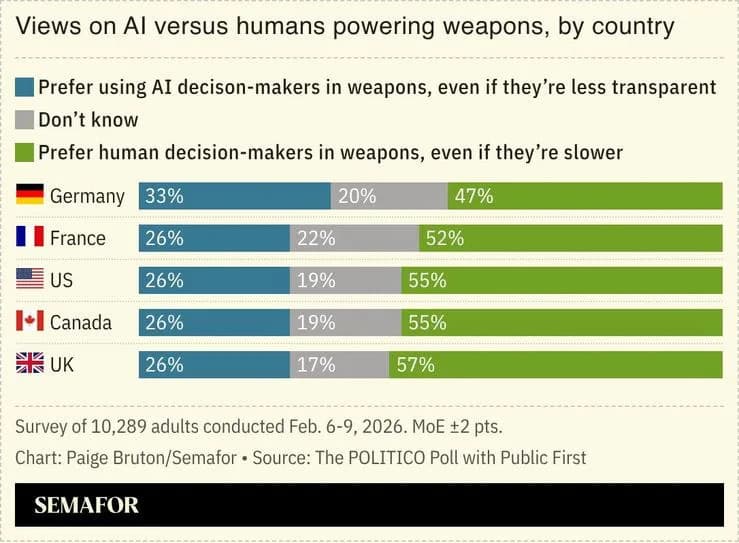
A chart showing respondents' views on AI versus humans powering weapons, by country.

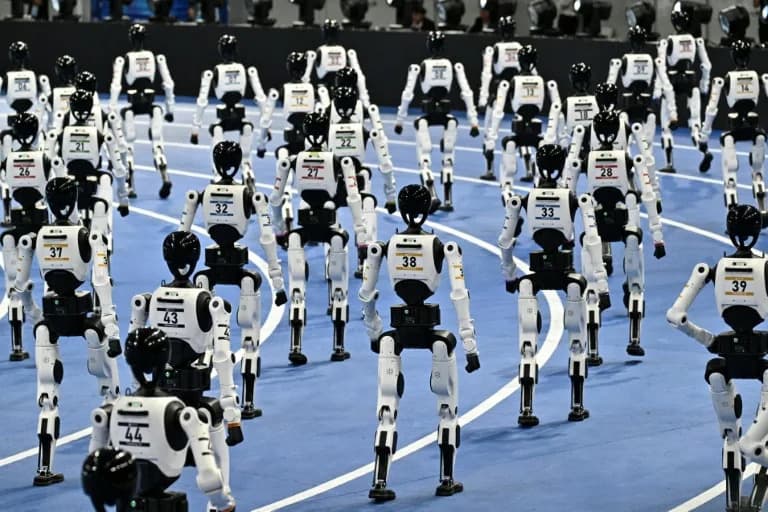
China revealed an "intelligent strike planning system" designed to help commanders and pilots prioritize targets and allocate resources for mass air strikes, according to the South China Morning Post. The announcement follows Xi Jinping’s call for the PLA to expand the use of "unmanned intelligent technologies."

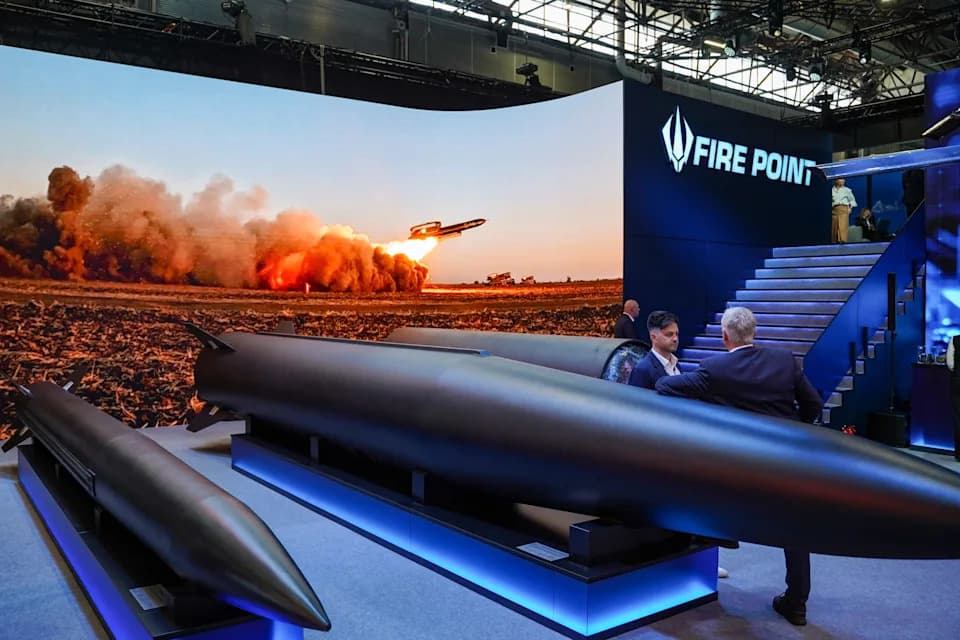
The move is part of a wider international shift toward autonomous and semi-autonomous weapons, with the US developing "loyal wingman" drones and other countries advancing unmanned combat systems. Analysts warn the technology raises significant strategic and ethical questions about oversight and escalation.

China has unveiled an artificial intelligence system intended to coordinate large-scale air strikes, part of a broader push to integrate AI across its armed forces. The South China Morning Post reported the platform is an "intelligent strike planning system" that aids commanders and pilots in prioritizing targets and allocating resources.

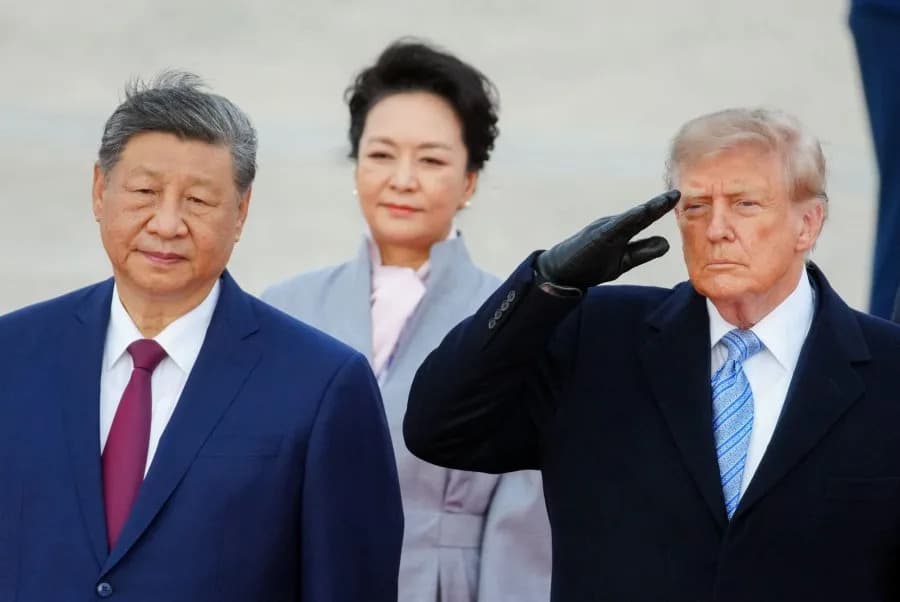
The release follows directives from Chinese leader Xi Jinping calling for the People's Liberation Army to strengthen its use of "unmanned intelligent technologies." Officials presented the system as a tool to improve operational tempo and decision-making under complex battlefield conditions.

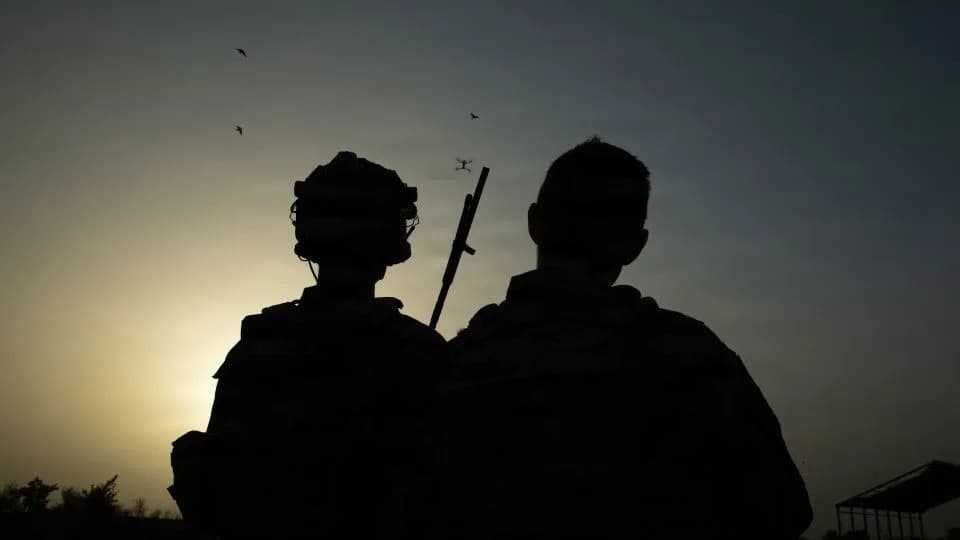
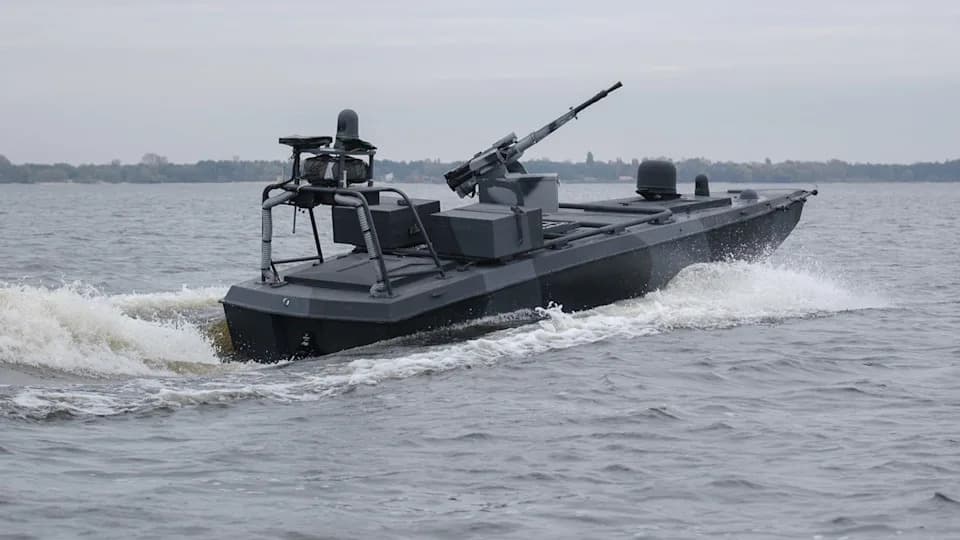
Observers note this development comes amid a global trend toward fielding autonomous and semi-autonomous weapons. The United States has been developing "loyal wingman" drone programs designed to operate alongside crewed aircraft, while other countries, including Ukraine and Russia, are advancing unmanned combat systems for land, sea and air operations.

Implications

The deployment of AI-enabled strike planning raises strategic and ethical questions: how targets are prioritized, how human oversight is maintained, and how such systems might affect escalation dynamics during conflicts. Military analysts say integrating AI into targeting processes could speed decision cycles but also increase risks if safeguards and clear rules of engagement are not enforced.

Source: South China Morning Post

Help us improve.

Related Articles

Trending