The Danube near Prahovo has revealed roughly 200 German WWII shipwrecks as extreme heat drives river levels to historic lows. In 2024 Serbian authorities and the EIB began removing 21 wrecks from a 3.1-mile bottleneck to improve navigation and cut an estimated $5.75 million in annual losses. Salvage teams clear sediment, tow some hulls and bury larger remains, while divers must inspect each wreck for unexploded ordnance despite poor visibility. Officials say the cleanup will also support EU climate and transport goals.
Drought Exposes 200 German WWII Shipwrecks on the Danube — Salvage Operation Begins Near Prahovo
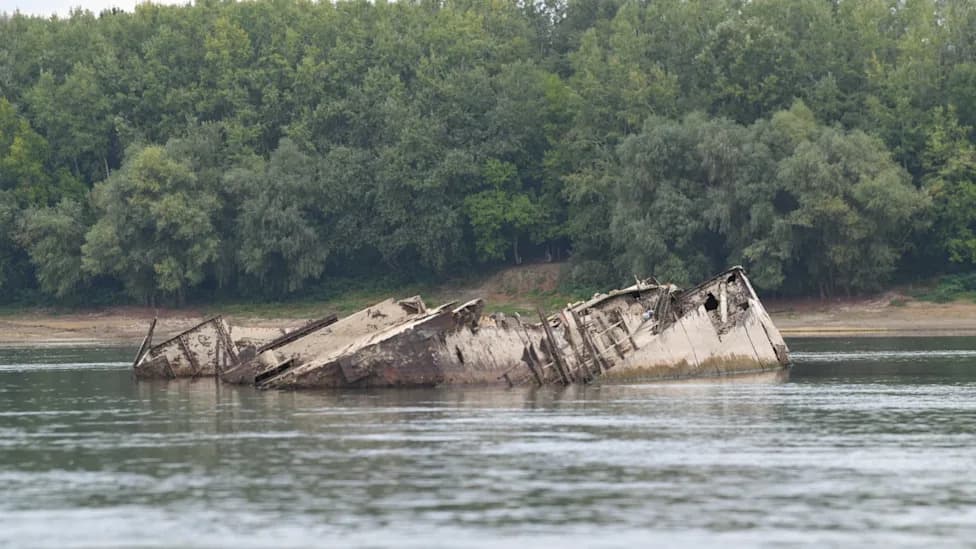
Over 200 Nazi vessels were intentionally scuttled to slow advancing Soviet forces during the fall of 1944.
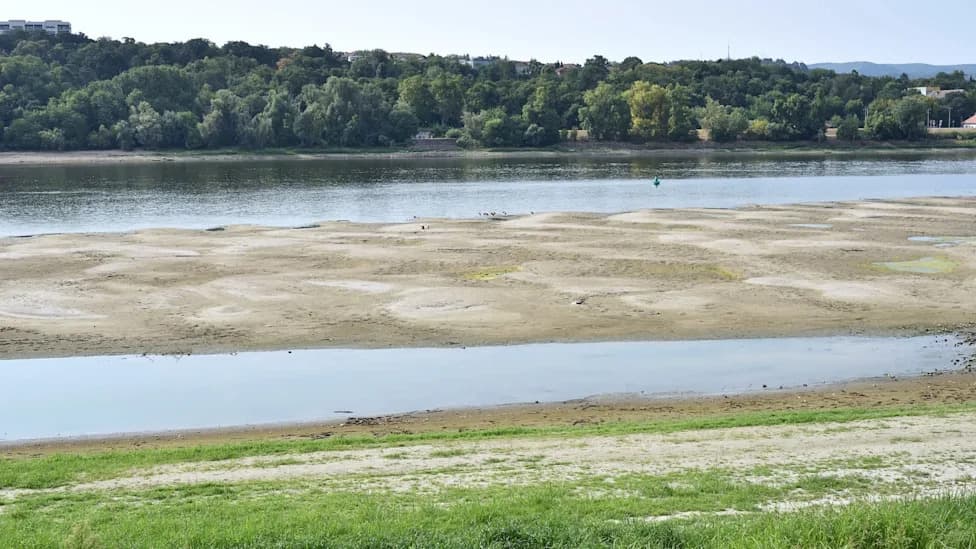
History has literally re-emerged along the Danube near the Serbian town of Prahovo as extreme heat and record low river levels have exposed the remains of about 200 German World War II vessels. The mass of barges, cargo ships and tugs—scuttled in autumn 1944—now forms an almost continuous ribbon of wreckage visible where it has lay mostly hidden for more than eight decades.
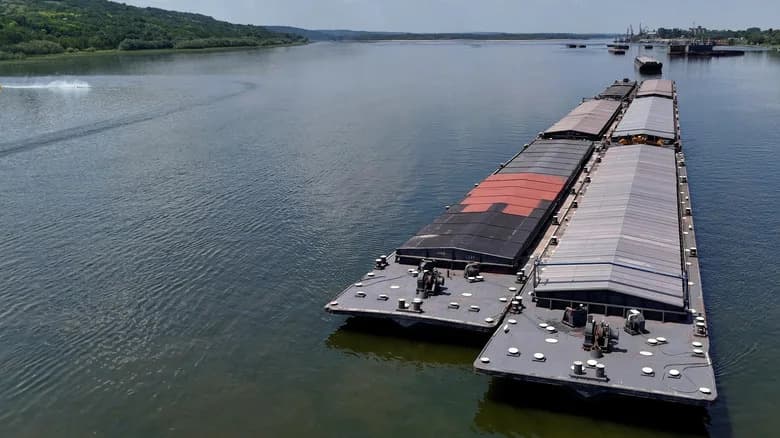
The vessels were deliberately sunk by retreating German forces to form a submerged blockade designed to slow the Soviet Red Army. Although the blockade did not ultimately stop the advance, nearly all of the ships remain where they sank, continuing to obstruct navigation and trade on that stretch of the Danube.
Economically, the impact is significant: the European Investment Bank (EIB) estimates the obstruction costs Serbia roughly $5.75 million in lost economic activity each year. In 2024 Serbian authorities and the EIB launched a targeted salvage effort to remove 21 selected wrecks from a 3.1-mile (5 km) bottleneck now exposed by low water.
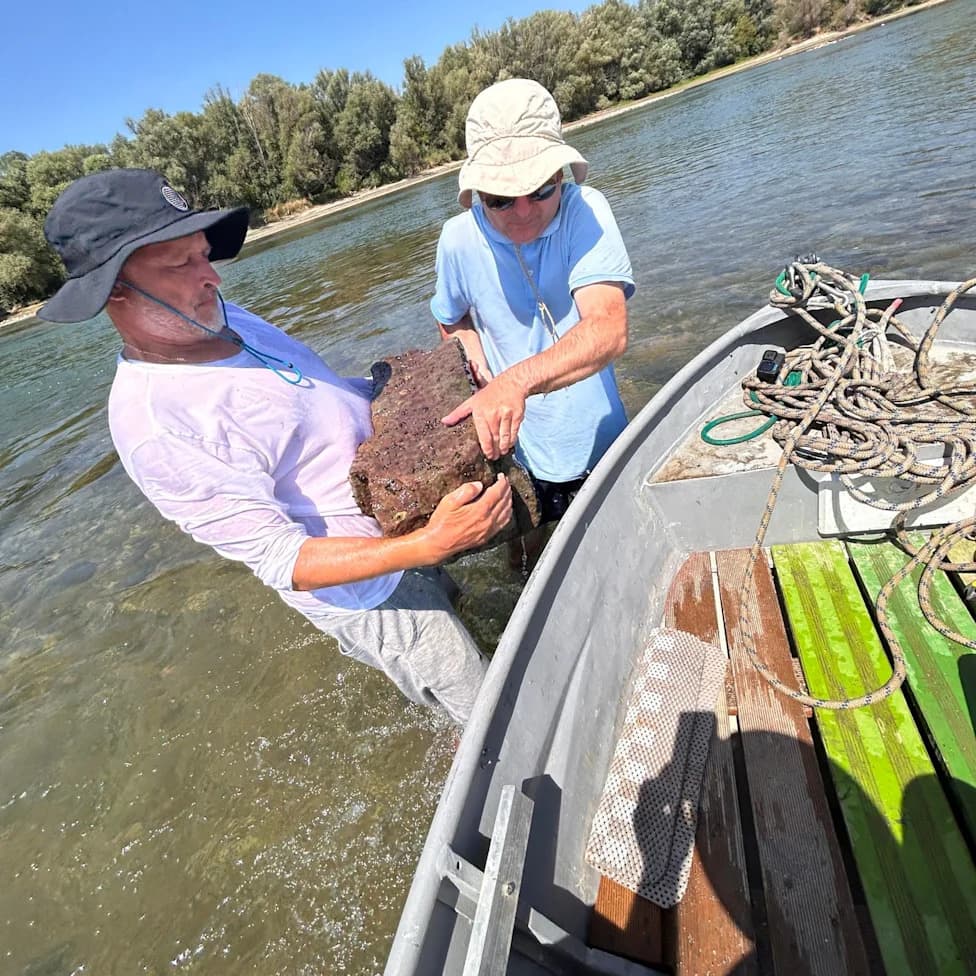
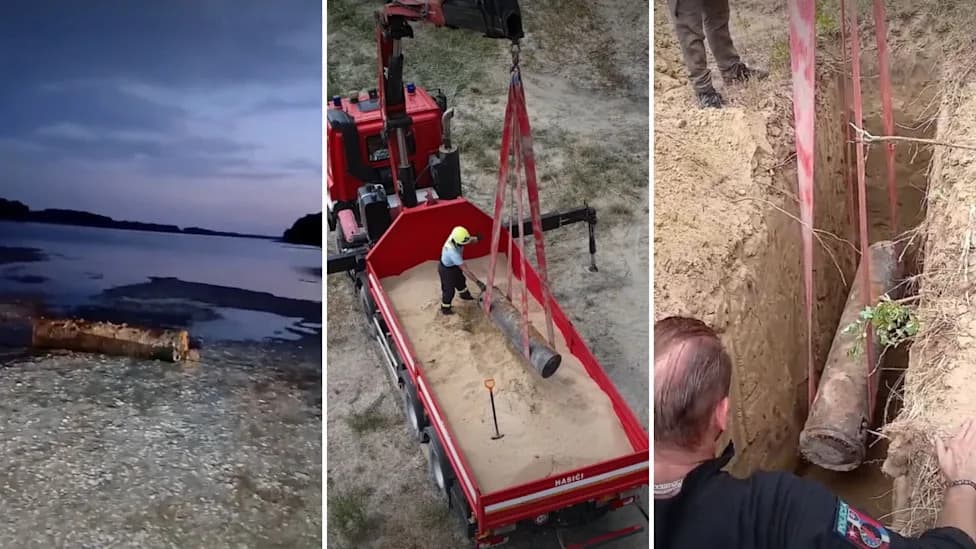
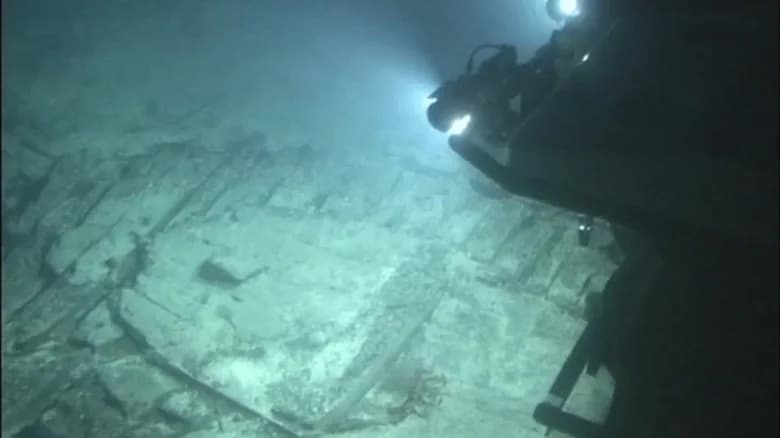
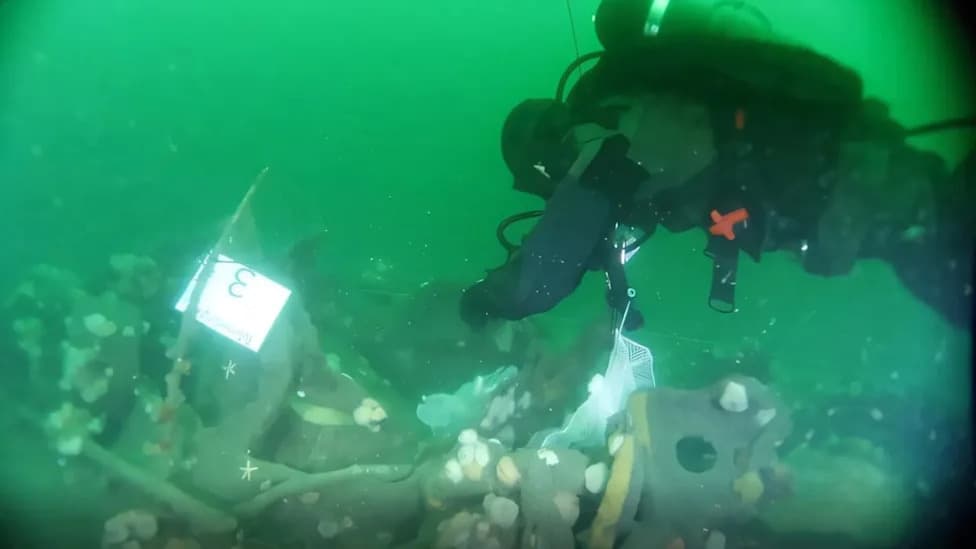
Salvage teams use specialized pumps to clear sediment and mud from hulls, tow recoverable wrecks away, and in some cases bury larger or immovable remains to reopen safer navigation channels. The work is painstaking and potentially hazardous because many hulls may still contain unexploded ordnance or other dangerous materials. Each candidate wreck must be surveyed by divers, a task made harder by the Danube’s murky water and very limited underwater visibility.
While the river’s historic low levels are a worrying sign of climate stress and extreme heat, they have made parts of the salvage operation easier and safer. Officials also argue the cleanup supports broader European Union climate and transport goals by helping enable a modal shift from road to inland waterway freight.
"It is an important project for the Green Agenda, too, as it will facilitate the much-needed shift from road to waterway transport," said Emanuele Giaufret, Serbia’s head delegate to the EU.
The removal project is expected to be slow and methodical: each wreck requires careful inspection, risk mitigation for potential explosives, and coordination between salvage crews, divers, and environmental authorities to minimize ecological impact while restoring safe navigation.
Help us improve.