New sediment-core analyses off Qikiqtaruk (Herschel Island) show much of the organic carbon washed from thawing Arctic permafrost is buried in seafloor sediments rather than converted to greenhouse gases. The Arctic stores about 1.43 trillion tons of permafrost carbon, with another 441 billion US tons in sediments; roughly 0.02 Gt now enters the sea annually and could rise 70%–150% by 2100. Microbial activity converted only about 10% of the input to gases, and the upcoming Arctic Pulse campaign will refine how coastal transport affects decomposition and climate risk.
Study Finds Canada’s Arctic Seafloor Buries Most Carbon Washed From Thawing Permafrost
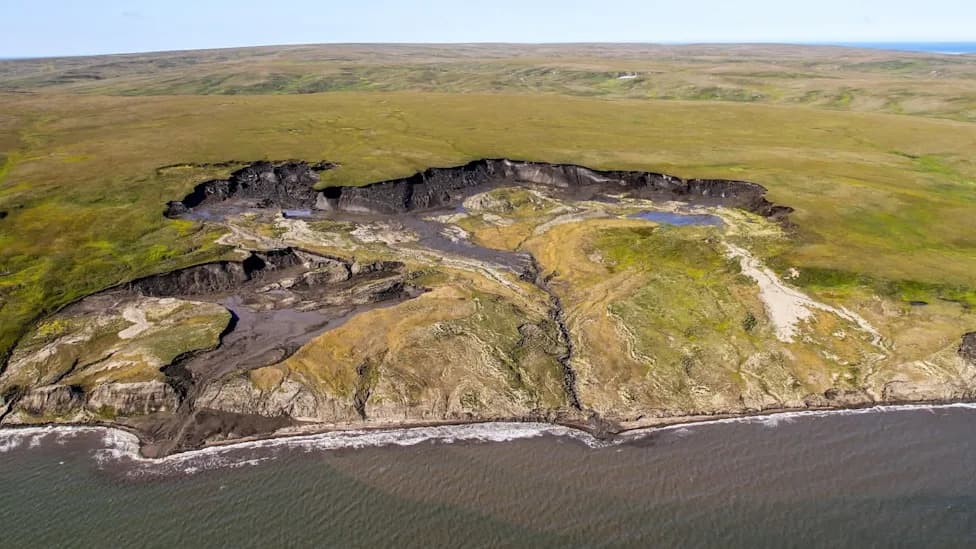
Photo Credit: Alfred-Wegener-Institut / Jaroslav Obu
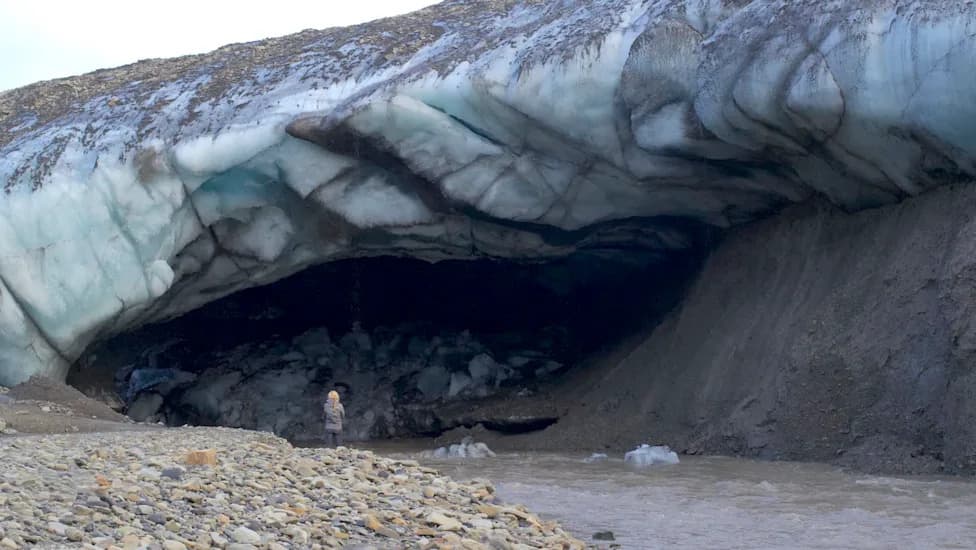
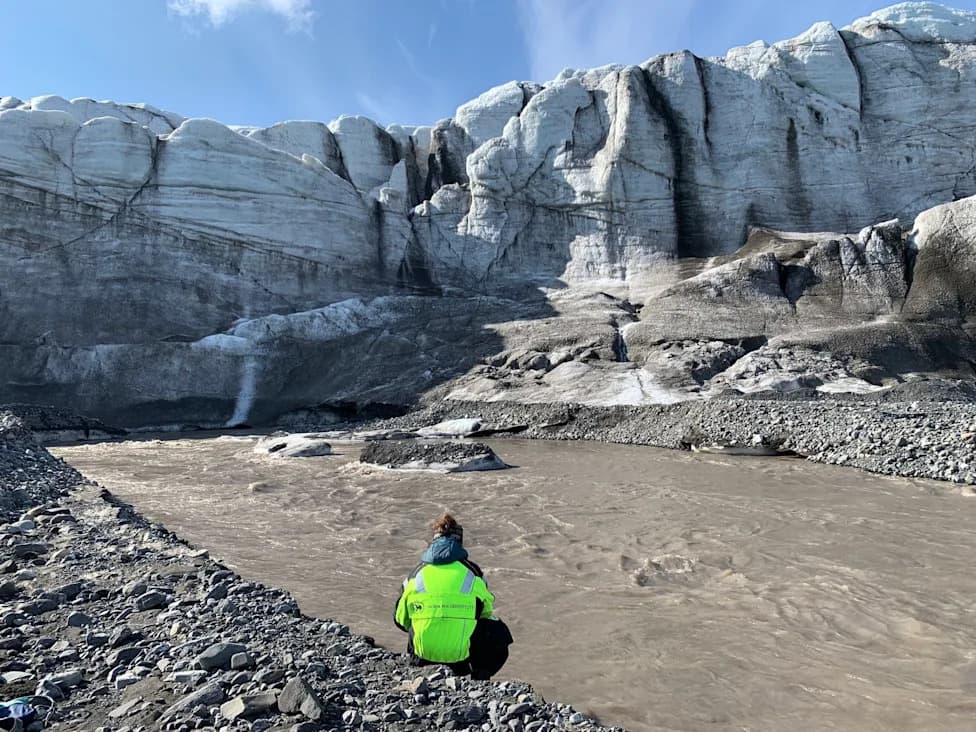
New research off Qikiqtaruk (Herschel Island) suggests that much of the ancient organic carbon mobilized by thawing Arctic permafrost is not immediately released as greenhouse gases but instead becomes preserved in coastal seafloor sediments.
According to a press release describing the findings, Arctic permafrost ecosystems store roughly 1.43 trillion tons (1,300 gigatonnes) of organic carbon from old plant material, and nearby ocean and river-delta sediments hold another 441 billion US tons (400 gigatonnes). As the Arctic warms faster than the global average, thaw and coastal erosion are increasing the flow of that material into the ocean.
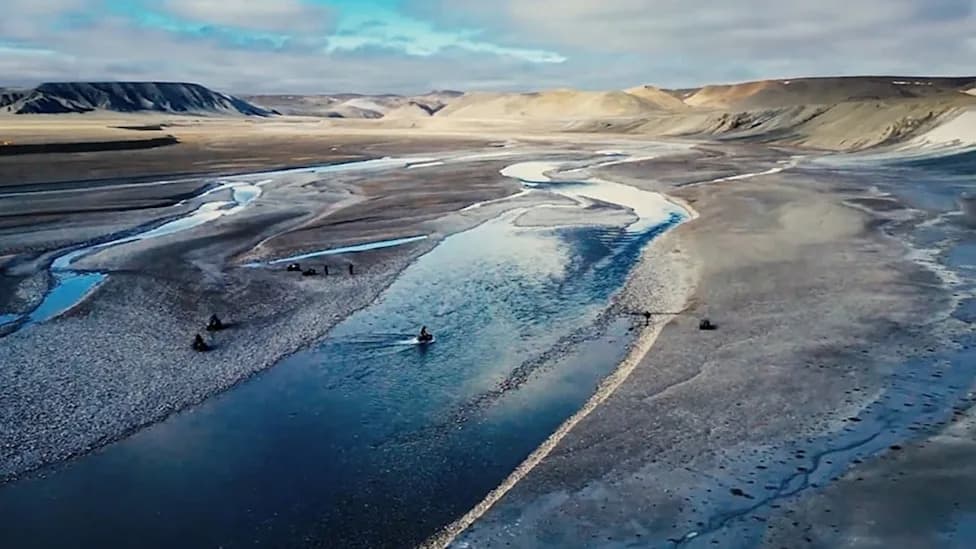
Scientists from the Alfred Wegener Institute and MARUM (University of Bremen) analyzed sediment cores taken off Qikiqtaruk. The cores record about 50 years of deposition from the adjacent coastline and allowed the team to examine how much of the washed-in carbon is broken down by microbes versus buried.
Lead author Dr. Manuel Ruben said the study indicates up to 0.02 gigatonnes of organic carbon are entering the sea each year at the site, and models project that flux could increase by 70% to 150% by 2100 if current trends continue.
Microbes Prefer Fresh Marine Material
The researchers found that microbial activity in seabed sediments converted only about 10% of the washed-in organic carbon into gases that could reach the water column and potentially the atmosphere. The remaining carbon largely remained preserved and was buried in the seabed.
“Carbon isotopes act as tracers that reveal the food sources of microorganisms,” explained geochemist Gesine Mollenhauer of the Alfred Wegener Institute. “Our isotope data show microbes preferentially consume fresher marine inputs — such as algae — over older permafrost-derived carbon.”
The finding suggests coastal seafloor burial could partially buffer the climate impact of permafrost carbon release. However, the team cautions that some ancient carbon may decompose during transport from eroding coasts to the seabed, so the full coastal-to-ocean pathway still needs detailed study.
Next Steps: Arctic Pulse Campaign
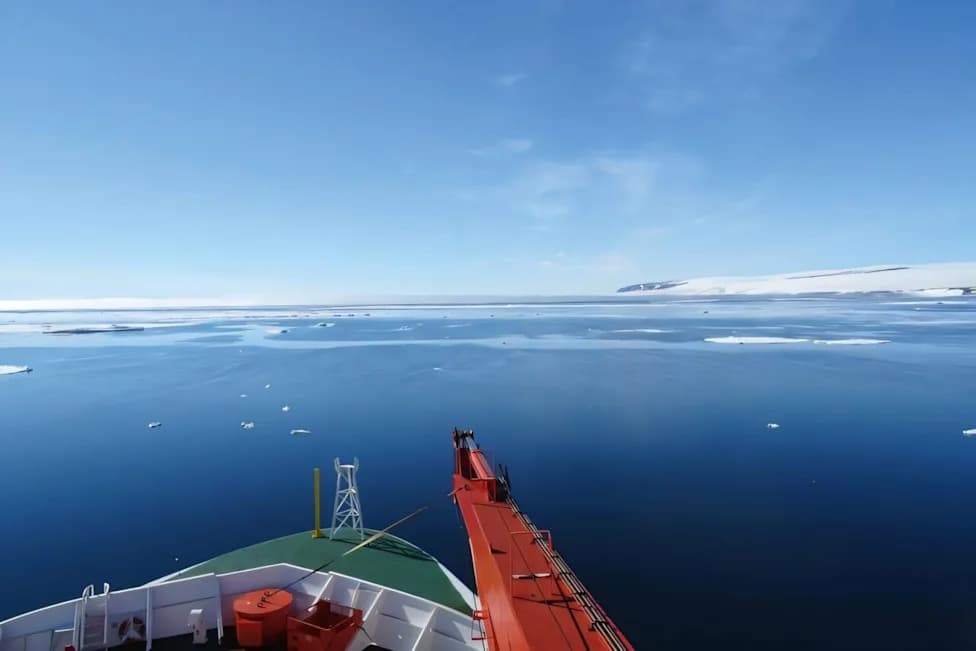
To close those knowledge gaps, the researchers will expand observations through the Arctic Pulse campaign (running through 2027), using the research icebreaker Polarstern, research aircraft and land-based fieldwork to track carbon flows and ecosystem responses across the rapidly changing Arctic.
Better constraints on these processes can improve climate models and inform community planning, fisheries management, and infrastructure decisions for Arctic coastal regions.
“Our study shows, more precisely than ever before, how much carbon is safely stored in the seabed,” Ruben said, noting that the results provide an important foundation for models that predict the climate consequences of permafrost thaw.
Help us improve.