Summary: Leprosy (Hansen's disease) is showing an uptick in Florida, with 17 cases reported as of July 23, 2026; Florida recorded 36 cases in 2025, up from 20 in 2024. Health officials say many recent Southern U.S. cases were not travel-related and are likely linked to contact with nine-banded armadillos. The disease is caused by Mycobacterium leprae, can take years to show symptoms, but is curable with WHO/CDC-recommended multidrug antibiotic therapy when diagnosed early. Avoid handling, skinning, or eating armadillos and seek medical care for unexplained numb skin patches or nerve symptoms.
Leprosy Resurges in Florida: Officials Point to Armadillos as Likely Source

(Dreamstime)
Leprosy (Hansen's Disease) Resurges in Florida; Armadillos Suspected
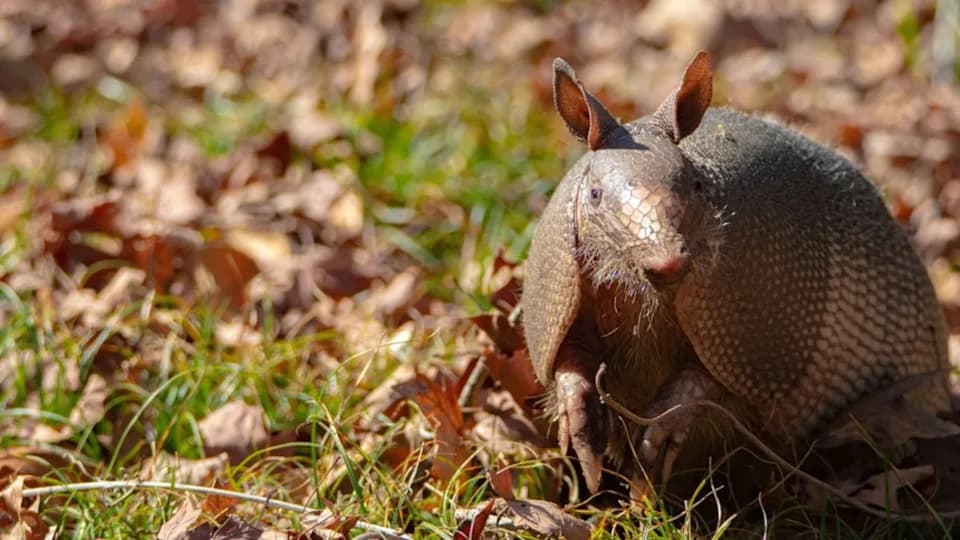
A disease that has afflicted humans for millennia is reappearing in parts of the United States. Health officials in Florida report a rise in cases of leprosy, also called Hansen's disease, and investigators say contact with armadillos — particularly the nine-banded armadillo — is the most likely source for many recent infections.
Recent Case Numbers
As of July 23, 2026, the Florida Department of Health reported 17 confirmed cases statewide so far this year. In 2025 Florida recorded 36 cases, up from 20 in 2024. Of the 174 U.S. cases reported in 2025, more than 20% occurred in Florida, with Central Florida counties such as Brevard, Lake, Orange, Seminole, Sumter and Volusia among areas with multiple cases. Other states have reported isolated incidents as well.
How the Disease Spreads
Leprosy is caused by the bacterium Mycobacterium leprae. In the U.S., most cases historically have been acquired overseas, but the Centers for Disease Control and Prevention (CDC) says many of the Southern cases reported recently were not linked to travel and were most likely acquired from armadillos. Scientists suggest that warming climates and expanding armadillo ranges may be contributing to increased human exposure.
Symptoms, Risk, and Treatment
The infection primarily affects the skin, peripheral nerves, eyes and the lining of the nose. Common signs include pale or reddish skin patches, numbness or loss of sensation in affected areas, muscle weakness (especially in hands or feet), and thickened or painful peripheral nerves. Symptoms can take months — and in some cases up to 20 years — to appear after exposure.
Most people are naturally resistant to infection; the National Hansen's Disease Program estimates roughly 95% of people have natural immunity. Leprosy is not highly contagious and usually requires prolonged, close contact with an untreated person or exposure to an infected animal reservoir.
Importantly, leprosy is treatable and curable. The World Health Organization and CDC recommend multidrug antibiotic regimens (multidrug therapy, MDT) that are highly effective when started early. If untreated, the disease can cause permanent nerve damage, disability, injuries and vision problems.
What Public-Health Officials Recommend
- Avoid direct contact with armadillos: do not handle, skin, or eat them.
- If you notice unexplained numb or discolored skin patches, persistent sores, or new nerve symptoms, seek prompt evaluation from a healthcare provider.
- Public-health authorities encourage clinicians to consider Hansen's disease in patients with compatible symptoms, especially in areas where armadillos are present.
According to CDC estimates cited in reports, up to about 225 people in the United States and roughly 250,000 people globally are affected by Hansen's disease each year. While still uncommon, the uptick in Florida cases has alarmed researchers and underscores the need for surveillance, public education, and prevention measures.
Help us improve.