Volunteers who have been clearing millions of plastic pellets (nurdles) met Port of Tyne representatives after a collision between two vessels damaged containers and released tonnes of pellets into the river and onto beaches. The port says salvage work to remove a collapsed crane delayed containment, but has since recovered containers holding "several tonnes of nurdles" and agreed to work with volunteers. Campaigners and local officials criticised the initial response and warn of harm to seabirds and coastal wildlife. An open letter from campaigners urged faster, more effective action.
Volunteers Meet Port of Tyne Chief After Massive Nurdle Spill as Calls For Faster Cleanup Grow
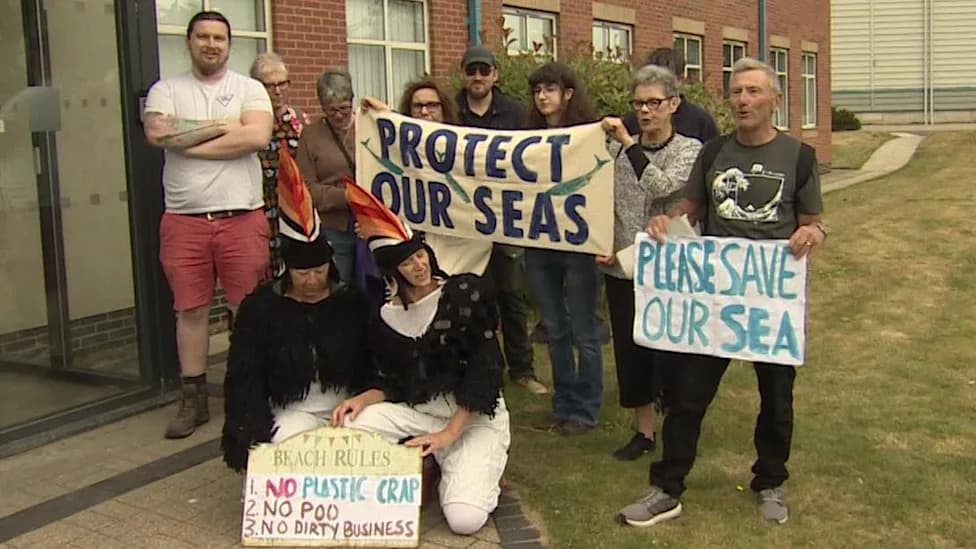
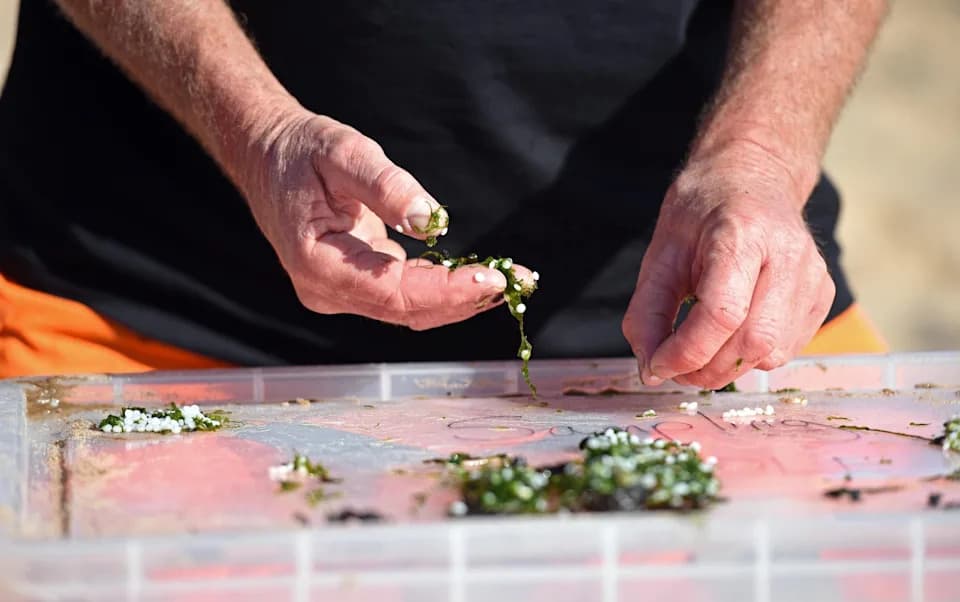
Campaigners helping to clean beaches after a major spillage of plastic pellets met Port of Tyne representatives [BBC]
Volunteers who have been cleaning up millions of tiny plastic pellets, known as nurdles, met representatives from the Port of Tyne to press for faster and more effective action after a collision between two vessels released tonnes of pellets into the river and onto north-east beaches.
What Happened
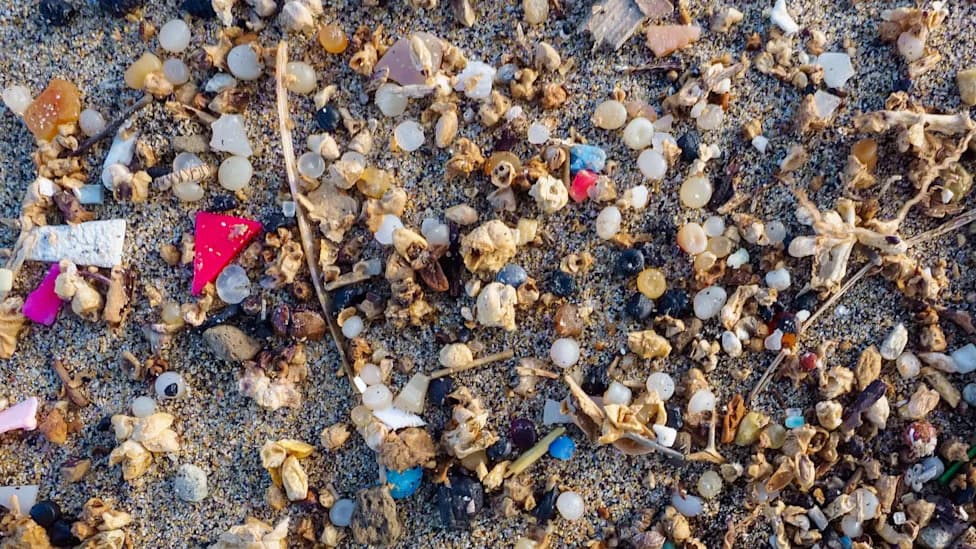
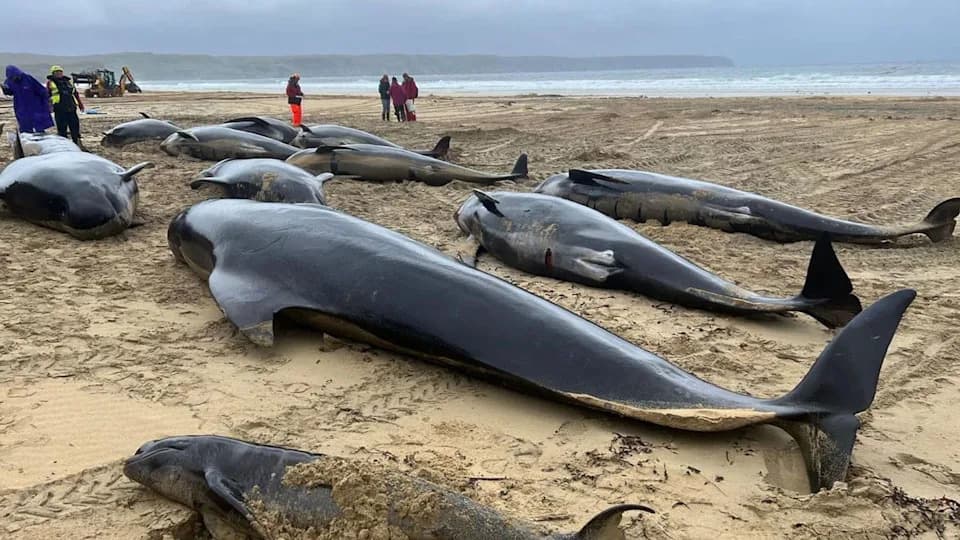
Two ships collided at the Port of Tyne, damaging shipping containers and causing nurdles — pre-production plastic pellets used in manufacturing — to spill into the water. The pellets washed up on beaches across the region and were carried into the North Sea.
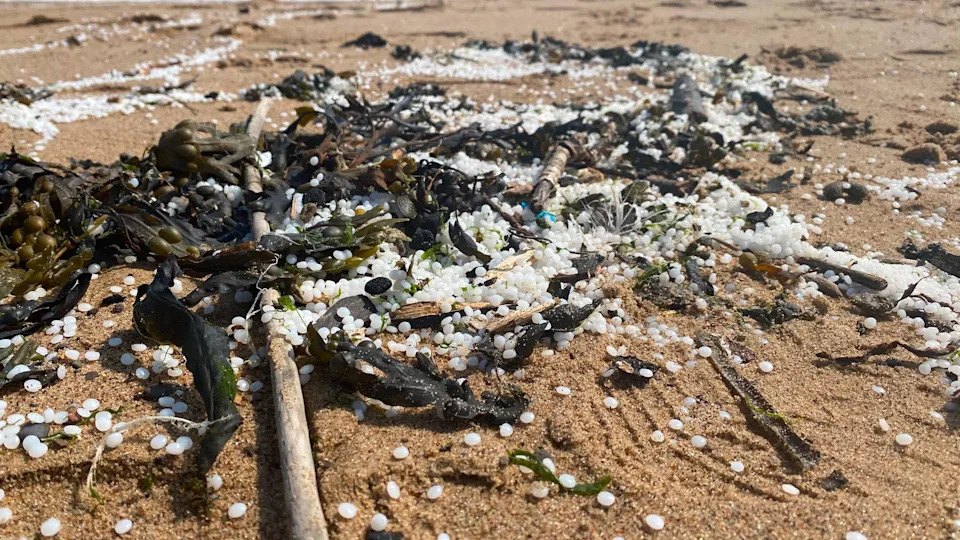
Tonnes of plastic pellets were released into the North Sea after a ship collision at the Port of Tyne [Fidra]
Why Response Was Delayed
The port says its initial priority was a salvage operation to remove a collapsed crane and to move one of the ships involved, work it says was required before teams could safely recover damaged containers. Once the crane was removed and the vessel repositioned, crews recovered containers that still contained "several tonnes of nurdles" that risked further leakage.
Community Reaction
Local officials and campaigners have criticised the delay. Mayor Kim McGuinness said the port did not act quickly enough to contain the spill. South Tyneside Nurdle Clean Up campaigner Colin Porter warned that insufficient action in the river could allow nurdles to keep escaping into the sea.
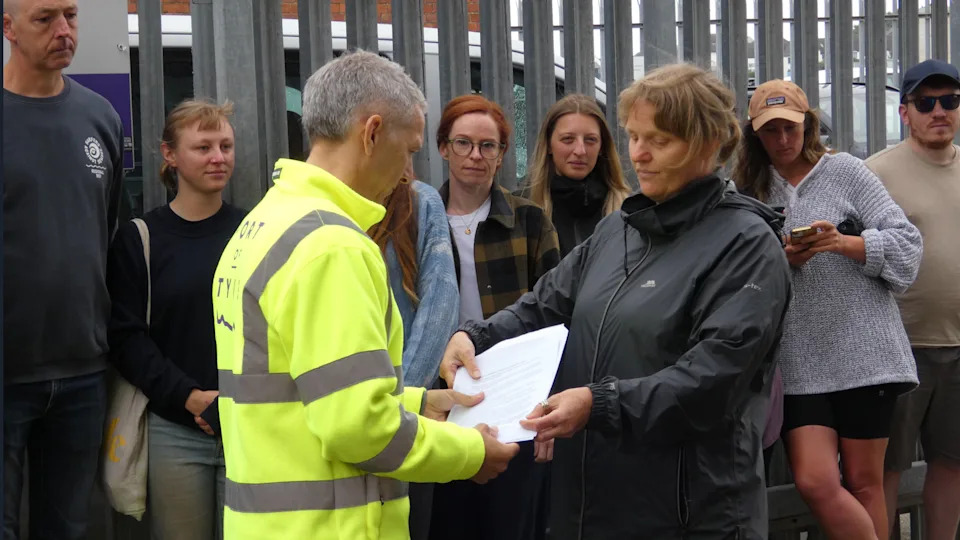
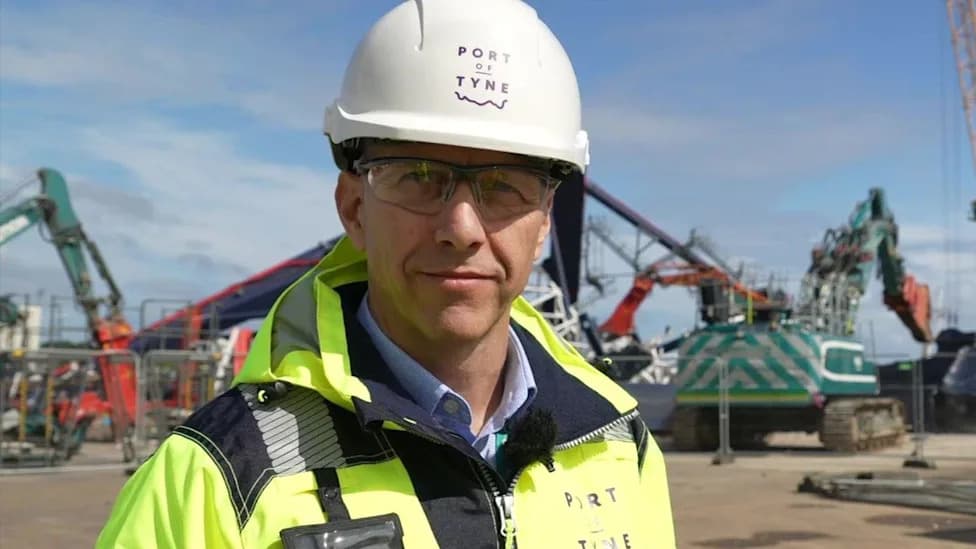
Campaigners handed an open letter to port chief executive Matt Beeton [Port of Tyne]
"We don't think there's been enough done in the river to stop these nurdles going out to sea - the clean up so far has been inadequate." — Colin Porter
Local resident Sunny Moon-Schott described the community response as "heartening" but added: "We shouldn't have to do this. This is negligence and it's so disappointing, the Port of Tyne response was too delayed and now we've got people out with kitchen sieves trying to solve the problem themselves." County Durham campaigner Rachael Kurtz, who has taken part in beach actions, said: "The Port of Tyne are doing nothing and our wildlife and beaches are suffering. I may be dressed as a puffin, but I am furious."
Port Response And Next Steps
Port of Tyne chief executive Matt Beeton said the meeting allowed staff and volunteers to raise concerns and requests directly. He said the port will "work in conversation with volunteers who will play a major role in deciding what we do and how we do it," and that the session strengthened relationships as they plan joint action.
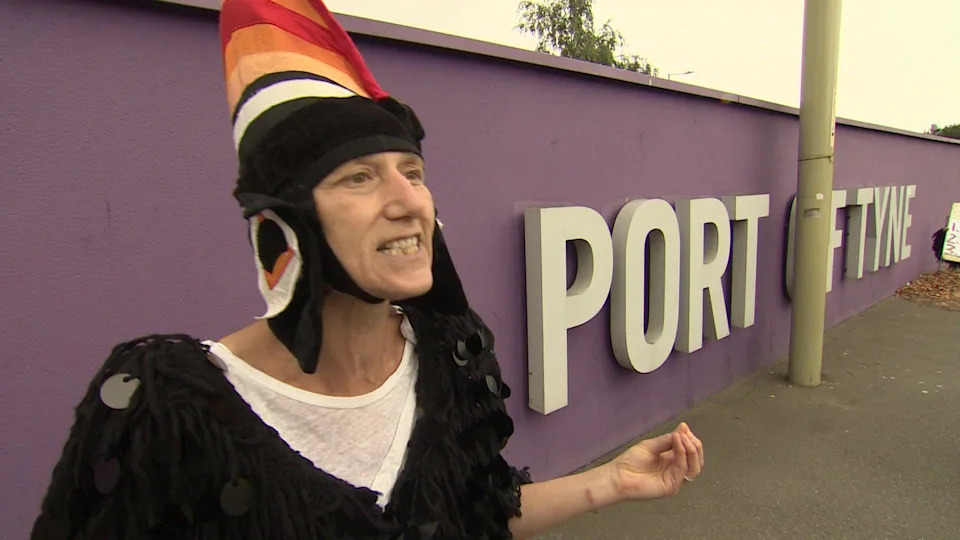
Campaigner Rachael Kurtz said she was "furious" about the port's response in the days after the spillage [BBC]
Campaigners handed an open letter to Matt Beeton demanding quicker containment and more robust measures to protect shorelines and wildlife. Volunteers and local groups say they will continue collecting nurdles on beaches while pressing for coordinated containment efforts in the river and estuary.
Environmental risk: Conservation groups warn that seabirds and other marine animals mistake nurdles for fish eggs, ingest them, and suffer health impacts — making rapid and thorough cleanup a priority.
What to watch for next: plans for volunteer-led beach clearance, port-led containment in the river, and any formal remediation commitments or timelines from the Port of Tyne.
Help us improve.