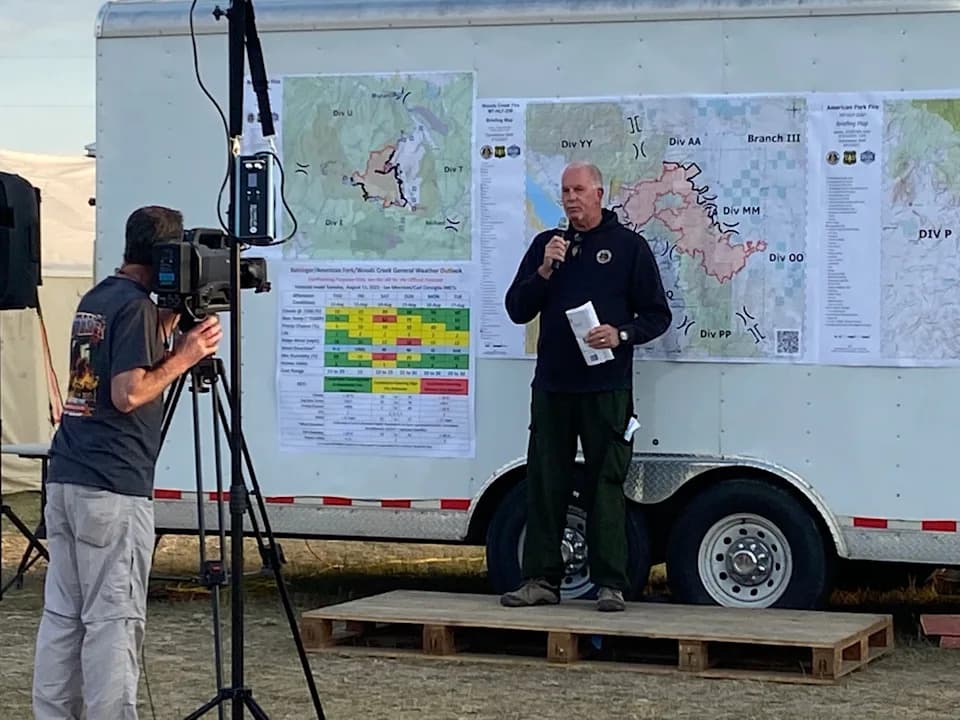
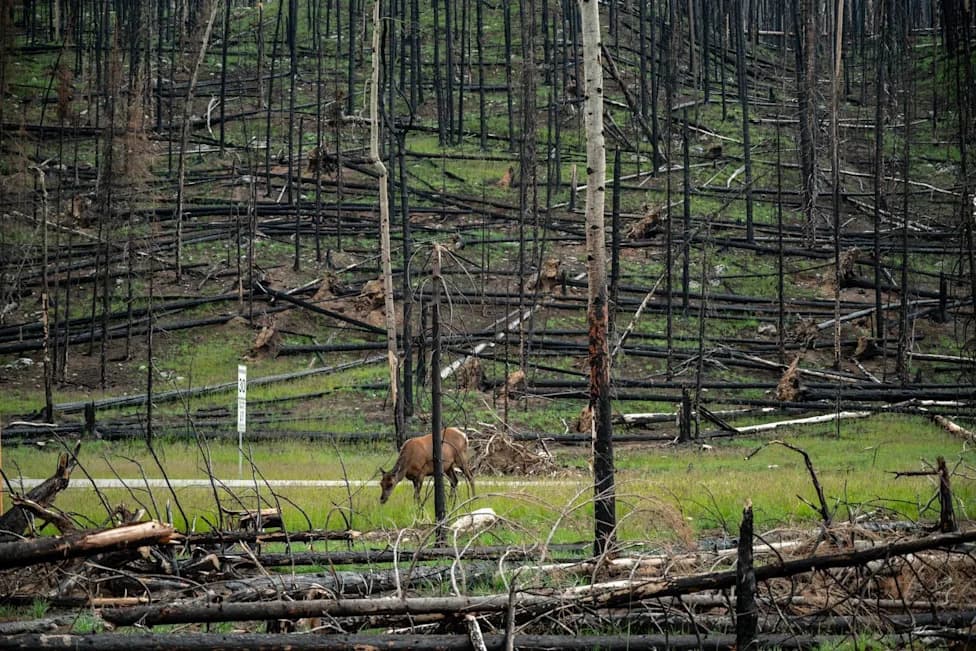
From the 1871 Peshtigo fire to recent disasters in Paradise (2018) and Lahaina (2023), U.S. towns and cities have long faced deadly wildfire threats. This summer Europe saw roughly 330,000 people displaced by blazes, and the U.S. has experienced significant fires like the Old Trails Fire near Spokane and the January 2025 Los Angeles fires. The pattern highlights how extreme weather, increasingly linked to climate change, elevates wildfire risk in populated areas and underscores the need for better planning and preparedness.
It's Happened Before: A History of Wildfires' Deadliest Toll on U.S. Cities
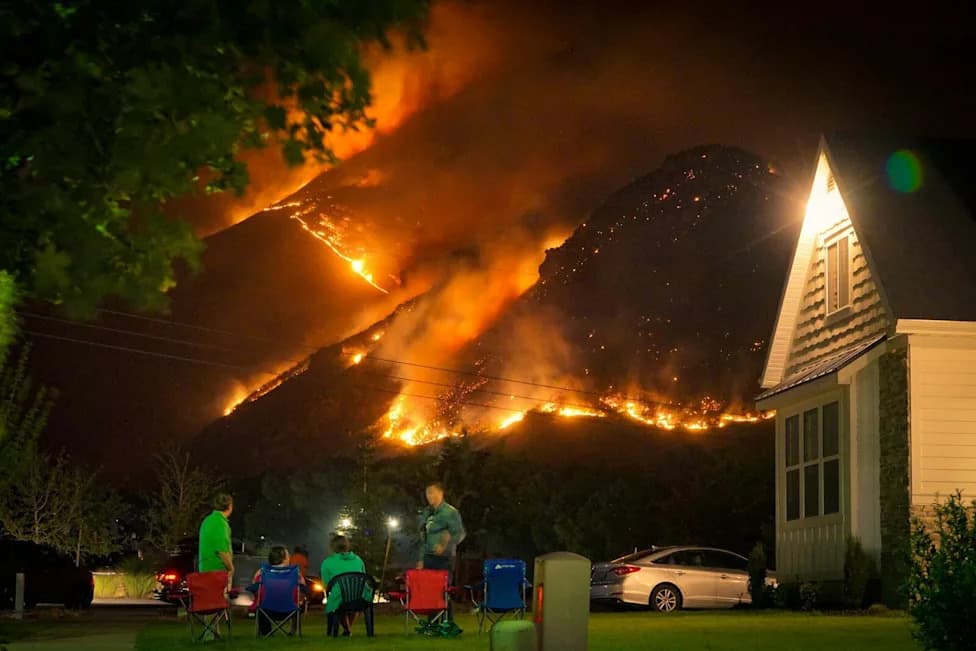
Photo by Mike Newbry on Unsplash
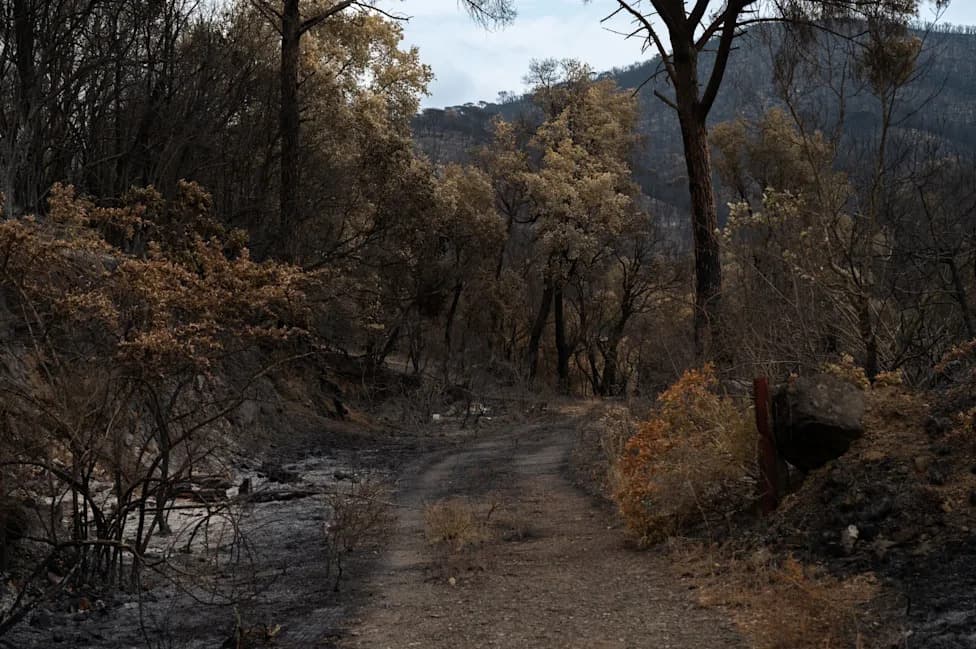
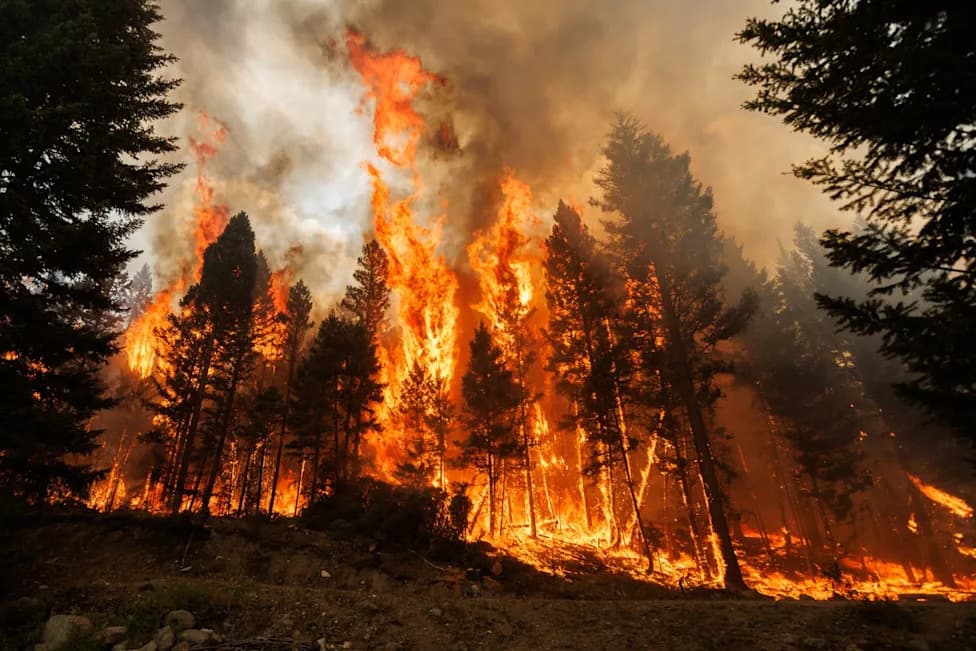
This summer's extreme wildfires in Europe have forced roughly 330,000 people to flee their homes, and scientists say the unusually intense heat and drought are made more likely by human-caused climate change. The United States has seen similar, though smaller-scale, threats this season: new blazes near Spokane and other regions have threatened communities, destroyed property, and prompted large evacuations.
Recent U.S. Incidents
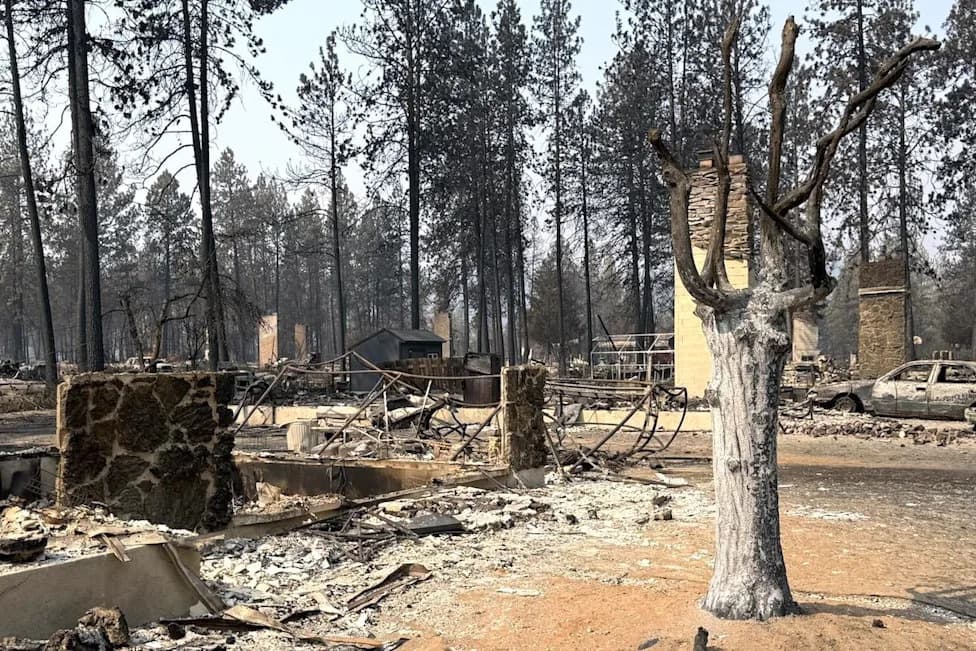
The Old Trails Fire near Spokane, driven by extreme fire-weather conditions, burned nearly 3,000 acres and threatened about 4,000 buildings, according to Washington State Forester George Geissler and reporting from CTV News. In January 2025, a cluster of 10 fires around the Los Angeles area forced more than 180,000 people to evacuate and produced estimated damages near $100 billion.
Historic U.S. Urban Wildfires
Many of America’s deadliest urban conflagrations happened more than a century ago, but recent events show the danger persists when extreme weather, ignitions, and dense development coincide.
Peshtigo, Wisconsin (1871)
On October 8, 1871, the Peshtigo Fire produced a firestorm that destroyed the town and killed more than 1,100 people; it remains the deadliest U.S. wildfire on record.
Great Michigan Fires — Holland, Manistee, Port Huron (1871)
Fires that swept parts of Michigan and Wisconsin in 1871 devastated Holland and Manistee and caused widespread destruction in Port Huron. NOAA and the National Weather Service record hundreds of fatalities across the affected towns.
Hinckley, Minnesota (1894)
The Great Hinckley Fire consumed large parts of Hinckley after two separate blazes converged, leveling the town and killing many residents.
Phillips, Wisconsin (1894)
Contemporary accounts described dramatic phenomena — fire whirls and flaming balls — as structures ignited at great distances during the 1894 fires that struck Phillips and surrounding areas.
Photo byPublicDomainPicturesonPixabay
Marion, North Carolina (1894)
A major fire swept Marion in the early hours of November 25, 1894, destroying much of the downtown area, according to local histories.
Cloquet, Minnesota (1918)
A blaze reportedly sparked by a passing railroad destroyed large portions of Cloquet in 1918.
Santa Rosa, California (2017)
The Tubbs Fire, part of the Sonoma Complex, devastated Santa Rosa. City records indicate the Sonoma Complex killed 24 people, forced roughly 100,000 countywide evacuations, and destroyed more than 5,300 homes.
Paradise, California (2018)
The Camp Fire nearly destroyed Paradise in Butte County. The California Air Resources Board reports it was the deadliest wildfire in state history, killing at least 85 people and destroying nearly 19,000 buildings.
Lahaina, Hawaii (2023)
A fast-moving wildfire consumed Lahaina's historic district, killing more than 100 people and destroying much of the town. The disaster prompted renewed calls for urban fire-prevention planning and tailored emergency-response strategies.
Sources and Context
This list and its details were compiled by Climatecrisis247 from sources including the National Interagency Fire Center, the National Fire Protection Association, Britannica, PBS, NOAA, the U.S. Fire Administration, and contemporary media reporting. Assessing the exact share of each city damaged required judgment and synthesis of multiple records.
Why This Matters
These events show that urban and town centers are vulnerable when extreme weather, human ignition sources, and flammable landscapes intersect. Rising temperatures and changing precipitation patterns increase the risk window and intensity of wildfires, making planning, resilient building practices, early-warning systems, and evacuation preparedness critical to reduce future loss of life and property.
Help us improve.