The summer's wildfires in southern Europe have been fuelled not only by hotter, drier weather but by decades of rural land abandonment. As pastures revert to dense shrubs and monoculture forests, communities face faster, more intense blazes. Experts urge prevention—mixed forests, tree thinning, grazing, firebreaks and rural investment—over sole reliance on expensive firefighting. Yet many warn that without tackling climate change and repopulating rural areas, these measures may be insufficient.
Vanishing Villages Turn Europe’s Countryside Into Fuel for Wildfires
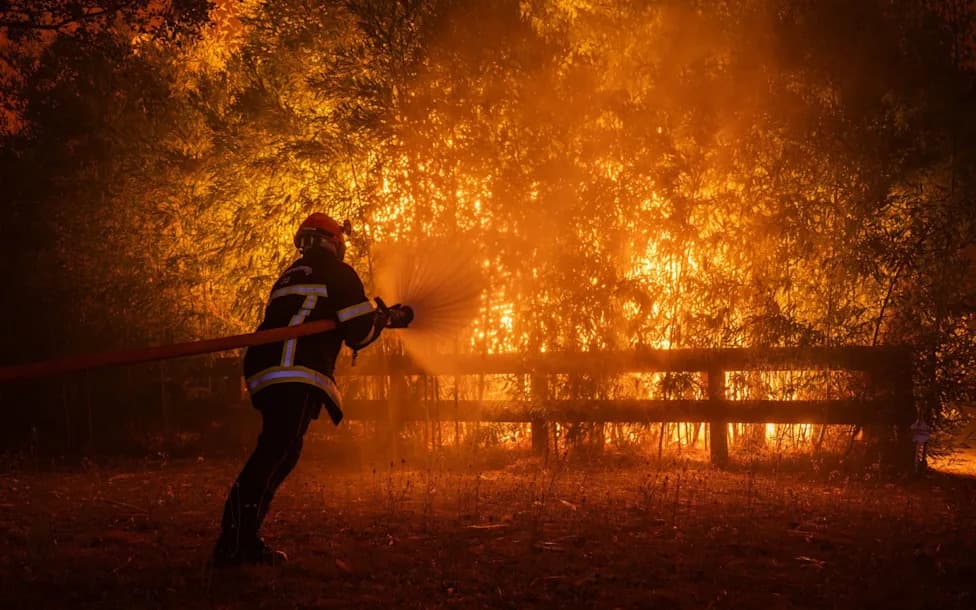
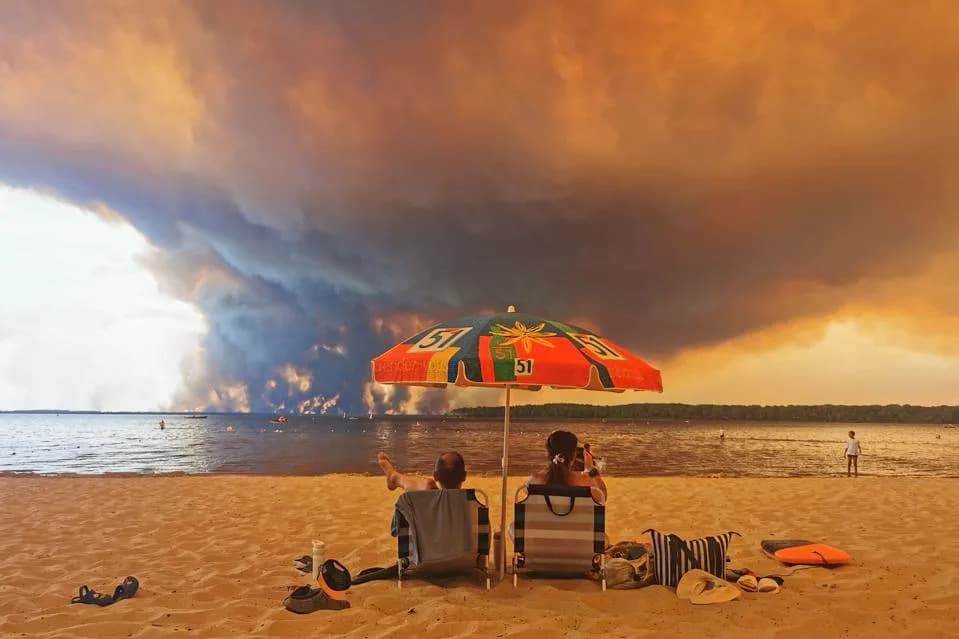
Wildfires have consumed more than 400,000 hectares of land in Europe so far this summer - DAMIEN REMBERT/HANDOUT/EPA/Shutterstock
The wildfires sweeping southern Europe this summer have exposed a dangerous two‑fold problem: hotter, drier conditions driven by climate change, and the steady abandonment of rural farmland that leaves towns ringed by unmaintained, highly flammable vegetation.
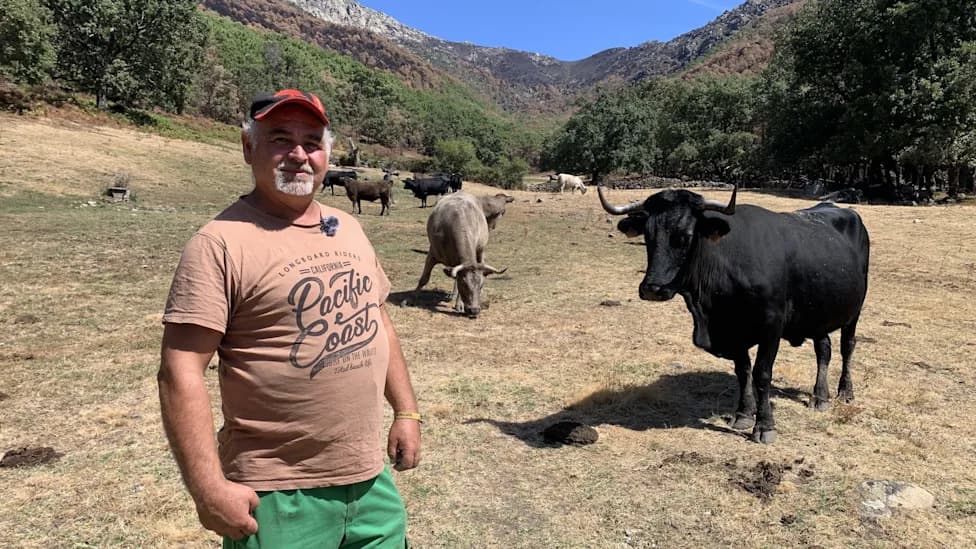
For five days, 67‑year‑old former goat herder Julián Piracés watched flames consume the rolling hills around his home in the Cinco Villas area of Zaragoza, Spain. He described the landscape as a "tinderbox": without grazing animals to keep grasses and shrubs down, slopes accumulated vast amounts of fuel.
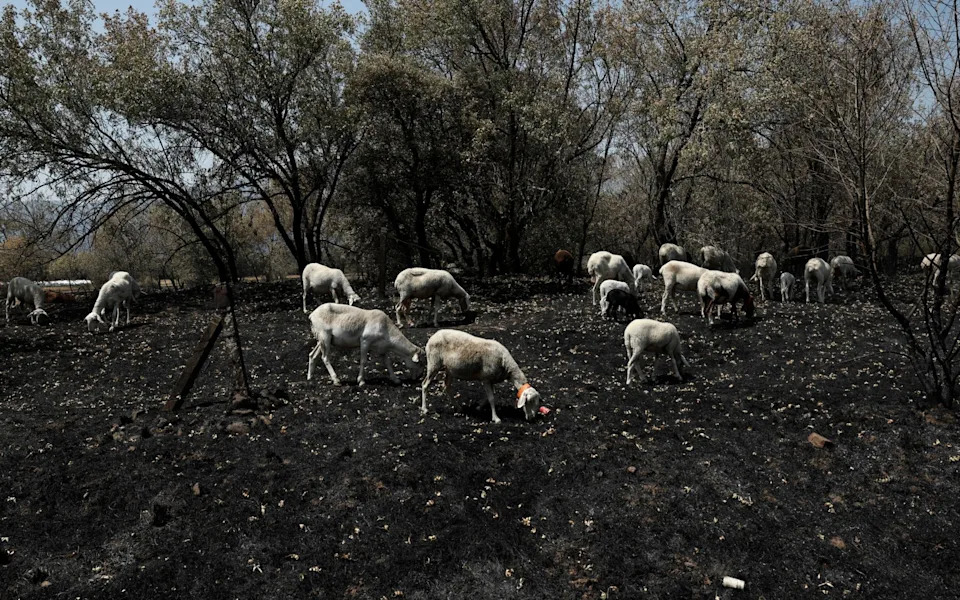
Sheep left to scavenge on a scorched pasture near Piedralaves, 100km west of Madrid - OSCAR DEL POZO/AFP
"We have seen plenty of near misses but this year, unfortunately, conditions were perfect for a major fire; the amount of fuel on the hillsides, very high temperatures and winds that gusted up to 50mph. Any spark would be like throwing a lit match into a barrel of oil."
Why Fires Are Growing
Climate change has made heatwaves more intense: June temperatures this year were more than 3°C above the 1991–2020 June average, a rise experts say can increase fire risk dramatically. Dr Thomas Smith, an environmental geographer at the London School of Economics, describes an "explosion" in fire activity and a shift toward larger, faster‑moving blazes.
Land abandonment compounds the danger. As generations of farmers retire and children move to cities, pastures and ploughed fields revert to dense shrubs and young trees. That low, continuous vegetation provides ideal tinder—producing faster, higher‑intensity fires that are harder to control.
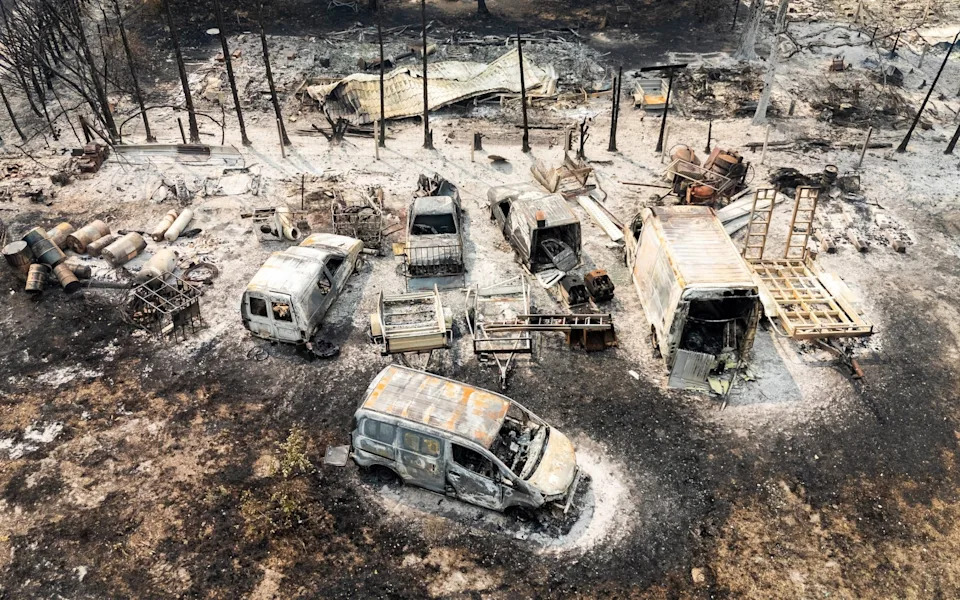
The burnt-out remains of cars caught in a wildfire at Le Porge, in the Gironde department, south-western France - FLORIAN PLAUCHEUR/AFP
Between them, Spain and France have lost millions of hectares of cultivated and pastoral land over recent decades. France's number of active farms has fallen from roughly 1.6 million in 1970 to about 400,000 today; studies estimate Spain may have lost up to 3 million hectares of agricultural and pastoral landscape.
Landscape And Forest Management Failures
In parts of southwest France—particularly Gironde and Landes—closely planted pine monocultures with dry needles and narrow spacing helped flames race through forests and nearby farmland. Authorities reported some 240 homes destroyed in those regions. Experts point out that natural, species‑diverse forests with greater spacing are less prone to catastrophic crown or canopy fires.
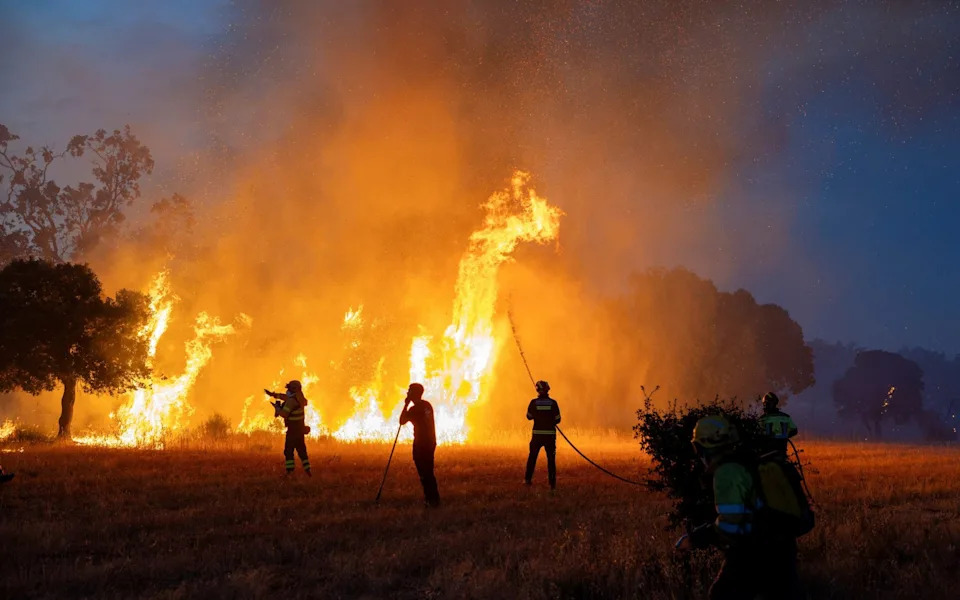
Residents and firefighters work to extinguish an advancing wildfire near Formariz in Zamora province, Spain - Umit Bektas/REUTERS
Sandy soils that retain little moisture also speed drying of surface fuels, while the sheer volume of flammable growth after abandonment increases the likelihood of extreme, fast‑moving incidents.
Prevention Over Suppression
Responders and experts argue that investing heavily in emergency responses—water bombers and last‑resort suppression—cannot replace preventive land and forest management. Spain currently spends nearly four times as much fighting fires as it does on measures to address root causes and prevention.
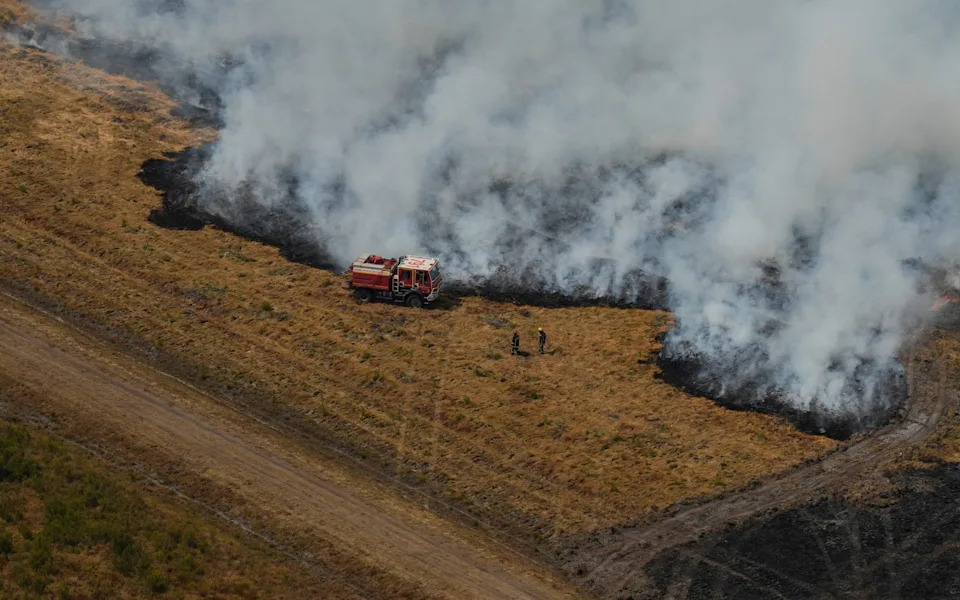
A blaze tears through a field near Ares in south-west France - BAZ RATNER/AFP
Lower‑cost, high‑impact prevention measures include:
- Planting mixed‑species woodlands instead of dense monocultures
- Increasing spacing between trees and thinning overly dense stands
- Restoring grazing (sheep, goats) to reduce grassy and shrubby fuels
- Creating strategic firebreaks, cleared ditches, and controlled fuel mosaics
- Using prescribed burns and managed grazing where safe and appropriate
French President Emmanuel Macron has pledged to plant a "different kind of forest" with greater diversity to better withstand warming climates. Many experts also stress that long‑term solutions require social and economic policies that support rural livelihoods and reward land stewardship.
Voices From The Countryside
Mr Piracés says a wider rethink of rural management is essential: "We have a climate problem and we have a problem with the state of our rural environment. The solution has to come from the whole society: more people living in the countryside and recognition and reward for the work we do here. Otherwise, we are going to lose the countryside, lose most of our forests to fire and be left with nothing."
Experts caution, however, that mitigation on the ground will be limited unless global warming is curbed. As Dr Smith notes, improving land management can reduce risk and damage, but it will be harder to keep pace if temperatures and drought frequency continue to climb.
Help us improve.