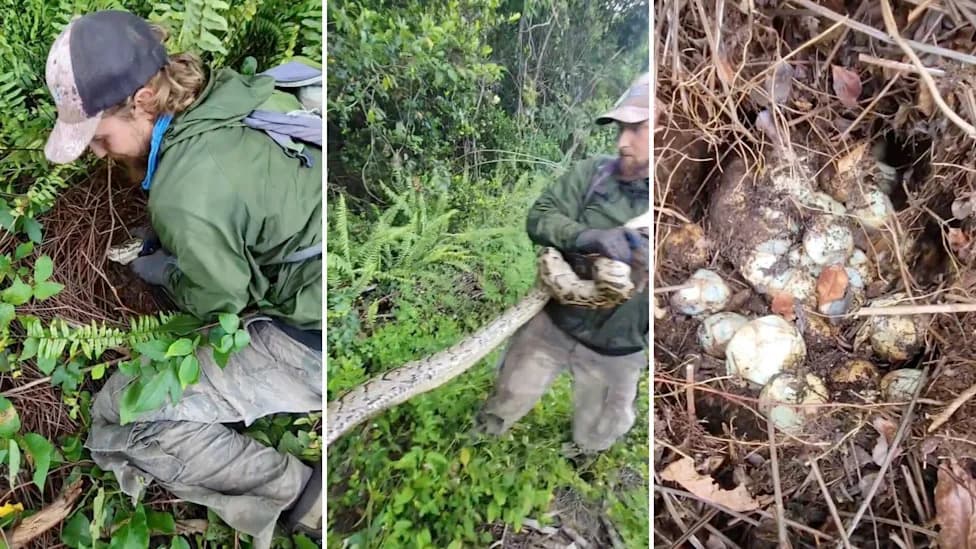
Florida researchers implanted radio transmitters in male Burmese pythons and followed them during breeding season to find large, reproductive females. By targeting these high-impact individuals, teams removed a record 8,080 pounds of snakes in six months, captured 177 wild pythons and removed over 3,500 developing eggs. While not an immediate cure, the strategy reduces future population growth and helps protect native wildlife and Everglades ecosystems.
Florida Biologists Track Male Pythons to Snare Breeding Females — 8,080 Pounds Removed in Six Months
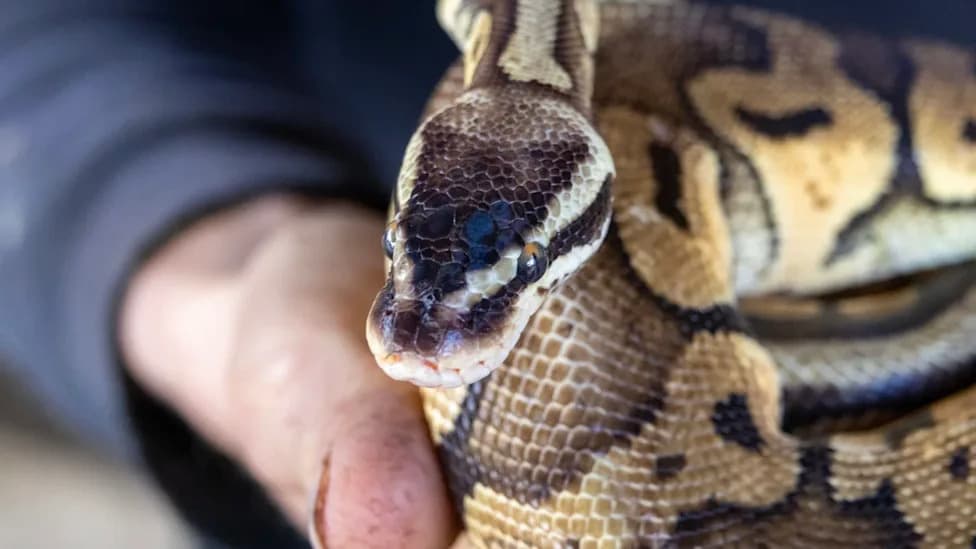
Photo Credit: iStock
Florida wildlife researchers have turned a key strength of the invasive Burmese python into a vulnerability, removing a record 8,080 pounds (~3,666 kg) of snakes in six months by exploiting the animals' mating behavior.
How The Strategy Works
Conservation biologists implant small radio transmitters into male pythons before the breeding season. As those males search for mates, researchers follow their signals to locate large, reproductive females—individuals that can carry up to 100 developing egg follicles. Tracking males is far more reliable than searching marshes, mangroves and dense brush by chance.
Impact And Results
By targeting breeding females, teams can disproportionately reduce future population growth: removing a single mature female can prevent dozens of hatchlings from entering the ecosystem. This season, the effort led to the capture of 177 wild pythons and the removal of more than 3,500 developing eggs, alongside the 8,080 pounds of snakes.
Why It Matters
Burmese pythons are nonnative predators in South Florida that prey on birds, mammals and reptiles, worsening declines already driven by habitat loss and other stresses. These declines ripple through wetland ecosystems that provide critical services—storm buffering, fisheries habitat, and recreation—that support local economies and quality of life.
Limits And Outlook
Targeted removal programs are unlikely to eradicate invasive pythons quickly, but strategic, seasonally timed efforts can reduce damage and buy time for recovery of native wildlife. Using the snakes' natural behavior to guide removals represents a cost-effective and scalable complement to other control measures.
Bottom line: Radio-tracking male pythons to find and remove high-impact breeding females is producing measurable reductions in reproductive capacity and helping protect Everglades ecosystems.
Help us improve.