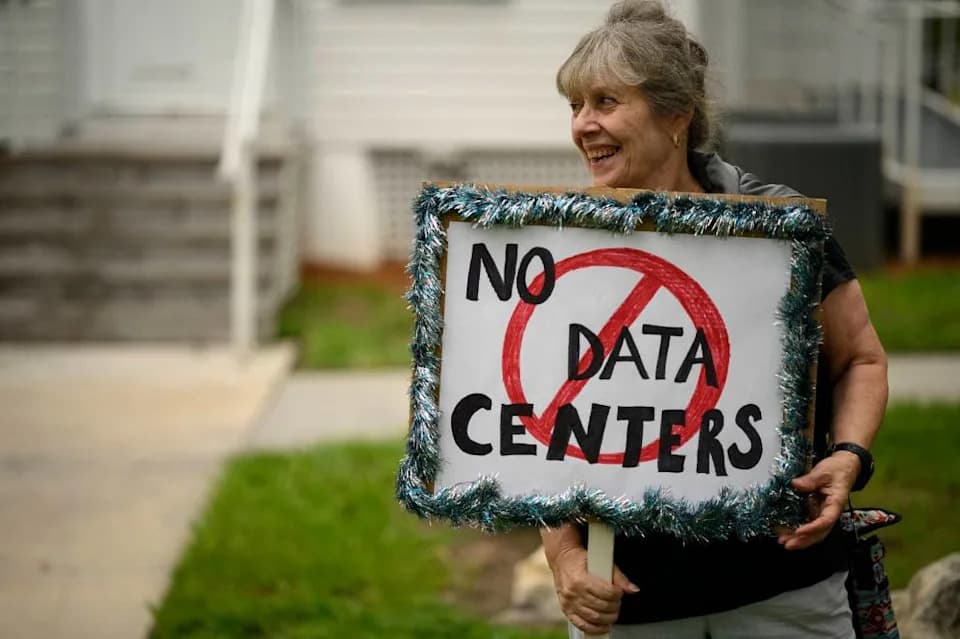
New York has paused unapproved data center proposals above 50 megawatts while the state develops rules to address long-term impacts, including end-of-life cleanup and community protections. Governor Kathy Hochul is weighing limits on tax incentives, electricity-use rules, and decommissioning bonds to ensure towns aren't left with abandoned facilities. The moratorium covers large projects such as the proposed 500-megawatt, $19.5 billion Stream U.S. development in Genesee County, which has drawn both local support and concerns about power and water demands.
New York Pauses Mega Data Centers While Hochul Seeks Rules To Prevent Abandoned-Site Fallout

Photo Credit: Getty Images
New York state has temporarily paused unapproved, large-scale data center proposals so regulators can evaluate their long-term impacts rather than rely on industry promises. The moratorium applies to proposed projects above 50 megawatts; smaller facilities may continue through the approval process.
Why the Pause?
Officials say the pause will give the state time to answer practical questions about energy, water, infrastructure strain, and — crucially — what happens when a facility reaches end of life. Governor Kathy Hochul told a roundtable in Henrietta that the state is drafting a framework that looks beyond construction and operation to include decommissioning and long-term community protections.
"Right now, we're in a phase where this seems like the only answer," Hochul said. "But I also ask the question, when the technology does change and data centers become obsolete, who's cleaning up the mess?"
Policy Options Under Consideration
- Limits on Tax Incentives: Reduce or reshape public subsidies for large facilities that may produce few long-term local jobs.
- Electricity Rules: Cap consumption, require developers to generate some or all power onsite, or charge higher rates for grid use.
- Decommissioning Bonds: Require financial guarantees so communities are not left paying to clean up or demolish obsolete sites.
Case Study: Genesee County
A focal point of the debate is the proposed Stream U.S. Data Centers project in Genesee County: a planned 500-megawatt, $19.5 billion development that has been described as one of the largest projects under consideration in the state. Because it still requires permits, it is covered by the moratorium.
Supporters, including Genesee County Legislature Chairperson Christian Yunker, say the site already has infrastructure, and developers plan a closed-loop water system to limit demand and wastewater while pledging investments in the local electric grid. Local leaders argue the project could bring significant investment to the region.
Critics point to practical concerns: Monroe County Executive Adam Bello warns that data centers could grow from roughly 6% of county grid demand to more than 20% by 2035 if left unchecked — a shift that could raise utility costs and threaten reliability. Water consumption, noise, and the limited number of durable local jobs produced by data centers are also cited as major concerns.
Genesee County faces additional urgency because a municipal water shortage has already slowed growth; estimated water-system upgrades are between $500 million and $600 million. Hochul has urged regulators to use the moratorium to reassess the Stream project's scale, promised benefits, and any tax breaks.
What’s Next
The state is collecting input from communities across New York as it crafts permanent rules to give localities more leverage over benefits, energy demands, and developer accountability. The moratorium is intended to provide breathing room for thoughtful policy rather than an immediate halt to all data center investment.
Help us improve.