Senate Bill 1301 would require California insurers to state specific reasons when they decline to renew homeowners policies and, if the problem is fixable, grant homeowners a 90-day window to correct it before cancellation. Supporters say the change would help consumers address issues like aging roofs or combustible brush and avoid last-minute, costly insurance searches. Insurers warn about disclosure burdens and operational impacts, and lawmakers are still negotiating amendments—such as whether to provide community risk maps. Stanford research cited in coverage highlights market strain: premiums rose 84% since 2020 and average deductibles climbed significantly.
California Bill Would Force Insurers to Explain Nonrenewals — Homeowners Would Get 90 Days to Fix Issues

Photo Credit: iStock
California homeowners who receive a nonrenewal notice could soon get clearer explanations and, in many cases, time to correct the problem before their insurance ends under Senate Bill 1301.
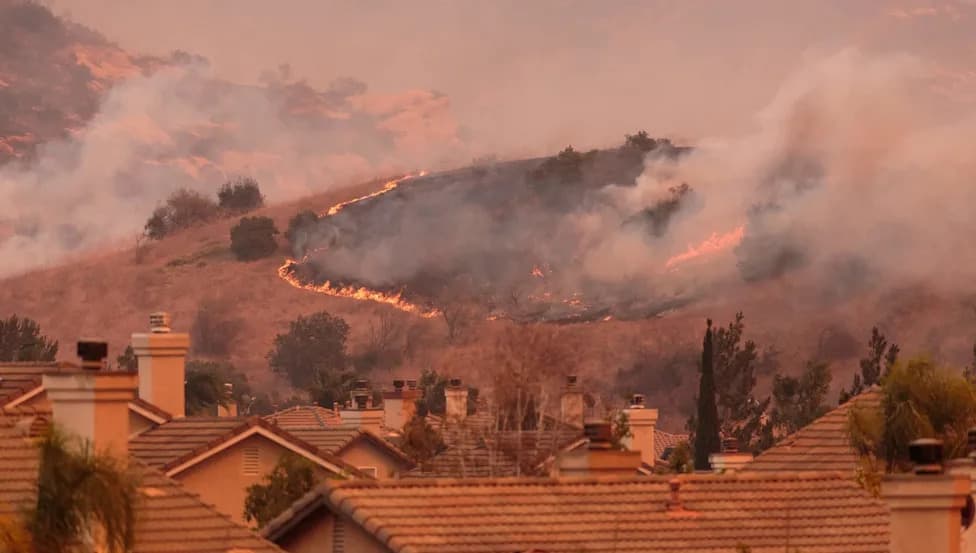
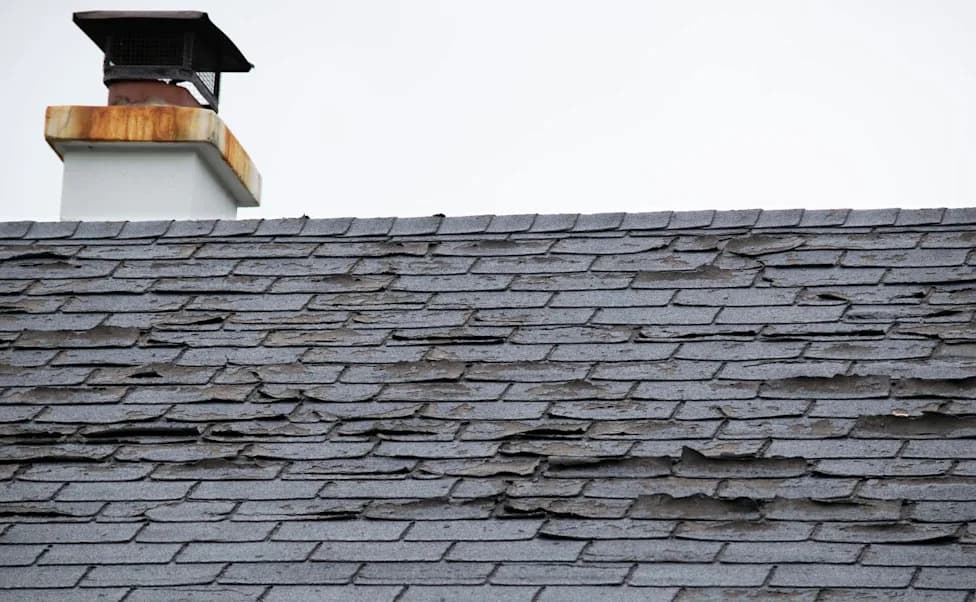
Authored by state Sen. Ben Allen (D-El Segundo) and reported by the Tahoe Daily Tribune, SB 1301 would require insurers to specify the reason behind a decision not to renew a homeowners policy. Common examples insurers cite today include properties located in high fire-risk zones or an aging roof that raises the likelihood of a claim.
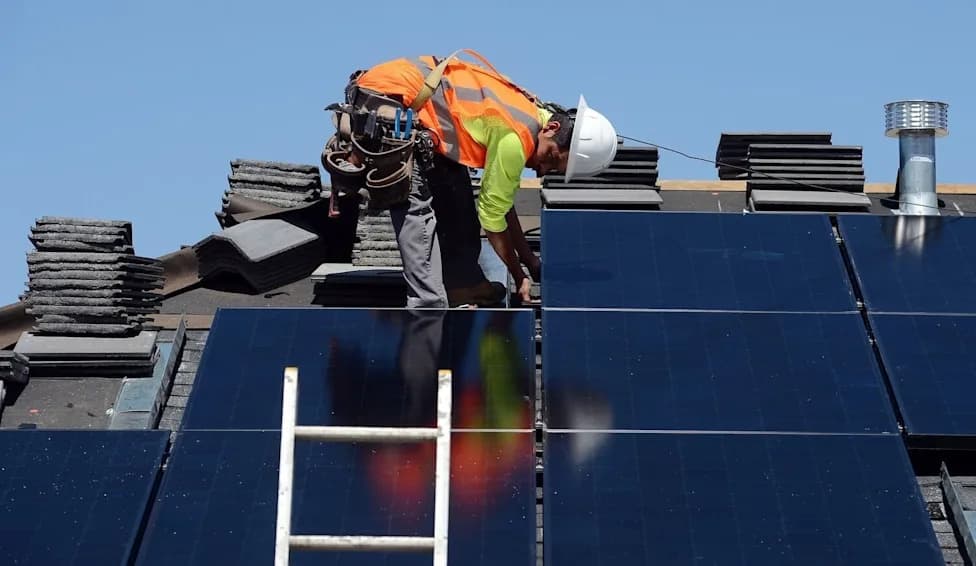
90-Day Fix Period. When the cited issue is reasonably fixable—such as replacing an old roof, repairing storm damage, or clearing hazardous brush—insurers would have to give homeowners 90 days to make repairs or upgrades before the cancellation takes effect.
Supporters say clearer explanations and a repair window are especially important in California's unsettled home-insurance market. "Consumers often have little information about the reason for the nonrenewal, and have no path to correcting a problem before their policy gets cancelled," Carmen Balber, executive director of nonprofit Consumer Watchdog, told The Center Square.
Industry groups have pushed back, though recent amendments to the bill appear to have reduced some opposition. Insurers worry about how much detail they would be required to disclose and how new disclosure rules might affect underwriting and policy retention.
For many households, losing homeowners insurance is more than a paperwork nuisance: it can make protecting a major asset harder and force families to seek more expensive alternatives at short notice. That pressure has been building across the state.
Research by Stanford University, published in June and cited by The Center Square, found that home insurance premiums in California rose 84% since 2020—a jump that affected properties both near and far from fire zones. The study also reported that seven of the state’s 10 largest home insurers either reduced or stopped issuing new homeowners policies in California, while average deductibles increased from $1,813 to $2,553 between late 2020 and March 2026.
Balber noted that some nonrenewals stem from wildfire exposure—an issue homeowners cannot readily remedy without relocating. "You can't really change that," she said. Still, earlier notice and a repair window could give homeowners time to shop for alternatives rather than being pushed into last-minute decisions in an already strained market.
Ongoing Negotiations. Lawmakers and stakeholders continue to discuss potential amendments, including whether insurers should provide community risk maps showing nearby properties with similar risk factors. "The truth on this is that we don't necessarily have those maps, and when we do, they're proprietary, so we're kind of working on that," Mark Sektnan, vice president of the American Property Casualty Insurance Association, told The Center Square.
At its core, SB 1301 aims to make nonrenewal notices genuinely useful: to explain why coverage is ending and, when feasible, give homeowners a reasonable chance to fix problems and retain coverage. If the cause cannot be remedied—such as a property's location in or adjacent to a fire-prone area—earlier notice would at least give residents more time to find other insurance options.
Help us improve.