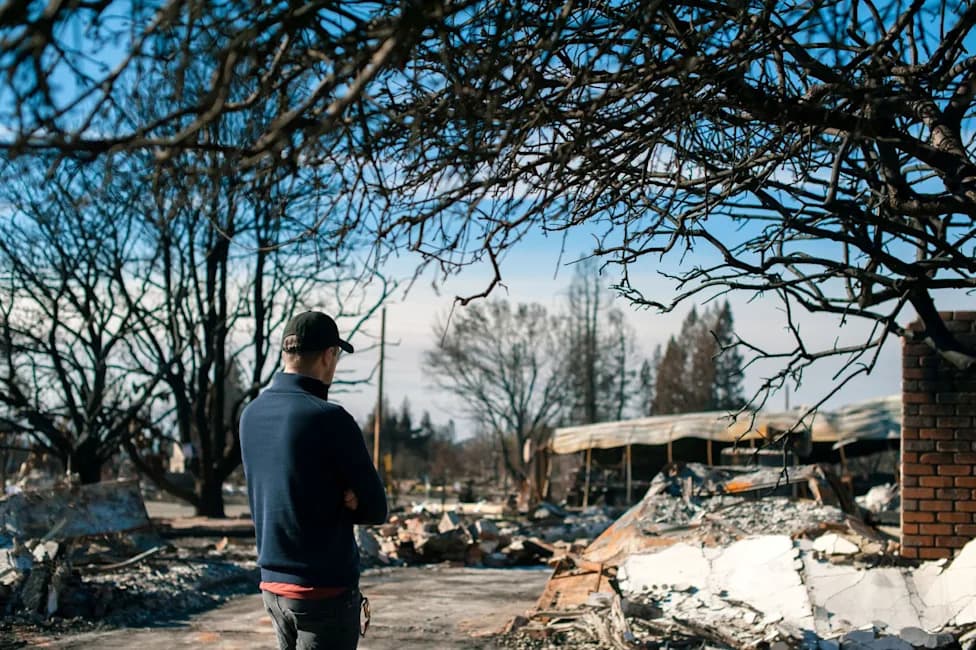
California's FAIR Plan will raise average homeowner premiums by 29.1% effective Oct. 15, affecting more than 675,000 policyholders. The FAIR Plan serves homeowners unable to secure private-market coverage; those in the highest wildfire-risk areas may face larger hikes. Stanford researchers report homeowner premiums have climbed about 84% since 2020 and FAIR Plan enrollment has nearly tripled. Homeowners should compare private-market options, consult local brokers, and prepare for higher annual costs.
California FAIR Plan to Raise Home Premiums 29.1% on Average; 675,000+ Policyholders Affected

Photo Credit: iStock
The California FAIR Plan announced an average statewide rate increase of 29.1%, effective Oct. 15, a change that will affect more than 675,000 policyholders when their policies renew on or after that date.
What This Means
The FAIR Plan provides last-resort coverage for homeowners who cannot find insurance on the private market, so its pricing and enrollment shifts matter most in wildfire-prone communities. While 29.1% is the statewide average, actual changes for individual homes will vary based on location, construction, and wildfire risk — and households in the highest-risk zones could face larger hikes.
Context and Trends
Stanford researchers cited by local outlets found that homeowners insurance premiums in California have risen roughly 84% since 2020, and FAIR Plan enrollment has nearly tripled over the same period (from under 2% of homes to about 5%). As major carriers retreated from wildfire-exposed policies, regulators and observers warned that shifting large numbers of policies into the FAIR Plan increases its exposure and raises concerns about longer-term market stability.
“When we came here, originally there were options and then one by one they began disappearing,” said resident Don Mead, describing how available private-market policies have thinned in some areas.
FOX 26 reported one FAIR Plan policyholder currently pays about $9,000 annually; a 29.1% increase on that bill would add roughly $2,600 to yearly costs for that household.
State Action And Market Response
California regulators have moved to encourage insurers to write more policies in wildfire-prone areas, and the state's Sustainable Insurance Strategy has helped some carriers re-enter parts of the market. Local reporting notes that companies including Mercury, State Farm, and Allstate have begun writing policies in certain wildfire counties under the state's program. Still, other outlets have warned that funneling large numbers of homeowners into the FAIR Plan risks creating unsustainable exposure for the program.
Practical Steps For Homeowners
- Review your renewal notice early and compare the FAIR Plan increase to any private-market offers before your renewal date.
- Contact local insurance brokers who understand wildfire risk in your area — they may know of available private policies or alternatives.
- Compare coverage limits, deductibles (including wildfire-specific deductibles), and exclusions — cheaper premiums may mean less coverage.
- Consider risk-reduction measures (defensible space, fire-resistant materials) that can sometimes lower premiums or improve eligibility.
- Budget for possible large increases and explore state or local assistance resources if you expect difficulty affording insurance.
Bottom line: The FAIR Plan increase is another indicator of how wildfire risk is reshaping home-insurance pricing in California. Homeowners should check options now, talk with brokers, and prepare for potentially significant increases when their policies renew.
Help us improve.