Virginia rejoined the Regional Greenhouse Gas Initiative on July 1, returning to a multistate carbon allowance market that puts a price on power-plant emissions. Utilities may add roughly $13 per month to residential bills to cover allowance costs, but most revenue is redirected by the state to refunds and efficiency programs. A VCU study estimates homes that receive RGGI-funded upgrades could save about $676 per year, and a recent budget amendment will send 45% of program revenue back as direct refunds to households and small businesses.
Virginia Rejoins RGGI: New $13 Monthly Charge Could Be Offset By Efficiency Refunds

Photo Credit: iStock
On July 1, Virginia officially returned to the Regional Greenhouse Gas Initiative (RGGI) after more than two years out, restoring its place in the multistate carbon allowance market shared with 11 Northeastern states.
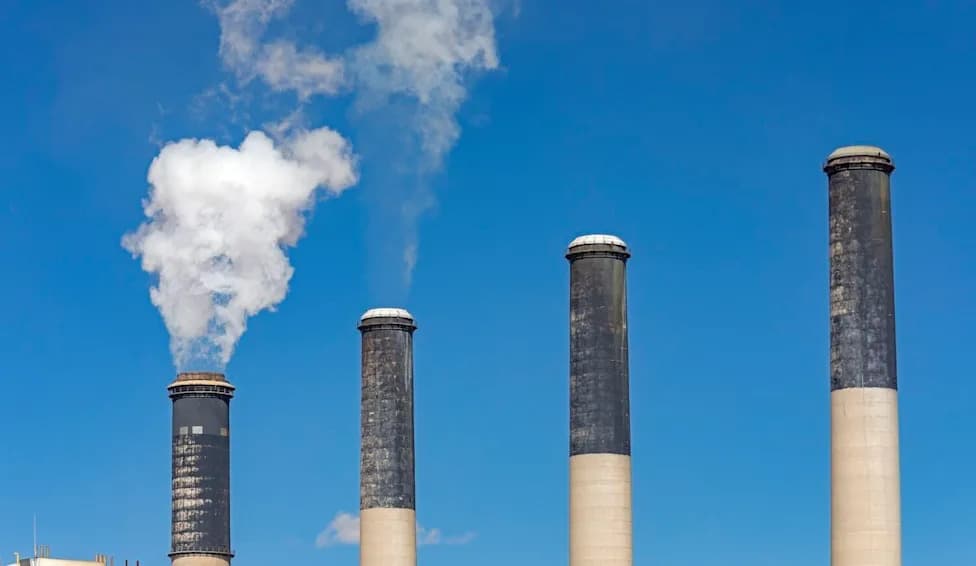
RGGI requires power plants to buy allowances for each ton of carbon dioxide they emit, which creates a measurable price signal on emissions. In Virginia, utilities such as Dominion Energy and Appalachian Power are permitted to pass the cost of those allowances through to customers as a line-item on electric bills.
How Much Will Bills Change?
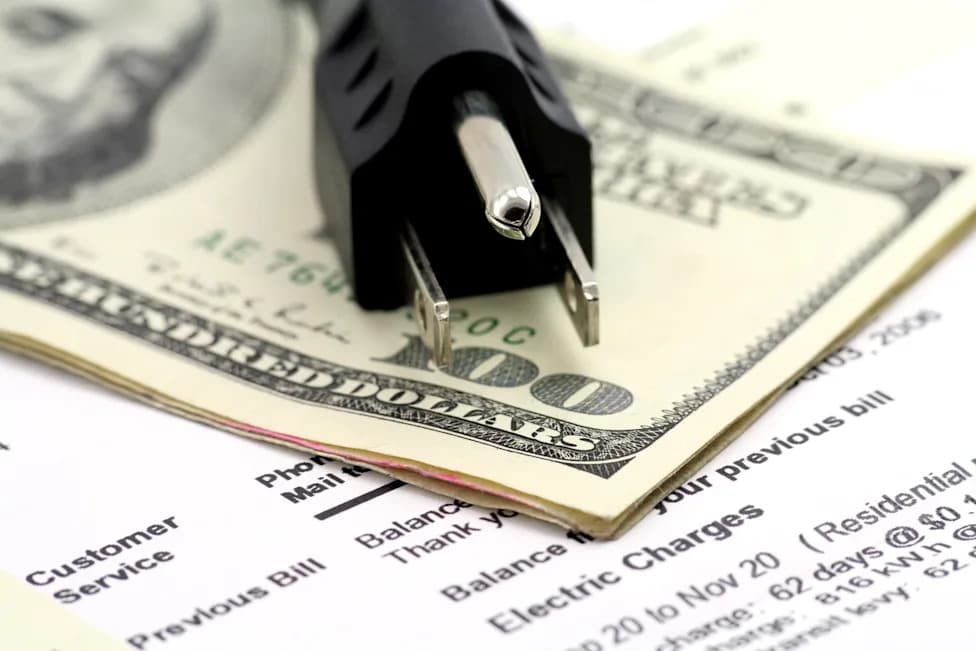
A typical residential account saw a modest RGGI-related charge of about $2.39 per month in 2022. That visible line-item is now projected to rise to roughly $13 per month per residential account — a change that has driven much of the public attention and concern.
Where The Money Goes
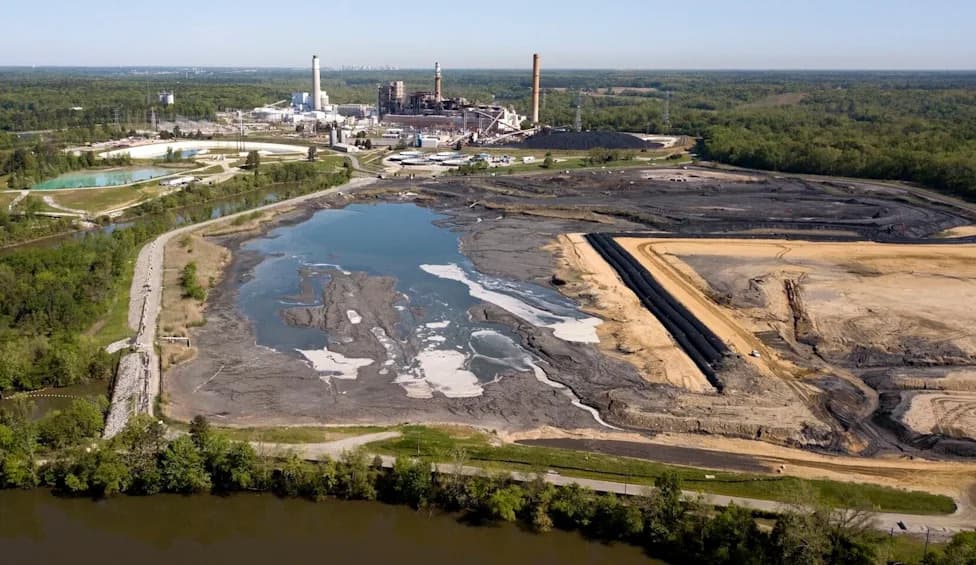
Allowance-sale revenue does not stay with utilities. The proceeds are returned to the state and allocated according to state priorities. Historically, roughly half of Virginia’s RGGI funds supported energy-efficiency programs that help households reduce electricity use and long-term bills.
To address concerns about immediate bill impacts, the state amended its budget to direct 45% of RGGI revenue back to households and small businesses as refunds. The remaining funds can continue to support efficiency upgrades and other programs designed to lower energy use over time.
Will Households Come Out Ahead?
Supporters argue that the right mix of refunds and efficiency investments can make families better off overall. A Virginia Commonwealth University study found that households receiving RGGI-funded energy upgrades could save about $676 per year on energy costs — an amount that could more than offset the new monthly allowance charge for many homes.
“Instead of having greater costs, residential and small commercial ratepayers will actually have their total electricity bill go down,” one expert told Inside Climate News.
Placing a price on carbon also creates an incentive for electricity producers to operate more cleanly and efficiently, which can reduce pollution and fossil-fuel dependence over time. The central policy question remains whether Virginia’s approach can cut emissions without increasing total costs for families.
What To Watch: How quickly refunds reach customers, how effectively efficiency programs are scaled and whether long-term savings materialize for lower- and middle-income households will determine whether the policy is perceived as fair and successful.
Help us improve.