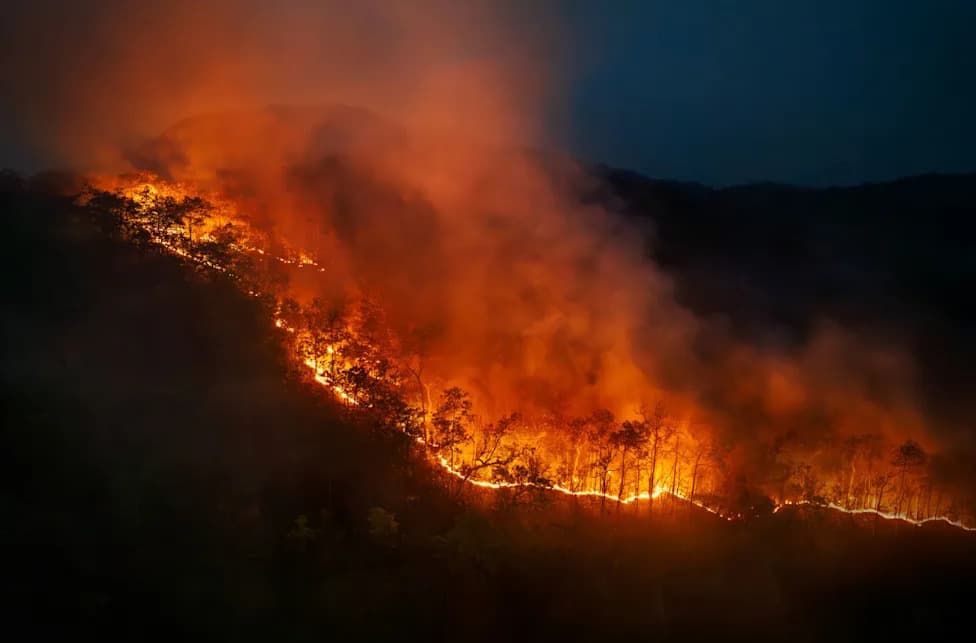
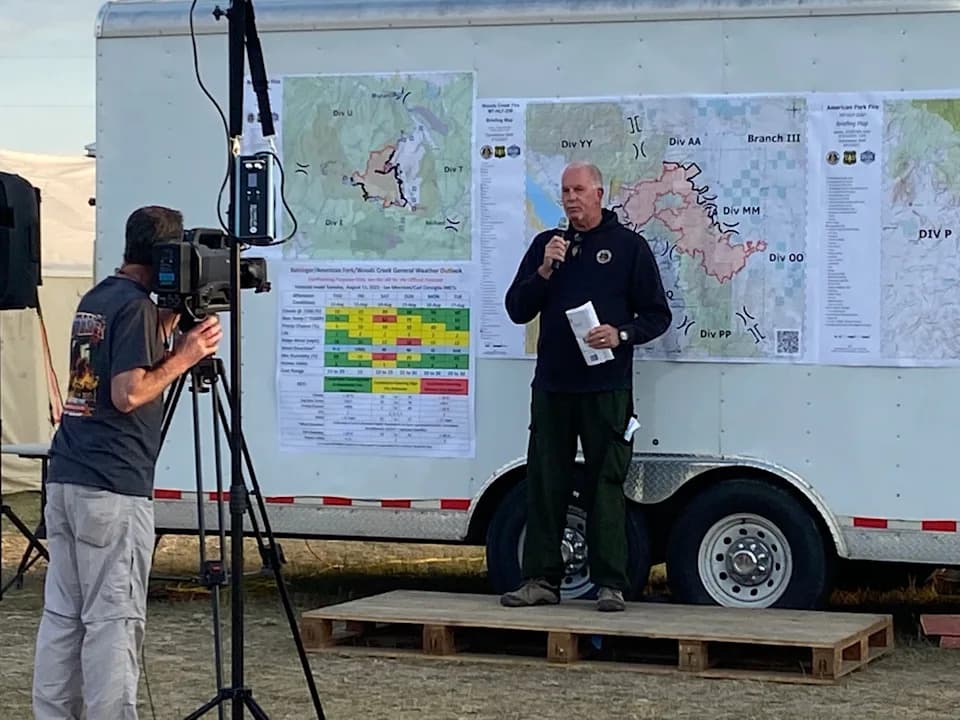
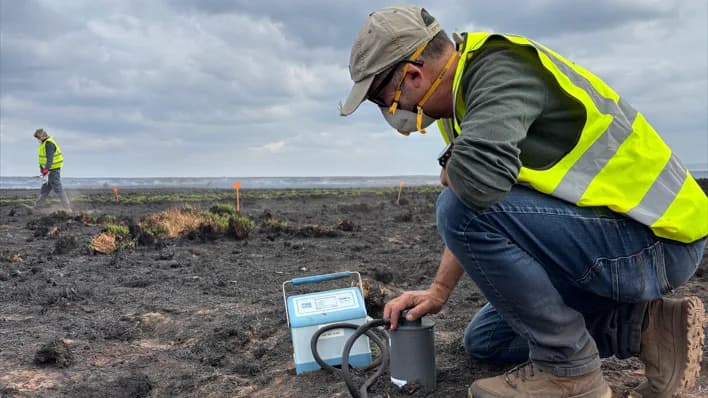
Peatlands Are Vital but Vulnerable: Peat stores about one‑third of the world s soil carbon and can burn underground for months, releasing carbon and smoke. However, in some Australian wetlands carefully managed, low‑intensity burns support threatened species and healthier habitat. Balancing ecological burns with peat protection, informed by Indigenous knowledge and scientific research, is essential to reduce long‑term damage and improve climate resilience.
Australia's Hidden Peat Fires: How Controlled Burns Can Protect Wetlands and Rare Species
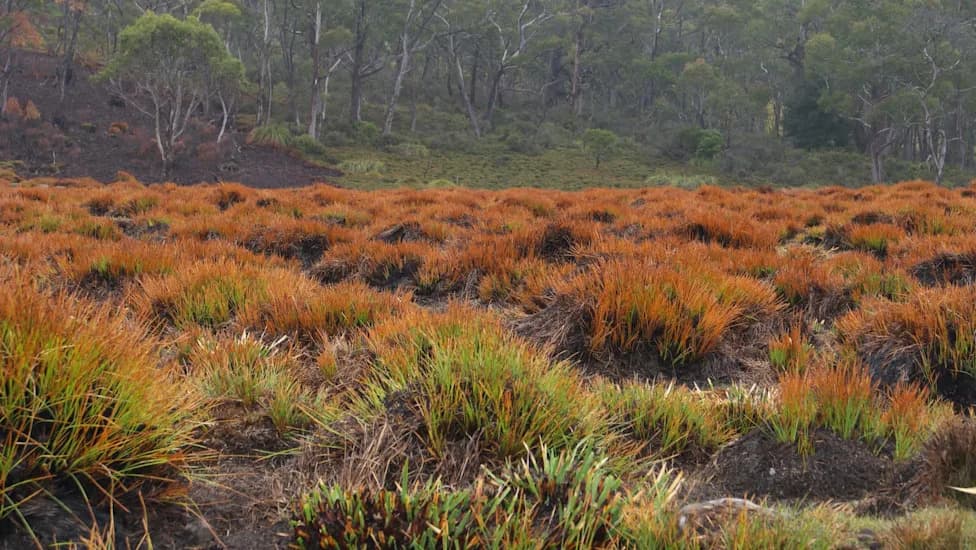
Photo Credit: iStock
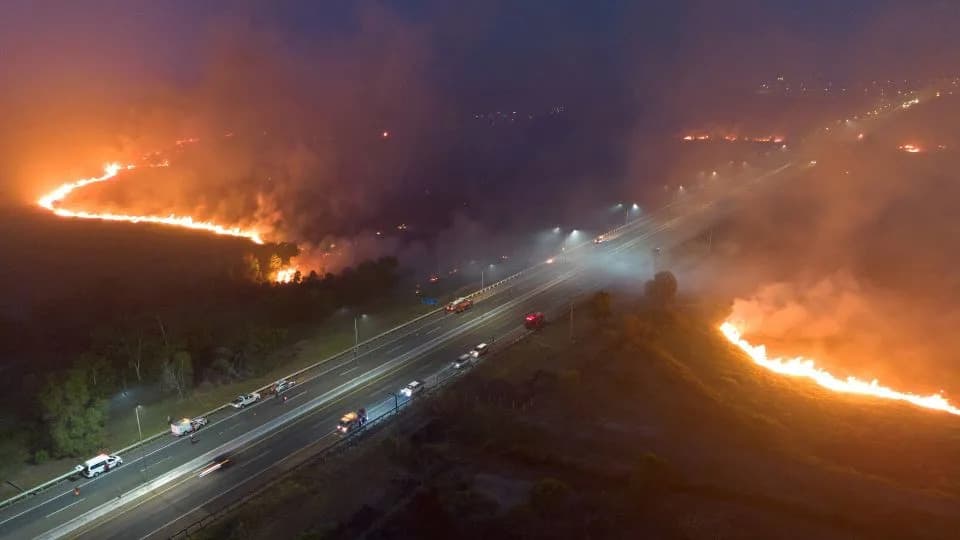
Peatlands across Australia play a double role: they are vital carbon stores but can also hide long‑lasting underground fires. While peat that dries and ignites can smolder for months or years, carefully timed, low‑intensity burns can help some wetland ecosystems and endangered species recover.
Why Peatlands Matter
Peatlands are ancient wetlands where partially decayed plant material accumulates over thousands of years. They hold roughly one‑third of the carbon stored in the world s soils, making peat fires a global climate and public‑health concern. When peat burns beneath the surface it releases large amounts of stored carbon and can send smoke and pollutants across wide areas.
Different Peatlands, Different Responses
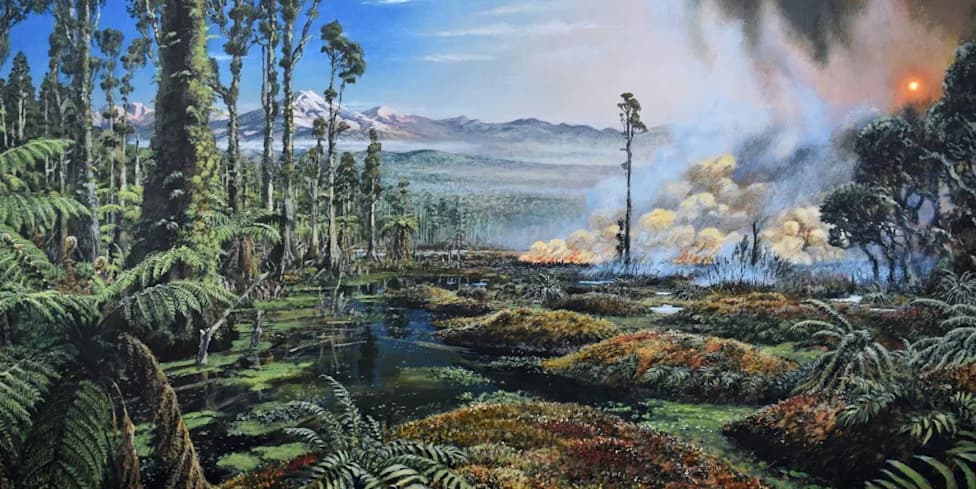
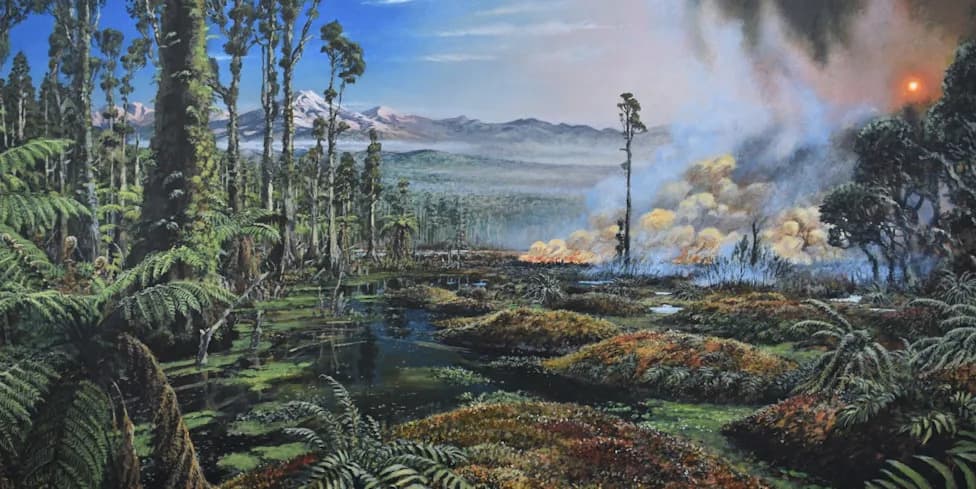
Australia contains diverse peat ecosystems: eastern alpine bogs, subtropical coastal swamps, and Tasmania s buttongrass moorlands are just some examples. These systems do not all respond to fire the same way. In some wetlands, vegetation and local species have evolved with periodic low‑intensity fire and can benefit from carefully managed burns. In others, peat is fragile and even light burning can cause long‑term damage.
When Fire Helps
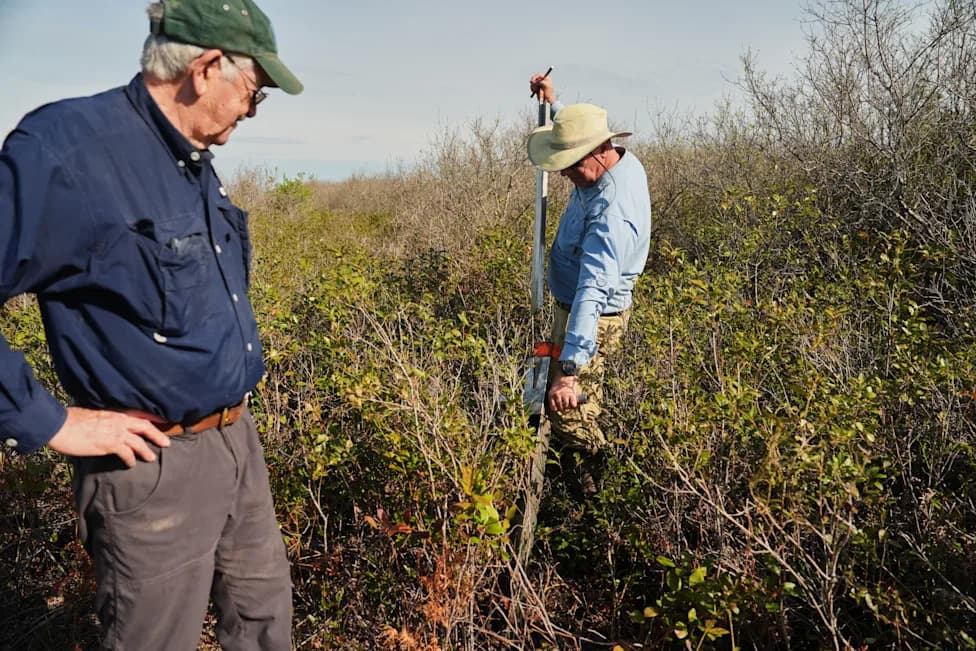
Where appropriate, ecological burning can reduce fuel loads, prevent vegetation from becoming overly dense, and trigger germination or regeneration of fire‑adapted species. In the Fleurieu Peninsula swamps of South Australia, planned cool burns have been credited with supporting threatened plants and animals, including the Yundi guinea‑flower and the southern emu‑wren, while stimulating fresh plant growth and open habitat structure.
When Fire Harms
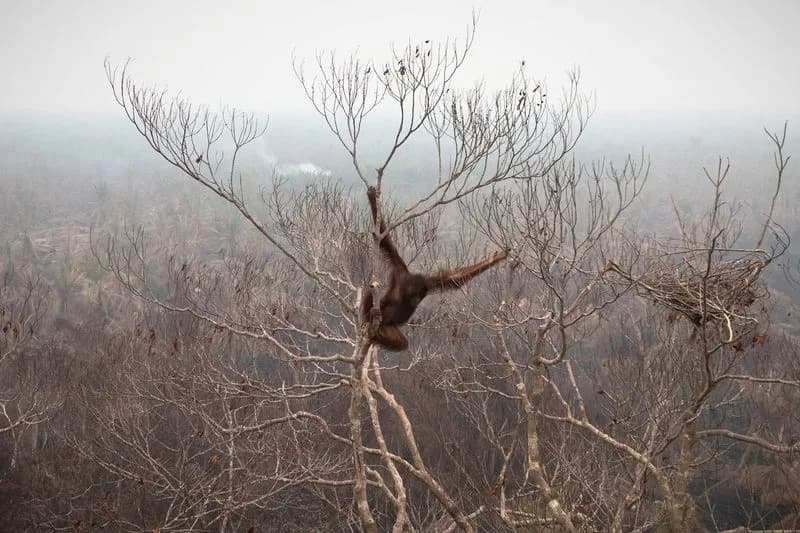
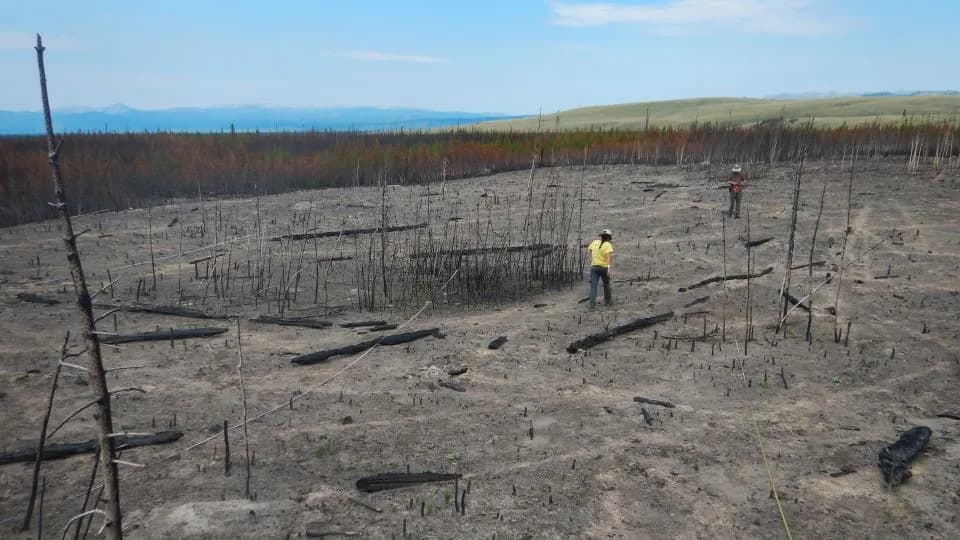
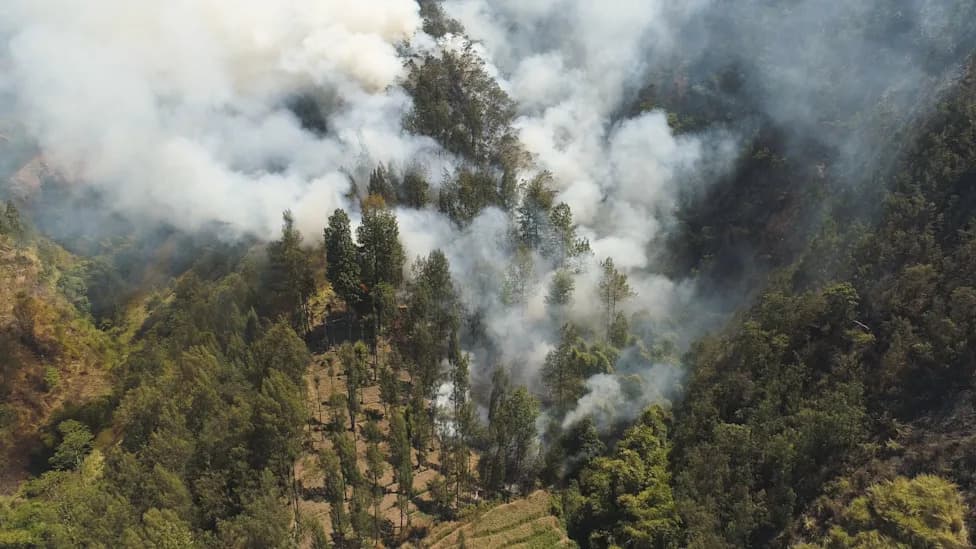
Peat fires that reach the subsurface are especially hard to extinguish and can smolder out of sight for months, emitting persistent smoke and degrading wetland soils and vegetation. In southwestern Western Australia, a peat fire that burned beneath the surface continued for more than six months in 2024 despite heavy rain and sustained firefighting efforts, illustrating how difficult these events can be to control and how long their impacts can last.
Management and Knowledge
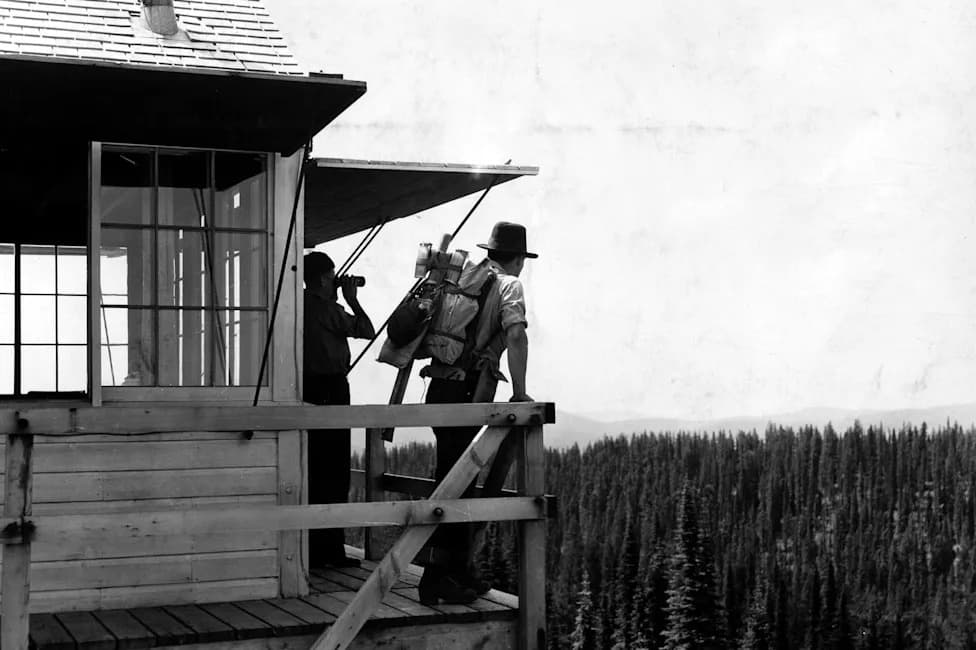
Land managers are increasingly shifting from a one‑size‑fits‑all view toward selective use of fire: the priority is keeping flames in surface vegetation while preventing peat from drying or igniting. Ecological burning practices often overlap with First Nations cultural burning traditions; historical charcoal and pollen records suggest First Nations people managed parts of the Fleurieu Peninsula wetlands with fire before European settlement. Combining Indigenous knowledge with contemporary science can improve outcomes.
Research Needs and Climate Resilience
Decisions about burning must consider peat depth, moisture regimes, vegetation types, and past fire history. More research is needed to map which peatlands can safely receive controlled burns and which should be protected from any ignition risk. Protecting peatlands, learning from Indigenous land management, and using evidence‑based fire strategies are important steps for biodiversity conservation, air quality protection, and climate resilience.
Key takeaway: Thoughtful, site‑specific fire management — not blanket bans or unchecked burning — offers the best chance to protect peatland carbon stores while supporting vulnerable species.
Sources include reporting in The Conversation and recent field observations of peat fires and ecological burning programs in Australian wetlands.
Help us improve.