The Department of the Interior has ended a rule that gave automatic, broad protections to species listed as "threatened," replacing it with a system of individualized, species-specific protection plans. New rules require economic and national security reviews before designating critical habitat and allow explicit exemptions that critics say could favor development over conservation. About 30 species, including monarch butterflies and California spotted owls, now face potentially years-long processes before receiving federal safeguards.
Monarchs and Other Species Left in Limbo as Federal Rules Shift From Blanket Protections to Case-by-Case Plans
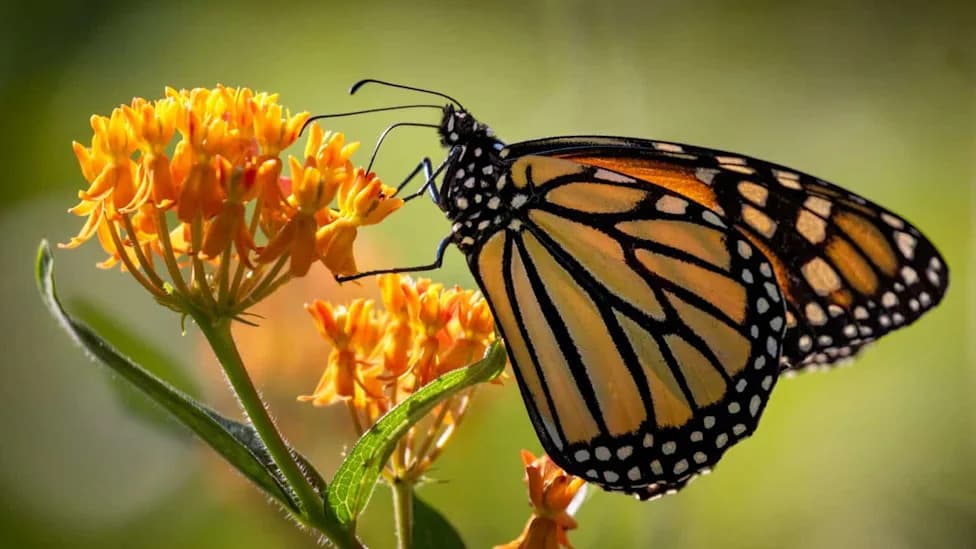
Monarch Butterfly on Orange Milkweed© Rene Bechard/Shutterstock.com
Last week the U.S. Department of the Interior announced a major change to how species listed as "threatened" under the Endangered Species Act (ESA) will be protected. Instead of automatically receiving broad, blanket safeguards, newly listed threatened plants and animals will now require individualized, species-specific protection plans that can include explicit exemptions and economic or national security considerations.
What Changed
The Interior canceled a rule that previously extended wide-ranging protections to threatened species. Under the new approach, federal regulators must craft targeted regulatory plans for each species added to the threatened list. Those bespoke plans may contain exemptions and will be subject to economic analyses and national security reviews before critical habitat designations are finalized.
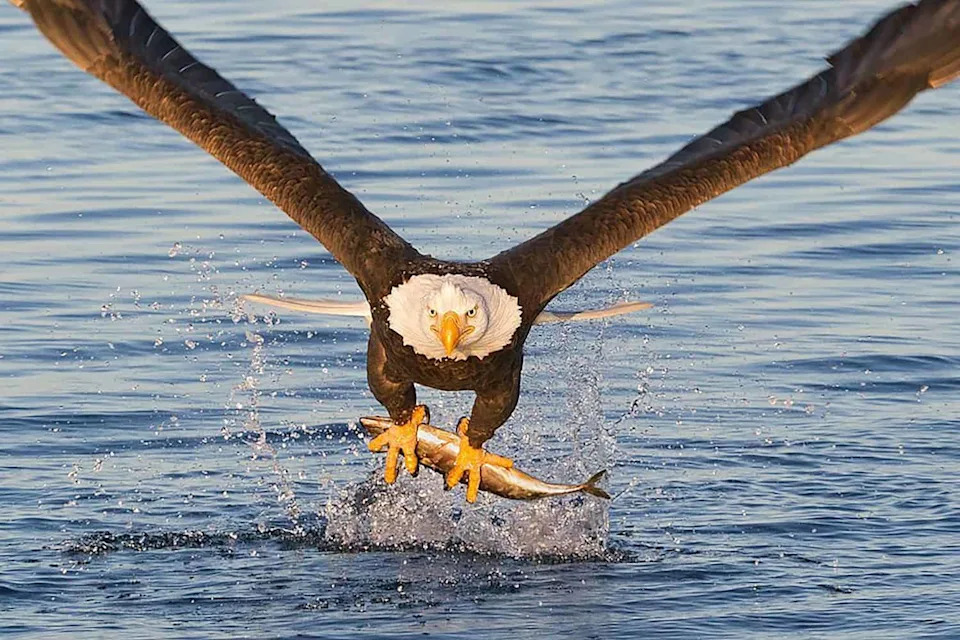
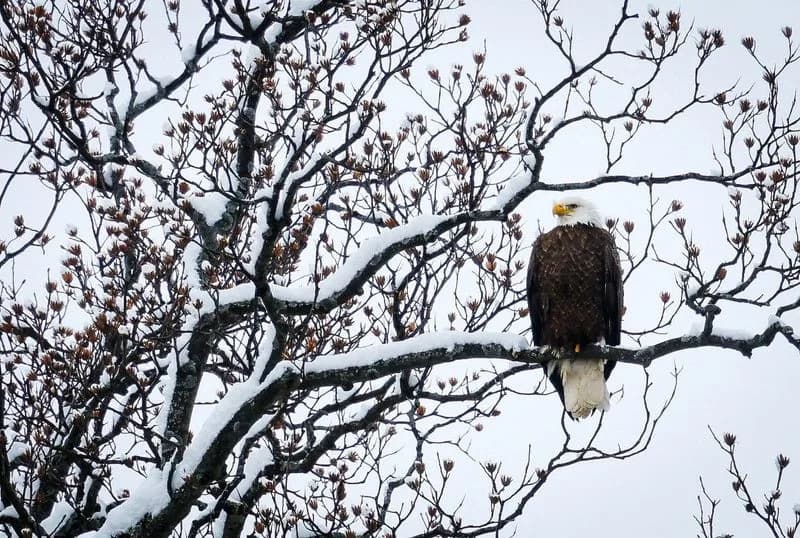
The Endangered Species Act helped restore species like bald eagles and the American alligator back to healthy distributions.©KensCanning/Shutterstock.com
Why This Matters
Supporters say tailoring protections reduces regulatory burdens for landowners and industry and rewards recovery efforts. Critics warn the change will slow protections, allow commercial activities to be carved out of safeguards, and leave vulnerable species without interim protections while lengthy, species-by-species rules are developed.
"Success should be measured by species recovery and delisting, not by adding more species to the list," Interior Secretary Doug Burgum said in defending the revisions.
Background And Legal Pressure
The ESA, enacted in 1973, has been credited with helping species such as the bald eagle and the American alligator recover. In the mid-1970s, broad protections were extended to wildlife and later to plants. The recent move to roll back blanket threatened-species protections followed litigation from conservation and landowner groups: in 2024 the Rocky Mountain Elk Foundation and the Property and Environment Research Center sued after blanket protections were restored under the prior administration, arguing those rules were too rigid and discouraged landowner cooperation.

The ruling has already restricted the critical habitat space previously designated for Canadian lynx in the Rocky Mountains.©iStock.com/Lynn_Bystrom
Immediate Impacts And Examples
Roughly 30 species are currently awaiting proposed protections, including monarch butterflies, alligator snapping turtles and California spotted owls. Under the prior approach some of these species might have received immediate safeguards; under the new process they may face years of rulemaking before protections take effect.
Officials have already applied the new policy in high-profile ways: the administration exempted certain oil and gas activities in the Gulf of Mexico from ESA considerations, and it significantly reduced previously designated critical habitat for the Canadian lynx in parts of the Rocky Mountains. The Department of the Interior maintains that 97% of species that had protections before these changes will retain them, but conservation groups say the new pathway increases extinction risk for imperiled species.
Criticism And Concerns
Opponents argue the rules narrow the definition of harm and allow development that does not immediately kill or injure animals to proceed in critical habitats, effectively undermining long-term habitat protections. Critics also caution that mandatory economic and security reviews create new opportunities for industries to win exemptions that could remove important habitat protections.
What To Watch
Watch for how quickly federal agencies produce species-specific rules for those awaiting protection and which exemptions — if any — are built into them. Congress, courts, and future administrations could further shape or reverse these policies, and conservation groups have signaled they will continue legal and public pressure to protect vulnerable species and habitats.
Help us improve.