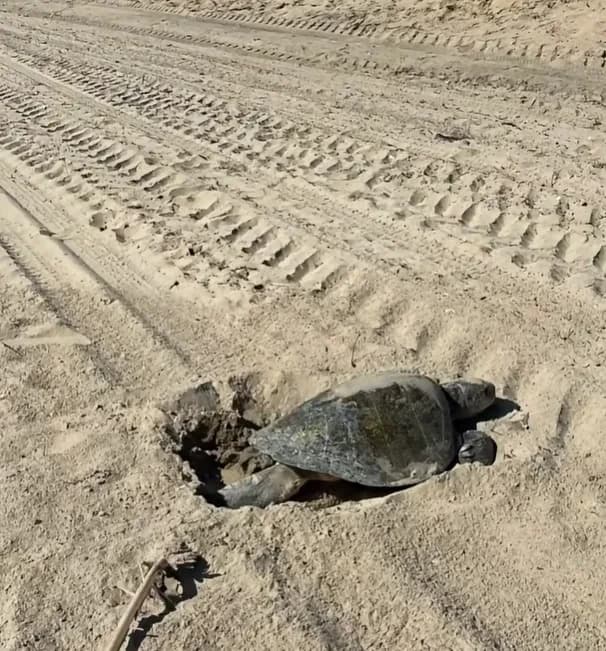
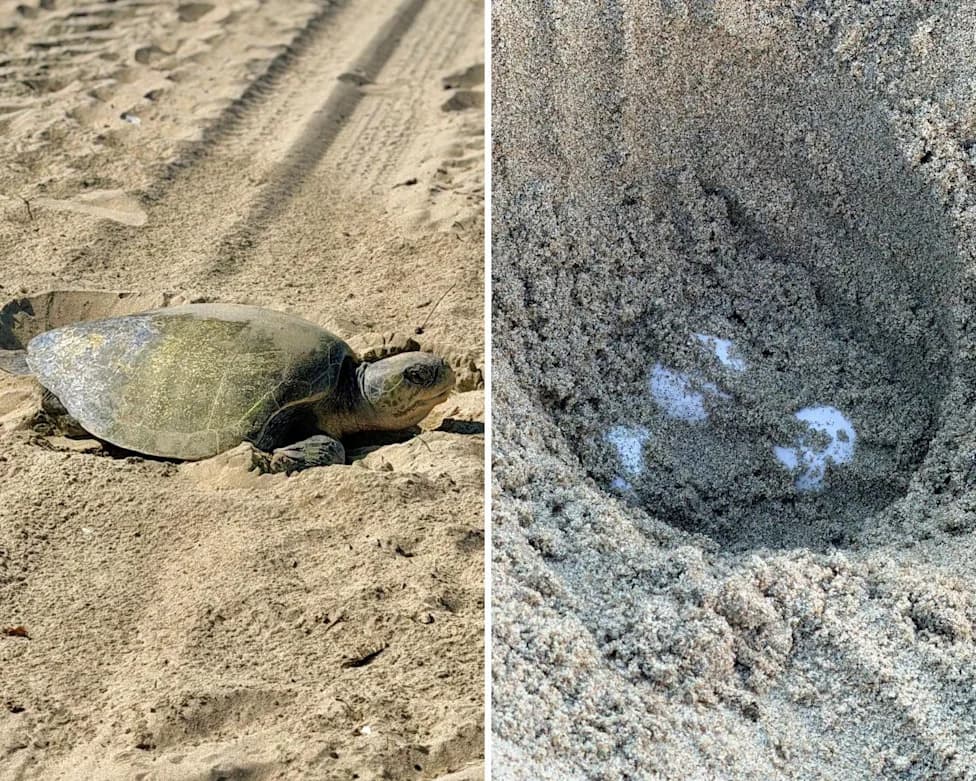
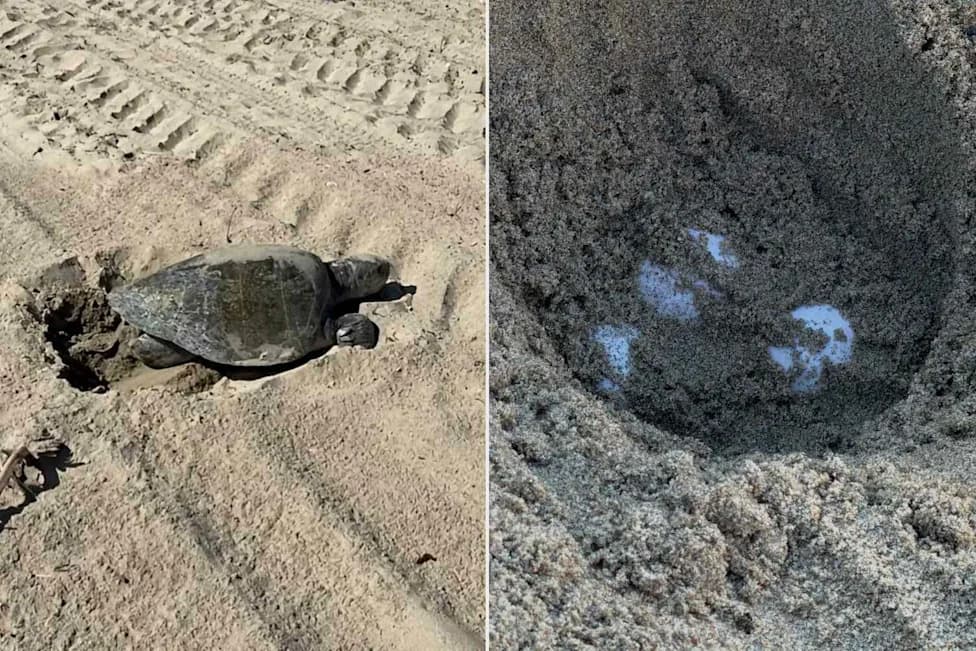
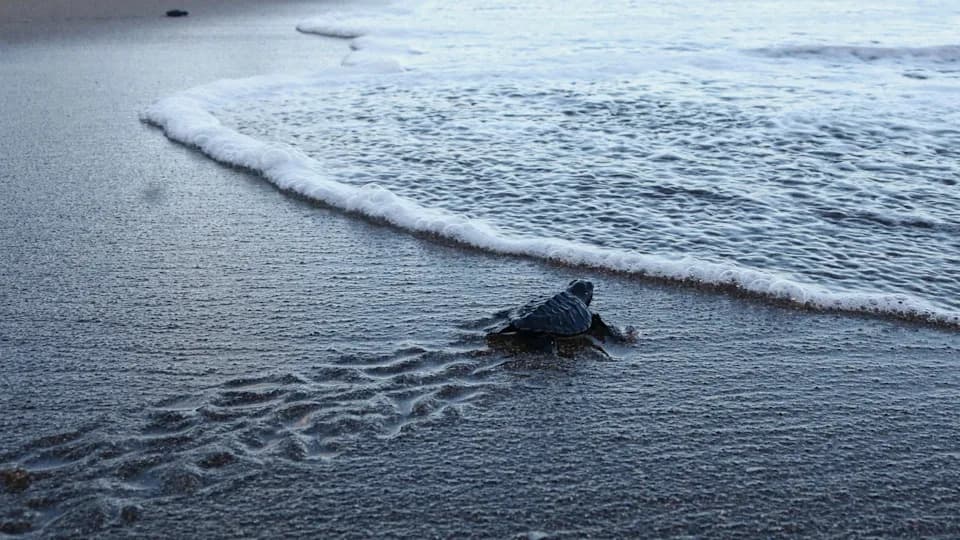
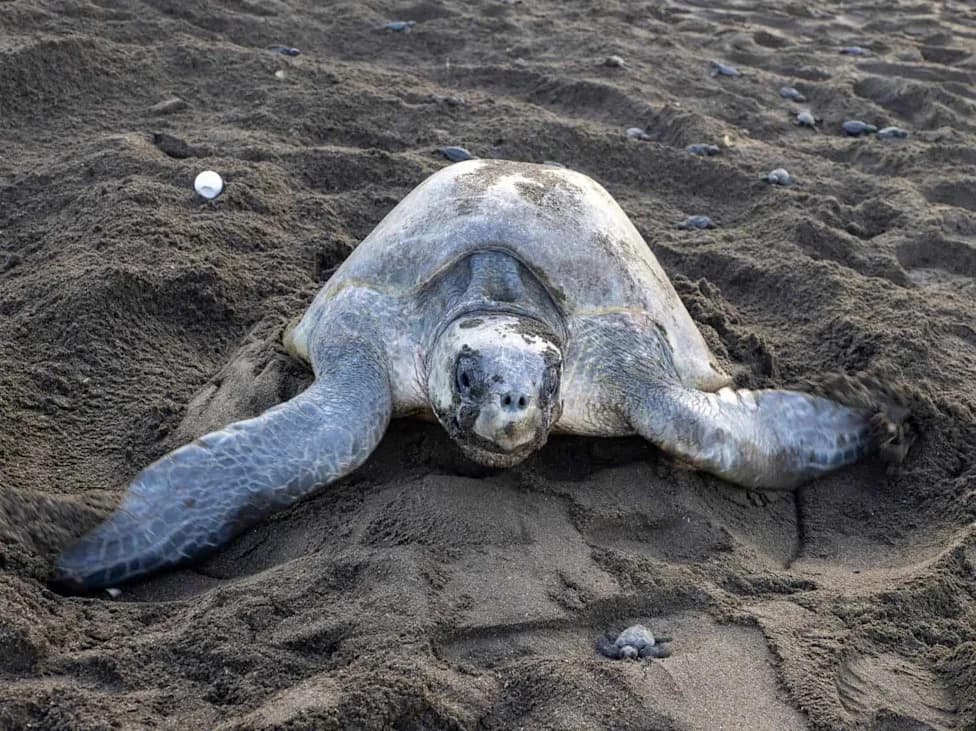
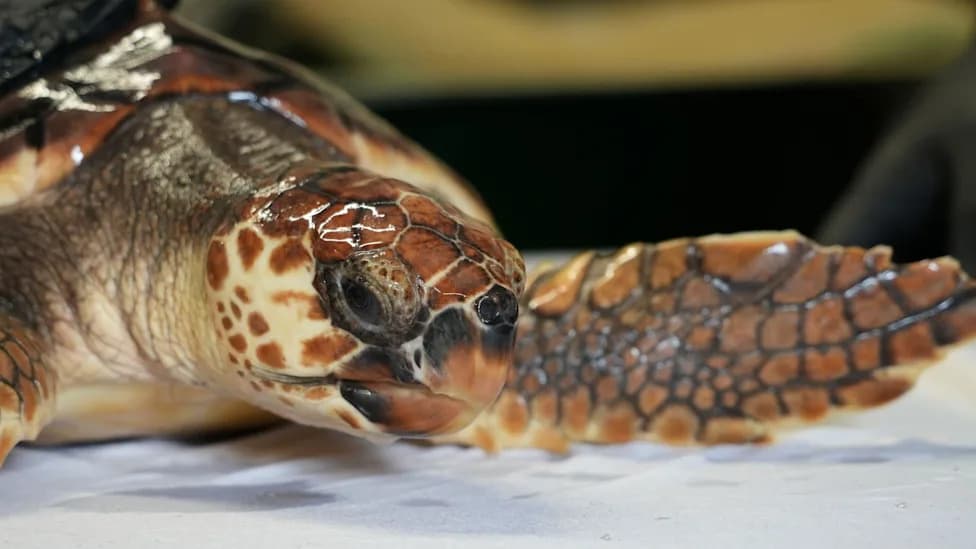
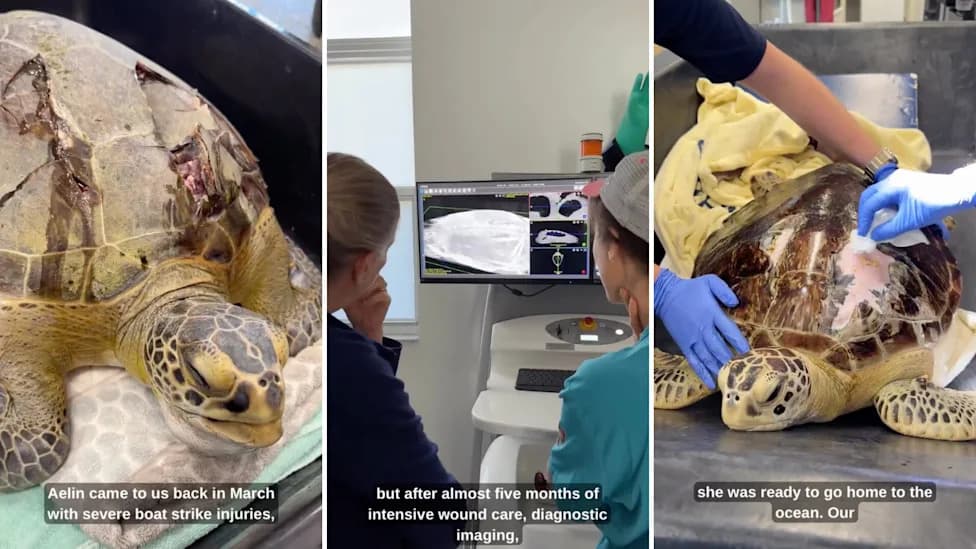
The Kemp's ridley, the world’s smallest and long considered the rarest sea turtle, plunged toward extinction from egg poaching and shrimp-trawl bycatch. A major turning point came with broad adoption of turtle excluder devices (TEDs) and smarter fishery management. Decades-long, bi-national conservation—especially protection at Rancho Nuevo—has produced encouraging signs, though the species remains vulnerable and recovery is ongoing.
How the Tiny Kemp's Ridley Sea Turtle Survived a Near-Extinction and Where Recovery Stands Today

Image credits: Unsplash
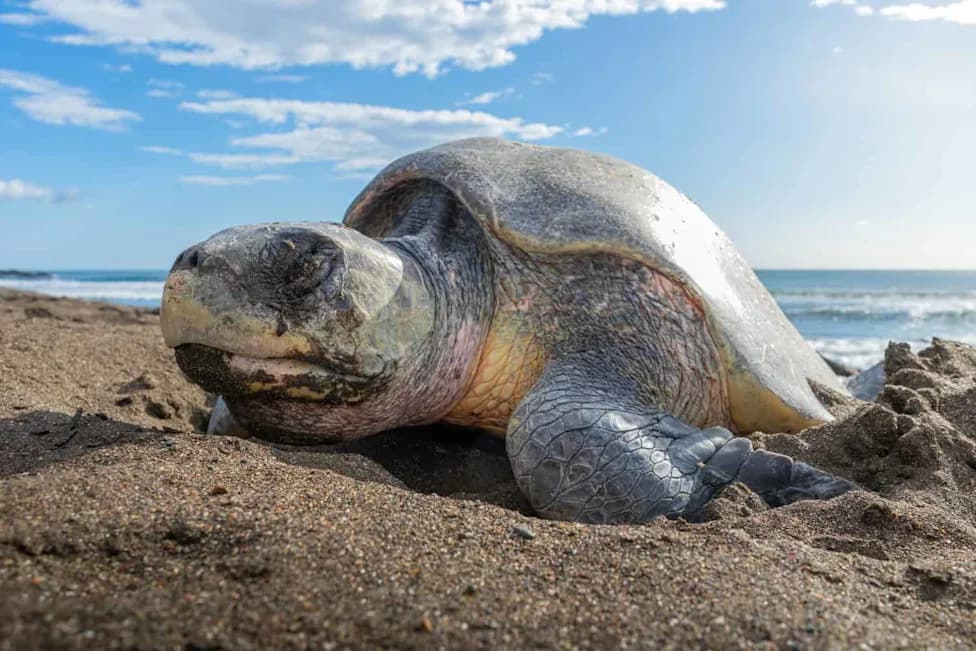
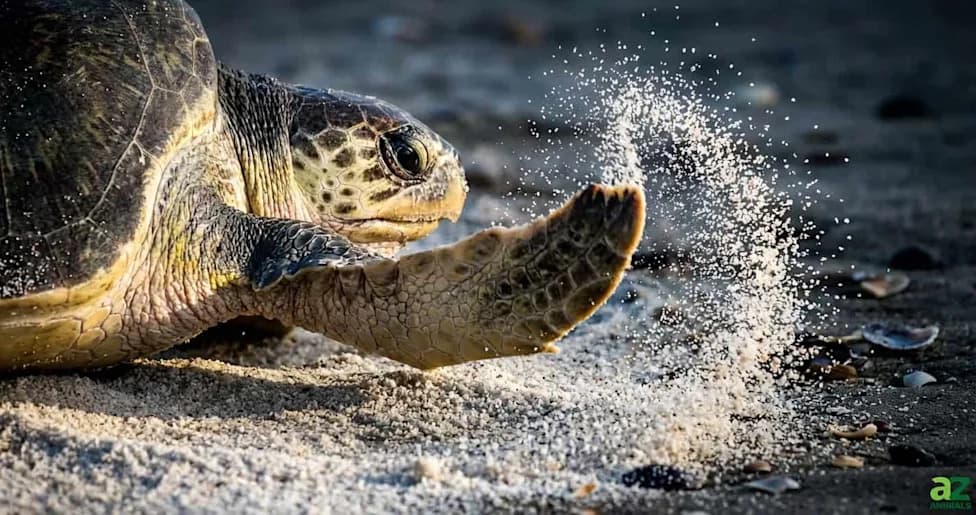
A sea turtle smaller than a dinner plate has become one of the Gulf Coast's most closely watched conservation stories. The Kemp's ridley (Lepidochelys kempii) is the world’s smallest sea turtle and was long considered the rarest. Recent signs from nesting beaches in Texas and Mexico and occasional sightings off Cape Cod suggest this pint-sized species may be stabilizing after decades of decline.

A Species Pushed to the Brink (Image Credits: Pixabay)
A Species Pushed to the Brink
The collapse of Kemp's ridley populations was dramatic. Estimates vary, but historic counts place nesting females in the tens of thousands in the 1940s, with some estimates of 40,000–89,000. By the 1980s those numbers had fallen to the low thousands or even a few hundred in some accounts. This catastrophic decline took place within a single human lifetime.

The World's Rarest Sea Turtle (Image Credits: Pixabay)
Primary Causes
The losses were largely preventable: large-scale egg harvesting on a few key beaches and heavy bycatch in shrimp trawls in the Gulf of Mexico decimated numbers. Because Kemp's ridleys concentrate their nesting on very few beaches, egg poaching could wipe out nearly an entire generation in a single season, leaving no buffer against rapid population collapse.

Turtle Excluder Devices Changed Everything (Image Credits: Unsplash)
Innovation That Changed the Game
One technological innovation made a measurable difference: the turtle excluder device (TED). These simple metal grids fitted into shrimp trawl nets allow turtles to escape while retaining shrimp. Along with changes in fishing practices, seasonal closures and improved enforcement, TEDs have significantly reduced turtle deaths from bycatch.
Mexico's Beaches and the Bi-National Partnership (Image Credits: Unsplash)
A Longstanding Bi‑National Effort
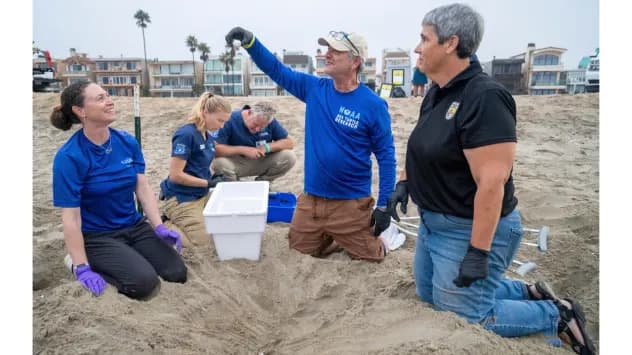
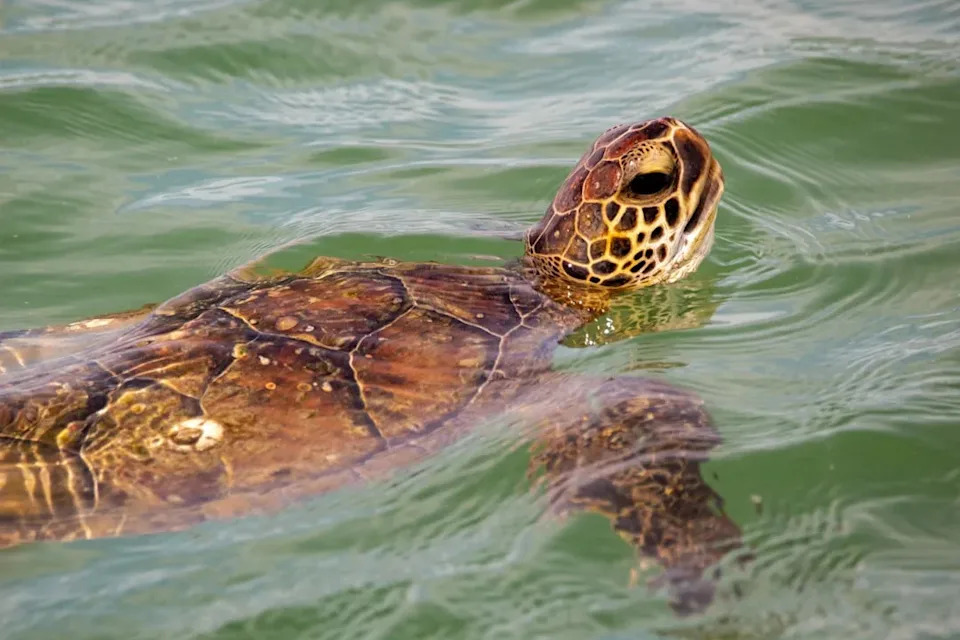
Much of the species' recovery story centers on Rancho Nuevo in Tamaulipas, Mexico, where tens of thousands of females once nested. After numbers crashed mid-century, U.S. and Mexican partners launched intensive protection programs. Remarkably, bi-national efforts to monitor and protect nesting beaches, guard nests during the mass arribada events and manage fisheries have persisted for more than 50 years—one of the longest international conservation partnerships for a marine species.
Where Things Stand Now
Recovery has not been a straight line. Counts of nesting females vary by source, but coordinated conservation, expanded use of TEDs and ongoing monitoring have produced encouraging signs: more nests at historic beaches, improved hatchling survival and increased national and international cooperation. Juveniles are sometimes found as far north as Nova Scotia, but the species remains concentrated in the Gulf, so continued protection is essential.
Bottom line: Sustained, cross-border commitment — from volunteers guarding nests at night to fishery reforms and gear changes — has given Kemp's ridley a fighting chance, but the species remains vulnerable and conservation must continue.
Help us improve.