Judge Kathleen Williams sanctioned parties in the Trump vs. IRS litigation and referred attorney Alejandro Brito to the Florida Bar after concluding the case was orchestrated to secure improper benefits, including an "Anti-Weaponization Fund" that the judge found unjustified. The January suit alleged a 15-year leak of tax returns and sought $1,000 per disclosure or $10 billion. The ruling included a one-year pro hac vice bar for another attorney and directed notification to multiple state bars, signaling possible professional discipline.
Judge Sanctions Lawyers in Trump vs. IRS Case, Refers Attorney to Florida Bar

Jack Greiner is a Cincinnati attorney. He represents Enquirer Media in First Amendment and media issues.
Judge Kathleen Williams has sanctioned the parties in the lawsuit filed by Donald Trump and others against the Internal Revenue Service and has referred at least one attorney for possible disciplinary action, concluding the litigation was engineered to secure improper benefits rather than resolve a bona fide legal dispute.
Case Timeline
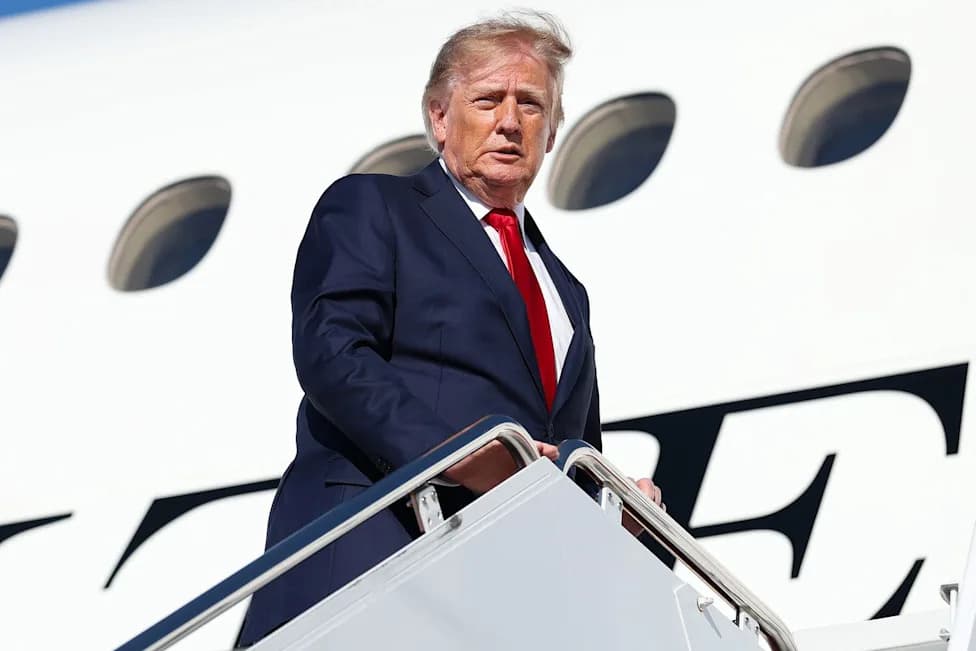
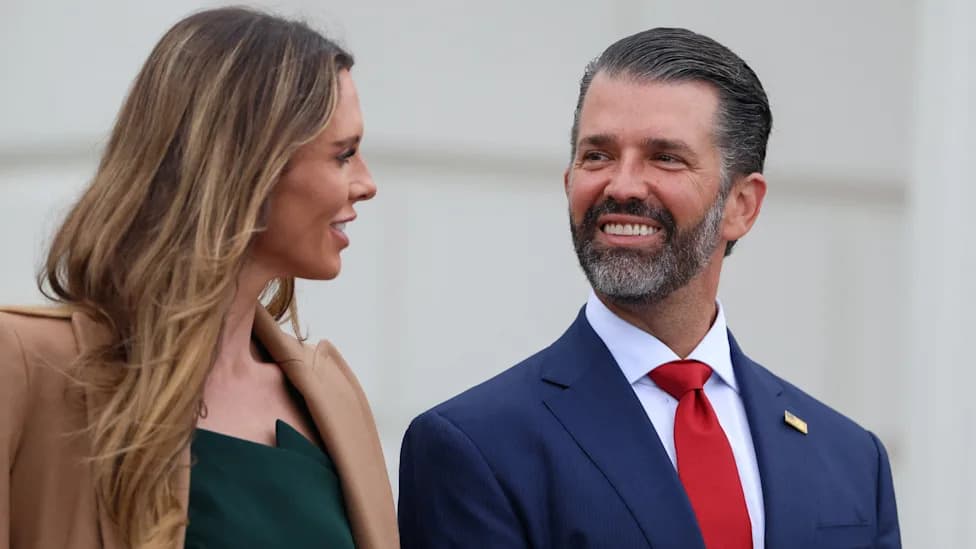
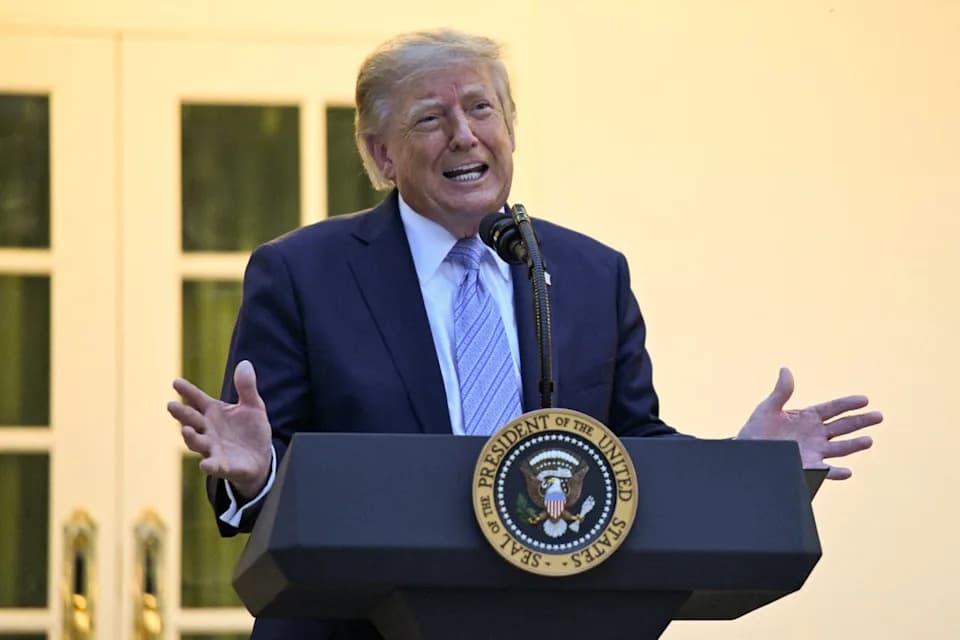
On Jan. 29, Donald J. Trump, joined by Donald Trump Jr., Eric Trump and The Trump Organization, sued the IRS alleging that contractor Charles Littlejohn leaked 15 years of Trump tax returns to ProPublica and The New York Times. The plaintiffs sought statutory damages of $1,000 for each alleged disclosure or, alternatively, $10 billion in "actual damages."
On April 17 the IRS requested an extension to answer; the court temporarily stayed the answer deadline and ordered memoranda by May 20 on whether the court had subject-matter jurisdiction.
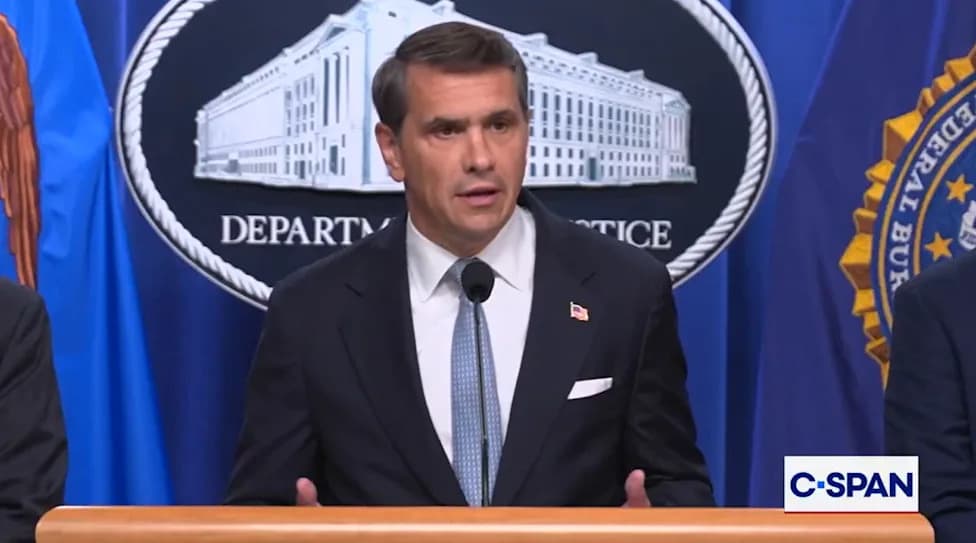
On May 18 the parties announced a settlement that created an "Anti-Weaponization Fund" intended to compensate others who reportedly "incurred harm from similar Lawfare and Weaponization." Judge Williams later criticized the settlement as unsupported by law or the record and raised concerns that it could benefit participants in or affiliates of the Jan. 6, 2021, Capitol attack.
Judge's Findings and Sanctions
In a July 13 order, Judge Williams imposed monetary sanctions and took several actions aimed at the lawyers involved. Key disciplinary and administrative measures included:
- Referral of attorney Alejandro Brito, who signed the complaint, to the Florida Bar "for its consideration, review, and determination as to whether disciplinary action is appropriate in light of the findings and rulings made in this Order."
- A one-year bar on Daniel Epstein seeking pro hac vice admission in the Southern District of Florida for his role in signing the settlement agreement.
- Direction that the court clerk forward the order to the New York State Bar and the District of Columbia Bar, where related disciplinary proceedings are ongoing.
Judge Williams: The court found that the case was not a genuine attempt to resolve a legal dispute but rather appeared intended to "provide some legitimacy to an agreement to confer immunity to people and entities affiliated with the President and to earmark billions of dollars from American taxpayers to redress grievances not defined in law."
Implications
Judge Williams’ ruling emphasizes attorney accountability when litigation is used as a tool to pursue political or extrajudicial objectives. The referral to state bars and the pro hac vice restriction signal potential professional consequences for lawyers who file or advance claims the court finds frivolous or improperly motivated. The order has also sparked calls from the author for further scrutiny of officials and appointees implicated in the judge’s findings.
Author: Jack Greiner is a Cincinnati attorney who handles First Amendment and media matters for Enquirer Media. He can be reached at [email protected].
This column originally appeared in The Cincinnati Enquirer under the headline: "Trump's lawyers may finally face accountability | Strictly Legal."
Help us improve.