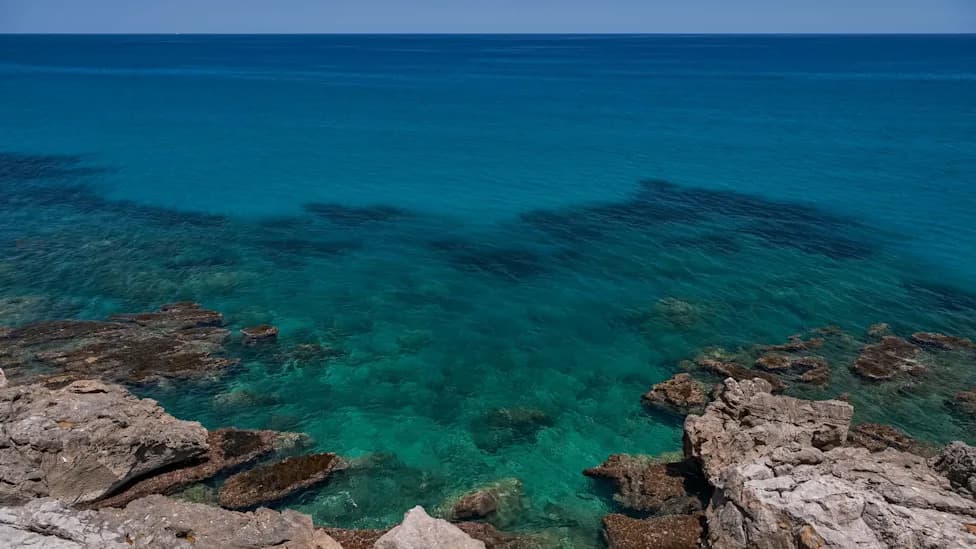
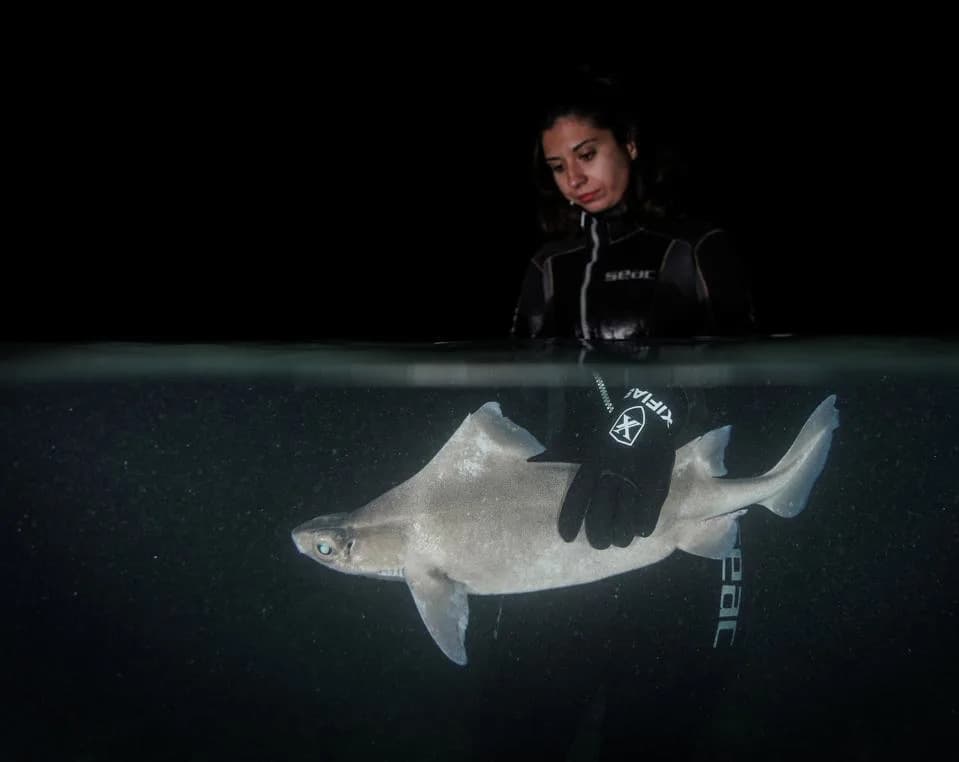
The Mediterranean is warming due to fossil-fuel-driven climate change, making the basin hospitable to hundreds of invasive marine species that threaten native biodiversity and coastal livelihoods. Shallow eastern areas have lost about 93% of mollusks, and Adriatic mussel beds have suffered major die-offs after temperatures exceeded 30°C (86°F). Experts recommend ballast-water treatment, anti-fouling hull paint, fisheries policy changes and creating markets for edible invaders to mitigate impacts.
Warming Mediterranean Fuels Surge Of Invasive Fish, Threatening Native Species And Coastal Livelihoods
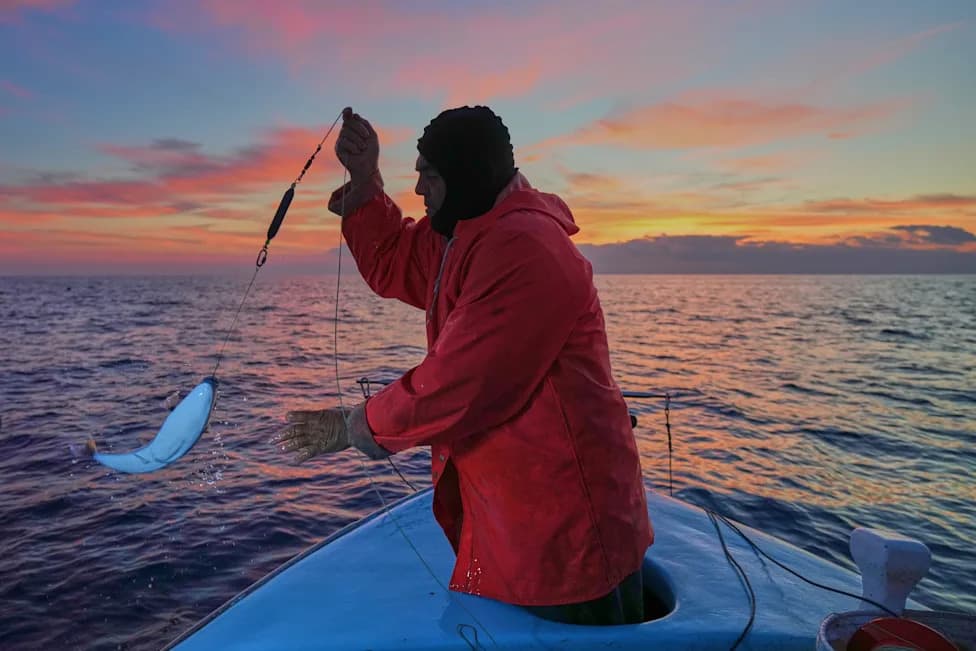
Fisherman Photis Gaitanos catches a toadfish while fishing from his boat off the coast of Larnaca, Cyprus, in the eastern Mediterranean, early Saturday, Dec. 20, 2025. (AP Photo/Petros Karadjias)(AP Photo/Petros Karadjias)
Scientists warn that the Mediterranean Sea is undergoing rapid, likely irreversible change as fossil-fuel-driven warming creates conditions that favor hundreds of non-native species over native marine life.
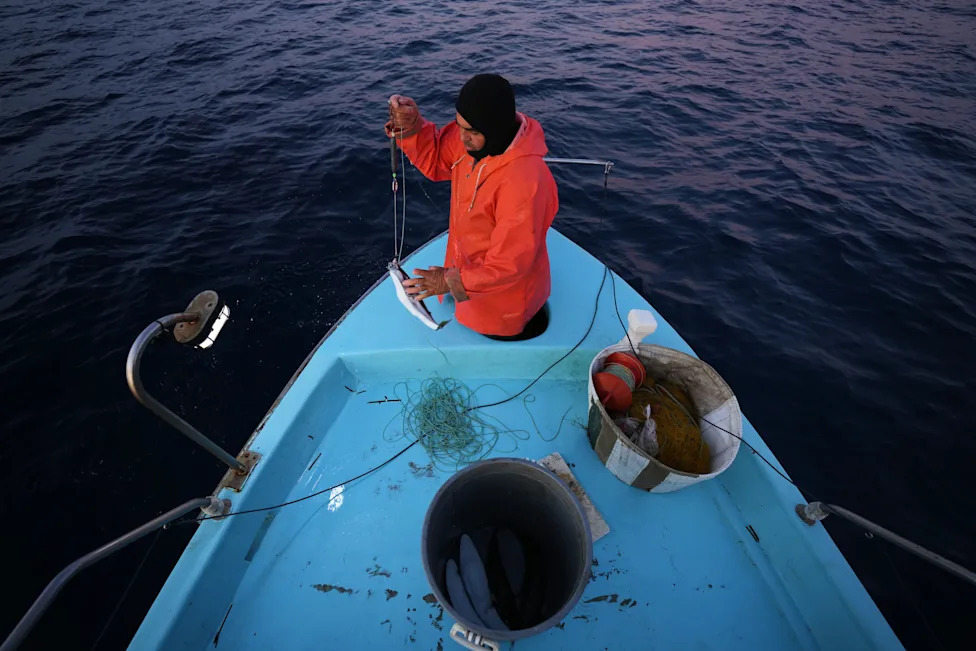
Fisherman Photis Gaitanos catches a toadfish while fishing from his boat off the coast of Larnaca, Cyprus, in the eastern Mediterranean, early Saturday, Dec. 20, 2025. (AP Photo/Petros Karadjias)(AP Photo/Petros Karadjias)
What’s Happening
Researchers say the Mediterranean has become a climate change “hot spot.” Models project the sea could warm by 2–6°C (3.6–10.8°F) by 2100, with marine heat waves becoming more frequent and intense. Because the Mediterranean is an enclosed basin, heat dissipates far more slowly than in the open oceans, amplifying warming trends.
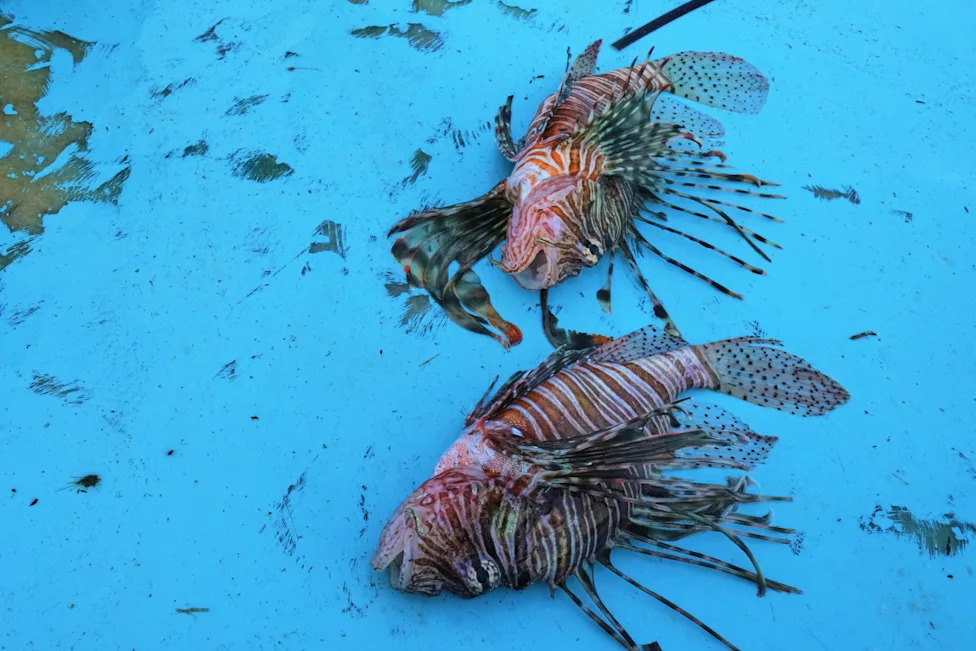
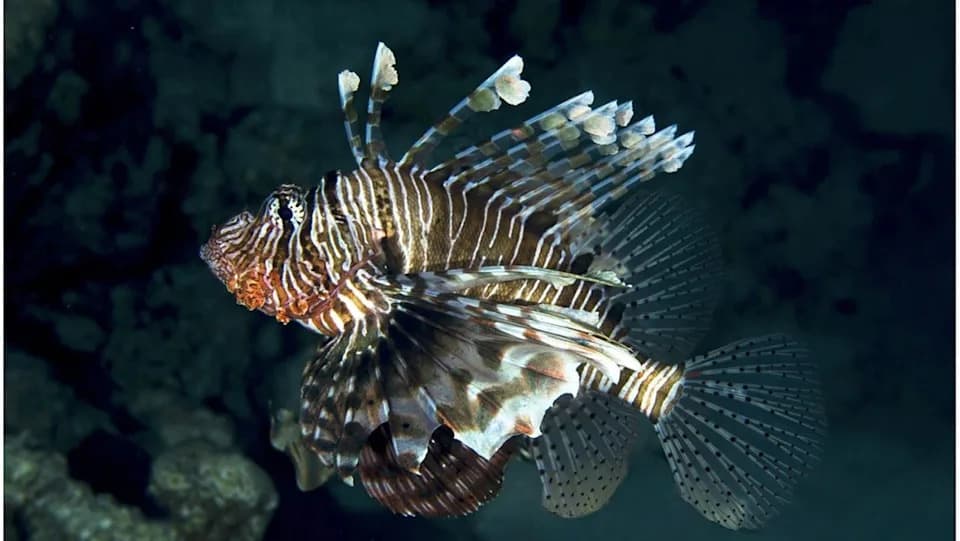
Lionfish lie on a fishing boat off the coast of Larnaca, Cyprus, in the eastern Mediterranean, early Saturday, Dec. 20, 2025. (AP Photo/Petros Karadjias)(AP Photo/Petros Karadjias)
Invasive Species On The Move
Warmer waters have opened the door to hundreds of invasive species, many entering through the Suez Canal and spreading west toward France and Spain. Scientists estimate roughly 1,000 invasive species have been recorded in the basin, with about 800 now firmly established. Notable invaders include the lionfish (first recorded in the eastern Mediterranean in 2012), rabbitfish and the spotted puffer.
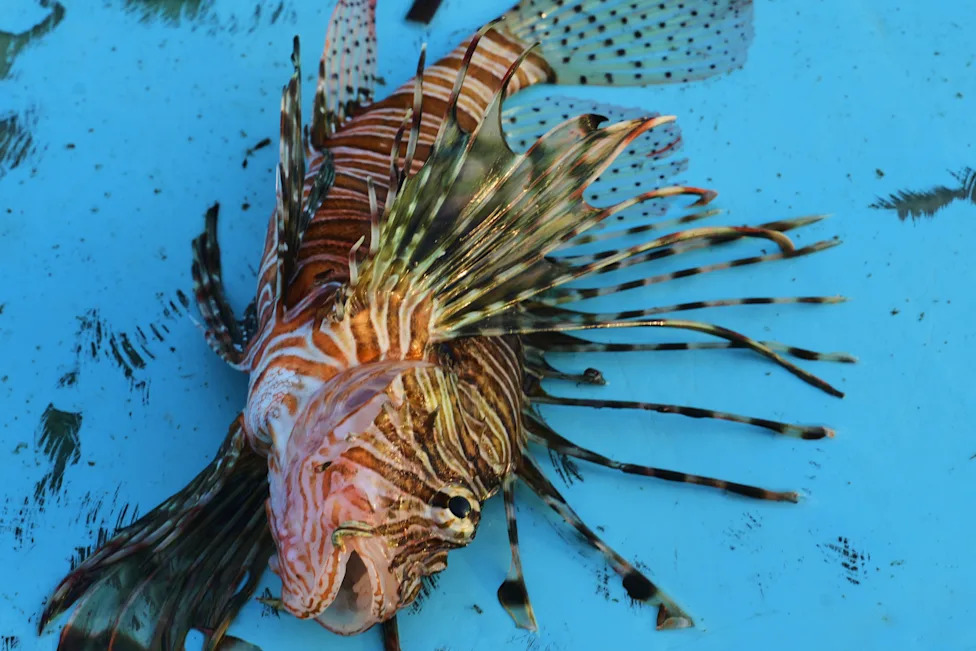
A lionfish lies on a fishing boat off the coast of Larnaca, Cyprus, in the eastern Mediterranean, early Saturday, Dec. 20, 2025. (AP Photo/Petros Karadjias)(AP Photo/Petros Karadjias)
“The Mediterranean of our grandfathers... is lost forever. So many of those changes are irreversible,” said Ernesto Azzuro, marine biologist at Italy’s National Research Council.
Ecological And Economic Impacts
The impacts are substantial: shallow areas of the eastern Mediterranean have lost an estimated 93% of their mollusk populations. In parts of the Adriatic Sea, mussel beds have largely died off after sea temperatures topped 30°C (86°F). These shifts threaten biodiversity and the livelihoods of coastal communities that rely on traditional fisheries.
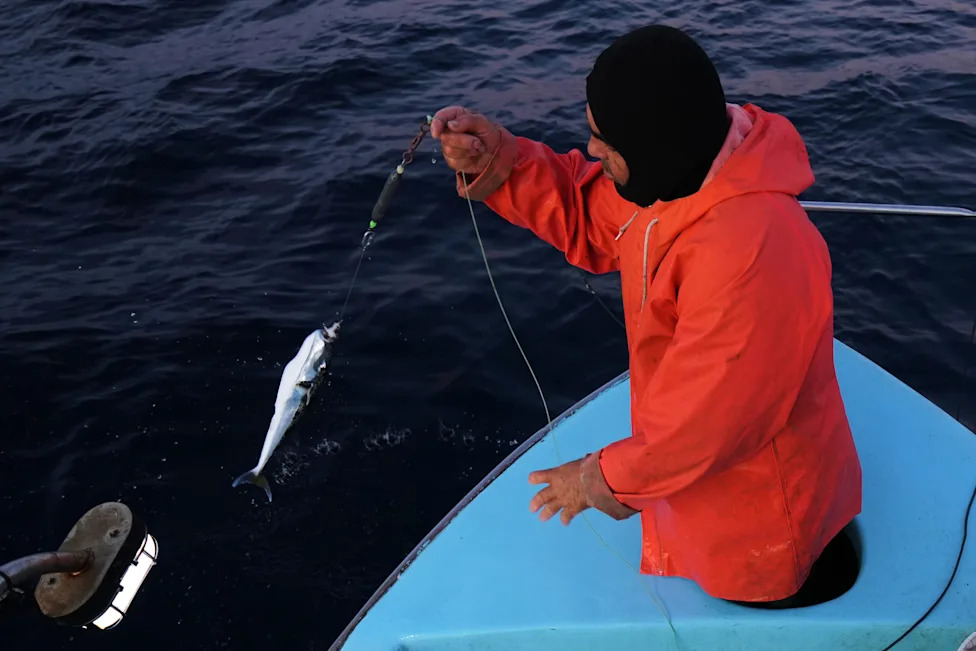
Fisherman Photis Gaitanos catches a toadfish while fishing from his boat off the coast of Larnaca, Cyprus, in the eastern Mediterranean, early Saturday, Dec. 20, 2025. (AP Photo/Petros Karadjias)(AP Photo/Petros Karadjias)
Health And Safety Concerns
Some invasive species also pose direct human-health risks. Puffer fish contain toxins that can be lethal if consumed; lionfish spines can inflict painful, venomous wounds. To raise awareness, Azzuro and partners launched the “Beware of Those Four” campaign highlighting dangerous invaders.
Mitigation And Adaptation Options
Experts say the spread of existing invaders is difficult to reverse, but practical steps can reduce future introductions and limit harm:
- Treat ballast water in incoming ships to prevent species transport (a technical fix that could cut new arrivals by an estimated 95–99%).
- Use anti-fouling hull paints to stop organisms hitchhiking on ships.
- Adjust fisheries and aquaculture policies to help native species recover and to cultivate species less vulnerable to new predators.
- Develop markets for edible invaders (e.g., lionfish) and organize safe removal or disposal for toxic species.
“We know what should be done. We should reduce the use of fossil fuels,” said Piero Genovesi Papik of Italy’s Higher Institute for Environmental Protection and Research, noting the need for global coordination to address the root causes.
Outlook
While full recovery may be unlikely without major global emissions reductions, targeted maritime controls, fisheries management and local adaptation measures can slow further harm, protect human health and support coastal economies as the region adjusts to a warmer Mediterranean.
Help us improve.