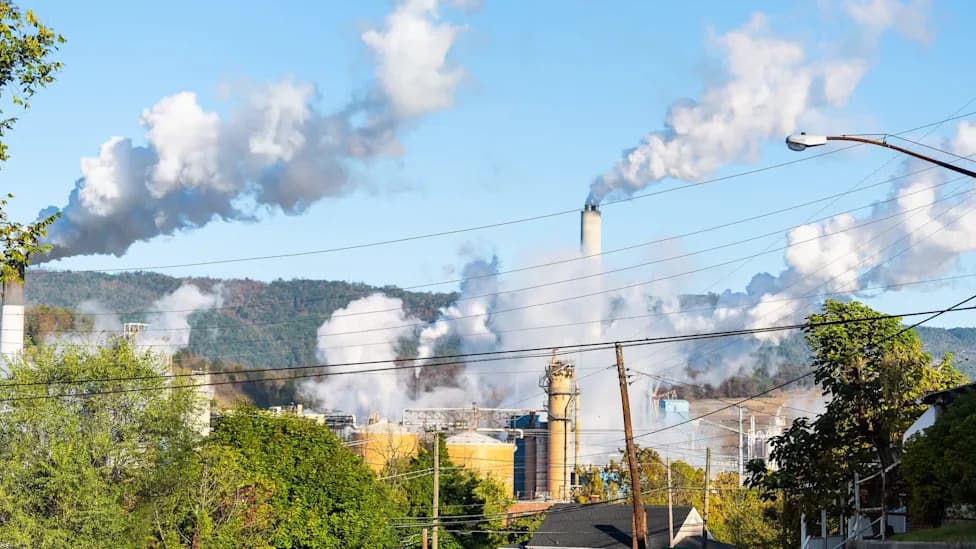
Communities along Louisiana's petrochemical corridor relied on low-cost, community-grade monitors to document local pollution and health symptoms. The 2024 Community Air Monitoring Reliability Act narrowed how residents can collect and use that data, reducing a key tool for accountability. Investigations show major gaps in the state's official monitoring network — ten of the 25 largest industrial polluters lack a public monitor within five miles, and carcinogens such as ethylene oxide, chloroprene and formaldehyde are not tracked statewide. Residents and scientists warn the change disproportionately harms predominantly Black communities and undermines responses after events like the 2023 Marathon Garyville refinery fire.
New Law Muzzles Community Air Monitors in Louisiana’s 'Cancer Alley' — Residents Say It Reduces Accountability
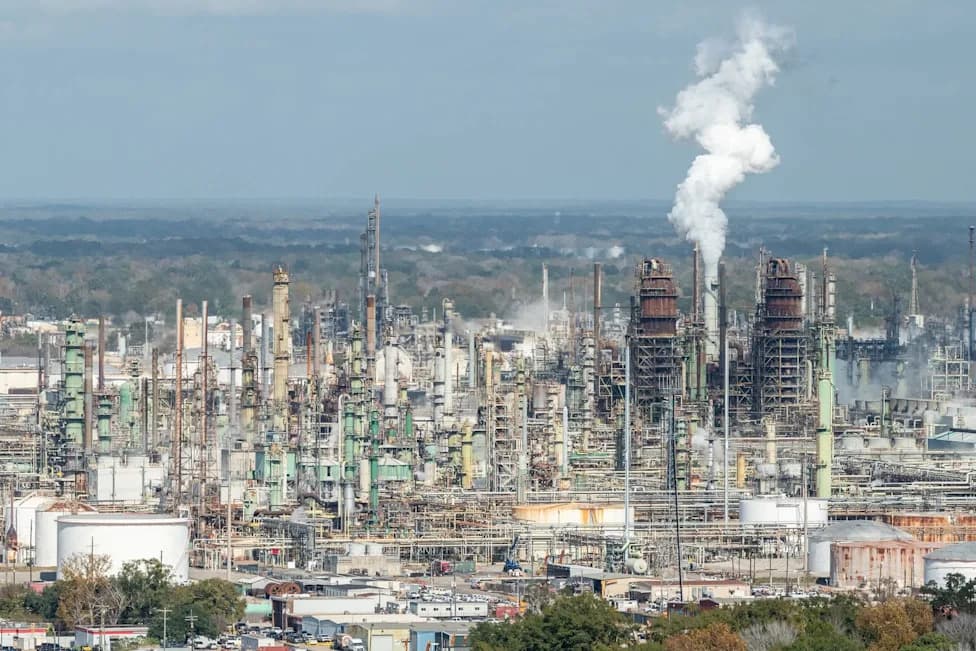
Photo Credit: iStock
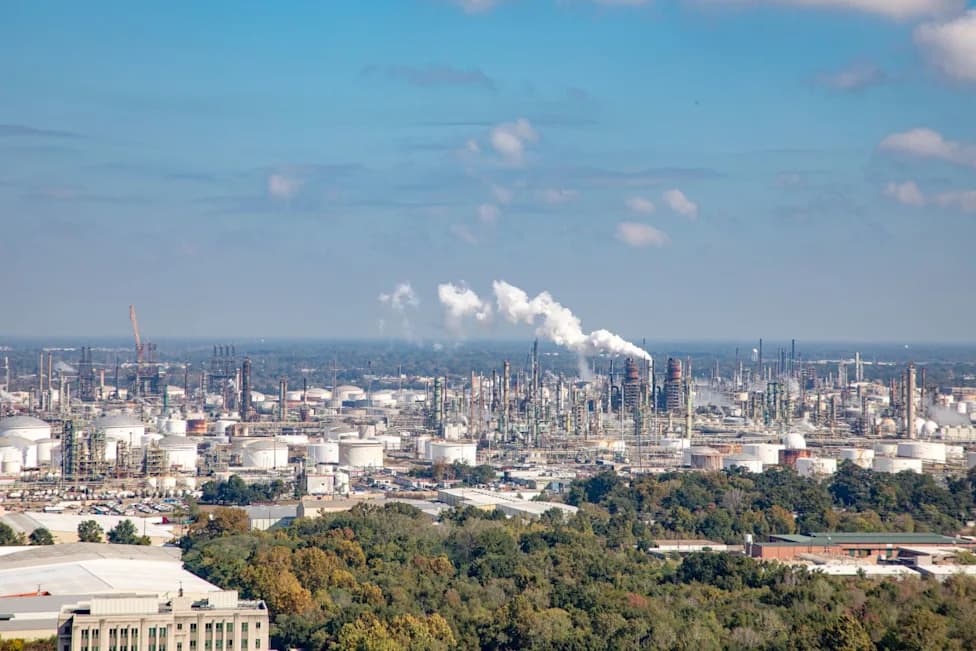
Along Louisiana's petrochemical corridor, polluted air is an immediate, tangible threat. For some families, overpowering industrial fumes have forced them to grab a child and leave home in the middle of the night. Until recently, low-cost community monitors helped residents document those episodes and push for action.
That grassroots tool was narrowed after Louisiana passed the industry-backed Community Air Monitoring Reliability Act in 2024, which curbed how community-collected air data can be used and shared. For residents who had relied on inexpensive sensors to detect oily fumes and link symptoms to nearby facilities, the change felt like being silenced.
Firsthand Experience
In St. Rose, resident Kimbrelle Kyereh lives near rows of chemical storage tanks. After years of headaches, nausea and insomnia she attributed to oily fumes seeping into her home, Kyereh began collecting air samples for a local environmental justice group. She stopped after the new law took effect. 'I shut my mouth like they wanted me to,' she said.
Gaps in the Official Network
An investigation found Louisiana's public monitoring network often does not reflect what people living next to polluters actually breathe. Ten of the state's 25 largest industrial air polluters do not have a public air monitor within five miles of their facilities, and several chemicals tied to cancer risk — including ethylene oxide, chloroprene and formaldehyde — are not monitored statewide.
Peter DeCarlo, an atmospheric scientist at Johns Hopkins University who has studied the region, warned that where monitors are placed is a core problem. When monitors are sited far from homes, schools and community gardens, pollution hot spots can go undetected and residents can be left without warning or reliable data to demand protection.
Recent Incidents and Expert Warnings
The reporting highlighted a 2023 leak and fire at Marathon's Garyville refinery, after which at least 29 nearby residents later sought hospital treatment. Wilma Subra, a Louisiana environmental chemist who analyzed emissions from that event, said the state's monitoring network was 'not adequate to protect the health of the community living in close proximity to these industrial facilities.'
Lower-cost community-grade monitors can reveal short-term spikes and local hotspots that distant government stations may miss. Researchers and community advocates have repeatedly urged more fenceline monitoring at major industrial sites and better placement of official monitors.
Disproportionate Impact
Advocates say restrictions on community monitoring fall hardest on heavily burdened, predominantly Black communities that have used grassroots data to press for faster responses and stronger safeguards. Louisiana State University research found roughly 400 high-emission facilities in the state lacked public air monitoring — a gap one researcher described as 'a public health emergency waiting to occur.'
Efforts to require large polluters to install fenceline monitors have repeatedly stalled, and similar bills limiting community monitoring have appeared in other states, signaling a broader national dispute over who gets to measure and use pollution data.
What Residents Want
Residents and scientists call for more transparent, neighborhood-level monitoring, better placement of official instruments, and regulatory recognition of community-collected data so that patterns of harm can be documented and addressed promptly.
‘If large emissions from these facilities are happening far away from the air monitors, they're often going to go unnoticed,’ DeCarlo said. ‘But that doesn't mean they're not going to have an effect on the people who live there.’
Help us improve.