Excavations at Tell el-Koua in Wadi Tumilat (Ismailia) have exposed a long‑occupied settlement from the Fifteenth through the Eighteenth Dynasty. Archaeologists found ten mudbrick tombs, house foundations, kilns, grain silos and a large 98×197 ft (≈30×60 m) building, plus artifacts such as scarabs, bronze tools and alabaster jars. Unusual crouched burials outside formal tombs and evidence of on‑site production suggest a self‑sustaining community and add fresh detail to the Hyksos‑to‑New Kingdom transition.
Archaeologists Unearth Tell el-Koua Settlement in Wadi Tumilat — New Insights Into a Biblical‑Era Egypt
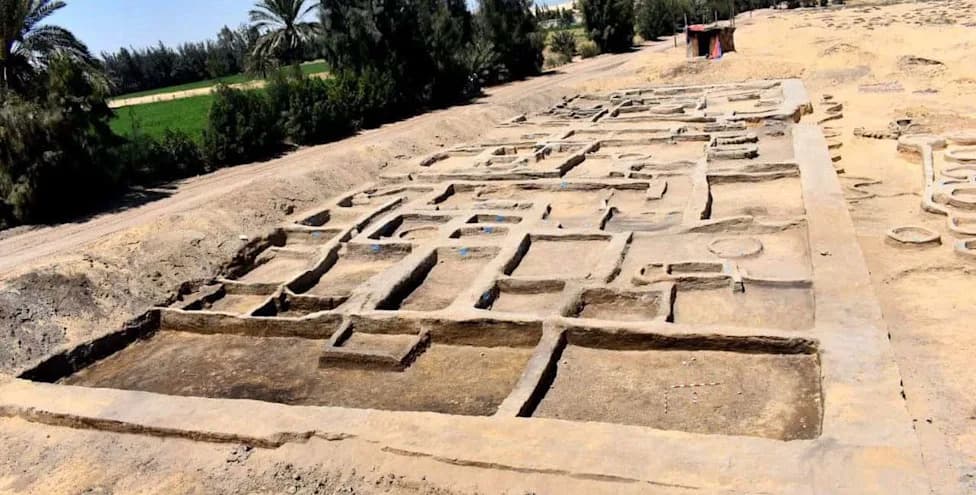
Excavated residential complex at Tell el-Koua, Ismailia Governorate, dating to the Second Intermediate | ©Image Credit: Ministry of Tourism and Antiquities
Archaeologists excavating Tell el-Koua in Wadi Tumilat, Ismailia Governorate, have revealed a substantial, long‑lived settlement dating to the Second Intermediate Period (c. 1650–1550 BCE). The discovery, announced by Egypt's Ministry of Tourism and Antiquities in late June, offers an unusually detailed look at everyday life during the turbulent transition from Hyksos rule to the New Kingdom.
Site and Historical Context
Wadi Tumilat served as a vital corridor linking the eastern Nile Delta with Egypt's eastern frontier. Evidence from Tell el-Koua indicates sustained occupation from the Fifteenth Dynasty into the Eighteenth Dynasty, spanning the Hyksos period and the subsequent native Egyptian resurgence.
What the Excavations Found
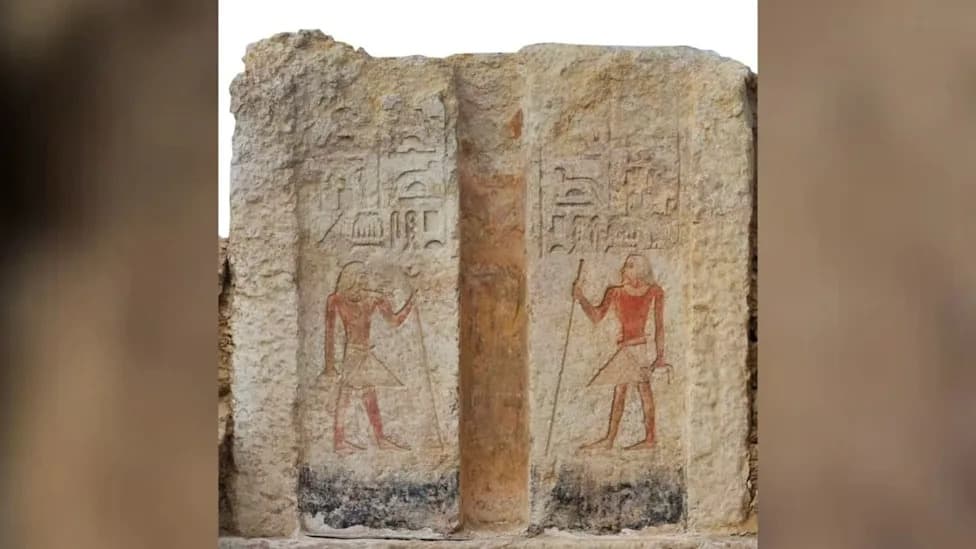
Excavators uncovered ten mudbrick tombs, house outlines eroded to their foundations, ovens for pottery production, and multiple grain silos — all within a surrounding enclosure wall. Smaller finds included scarab amulets, bronze tools, pottery sherds and alabaster jars likely used for cosmetics. Mixed human and animal bones were recovered and interpreted as remnants of meals and funerary offerings.
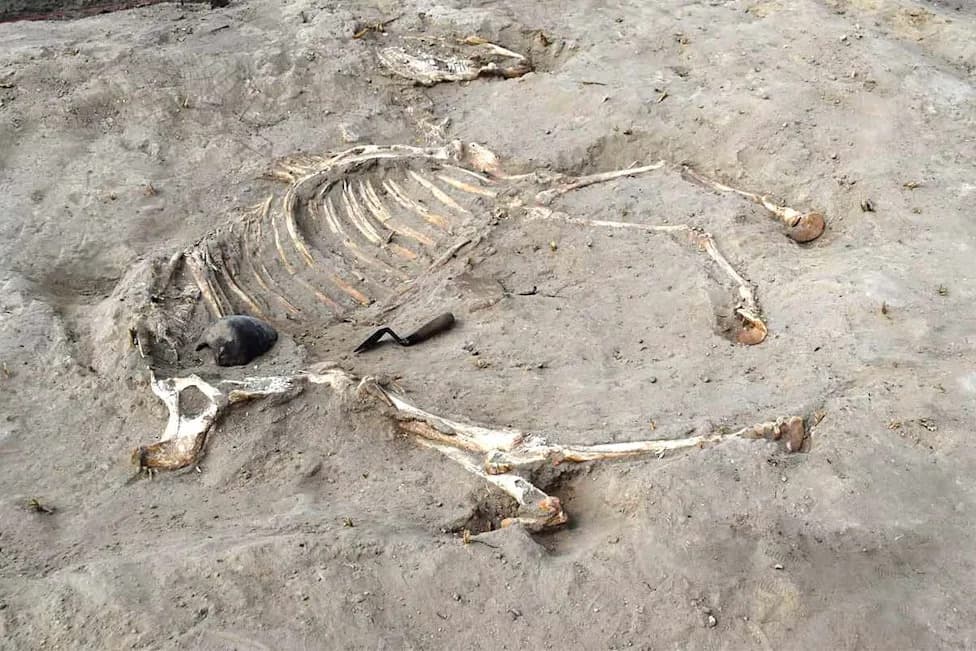
For the first time at this location, archaeologists also identified human burials outside the formal mudbrick tombs. Several of these individuals were interred in a crouched position, an uncommon practice for this site that researchers say requires further study.
Notable Architecture and Economy
One unusually large building measures nearly 98 by 197 feet (about 30 by 60 meters), with interior halls and chambers still visible in the soil. Just east of this structure lie kilns and additional grain storage, underlining the community's production and storage capabilities. The spatial relationship between domestic dwellings, cooking vessels, kilns and silos suggests Tell el-Koua operated as a largely self‑sustaining settlement rather than a transient military or trading outpost.
Significance
While some commentators note that the Second Intermediate Period is often invoked as a possible historical setting for narratives like the biblical Exodus, specialists remain divided about any direct connection to biblical texts. Regardless, the Tell el-Koua finds provide important archaeological data on daily life, mortuary practices and local economy during a critical, unstable phase in Egypt's history.
Sources: Ministry of Tourism and Antiquities; field reports summarized in public releases; contemporary media coverage.
Help us improve.