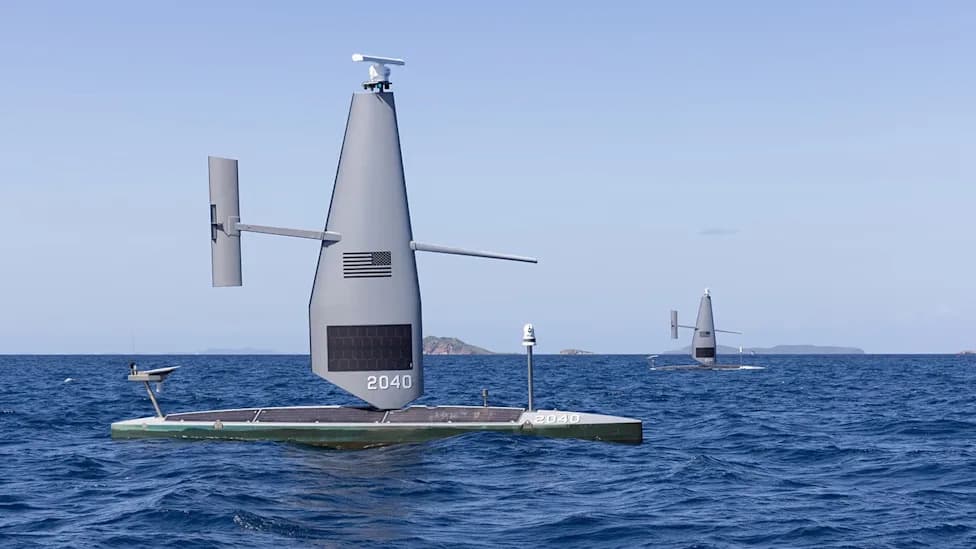
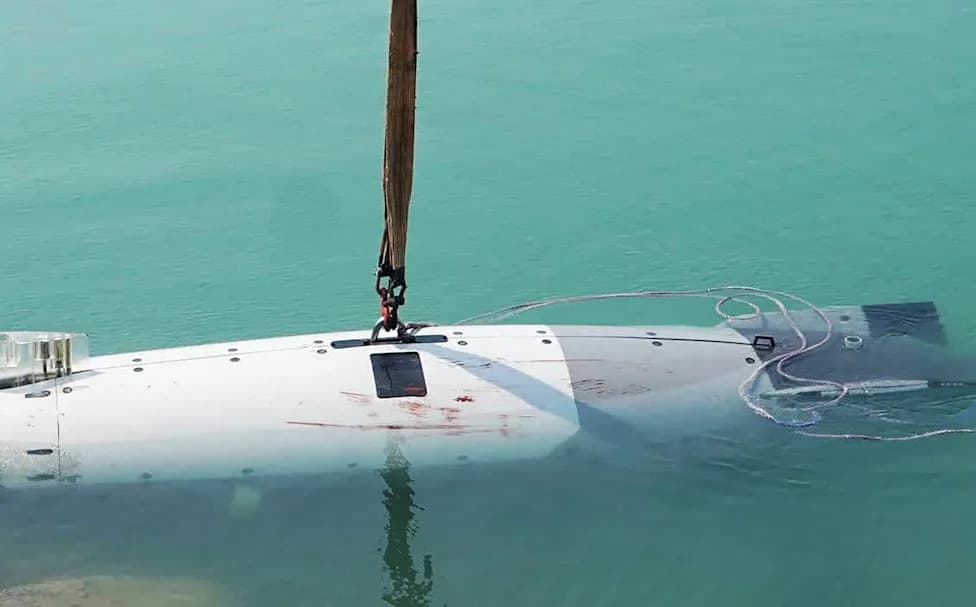
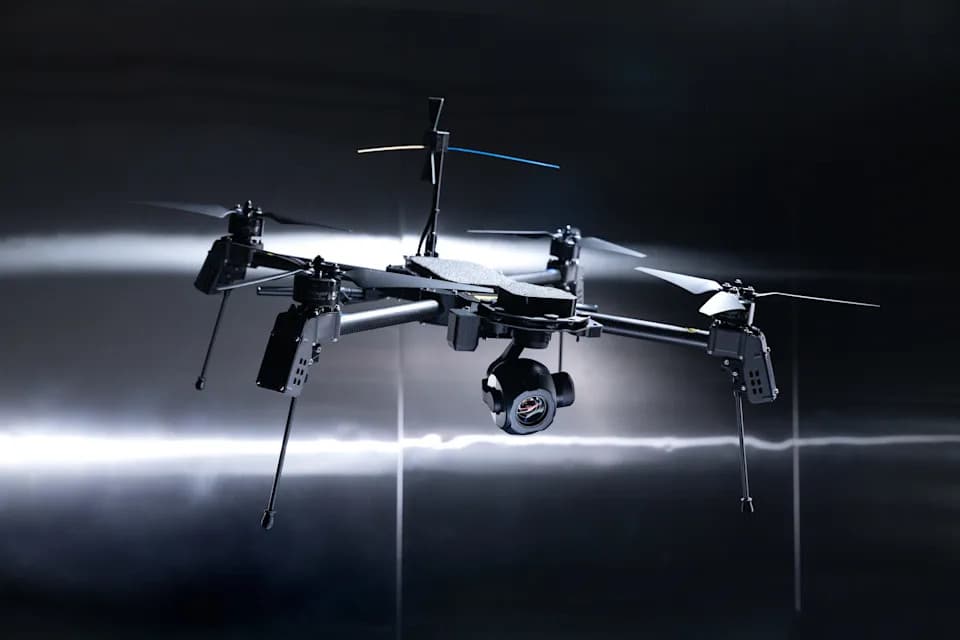
Unmanned surface vessels (USVs) are transforming naval operations. Recent events — a USV rescue off Oman, BlackSea's GARC used in Baltic live-fire drills, and widespread Ukrainian use of sea drones in the Black Sea — show how modular, lower-cost platforms can perform reconnaissance, rescue, electronic warfare and strike tasks. Navies are shifting toward hybrid fleets, and doctrine, procurement and training must adapt to exploit USV advantages while managing new risks.
How Drone Boats Are Rewriting Naval Warfare — Could They Replace Large Warships?
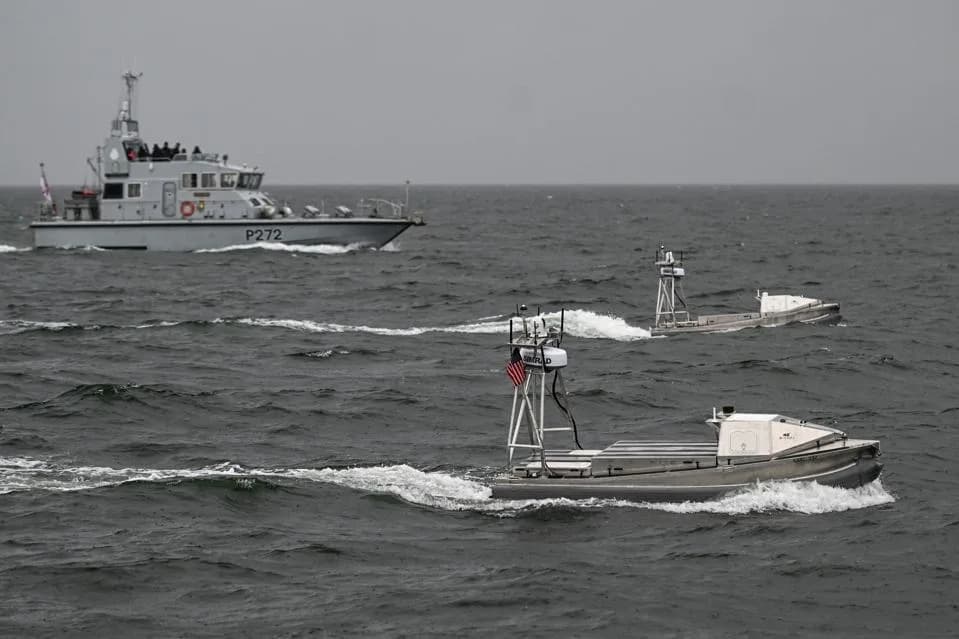
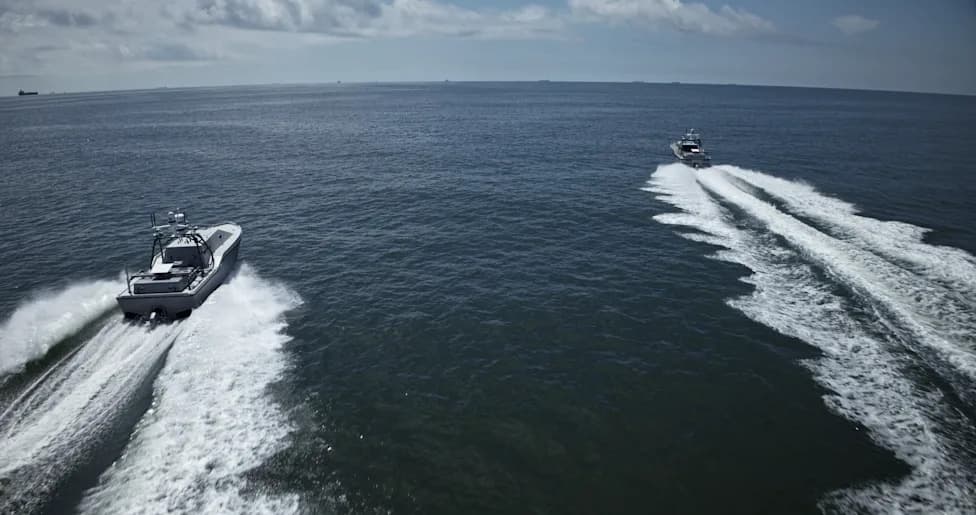
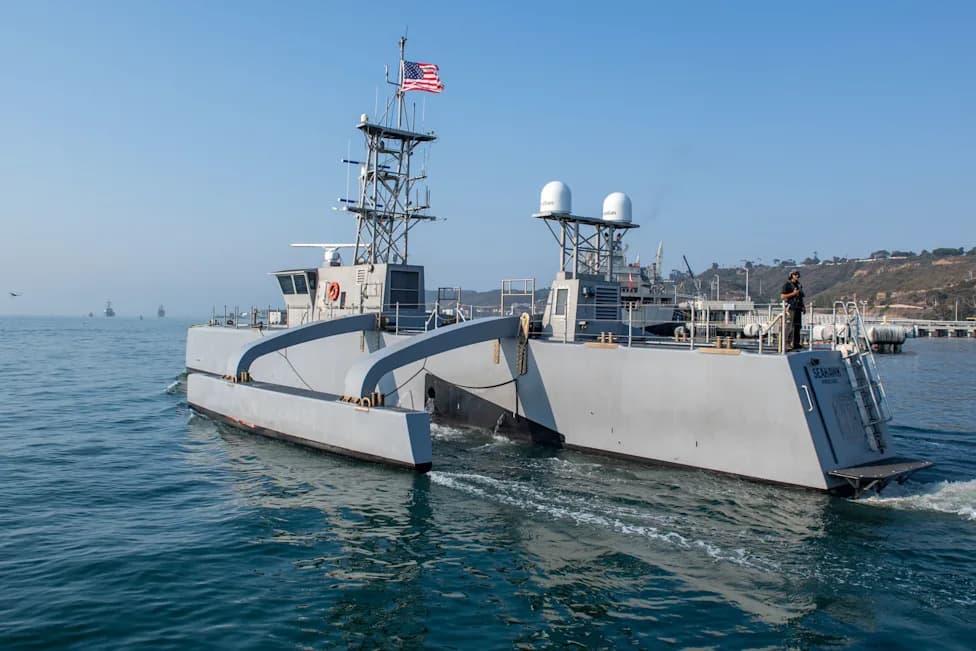
Several U.S. Navy Unmanned Surface Vessel (USV) drone boats sail next to a British Royal Navy P200 Patrol Craft during a NATO exercise in June off the coast of Poland. The USVs worked with manned NATO vessels to test NATO warships tactics, techniques and procedures to counter USV swarms at sea. (Photo by Omar Marques/Getty Images)Getty Images
Unmanned surface vessels (USVs), commonly called drone boats, are rapidly reshaping operations at sea. Recent demonstrations — from a USV rescue off Oman to live-fire exercises in the Baltic — show these platforms expanding beyond reconnaissance and kamikaze strikes into rescue, electronic warfare and mothership roles that once required much larger vessels.
Notable Demonstrations
In a high-profile incident off the coast of Oman, a Saronic Corsair unmanned surface vessel helped recover downed American crew members of an Apache AH-64 attack helicopter, illustrating a life‑saving application of human‑machine teaming in a contested environment.
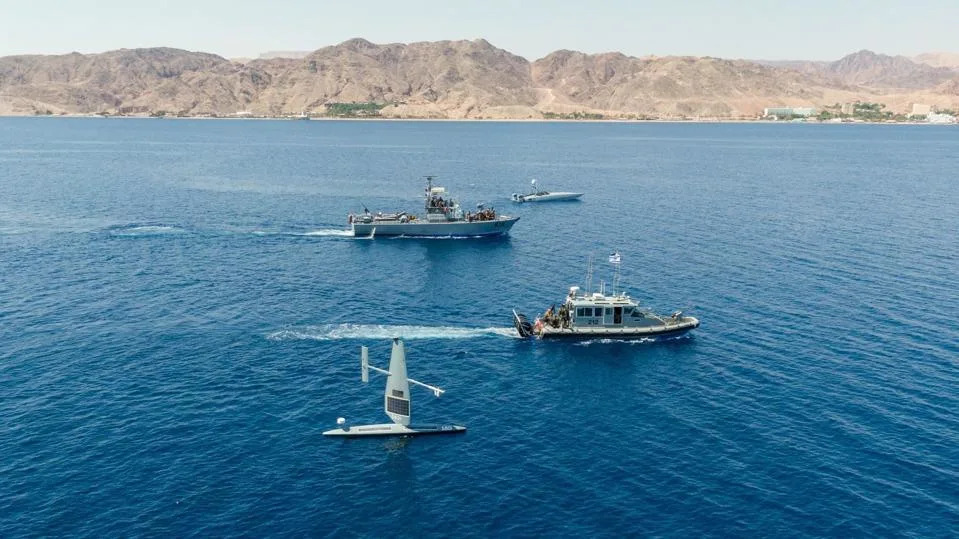
Vessels from the Israeli Navy and U.S. Naval Forces Central Command operate in the Gulf of Aqaba with two unmanned surface vessels, a Devil Ray T-38, top, and Saildrone Explorer, bottom, during an exercise in 2022. (Courtesy Photo)
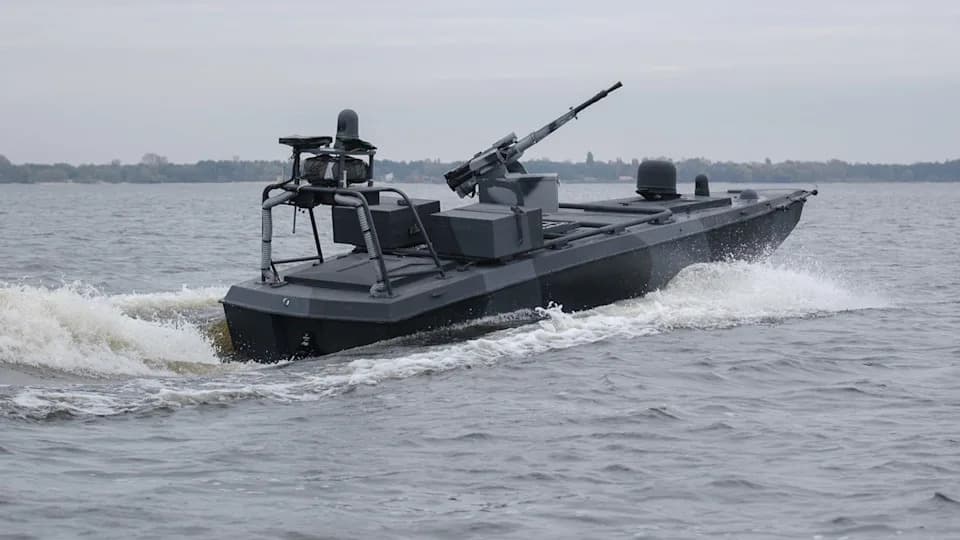
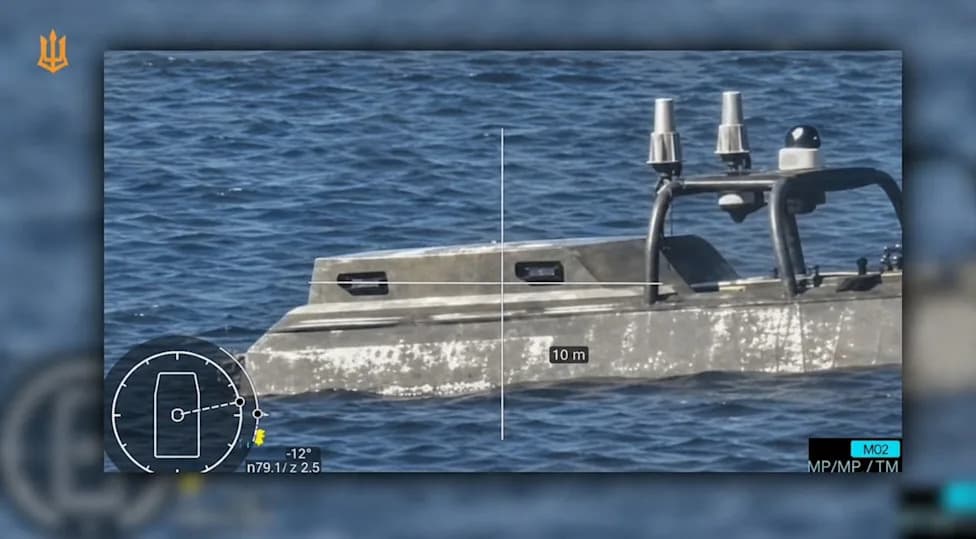
Ukrainian forces have used small, explosive-laden drone boats extensively against Russian ships in the Black Sea, proving the tactical value of low-cost, expendable surface drones. Ukraine's Sea Baby USV has also evolved to carry FPV (first-person-view) drones and heavier payloads, including reports of thermobaric rockets in some variants.
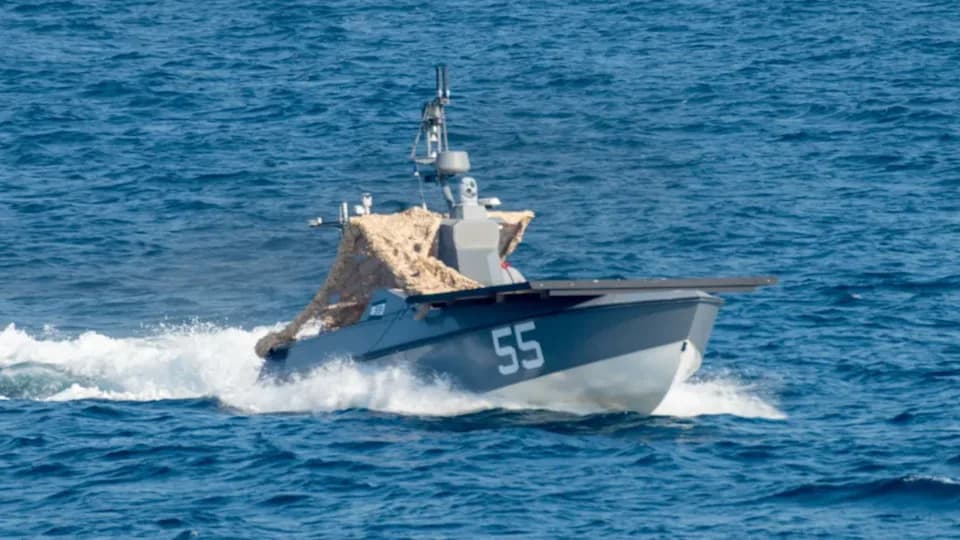
In NATO exercises off Poland and the Baltic Sea, U.S. Navy USVs maneuvered alongside manned ships to test counter-swarm tactics. The U.S. Navy reportedly used BlackSea Technologies' 16-foot Global Autonomous Reconnaissance Craft (GARC) in a live-fire sinking exercise after integrating the platform into regional drills.
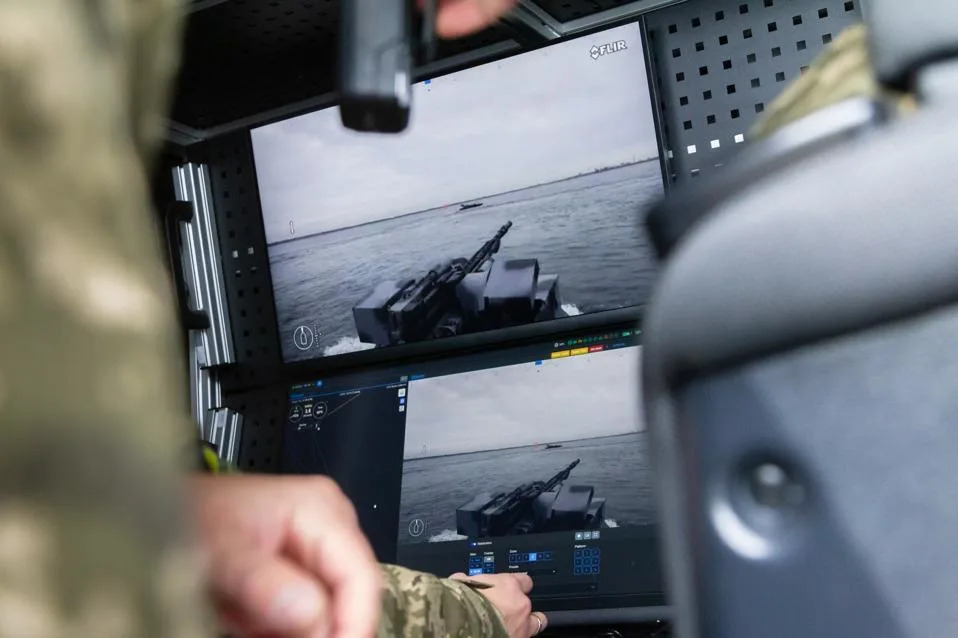
A Ukrainian operates a next-generation multipurpose Sea Baby USV in October 2025. (Photo by Kyrylo Chubotin/Ukrinform/NurPhoto via Getty Images)
Platforms and Industry Trends
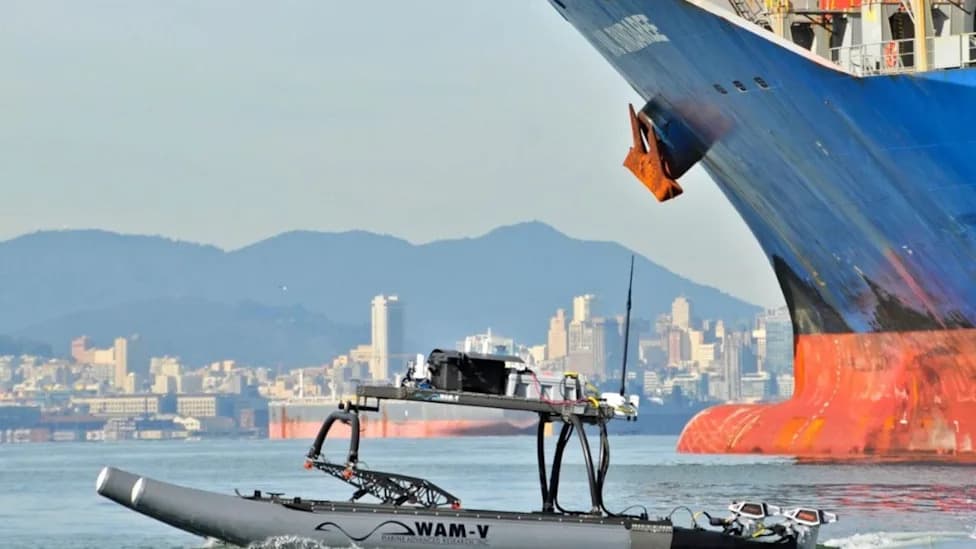
Companies such as MARTAC produce modular designs like the MANTAS T-12, a platform the Pentagon provided to the Philippine Navy in 2024. Modularity lets operators swap mission packages — from lightweight torpedoes and unmanned underwater vehicles (UUVs) to sensors and communications suites — accelerating iteration and deployment compared with large manned ships.
The U.K. Ministry of Defence, working with ACUA Ocean and Teledyne FLIR, demonstrated launching a tethered unmanned aircraft system from ACUA’s Pioneer: a boat-like platform that can act as a mothership for aerial and sub-surface drones. Such demonstrations underscore a growing role for USVs as mobile launch and recovery nodes.
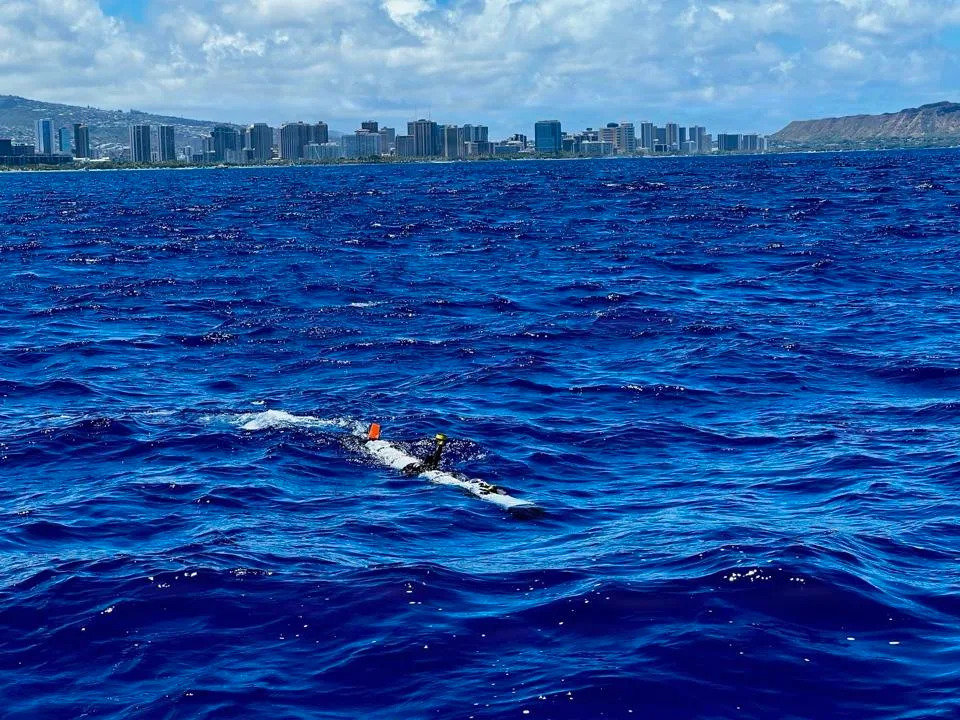
An IVER-3 580 unmanned undersea vehicle, assigned to Unmanned Undersea Vehicle Group (UUVGRU) 1, maneuvers off the coast of Hawaii in July 3, 2026. Thirty nations, 30 ships, five submarines, 15 national land forces, more than 190 aircraft and more than 30,000 personnel took part in the exercise. (U.S. Navy photo by Lt. Cmdr. Noah Singer)
"The value of a USV is that you can constantly be iterating and innovating as quickly as technology is coming out, and then placing them and scaling them in a way that you couldn't with larger fleets," said Jim Harvey, Chief Technology Officer at MARTAC.
Capabilities: More Than Cheap Stand-Ins
Modern USVs do more than scout or deliver explosives. They can:
- Launch and recover unmanned aerial systems (UAS) of multiple sizes.
- Tow, deploy and act as relay nodes for UUVs and loitering munitions.
- Conduct electronic warfare: jamming, spoofing and signal disruption.
- Serve as low-cost platforms for weapons, sensors and specialized payloads.
Operational and Strategic Implications
Smaller autonomous vessels are cheaper to build and faster to field than large surface combatants. They can perform many functions historically assigned to full-sized ships, acting as miniature aircraft carriers or mobile submarine pens. As they take on more roles, navies are experimenting with hybrid fleets that combine manned vessels and unmanned platforms.
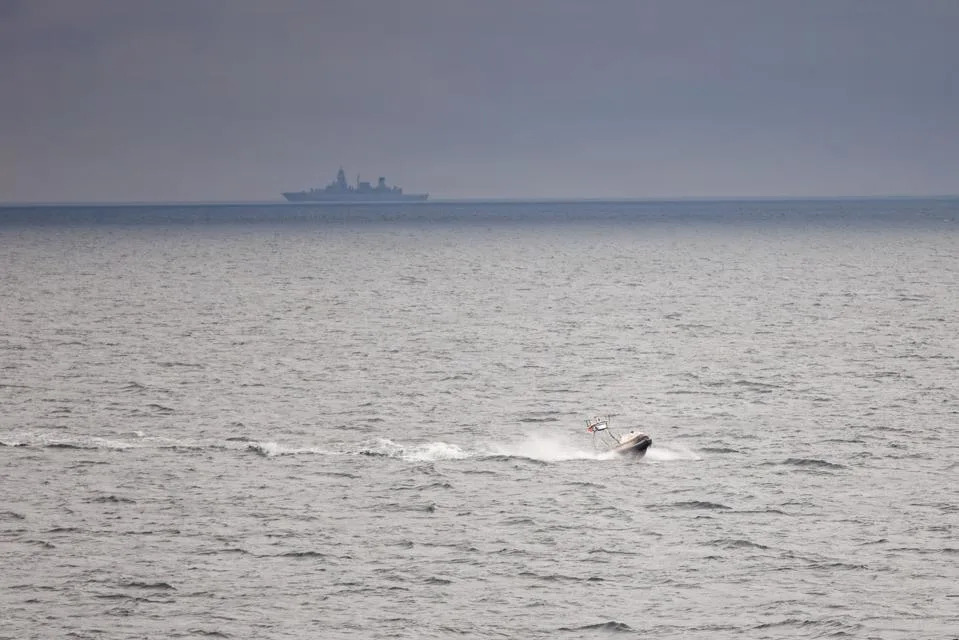
A global autonomous reconnaissance craft (GARC), assigned to Unmanned Surface Vessel Squadron (USVRON) 3 Division 32, performs a swarm exercise in the Baltic Sea in June 2026. (U.S. Navy photo by Chief Mass Communication Specialist Chad M. Butler)
While manned warships are unlikely to vanish entirely, many traditional functions can be distributed to unmanned systems at far lower risk to personnel. This shift affects doctrine, procurement, training and rules of engagement. Militaries will need to adapt tactics to manage command-and-control, countermeasures, logistics and legal questions tied to autonomous and remotely operated systems.
Conclusion
USVs are evolving from niche tools into multipurpose force multipliers. Their affordability, modularity and rapid innovation cycle are changing how states project power and protect assets at sea. Navies that update doctrine, procurement practices and training to integrate these capabilities will gain flexibility and resilience — while those that ignore the trend risk being outpaced.
Originally published on Forbes.com. Photo captions referenced in source reporting have been retained in the narrative where relevant.
Help us improve.