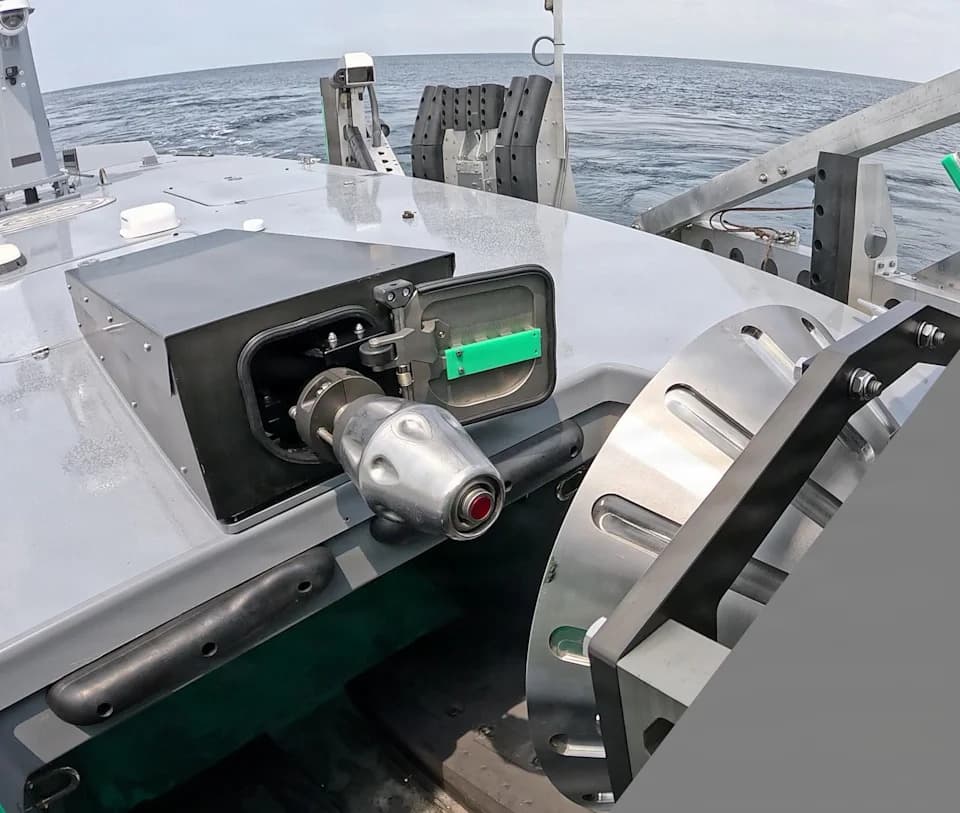
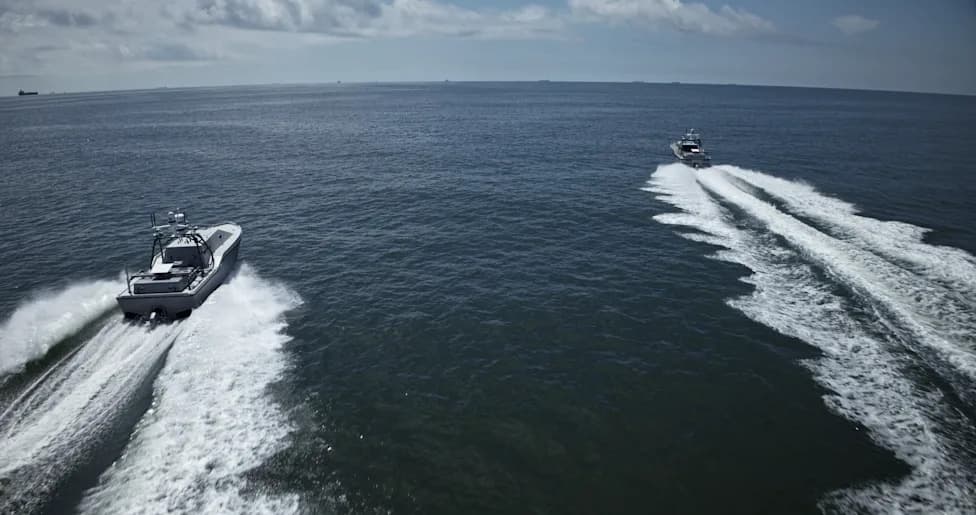
Ocean Power Technologies deployed three classes of WAM‑V unmanned surface vessels at REPMUS 2026, supporting five mission sets including rapid environmental assessment, mine countermeasures and above‑water warfare. The WAM‑V 8 delivered bathymetric surveys in surf zones, the WAM‑V 16 supported mine countermeasure tasks in harbor approaches, and the WAM‑V 22 performed ISR and surface target identification while also training U.S. personnel. OPT's vessels uniquely integrated with U.S. command‑and‑control at the exercise. OPTT shares rose about 9% following the deployment.
Ocean Power Technologies' WAM-V Fleet Proves Operational at NATO-Led REPMUS 2026 — OPT Shares Rise 9%
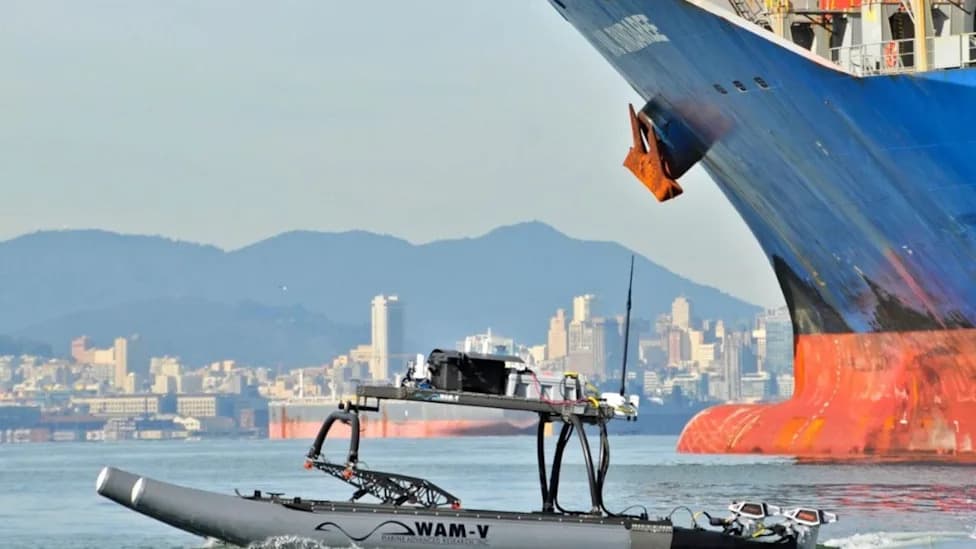
Ocean Power Technologies deploys three WAM-V classes in NATO maritime exerciseProactive uses images sourced from Shutterstock
Ocean Power Technologies Inc. (NYSE-A: OPTT) deployed three classes of its WAM-V unmanned surface vessels across multiple mission sets during REPMUS 2026, the multinational robotic experimentation exercise led by the Portuguese Navy.
The annual exercise, run in partnership with NATO, the University of Porto and the European Defence Agency, brings together military forces, academia and industry to test and integrate unmanned systems into real-world maritime operations with an emphasis on allied interoperability.
Multi‑mission employment: OPT reported that its vessels supported five mission sets at REPMUS: rapid environmental assessment, mine countermeasures, harbor security, surveillance and reconnaissance (ISR), and above‑water warfare.
The smaller WAM-V 8 conducted rapid environmental assessment tasks, delivering bathymetric survey data in amphibious surf zones to support landing and raiding forces and was beach‑launched to operate ahead of amphibious operations. The mid‑size WAM-V 16 supported mine countermeasures operations in beach and harbor approaches to enhance harbor security. The largest platform, the WAM-V 22, operated in above‑water warfare roles—performing surface target identification under operational tasking—and carried out ISR missions.
OPT highlighted that its vessels integrated with U.S. command‑and‑control systems during the exercise and were the only U.S. unmanned surface vessels to do so. A WAM‑V 22 was also used to train U.S. Navy and U.S. Marine Corps personnel in basic autonomous operations.
"The test of an unmanned system isn't whether it performs at a demonstration. It's whether an operational commander will task it alongside everything else he's responsible for," said Jason Weed, COO of OPT.
"At REPMUS, our vessels weren't on display; they were given work. Three different classes, five different missions, inside someone else's operational picture. That's the capability our customers are actually buying."
Market reaction: Shares of OPTT rose about 9% in Monday trading following the announcement.
Why it matters: The deployment demonstrated multi‑platform flexibility, real operational tasking under coalition command and the ability to train allied personnel—factors important to militaries seeking interoperable, mission‑ready unmanned surface vessels.
Help us improve.