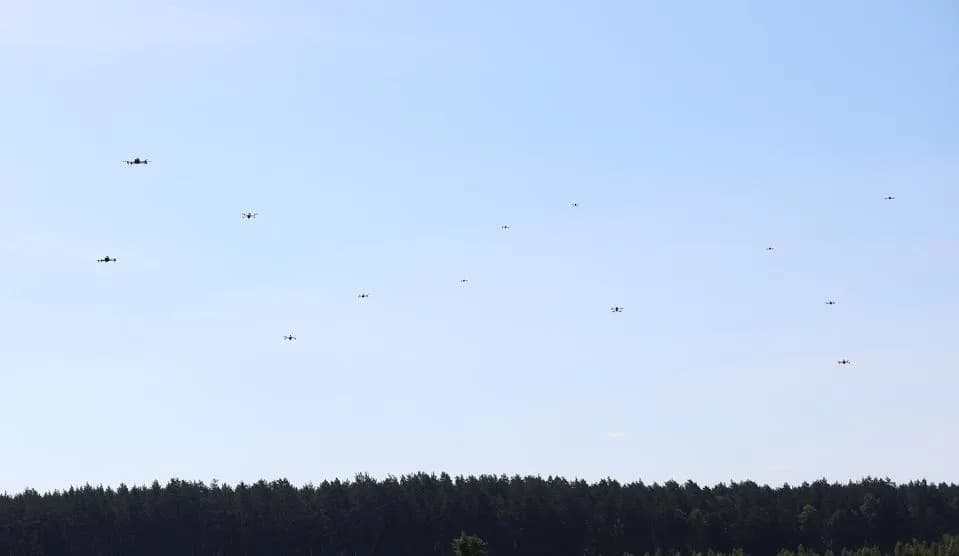
Small unmanned aircraft systems are being integrated into mortar operations to find targets, deliver precise coordinates, and observe rounds in flight. In a recent Washington Army National Guard exercise, Bumblebee V2 and Black Widow drones tightened the "sensor-to-shooter" chain and helped crews assess impact points. The tactic promises improved accuracy and faster engagement cycles, but brings counter-UAS and command-and-control challenges that must be managed.
How Small Drones Are Teaming With Mortar Crews to Sharpen Indirect Fire
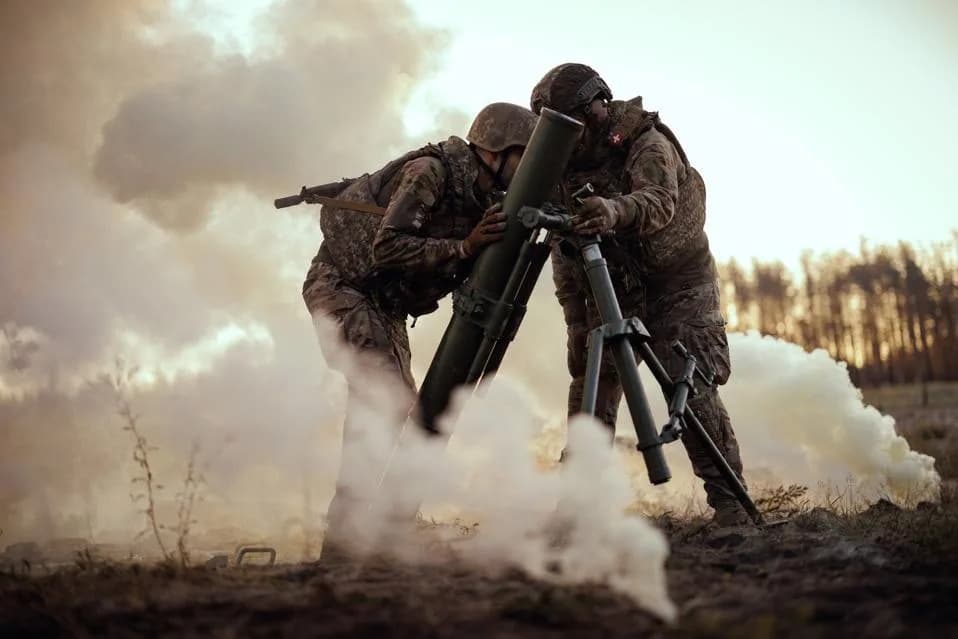
Ukrainian soldiers fire a 120 mm mortar in July 2025. (Photo by Oleg Palchyk/Global Images Ukraine via Getty Images)Global Images Ukraine via Getty Images
Unmanned aircraft systems are changing battlefield tactics yet again: small drones are now being used to support mortar crews, improving target acquisition, strike accuracy, and post-impact assessment.
This month the Washington Army National Guard integrated small unmanned aircraft systems (UAS) into live indirect-fire training with 120 mm mortar crews. The drones located targets, provided precise coordinates to mortar teams, observed rounds in flight, and inspected impact sites to help crews evaluate effects and adjust fire.
Our training objective was to successfully incorporate UAS systems into the indirect fire sensor-to-shooter chain. We exceeded expectations.
— Lt. Col. Josh Brown, Commanding Officer, 3rd Battalion, 161st Infantry Regiment
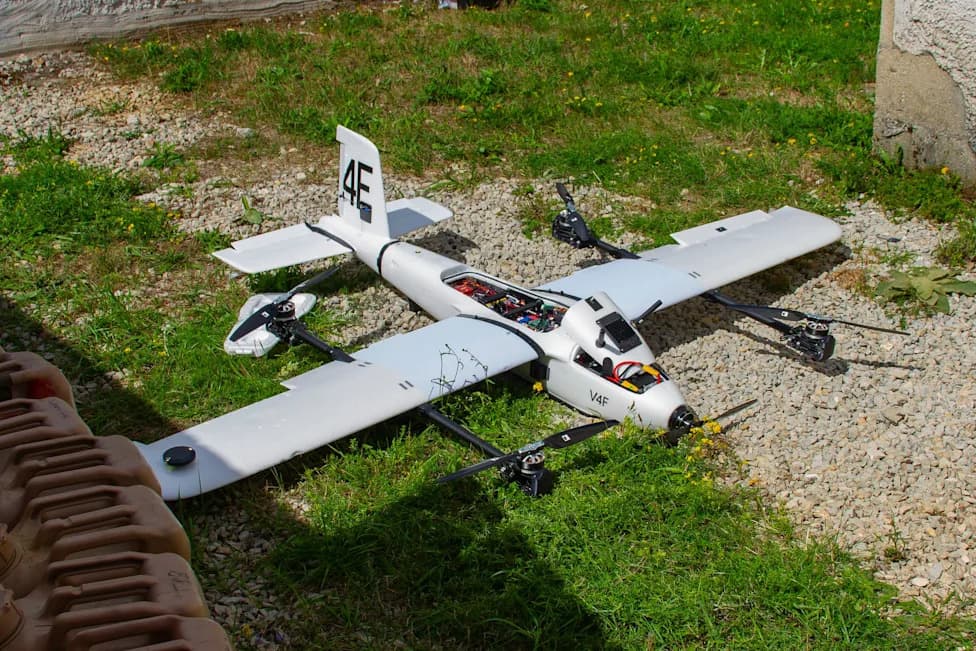
The Guardsmen evaluated two platforms during the exercise: the Bumblebee V2 and the Black Widow. The Bumblebee V2 has earned a reputation as an effective interceptor and so-called "drone-hunter," capable of detecting and engaging hostile small UAS. The Black Widow is described by handlers as a persistent stalking platform with offensive potential and strong reconnaissance capabilities.
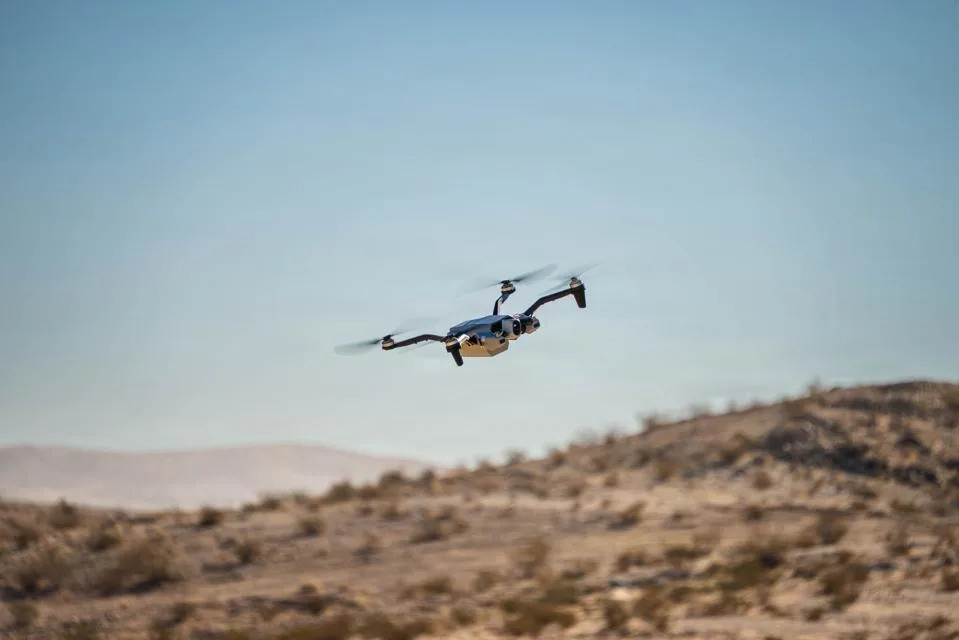
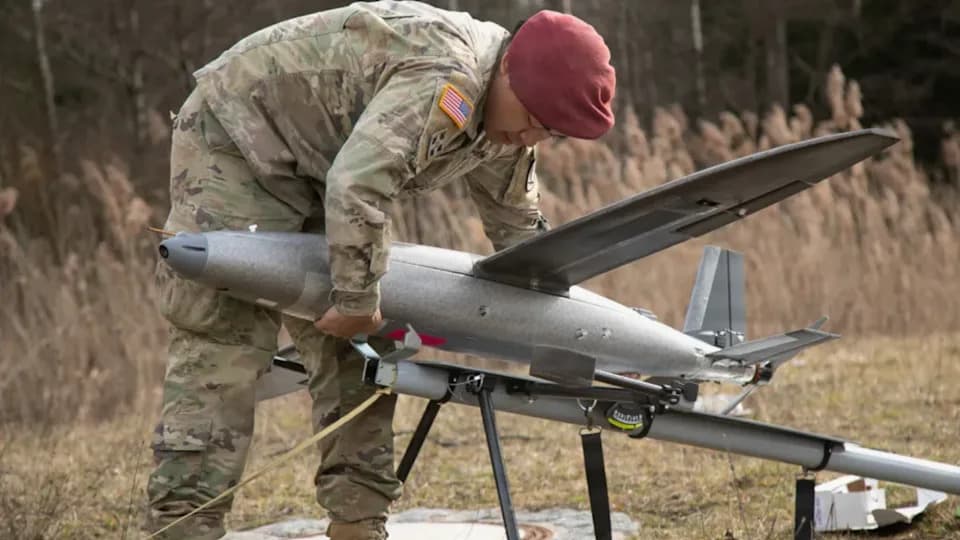
A Black Widow small unmanned aircraft system is midflight during a training exercise in November 2025. Much like the deadly spider it is named after, the system offers lethality and enhanced stalking abilities. (U.S. Army photo by Spc. Julian A. Winston)
What the Drones Did
The small UAS performed several roles in the exercise: rapid reconnaissance to find and designate targets, delivery of geolocation data to mortar crews, real-time observation of round trajectories to confirm corrections, and rapid post-impact assessment by surveying strike points. These functions tightened the "sensor-to-shooter" loop and reduced the time between detection and effective engagement.
Why This Matters
Mortars are among the oldest indirect-fire systems in military use, and their basic concept has remained largely consistent for decades. Pairing them with networked small drones represents a notable operational shift. Widespread adoption of this tactic could increase accuracy, accelerate target engagement cycles, and make it harder for adversaries to conceal positions or avoid counterfire.
Risks and Considerations
The integration of autonomous and semi-autonomous systems into combat raises important questions: electronic warfare and counter-UAS threats could degrade performance, reliance on drones introduces new vulnerabilities, and rules of engagement and escalation risks must be carefully managed. Training, doctrine development, and robust C2 (command-and-control) safeguards will be critical as this tactic matures.
While the use of Bumblebee V2 and Black Widow in this U.S. Army National Guard exercise is not yet doctrine, it demonstrates a practical application of small UAS that could proliferate across units and allied forces.
Help us improve.