Health teams in Mukalla are combing slum neighbourhoods to find and eliminate mosquito breeding sites as Yemen faces a renewed dengue outbreak. Government-monitoring system eIDEWS recorded 7,815 suspected cases and 33 deaths from Jan 4 to Jul 18, 2026, with Hadramout hardest hit. Overstretched hospitals such as Ibn Sina saw daily surges—one day exceeded 60 suspected cases—and authorities warn that late treatment, poor sanitation and widespread household water storage practices are fueling transmission. Officials say stronger funding, community cooperation and public awareness are crucial to control the outbreak.
Yemen Races to Contain Dengue as Mosquito Breeding Sites Thrive in Mukalla Slums
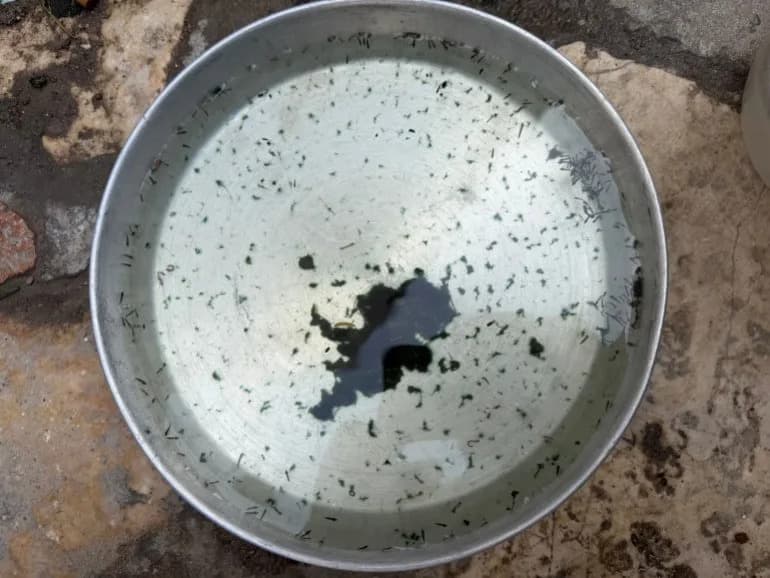
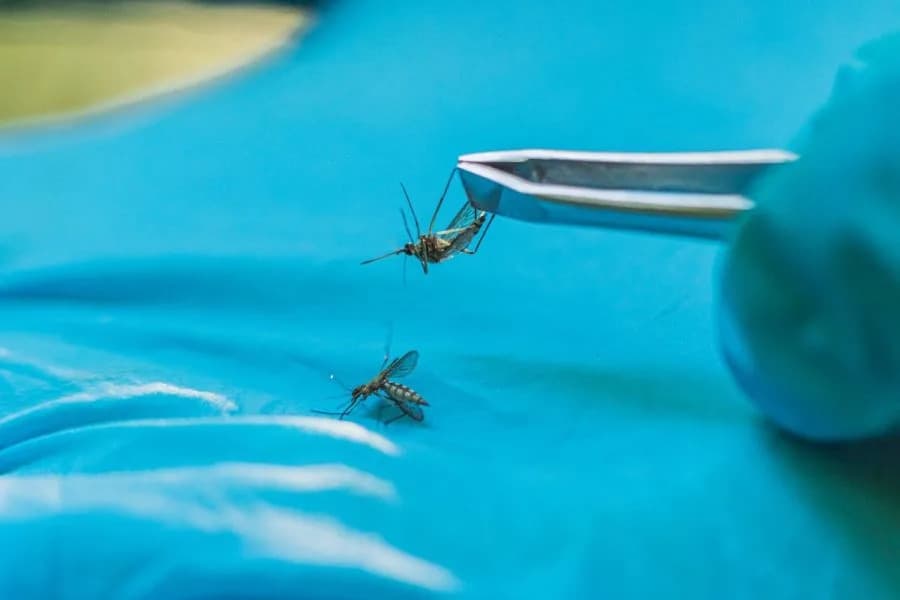
Mosquito larvae collected from stagnant water in a slum area of Mukalla. Health workers say the larvae develop into mosquitoes that transmit dengue fever and malaria [Saeed Al-Batati/Al Jazeera]
Mukalla, Yemen — Under a blazing sun and heavy humidity, Salem bin Shabz and his team of health workers move slowly through the narrow alleys of Al-Koud, a crowded slum in the port city of Mukalla. Armed with long-handled dippers and sample containers, they stop at every pool of stagnant water to search for mosquito larvae amid a renewed dengue outbreak.
Outbreak And Local Impact
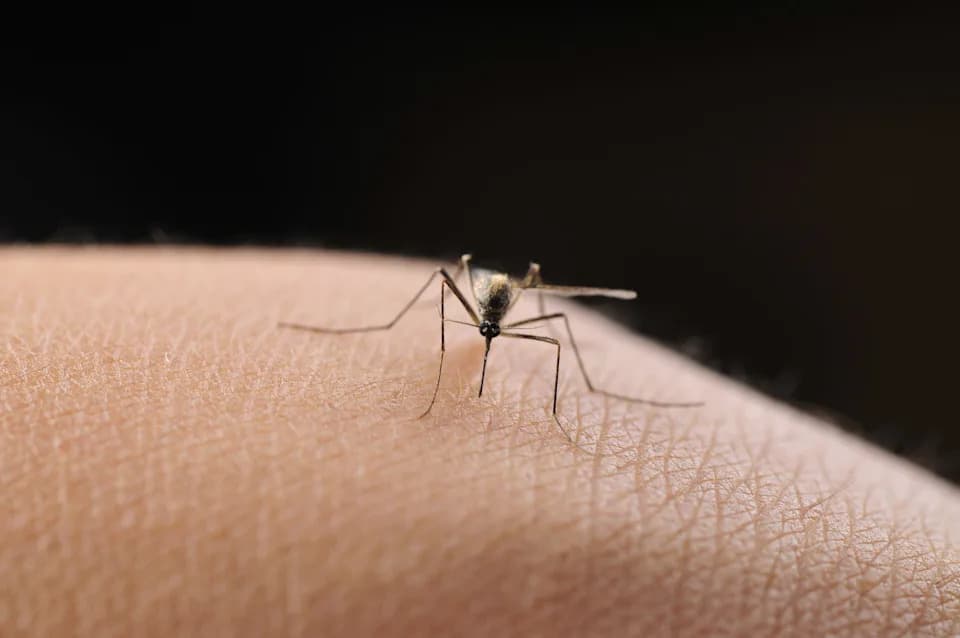
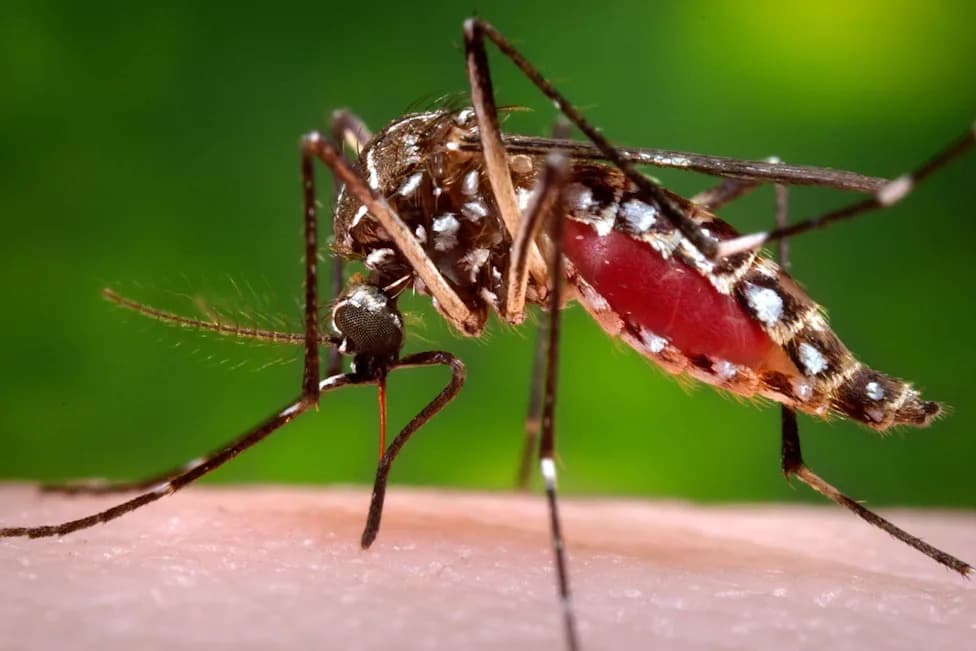
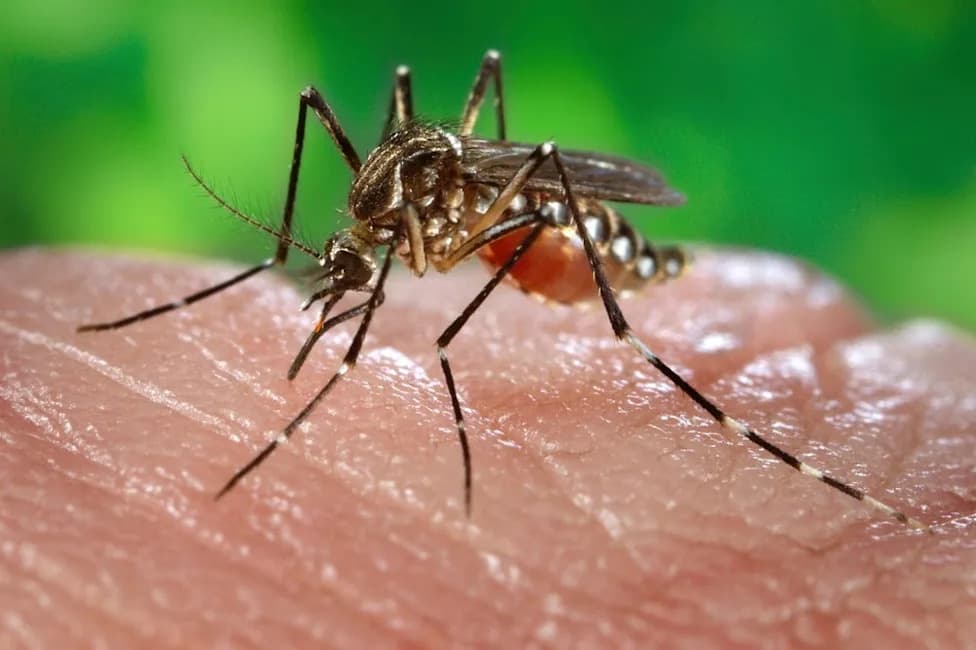
Health teams have repeatedly found breeding sites across Al-Koud, confirming the presence of both Aedes mosquitoes, which transmit dengue, and Anopheles mosquitoes, which spread malaria. According to the Aden-based Electronic Integrated Disease Early Warning System (eIDEWS), 7,815 suspected dengue cases and 33 deaths were reported in government-controlled areas between 4 January and 18 July 2026. Hadramout was hardest hit with 2,204 cases, followed by Aden (1,639), Abyan (962), Shabwa (951) and Taiz (770).
Hospitals Under Pressure
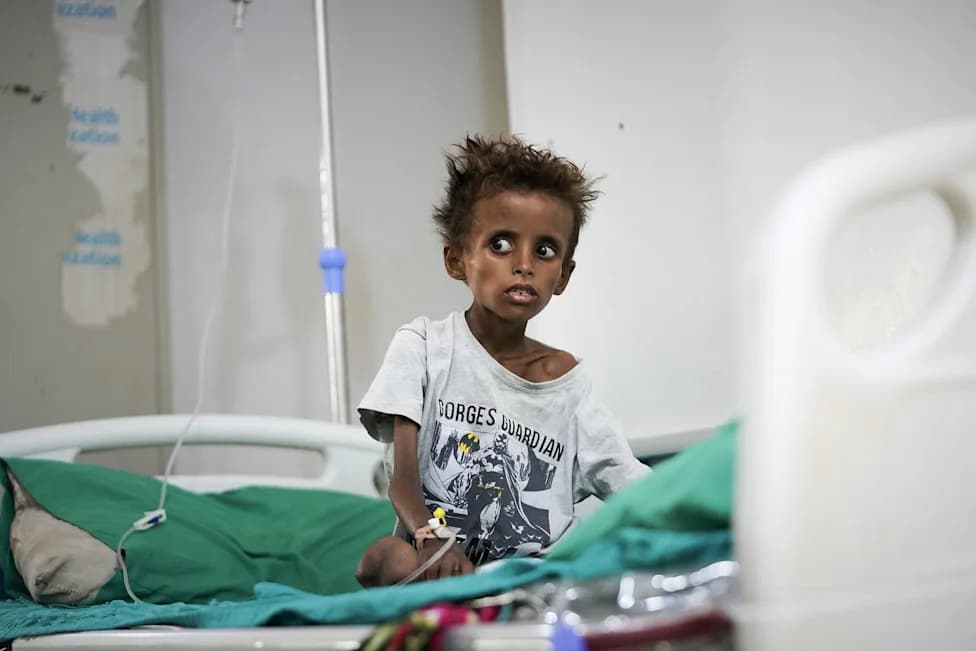
Thousands of suspected dengue patients have sought care across Aden, Taiz, Abyan and Hadramout, straining an already fragile health system weakened by years of conflict and underfunding. At the peak of the outbreak in May, Ibn Sina Hospital in Mukalla handled more than 60 suspected dengue patients in a single day. "During one 24-hour shift, we used one and a half boxes of dengue testing kits to process samples from 65 suspected patients," said Mohammed Omer, head of the hospital laboratory.
Response: Surveillance And Vector Control
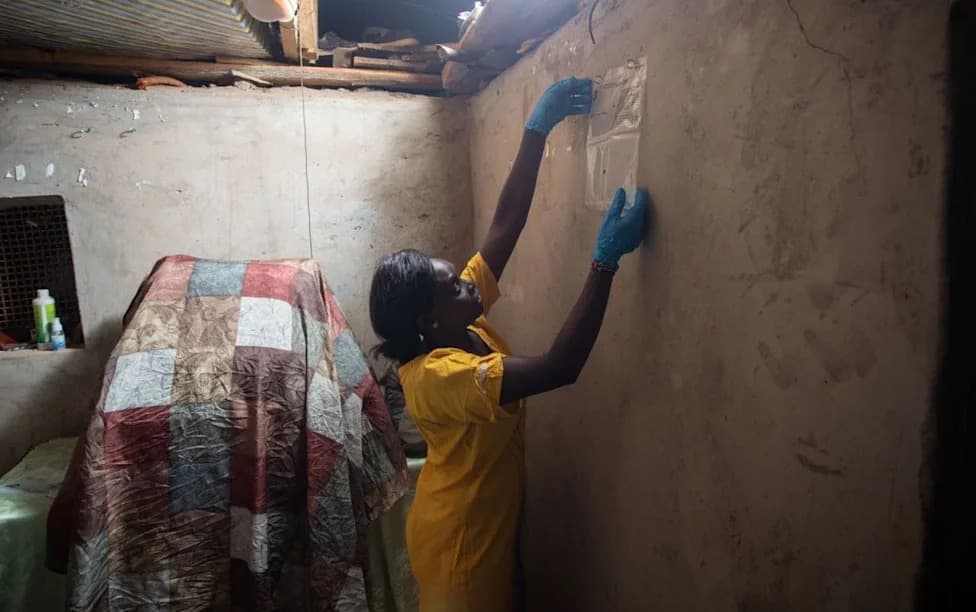
The government-led response in areas under its control combines active surveillance, community outreach, insecticide spraying, larval control and training for health staff to diagnose and manage dengue cases in hospitals and clinics. Vector-control teams visit neighborhoods, drain standing water where possible and advise residents on simple but effective measures such as covering water tanks.
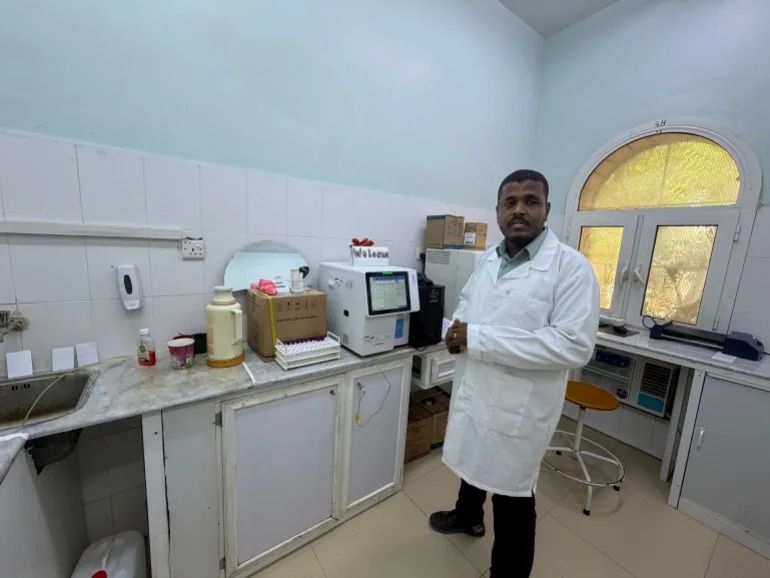
Mohammed Omer, head of the laboratory at the government-run Ibn Sina Hospital in Mukalla, said his laboratory handled more than 60 suspected dengue fever cases at the peak of the outbreak in May [Saeed Al-Batati/Al Jazeera]
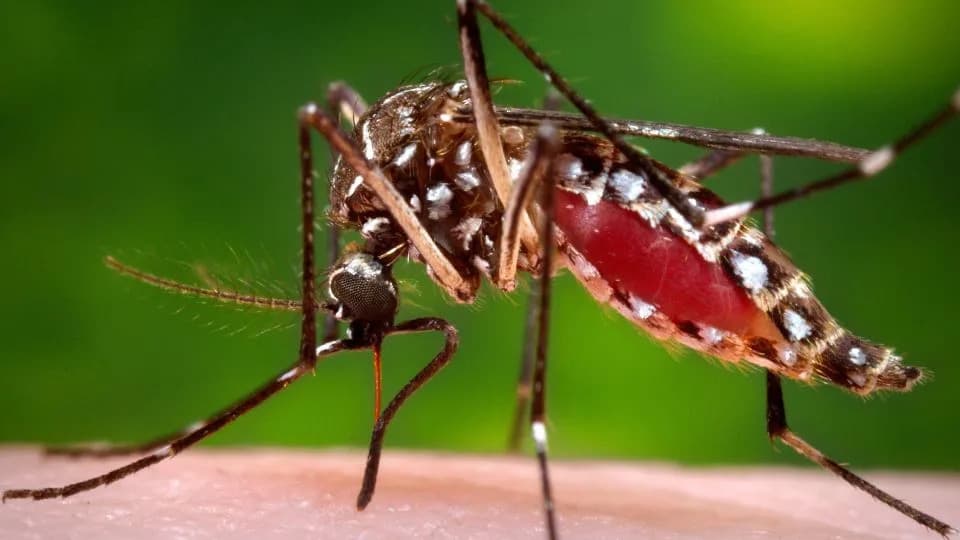
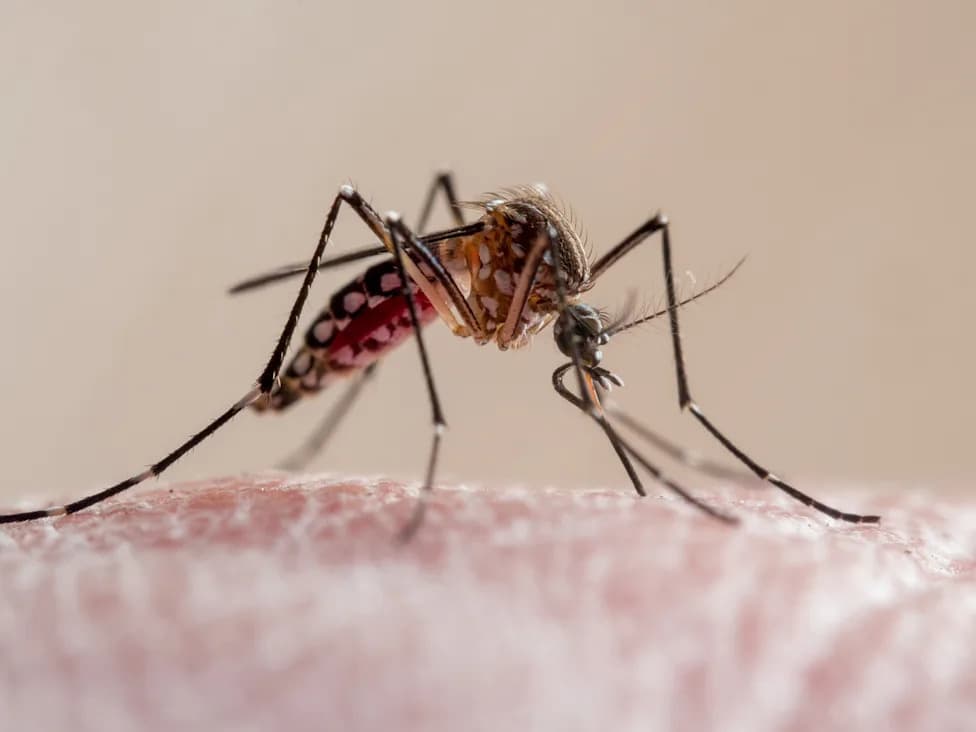
"This type is Anopheles, which transmits malaria, while the other is Aedes, the mosquito that spreads dengue fever. We collect the larvae, place them in containers and identify them before taking the necessary control measures," said Salem bin Shabz, an insect surveillance officer with the National Malaria Control Programme (NMCP).
Persistent Challenges
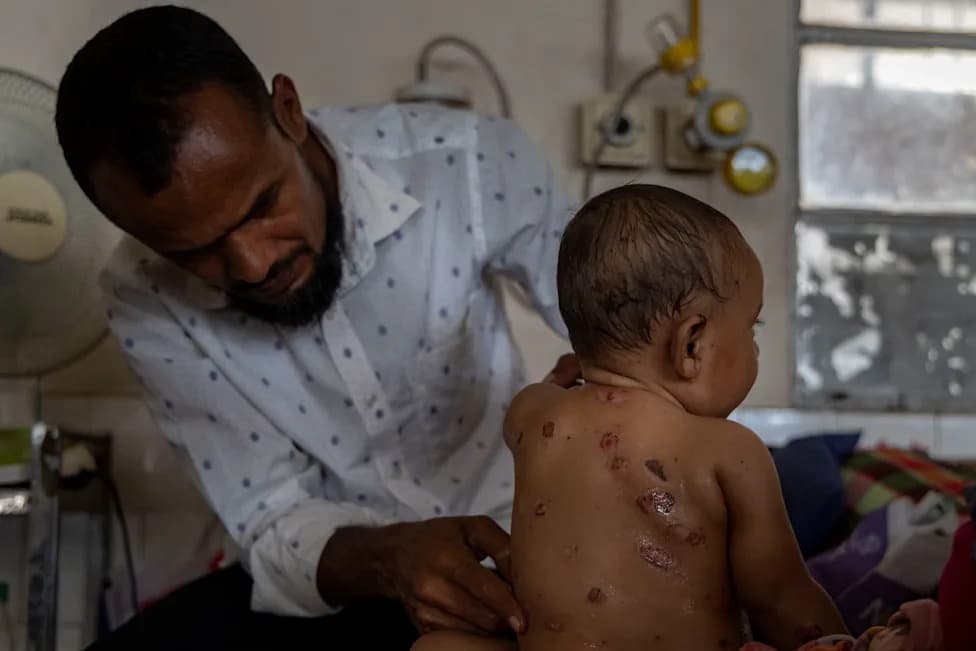
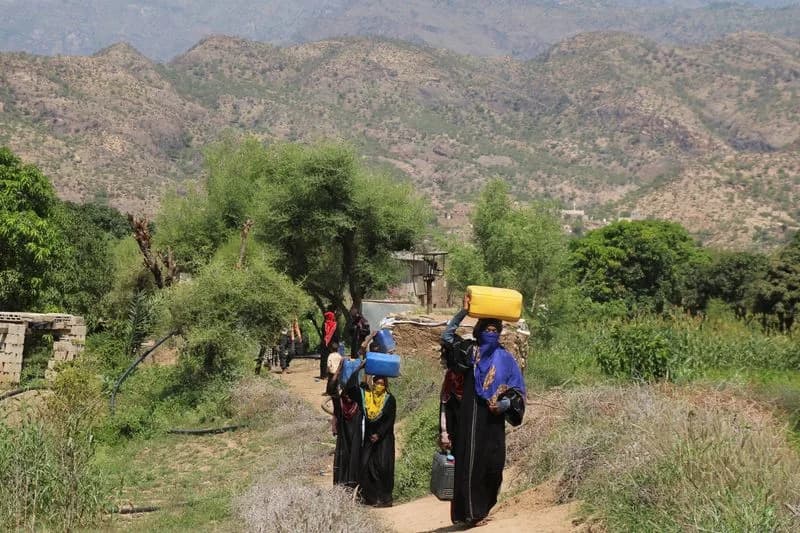
Control efforts are hindered by multiple factors: limited funding for sustained campaigns, low public awareness of dengue prevention and early treatment, widespread household water storage in poorly sealed or uncovered containers, and logistical difficulties reaching every breeding site. Many residents delay seeking care because of distance, cost or misattributing early symptoms to a routine fever, which increases the risk of severe dengue with haemorrhagic complications.
Public health experts note that there is no specific antiviral cure for dengue and no widely available vaccine deployed across Yemen to prevent infection; clinical management therefore focuses on supportive care, fluid replacement and close clinical monitoring.
What Needs To Change
Local health workers stress that simple community actions—covering and sealing water tanks, removing standing water, cooperating with inspections and seeking prompt medical care for fever—can dramatically reduce transmission. But sustained funding, stronger public-awareness campaigns and improved water and sanitation infrastructure are essential to curtail future outbreaks.
As bin Shabz and his colleagues pack their equipment and press on to the next neighbourhood, the scale of the challenge is clear: eliminating mosquito breeding sites in a city coping with economic collapse and failing public services will require coordinated action from authorities, humanitarian partners and local communities.
Help us improve.