Florida is facing its largest locally acquired dengue outbreak in decades, with 252 local cases reported as of late September and 245 travel-associated cases this year. Most infections are centered in Hillsborough County (Tampa), prompting local states of emergency and expanded mosquito-control efforts. The outbreak has surpassed Florida’s previous annual high and may be the largest single-year dengue outbreak in a continental U.S. state since the 1940s; the CDC has provided $800,000 in emergency funding and is monitoring the situation.
Florida Records Largest Dengue Outbreak in the Continental U.S. in Decades — 252 Local Cases
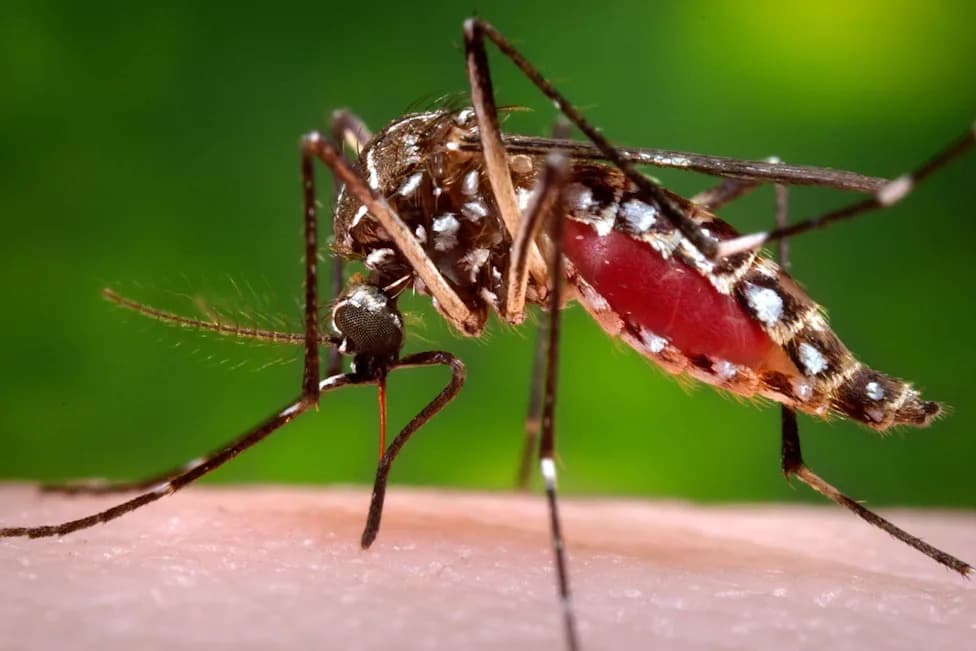
This state’s dengue outbreak is now the largest in the US in decades
Florida is confronting its largest locally acquired dengue outbreak in decades. State health officials reported 252 locally transmitted cases as of late September, concentrated primarily in Hillsborough County (Tampa). The state has also recorded 245 travel-associated cases so far this year.
Where the Outbreak Is Centered
The vast majority of locally acquired infections have been reported in Hillsborough County. At least 13 of the Hillsborough cases involved people who had recently traveled, indicating both local transmission and links to travel-related infections. In response, Hillsborough, Pasco and Pinellas counties have declared local states of emergency and stepped up mosquito-control campaigns and public outreach to remove standing water.
Size and Historical Context
Florida’s 2026 total of locally acquired cases already surpasses the state’s previous annual high of just under 200 cases in 2023. Based on available state health department records, this appears to be the largest single-year dengue outbreak reported by a continental U.S. state since at least the 1940s. The total approaches the 264 locally acquired cases reported in Hawaii during 2015–2016, previously one of the largest recent U.S. state outbreaks.
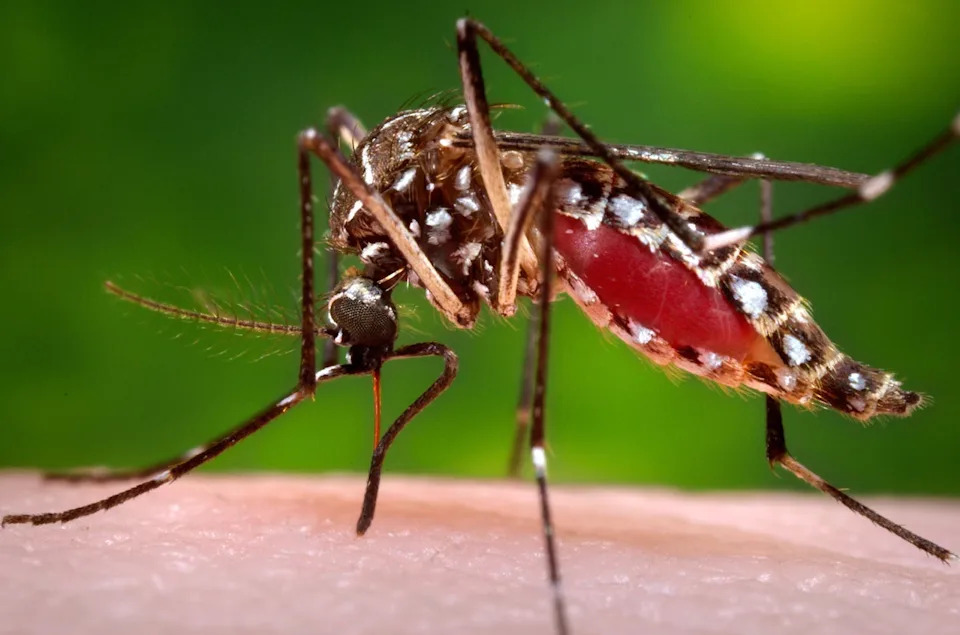
Florida has reported more than 250 locally acquired dengue cases in 2026, which is spread primarily by infected mosquitoes, becoming the U.S. continental state with the most reports in decades
How Dengue Spreads and Health Risks
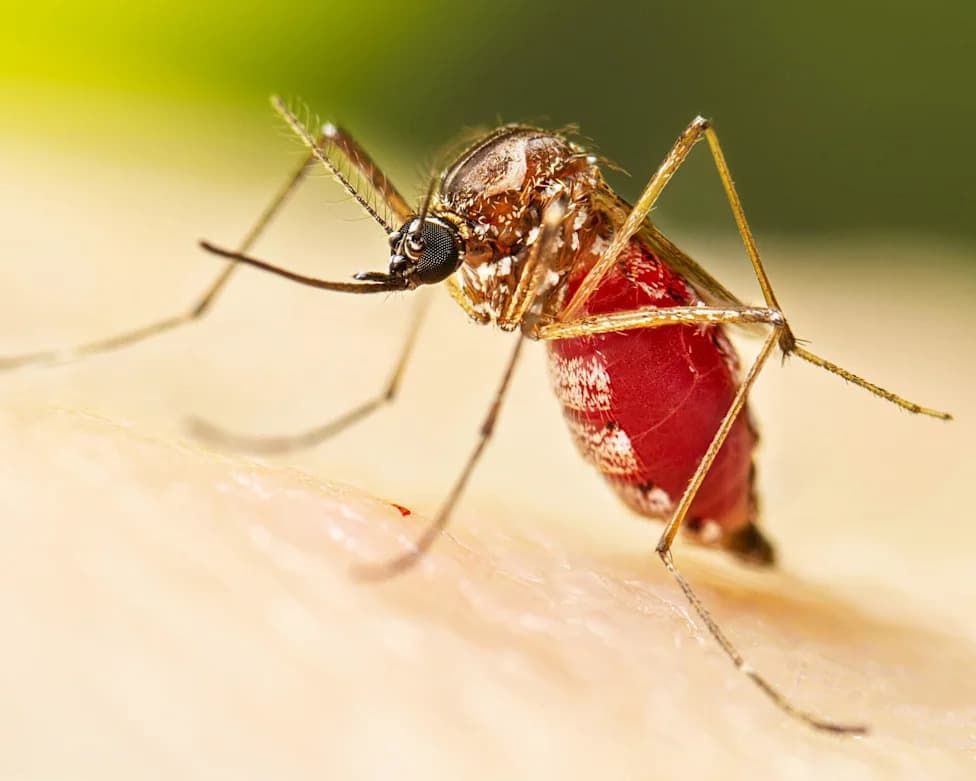
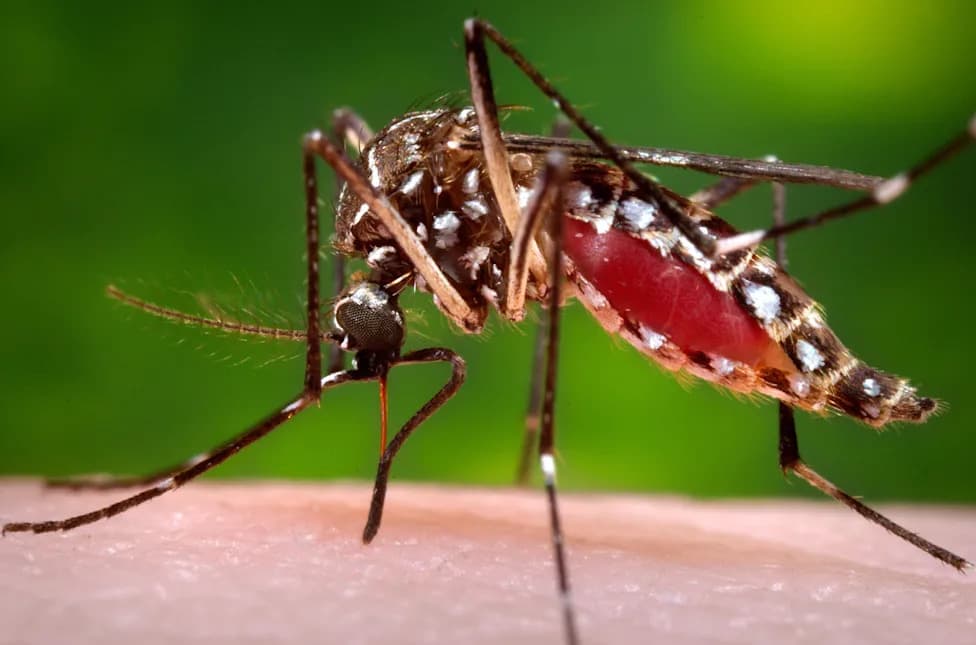
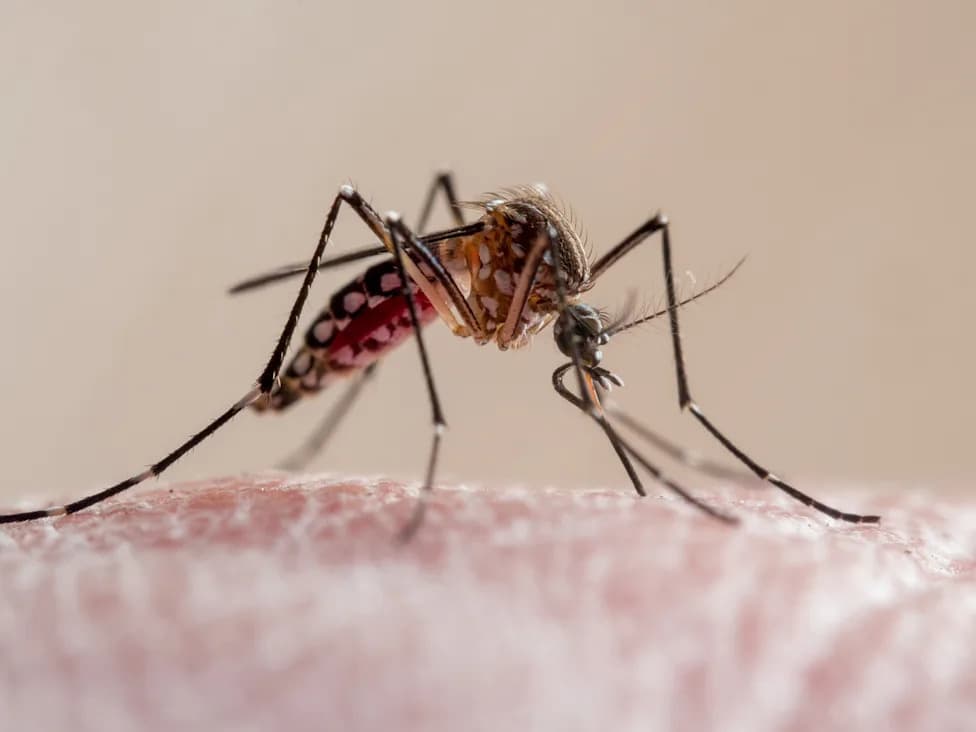
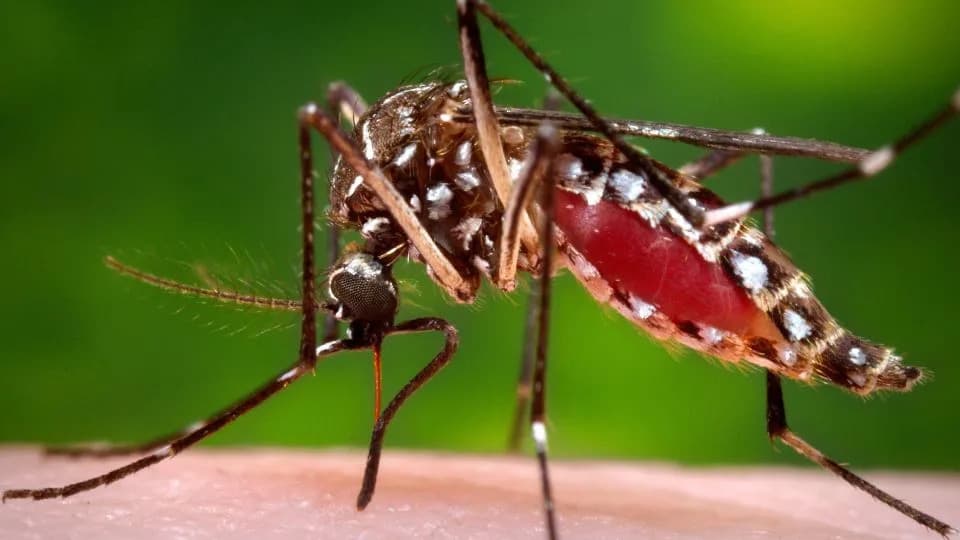
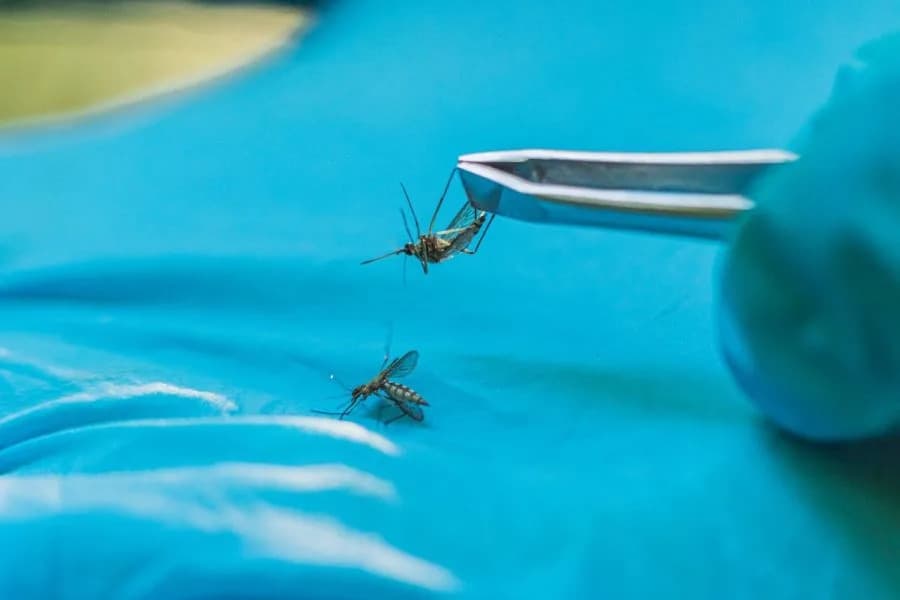
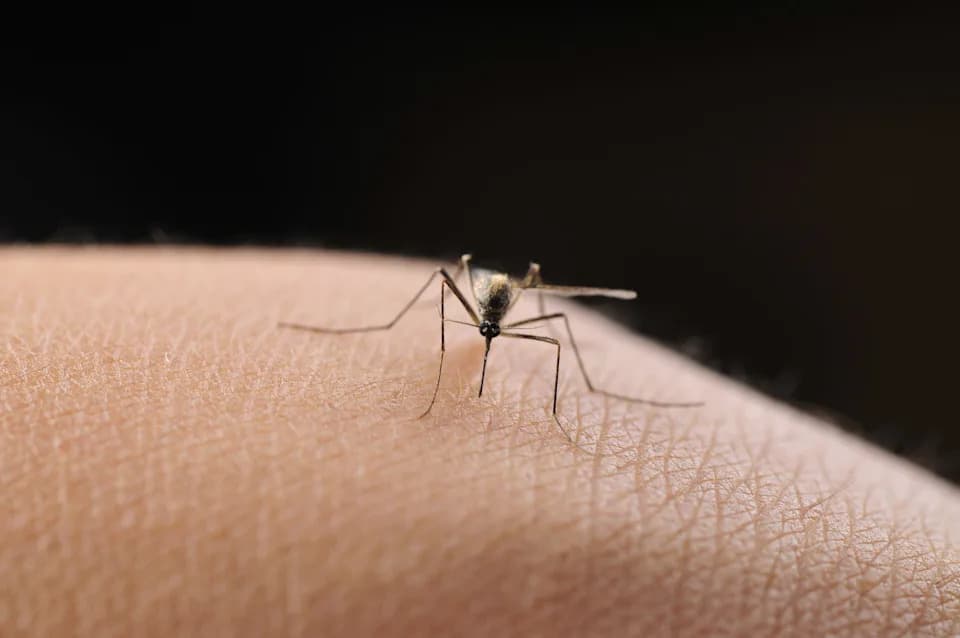
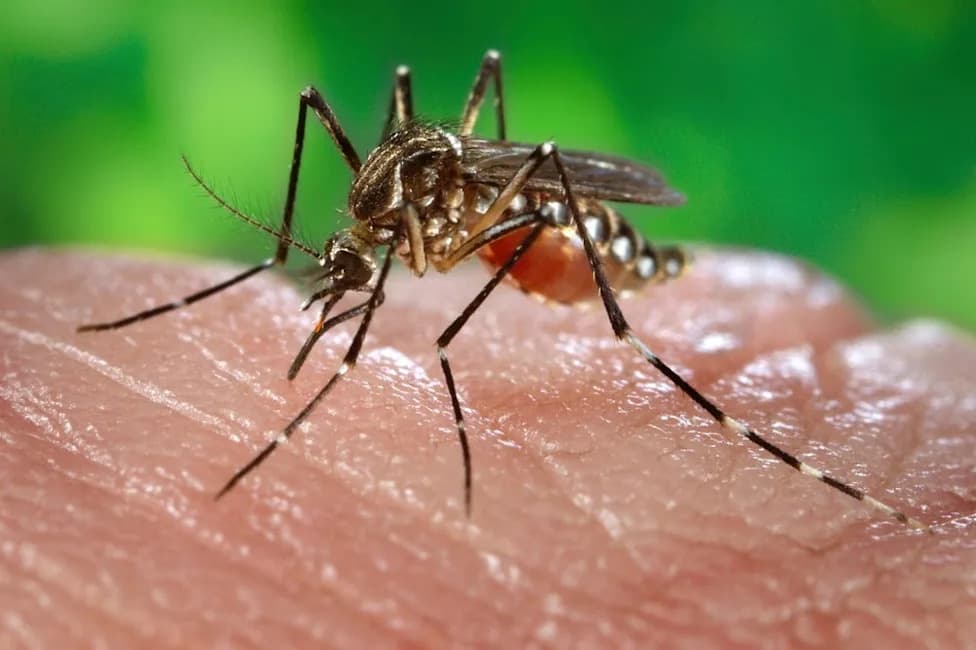
Dengue is a viral illness transmitted primarily by Aedes aegypti and Aedes albopictus mosquitoes, both present in Florida. Many infections are mild or asymptomatic; symptomatic cases often cause sudden fever, severe headache, pain behind the eyes, muscle and joint aches, nausea or vomiting. While most people recover, dengue can progress to severe disease with bleeding, shock and death. Florida has reported one dengue-related death this year — an elderly Tampa woman who died on September 4.
Public Health Response
The Centers for Disease Control and Prevention (CDC) has provided Florida with $800,000 in emergency funding and is monitoring the outbreak. The CDC has not deployed federal disease investigators because state officials have not requested that support. Local authorities are intensifying mosquito-control measures, including insecticide applications and community efforts to eliminate standing water.
Advice for Residents and Travelers
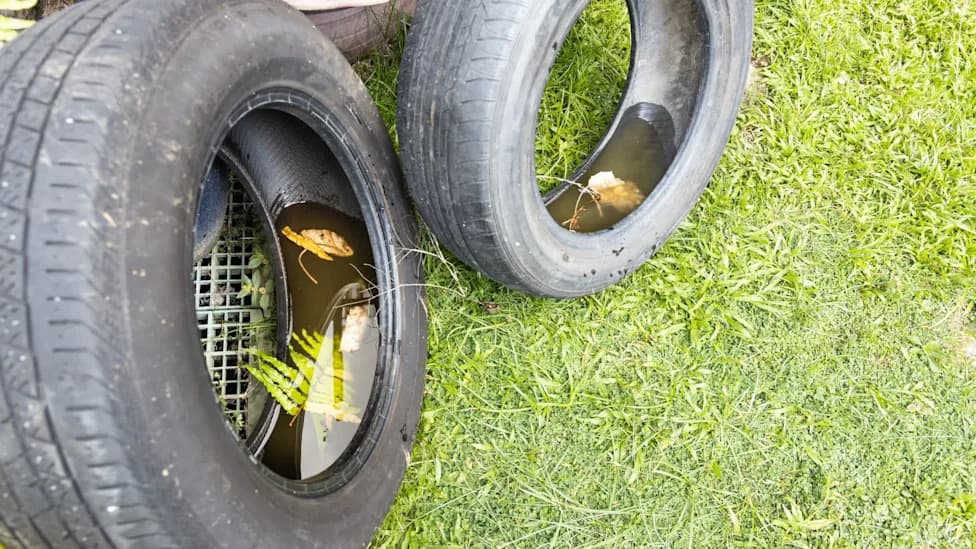
The CDC recommends that people in areas with local transmission use EPA-registered insect repellent, wear long-sleeved, loose-fitting clothing that covers arms and legs, and remove or treat standing water around homes to limit mosquito breeding. Community engagement to reduce mosquito habitats is a key preventive strategy.
Global Context
The Florida outbreak occurs amid high global dengue activity. The World Health Organization reports more than 2.2 million infections and nearly 1,200 deaths worldwide this year, though the true number of infections is likely higher because many cases are mild or unreported.
Note: National dengue surveillance has limitations, and public-health officials continue to analyze case data and environmental factors such as travel patterns and weather that can influence mosquito populations and transmission.
Help us improve.