Drone displays are replacing fireworks at many public events, offering safety and environmental benefits. Security experts warn the surge in drone activity crowds the radio frequency (RF) spectrum, making unauthorized drones harder to detect. Cordell Bennigson of R2 Wireless argues detection — not reducing wireless use — is the priority and recommends AI-driven analytics and sensor fusion. Radar helps but has limits, so a layered approach and coordinated regulation are needed.
Drone Shows Replace Fireworks — But Crowded Airwaves Create New Security Risks
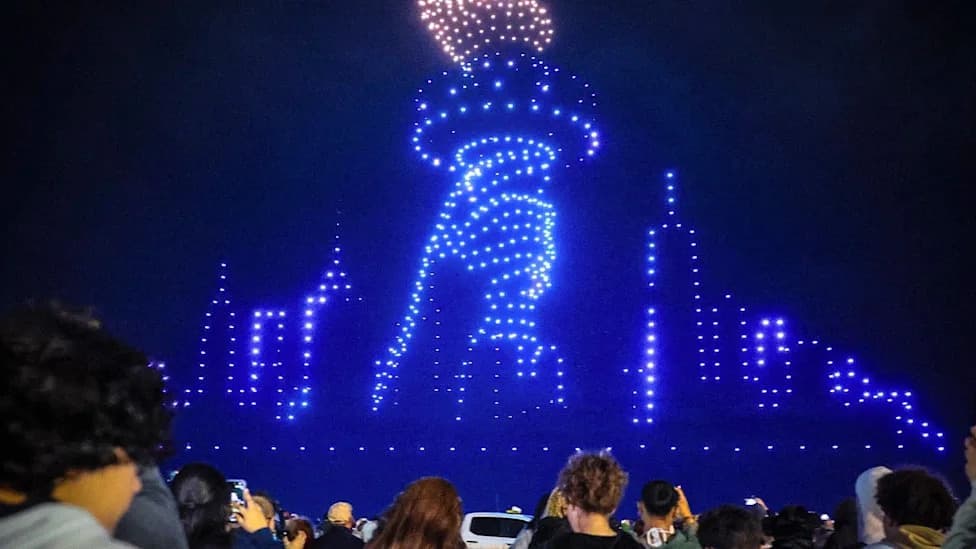
People watch drone show in New York
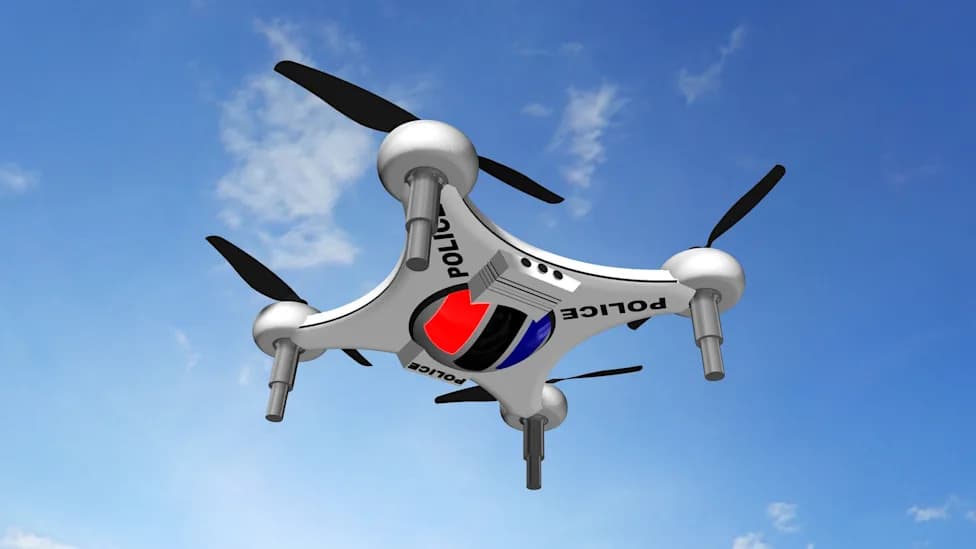
Communities across the United States are increasingly replacing traditional fireworks with choreographed drone displays at concerts, sporting events and holiday celebrations. While drone shows offer safety and environmental benefits, security experts warn that the surge in drone activity can make it harder to detect malicious or unauthorized aircraft amid a crowded electromagnetic environment.
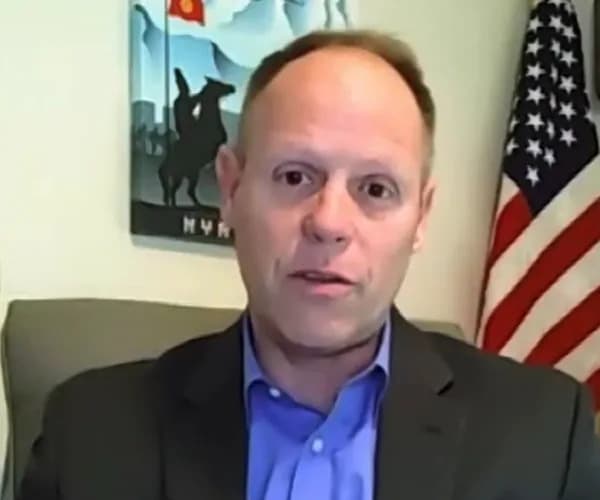
Cordell Bennigson, CEO of U.S. Operations at R2 Wireless and a retired Marine Corps officer, told Fox News Digital that the popularity of drone shows reflects how accessible the technology has become — and that accessibility creates fresh public-safety and security challenges.
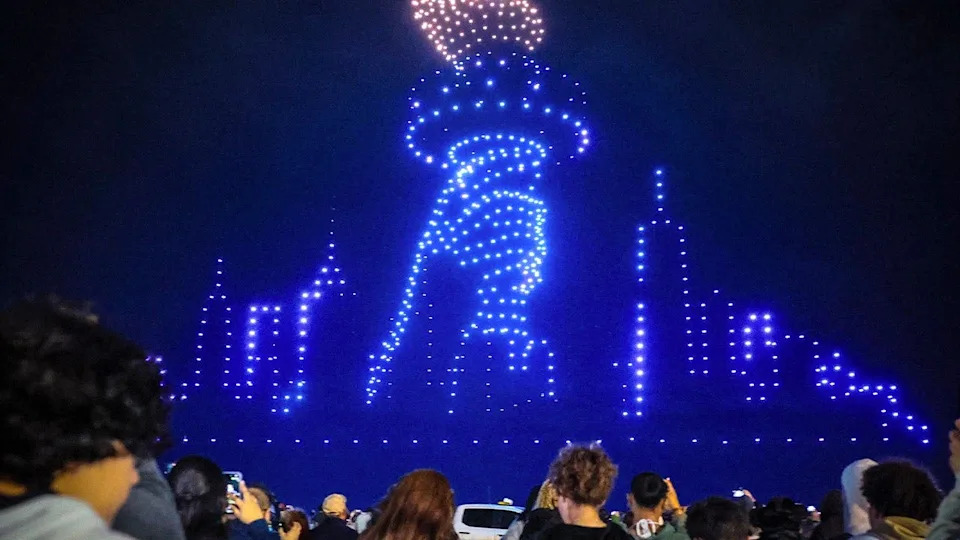
Drone shows are becoming increasingly popular, but one expert is warning that they could provide bad actors with the cover needed to carry out illicit activity without being detected.
At the center of the issue is the radio frequency (RF) spectrum, the invisible web of wireless signals used by cellphones, drones and other devices. During large drone displays, spectrum congestion increases because show-control systems communicate with fleets of drones while thousands of spectators simultaneously record video on their phones. Bennigson explained that this surge in wireless traffic can mask an unauthorized drone, allowing it to blend into legitimate electronic activity near an event.
"A drone show itself isn't a security risk, but it's an indication of how accessible drones are," Bennigson said. "The other piece of the puzzle is what happens in the clutter and the noise of the full RF spectrum, all the wireless transmissions that are out there."
Detection, Bennigson emphasized, is the first line of defense. "We want to be able to defend against a drone from a bad actor, but we have to be able to detect it, and we have to be able to see through all of that clutter, all of the noise in the electromagnetic spectrum, in order to do that." He argued that reducing wireless transmissions is unrealistic; instead, defenders should improve sensing and analytics to operate within a noisy RF environment.
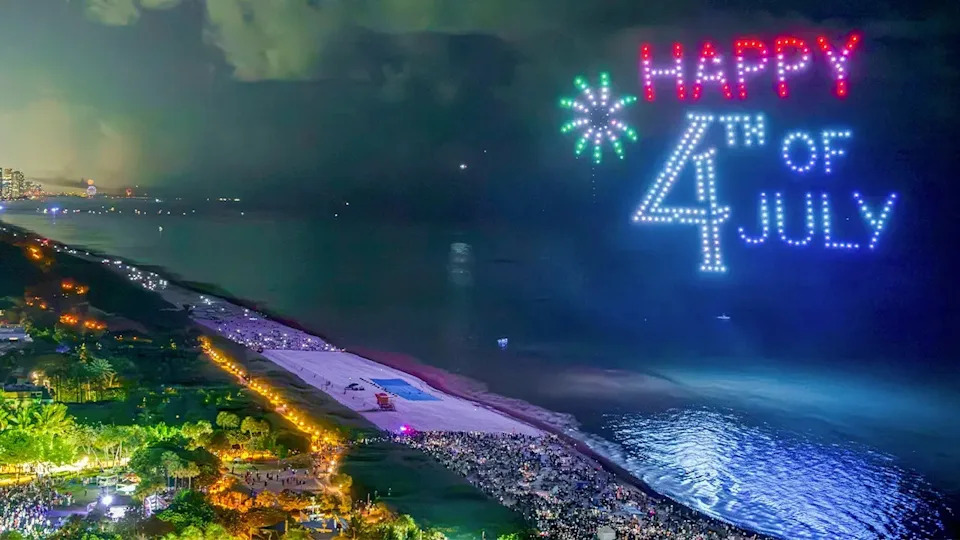
While drones are seen as better alternatives to fireworks, there are hidden dangers that security professionals need to consider.
Tools and Limits: AI, Radar and Sensor Fusion
Bennigson highlighted artificial intelligence as a critical tool for parsing massive volumes of wireless data in real time. "AI is really good at picking up patterns. It's really good at rapidly going through large amounts of data," he said, noting AI's value in spotting unusual transmissions or new threat signatures that human operators would struggle to detect quickly.
Traditional radar can detect objects that do not broadcast their position, but it has limits — especially in urban environments where strong radar emissions risk interfering with other systems, and for small, low-flying first-person-view (FPV) drones. "Radar is a piece of the puzzle, but it can't be the only tool," Bennigson said. He and other experts advocate for sensor fusion — combining RF monitoring, radar, optical/infrared cameras, acoustic sensors and AI-driven analytics — to improve detection and identification of threats.

Drone shows can cause increased noise on the airwaves as they operate and spectators take videos, making it possible for bad actors to go undetected.
Implications For Regulators And Event Planners
As drone traffic around public events grows, Bennigson said federal, state and local authorities should reassess how they monitor airspace near stadiums, critical infrastructure and other crowded venues. While FAA systems work well for cooperative aircraft that broadcast their location, malicious operators typically will not follow those rules. That creates a monitoring gap that requires layered detection and rapid-response capabilities.
In short, the industry and regulators must prioritize technologies and operational strategies that can distinguish malicious transmissions from benign ones in real time. Coordinated planning, improved sensing, and AI-enabled analytics can help keep events safe while preserving the benefits of drone-based entertainment.
Help us improve.