The U.S. has imposed a 100% tariff on larger imported drones—mainly targeting Chinese-made models—threatening police and emergency services that depend on affordable foreign-built aircraft. The rule covers drones over 55 pounds or those with thermal imaging; some countries face lower or no duties. Agencies warn higher prices will hinder searches, rescues and disaster response, while critics say the move leans toward protectionism. Potential FCC restrictions on technologies like lidar could further limit access.
100% Tariff On Large Imported Drones Threatens Police And Emergency Services
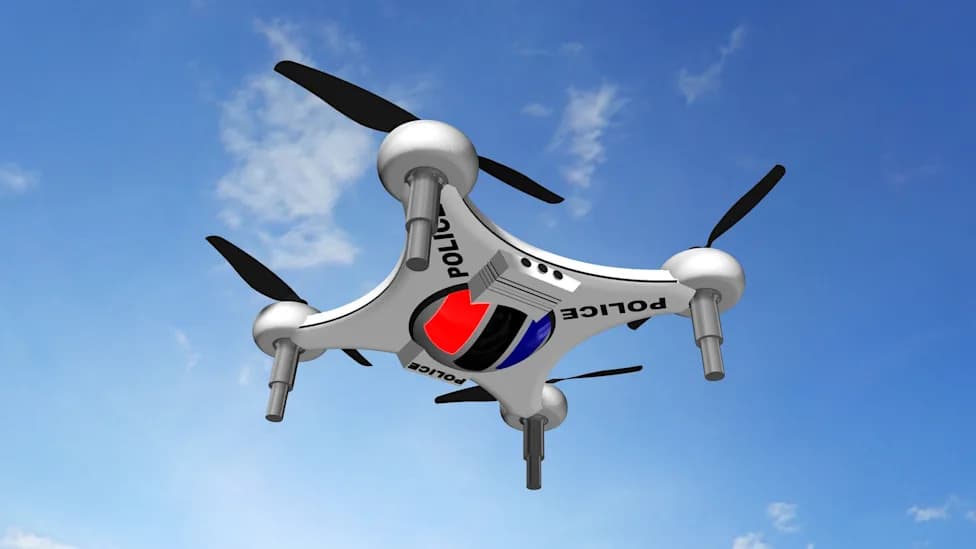
Photo Credit: iStock
U.S. officials have imposed a 100% tariff on certain larger imported drones, a move that could sharply increase costs for police departments and emergency-response teams that have relied on affordable foreign-built models for years.
What The Tariff Covers
The tariff applies to drones that weigh more than 55 pounds or include thermal-imaging capabilities and is aimed primarily at Chinese-made aircraft. Officials set the duty at 100% for targeted models, while products from some countries—such as Japan, Taiwan, South Korea and members of the European Union—face lower rates or exemptions.
Why Local Agencies Are Concerned
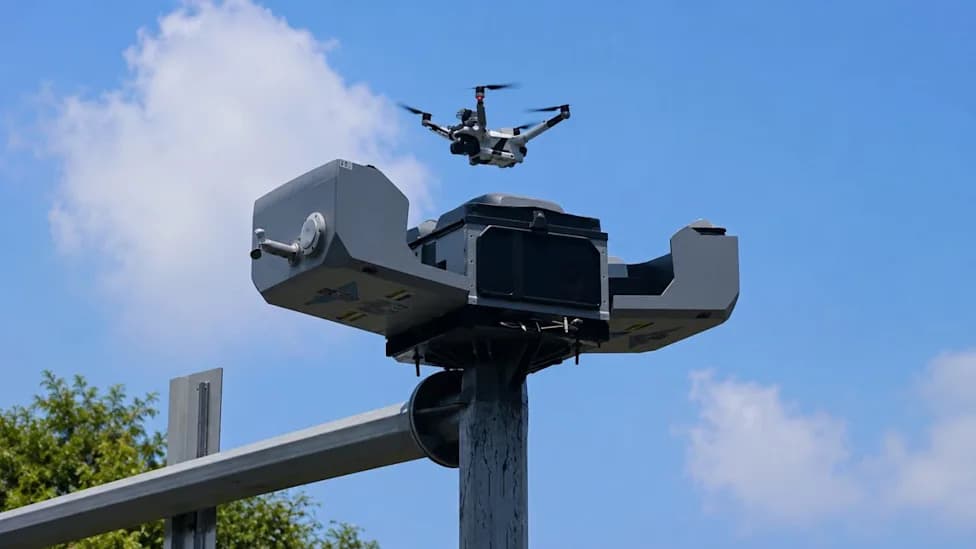
Inexpensive drones, particularly models from DJI, have become common tools for police and emergency units, used for nighttime searches, missing-person cases, wildfire monitoring, search-and-rescue missions and disaster response. The New York Times reports that DJI supplies more than 70% of commercial drones worldwide, making rapid substitution difficult and costly.
Scott Mlakar, chief of the Lake County Drone Unit near Cleveland, told reporters his team uses these aircraft to locate suspects at night and find missing children. "Most of this, in our humble opinion, is lobbying by U.S. manufacturers to eliminate foreign competition," Mlakar said. "This is not national security. It's protectionism."
Higher equipment prices would not only reshape police procurement plans but could also slow adoption of tools intended to protect lives and property. Smaller jurisdictions that lack flexible budgets could struggle to replace or maintain fleets, and the ripple effects would fall to local taxpayers.
Operational And Supply-Chain Challenges
Replacing existing systems is more than a one-time purchase: training, maintenance, software integration and pilot familiarity are all built around current platforms. Texas police officer Jason Lee warned regulators that "a domestic product exists does not necessarily mean it is a viable substitute. A replacement must be operationally comparable, economically obtainable, supported by an adequate supply chain, and accepted by pilots who must rely on it during real-world incidents."
Regulatory And Civil-Liberties Tensions
The tariff debate intersects with broader concerns about surveillance. As communities and watchdogs press for transparency around technologies such as vehicle-tracking platforms, drones are increasingly part of that conversation. The Federal Communications Commission has also considered classifying some drone technologies—like lidar—as "military grade," a change that would further limit civilian access if adopted.
Public agencies face growing demands to disclose how drones are used and to ensure programs focus on urgent needs—such as search and rescue—instead of expanding general surveillance without adequate oversight.
Short-Term Responses And Longer-Term Stakes
Departments may attempt to diversify suppliers or buy from countries subject to lighter tariffs, but supply-chain constraints and the ubiquity of existing platforms make rapid transition expensive and complex. The dispute sits inside a larger debate over imported technology, national security, protectionism and the push to build domestic alternatives.
- International examples: Indian authorities in Haryana used drones in a statewide crackdown on illegal mining.
- Local accountability: In West Virginia, a resident used a drone to document dust and pollution from mining operations.
Bottom line: Policies that sharply raise the price of capable drones could impair public-safety operations, deepen debates over privacy and surveillance, and force difficult budget choices for communities across the country.
Help us improve.