Meilir Rowlands, 21, says stopping long-term topical steroid creams for eczema left him bedridden with severe nerve pain and insomnia, a condition he later identified as topical steroid withdrawal (TSW). After trying multiple medications, including ciclosporin, he is crowdfunding £3,000 for private Cold Atmospheric Plasma (CAP) therapy. Experts and charities say TSW is rare but serious, and call for more research and clearer long-term prescribing guidance for topical steroids.
Steroid-Cream Withdrawal Left University Footballer 'Electrocuted' and Bedridden
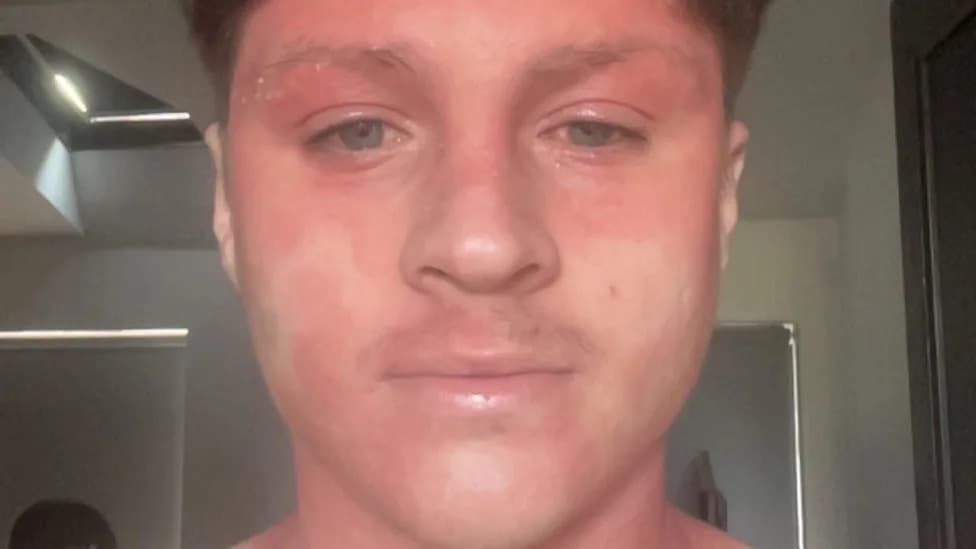
Meilir Rowlands says he doesn't recognise himself when he looks in the mirror due to TSW [Meilir Rowlands]
Meilir Rowlands, 21, says quitting long-term topical steroids for eczema left him in intense, constant pain and largely confined to bed. He describes the nerve pain as feeling like he "was being electrocuted every second" and says the episode took a heavy toll on his mental health and student life.
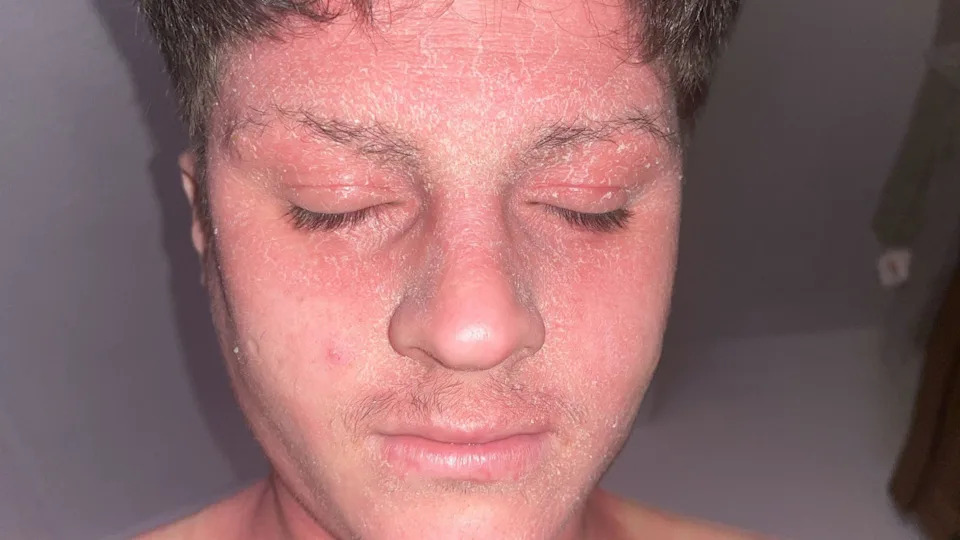
Meilir is one of about 500,000 people in Wales living with eczema - but never expected what would happen when he stopped using his cream [Meilir Rowlands]
Background
Rowlands, from Landwrog in Gwynedd, had used prescription topical steroid creams on and off since infancy to manage eczema. He says the strength of the creams prescribed to him increased over the years. Around three years ago, while at university, he tried to stop using the creams and his skin deteriorated dramatically. Large inflamed patches spread across much of his body, and areas such as his face and neck became affected despite never having had steroid applied there.
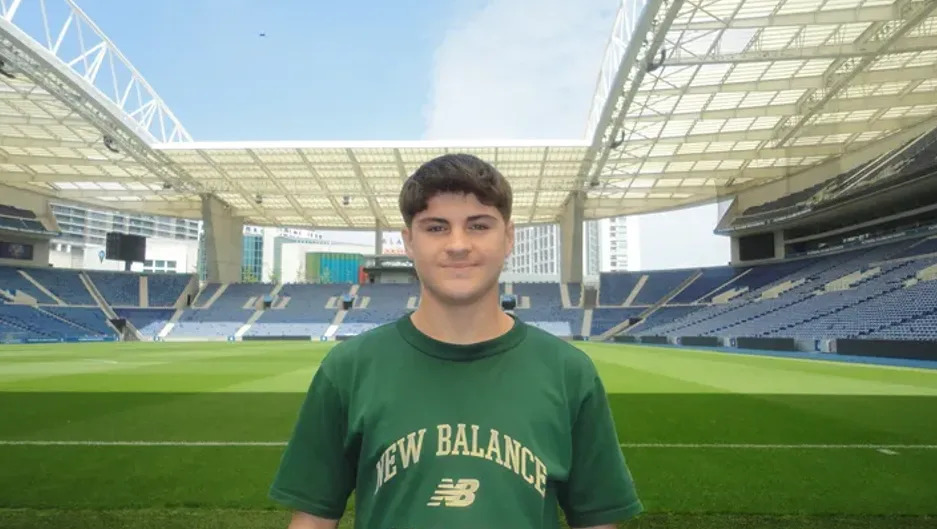
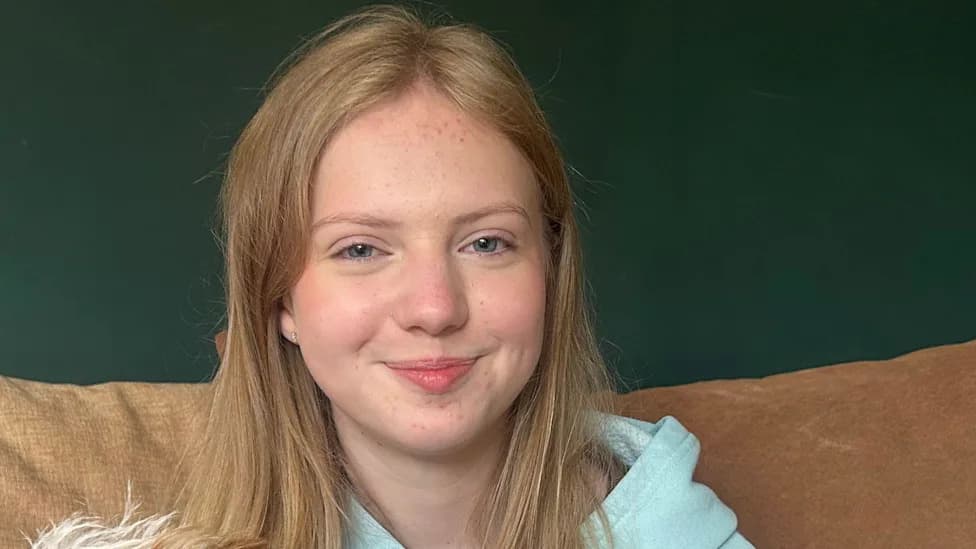
Meilir says he was a sociable and sporty student before TSW left him in constant pain [Meilir Rowlands]
Topical Steroid Withdrawal (TSW)
Rowlands later learned his symptoms were consistent with topical steroid withdrawal (TSW), a reaction that some patients develop after prolonged use of moderate-to-strong topical corticosteroids. Health bodies including NICE and charities such as Eczema UK describe TSW as uncommon but potentially severe, particularly after long or inappropriate use of potent steroid creams.
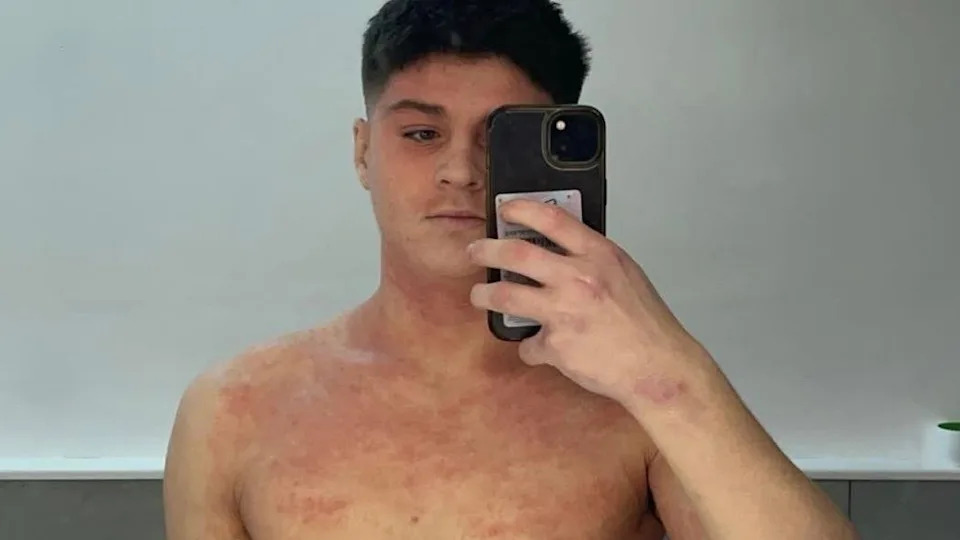
TSW can occur when strong steroid creams are used to treat eczema over a prolonged period [Meilir Rowlands]
Treatment, Impact And Recovery
At one stage Rowlands was prescribed the immunosuppressant ciclosporin to manage symptoms. In March he was advised to stop the drug and says the period that followed was "the most challenging time of my life," with relentless nerve pain, insomnia and exhaustion. By May he reported some improvement and was able to attend his university graduation.
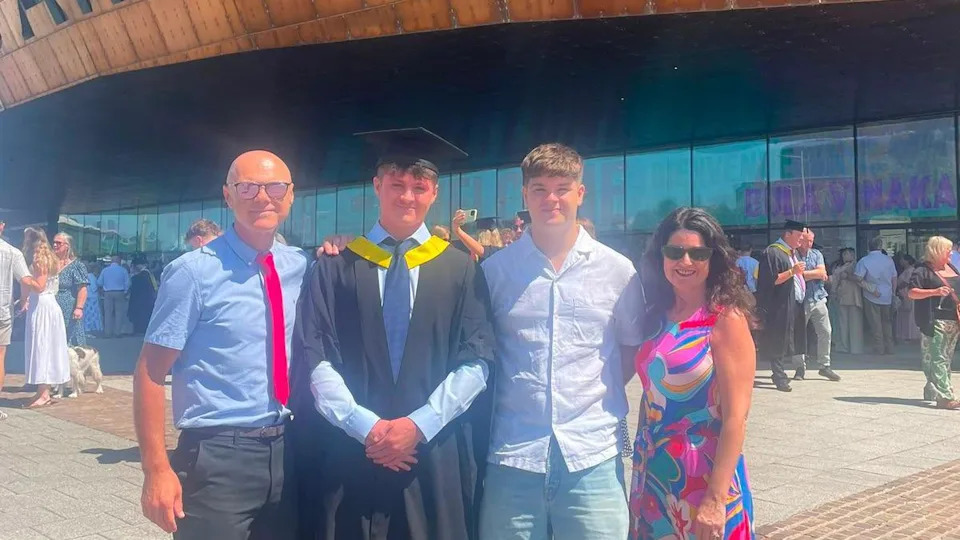
Meilir was able to attend his graduation from Cardiff Met University [Meilir Rowlands]
"At the start, it was more of me being confused and a bit scared of what was happening to me... but, during the last few months, I've just felt so exhausted with it all," Rowlands said. "I just felt so depressed... I was doing nothing while my mates went out and enjoyed their university life."
Seeking Alternatives And Support
After trying a range of medications, diets and supplements with limited benefit, Rowlands began researching alternative therapies. He is crowdfunding roughly £3,000 to pay for private Cold Atmospheric Plasma (CAP) therapy, a newer treatment not widely available on the NHS that uses charged gas particles to target skin bacteria. He said he was "blown away" by public generosity and praised his girlfriend, Lili, for supporting him through appointments and emergencies.
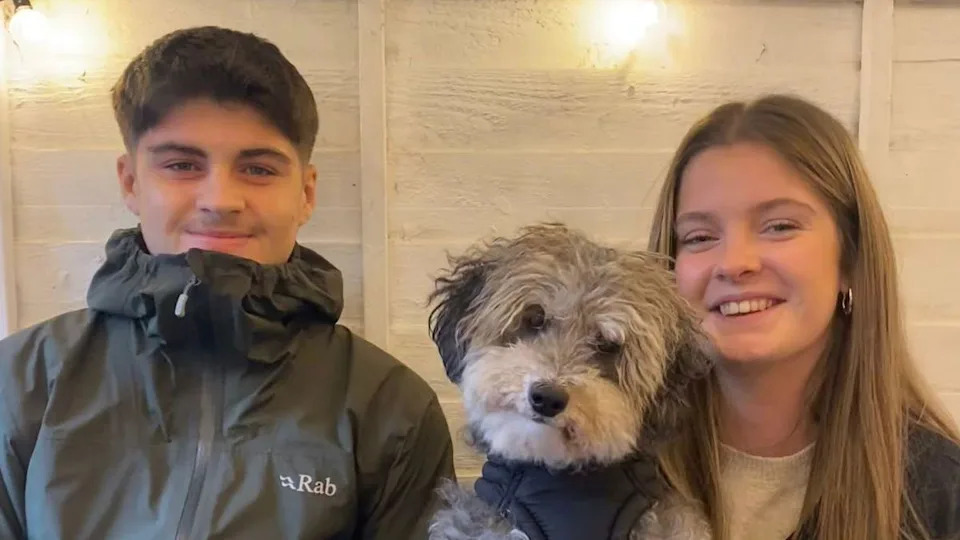
Meilir says he doesn't know where he'd be without his girlfiend Lili, who cared for him [Meilir Rowlands]
Expert Interest And Guidance
Professor Sara Brown, a consultant dermatologist at the University of Edinburgh, has won funding from the National Eczema Society to research TSW after encountering patients with unusual symptoms and seeing distress in online communities. She said clinicians are seeing patterns in TSW that are not fully explained by current understanding of eczema.
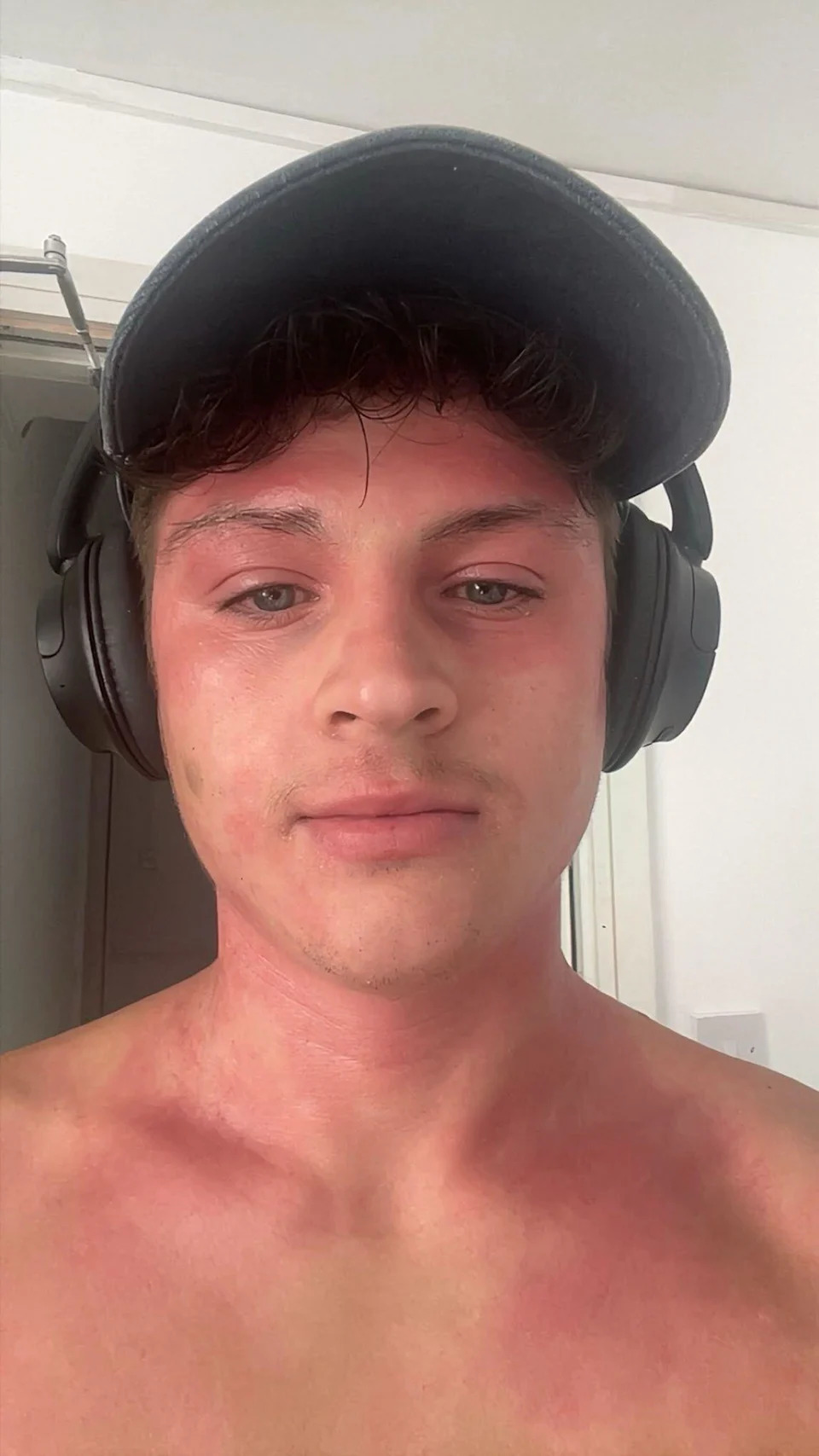
Meilir hopes a new, private therapy could help him get back to going to the gym and spending time with friends [Meilir Rowlands]
The NHS advises most people will not experience withdrawal side effects when stopping topical steroids, but recommends tapering when high doses or prolonged use (typically longer than three weeks) are involved. Charities stress that clearer guidance is needed on safe long-term use of topical steroids because many people require repeated courses over their lifetime.
What Patients Should Know
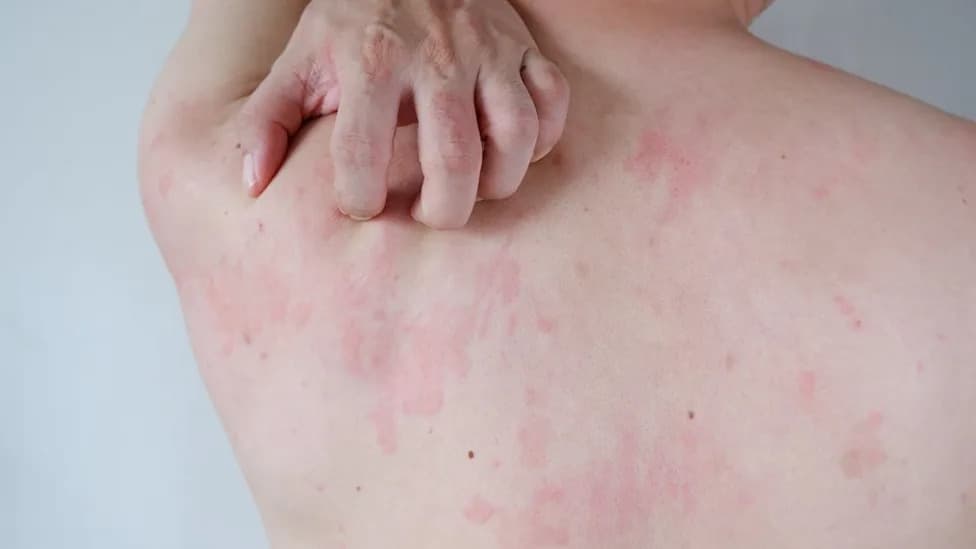
According to Eczema UK and other patient groups, TSW may cause red patches in new areas, intense burning and itching, oozing and flaking skin, swollen glands, fatigue, hair loss, weight loss and changes to sleep and mood. Medical opinion is divided: some clinicians treat TSW as a distinct condition, while others view it as a severe form of eczema.
Statistics: Global estimates suggest eczema affects about 10–20% of children and 2–10% of adults. Around eight million people in the UK live with eczema, and charities estimate roughly 500,000 people in Wales are affected.
Help us improve.