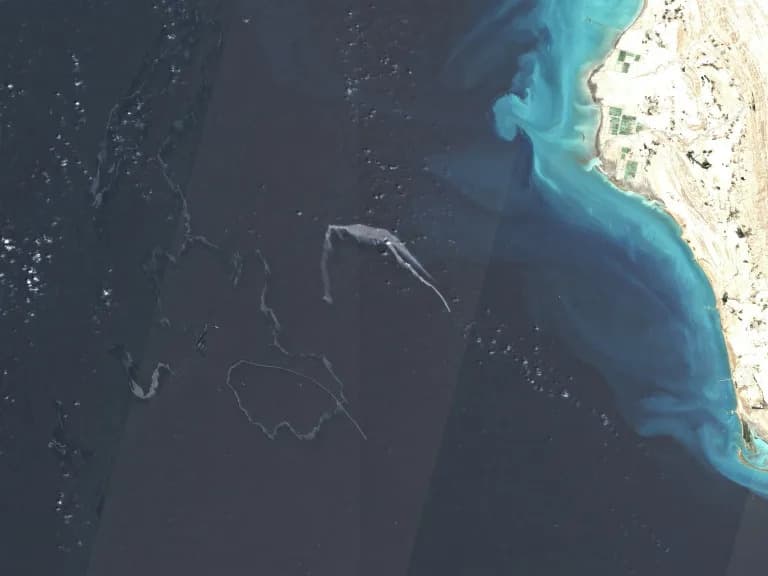
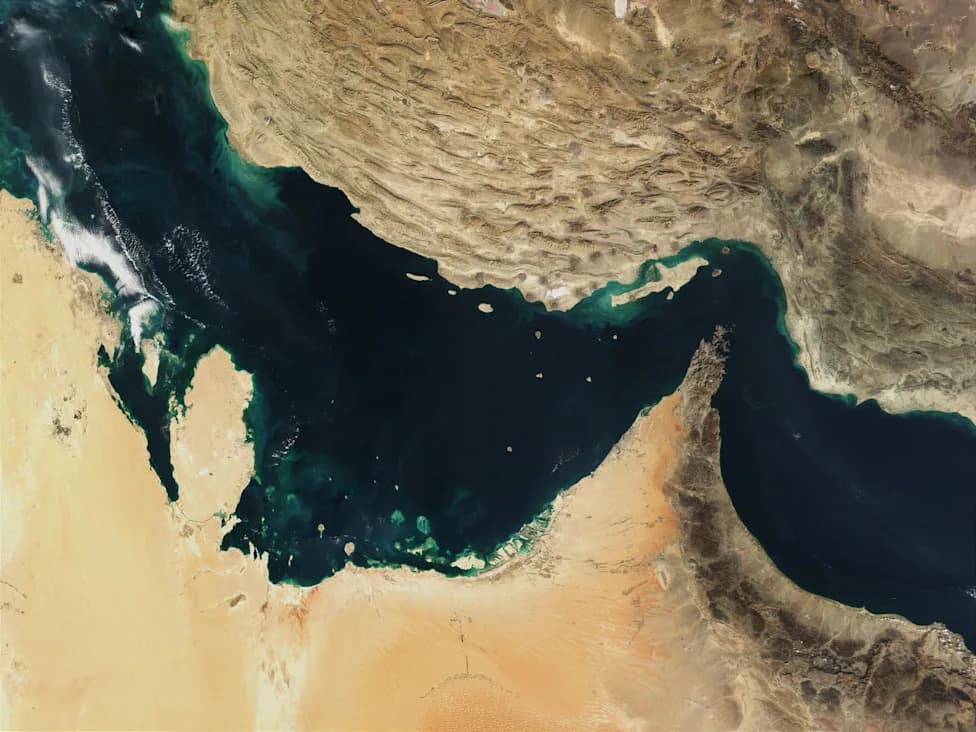
Prolonged idling of ships near the Strait of Hormuz is increasing the risk that heavy biofouling will transport invasive marine species to ports worldwide. A study in Biological Invasions notes more than 1,500 vessels were idle in the Persian Gulf and analyzes a global shipping network of 3,027 ships. Experts warn that heat- and salt-tolerant organisms can survive long voyages and establish costly, hard-to-eradicate invasions. They urge pre-departure hull cleaning with capture systems, stricter port rules and enhanced early detection.
Idle Ships Near the Strait of Hormuz Could Spread Invasive Marine Species Worldwide
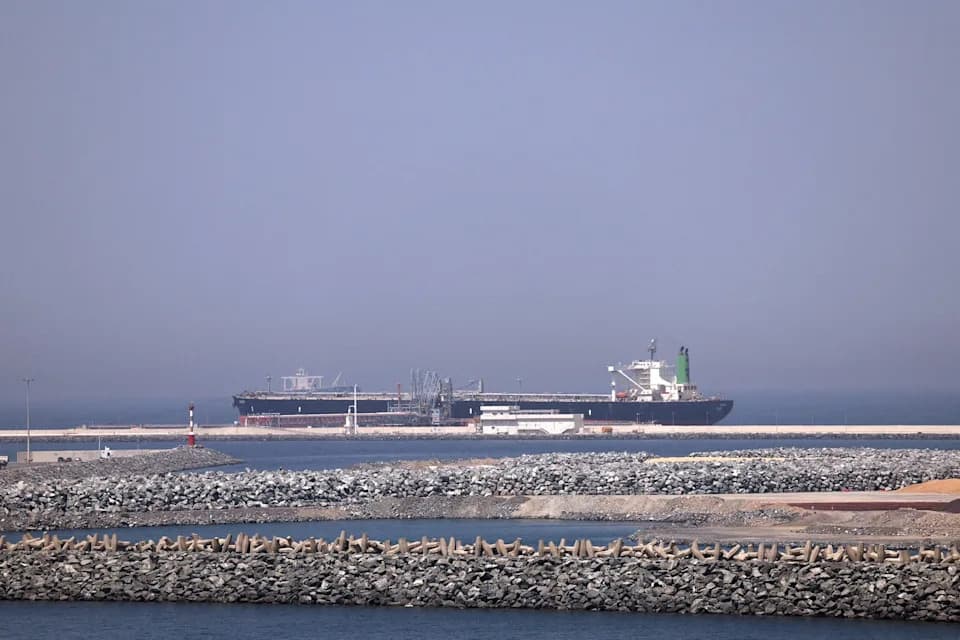
Amr Alfiky/Reuters, FILE - PHOTO: In this May 6, 2026, file photo, a cargo ship is docked at the Port of Fujairah, in Fujairah, United Arab Emirates.
Scientists warn that prolonged idling of hundreds of commercial vessels near the Strait of Hormuz could spark a global ecological problem by turning ships into mobile hubs for invasive marine species. A new study in the journal Biological Invasions (Tamburri et al., 2026) shows how extended stationary periods promote heavy biofouling—microbes, algae, plants and invertebrates—that can survive voyages and establish in distant ports.
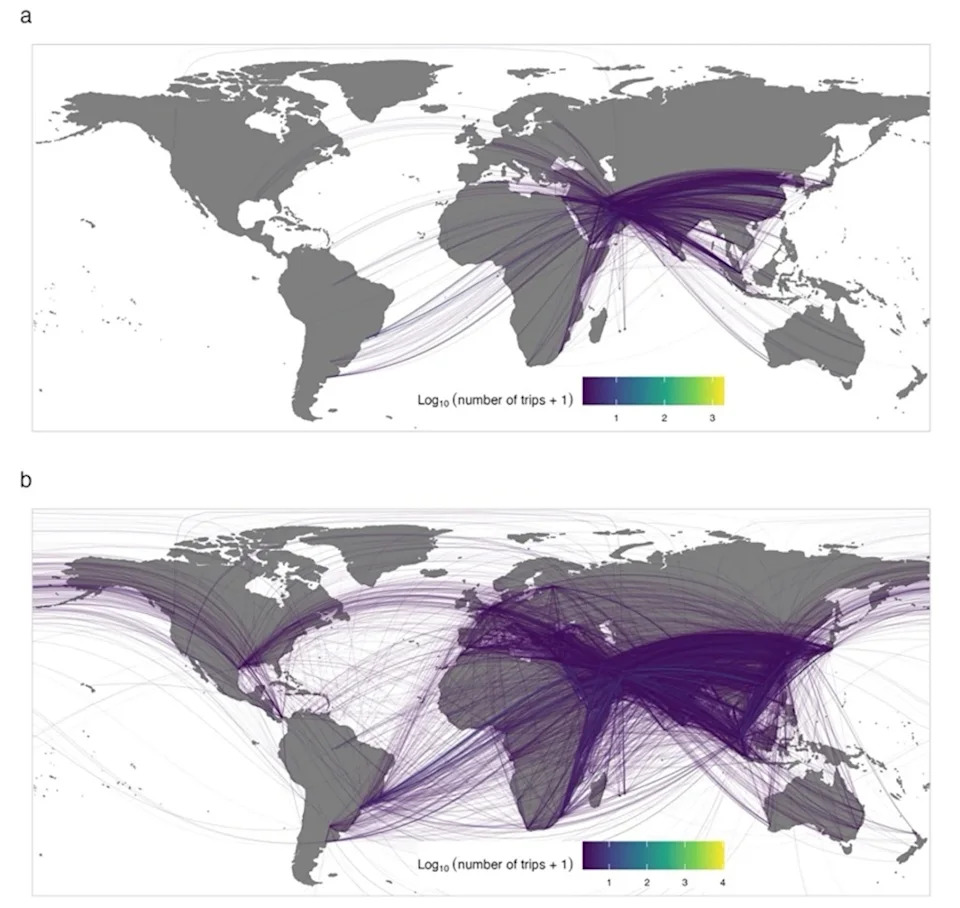
as presented in Tamburri et al., Biological Invasions 28, 177 (2026). - PHOTO: The full shipping network consists of 3,027 unique ships, making 248,362 calls to 3,517 unique ports and anchorages.
Why This Is A Concern
The Strait of Hormuz is a strategic maritime chokepoint connecting the Persian Gulf and the Gulf of Oman and handles roughly 20% of global oil shipments. Since the conflict with Iran began in February, intermittent attacks and closures have left many vessels anchored for unusually long stretches. According to the study, more than 1,500 ships were idle in the Persian Gulf and hundreds more anchored in the Gulf of Oman when the analysis was conducted.
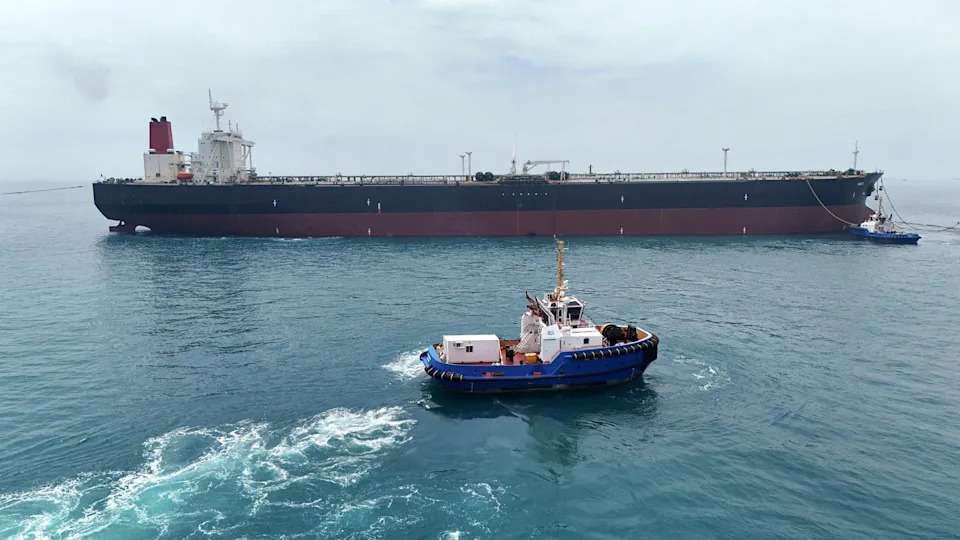
Mohammed Aty/Reuters, FILE - PHOTO: In this April 24, 2026, file photo, an oil tanker HELGA berthed at one of Iraq's southern offshore oil terminals near Basra as it prepares to load crude oil, becoming the second vessel to arrive since the closure of the Strait of Hormuz.
How Biofouling Spreads Invasives
Ships normally use anti-fouling coatings on their hulls that deter organisms from attaching. But extended layovers reduce coating effectiveness, allowing thick biofilms and colonies of barnacles, mussels, algae and other organisms to accumulate. When these vessels later sail to ports worldwide, attached organisms can be introduced to new ecosystems.
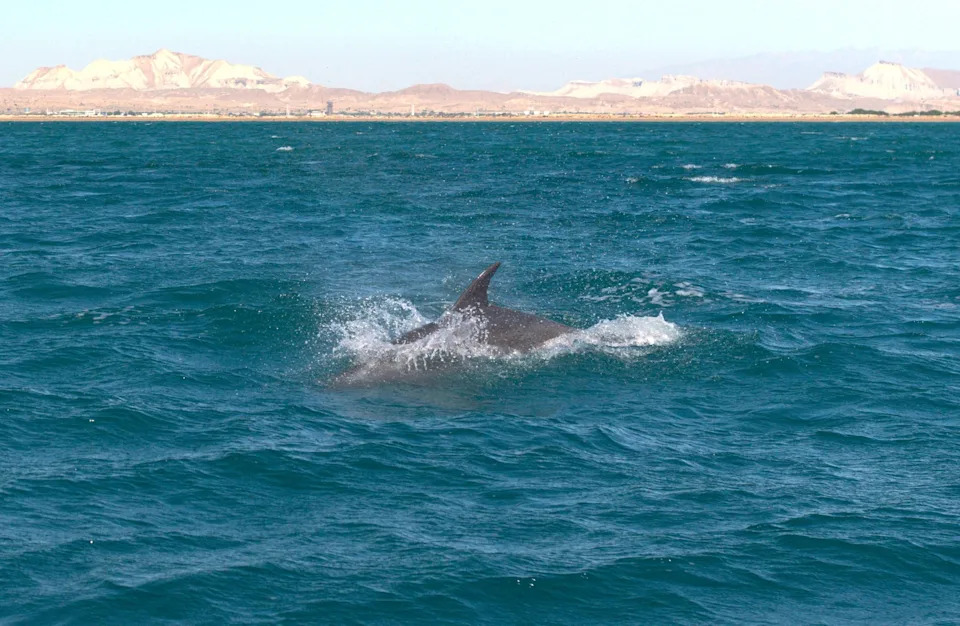
STOCK PHOTO/Getty Images - PHOTO: In this undated file photo, a dolphin swims near Qeshm Island, Strait of Hormuz, Iran.
"When vessels remain stationary for long stretches, anti-fouling coatings lose effectiveness and extensive growth can occur," said Mario Tamburri, lead author and marine ecologist at the University of Maryland Center for Environmental Science. "Once invasive organisms establish in new waters, eradication is extremely difficult."
Historical Example
The zebra mussel invasion of the Great Lakes illustrates the impact: native to the Caspian and Black Seas, zebra mussels spread rapidly in the 1980s and have since reached multiple U.S. waterways. Managers have spent decades and millions of dollars trying to control their spread.
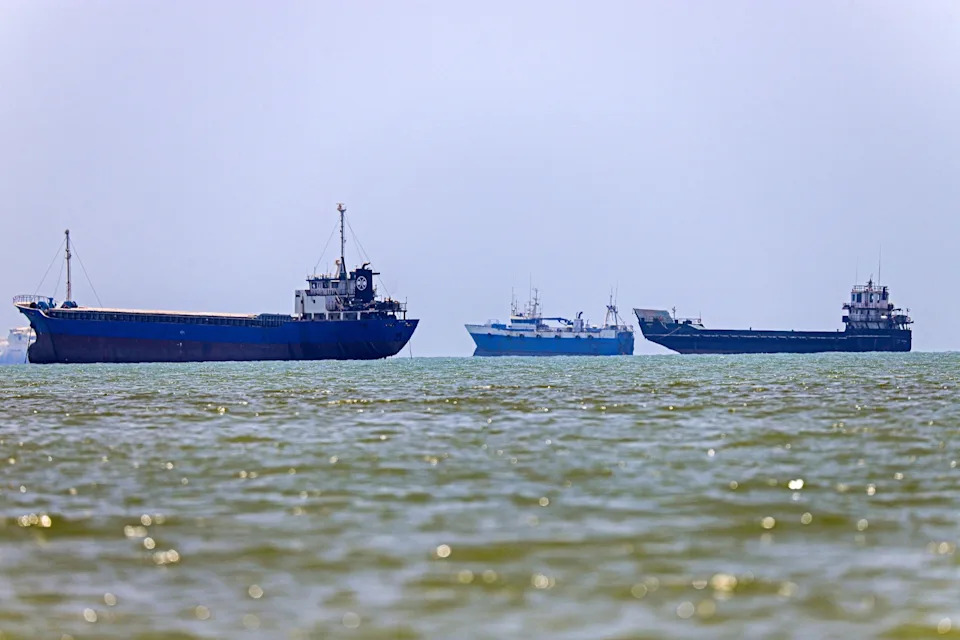
Amirhossein Khorgooei/ISNAvia AFP via Getty Images, FILE - PHOTO: In this picture obtained from Iran's ISNA news agency on June 18, 2026, vessels are seen anchored in Bandar Abbas along the Strait of Hormuz.
Why The Strait Of Hormuz Is A High-Risk Source
- Waters in the region are warm, saline and nutrient-rich—conditions that favor fast growth of fouling communities.
- Many native species are heat- and salt-tolerant, increasing their odds of surviving long voyages.
- The clustered distribution of large vessels with global routes magnifies the chance that fouled ships will export organisms to distant ports.
Prevention And Response
Because eradication of established marine invasives is costly and often infeasible, experts emphasize prevention and early detection. Recommended measures include:
- Pre-departure hull cleaning where feasible, using capture systems (vacuums) to prevent reintroducing live organisms to the water.
- Stricter port-entry rules to deny access to vessels with heavy fouling, modeled on New Zealand’s clean-hull requirements.
- Enhanced port surveillance, rapid-response plans and better international biofouling regulations led by the International Maritime Organization.
The study reconstructed a global shipping network that included 3,027 unique ships making 248,362 calls to 3,517 ports and anchorages, underscoring how quickly fouled vessels could redistribute organisms around the world. Seasonal warming in the region could further worsen the risk by accelerating biological growth on idle hulls.
Bottom line: The combination of large numbers of idle vessels, robust regional species, and global shipping links constitutes a significant international biosecurity threat. Targeted hull management, stronger regulations and improved monitoring are the most practical tools to reduce the odds of an expensive and long-lasting marine invasion.
Help us improve.