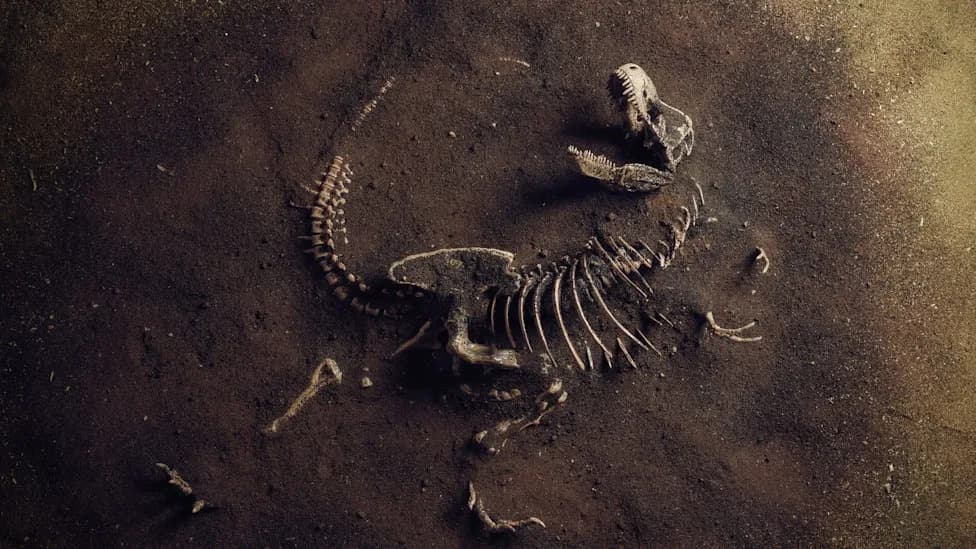
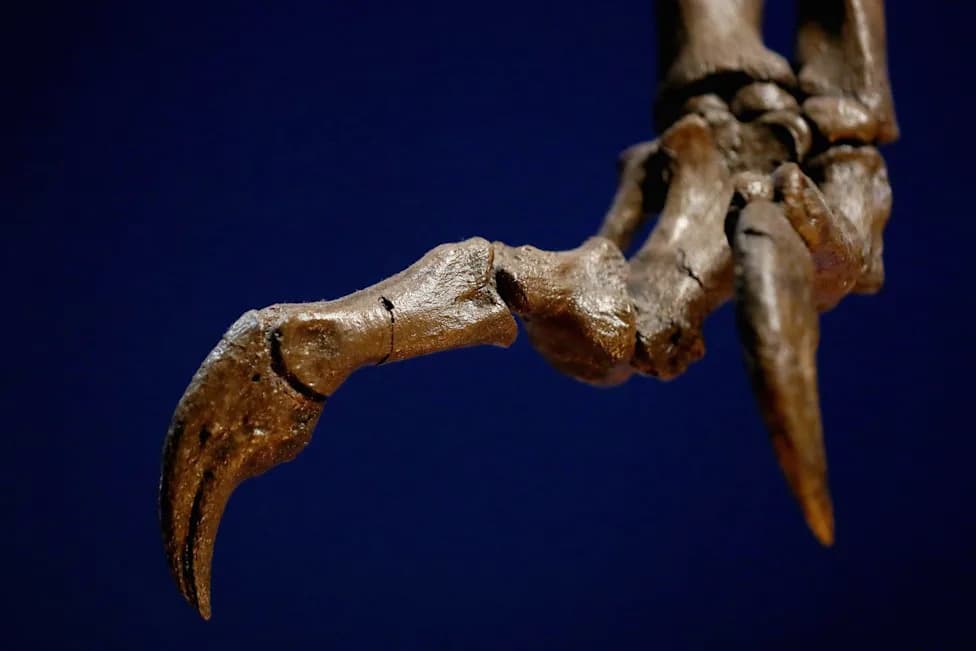
A hiker found a rock impression near Tumbler Ridge, B.C., in 2017 that researchers have now identified as the skull impression of a juvenile Gorgosaurus, a close relative of Tyrannosaurus rex from about 76 million years ago. A cast made from the impression allowed University of Alberta scientists to confirm the genus — the first record for northeastern British Columbia. The juvenile’s tooth shape suggests a different, more precise feeding strategy than adults, and the species’ known range now stretches roughly 198,000 km² into northern Montana.
Campground Discovery: Juvenile Gorgosaurus Skull Identifies T. Rex’s 'Great‑Uncle' in Northeastern B.C.
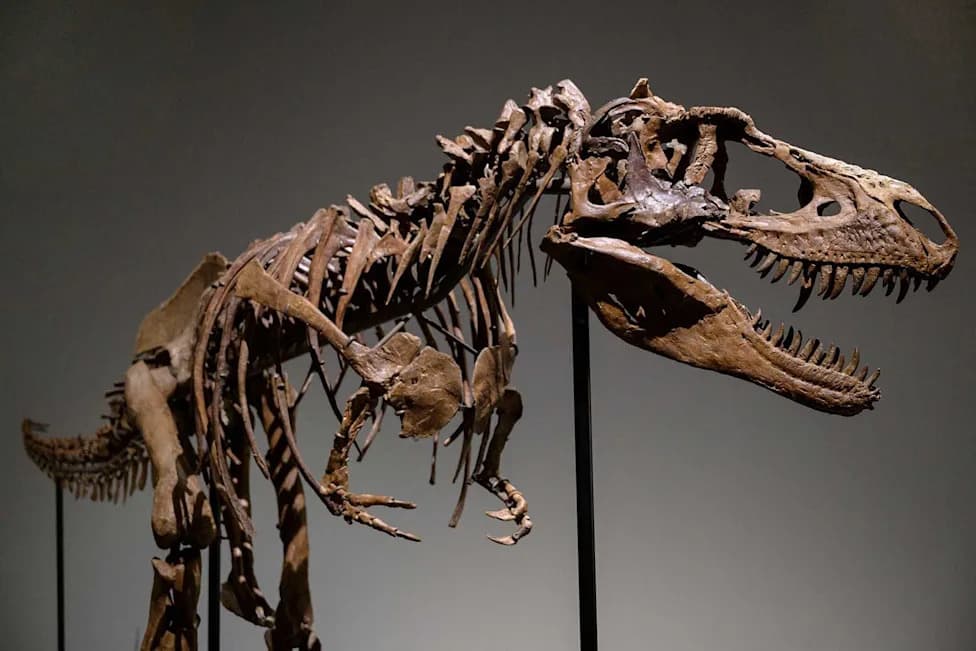
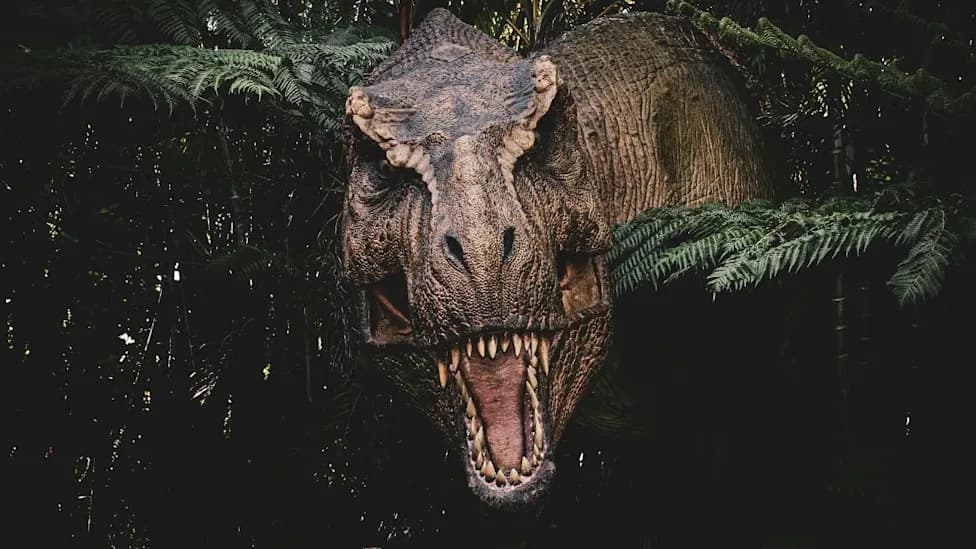
Gorgosaurus skeleton unveiled at Sotheby's in New York City on July 5, 2022Credit: ANGELA WEISS/AFP via Getty
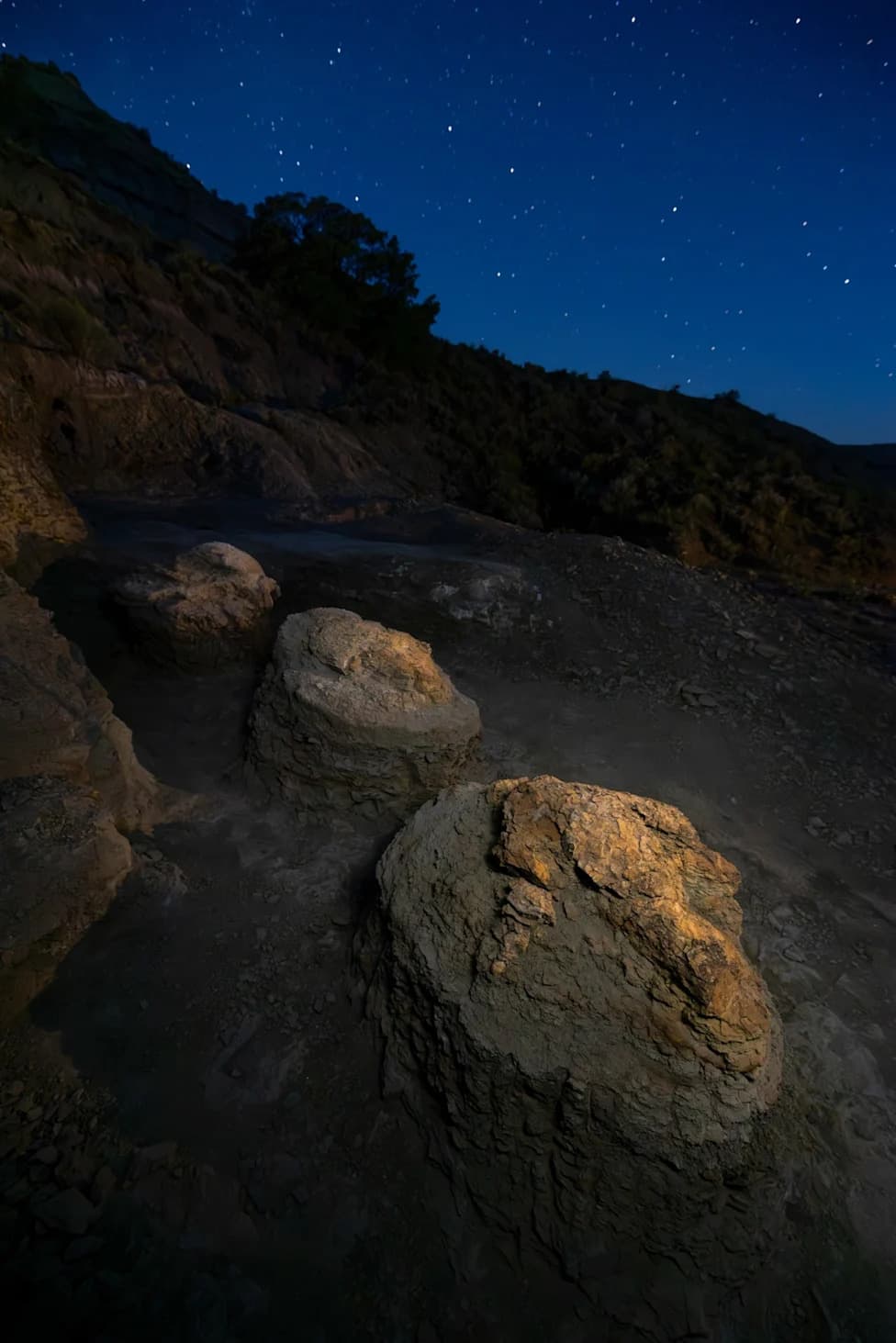
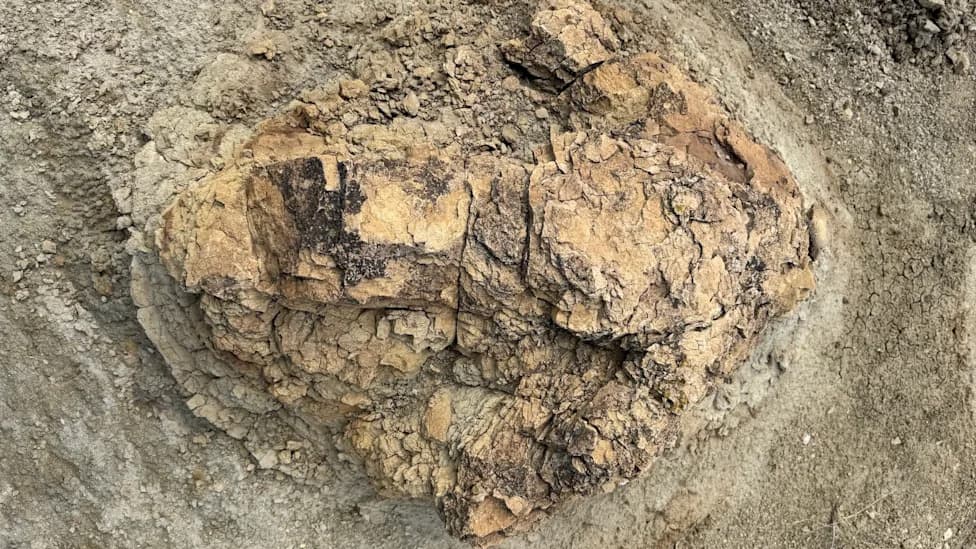
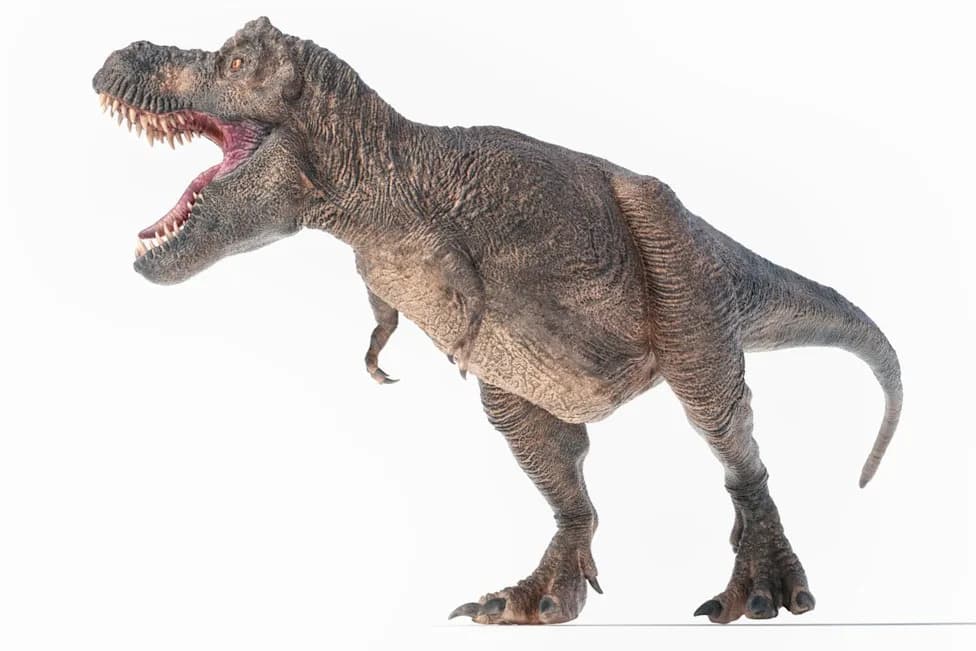
A fossil impression found by a hiker at a campground near Tumbler Ridge, British Columbia, has been identified as the skull impression of a juvenile Gorgosaurus — a close relative of Tyrannosaurus rex that lived roughly 76 million years ago. The specimen provides the first confirmed evidence of Gorgosaurus in northeastern British Columbia and expands scientists' view of the species' geographic range.
How the Fossil Was Identified
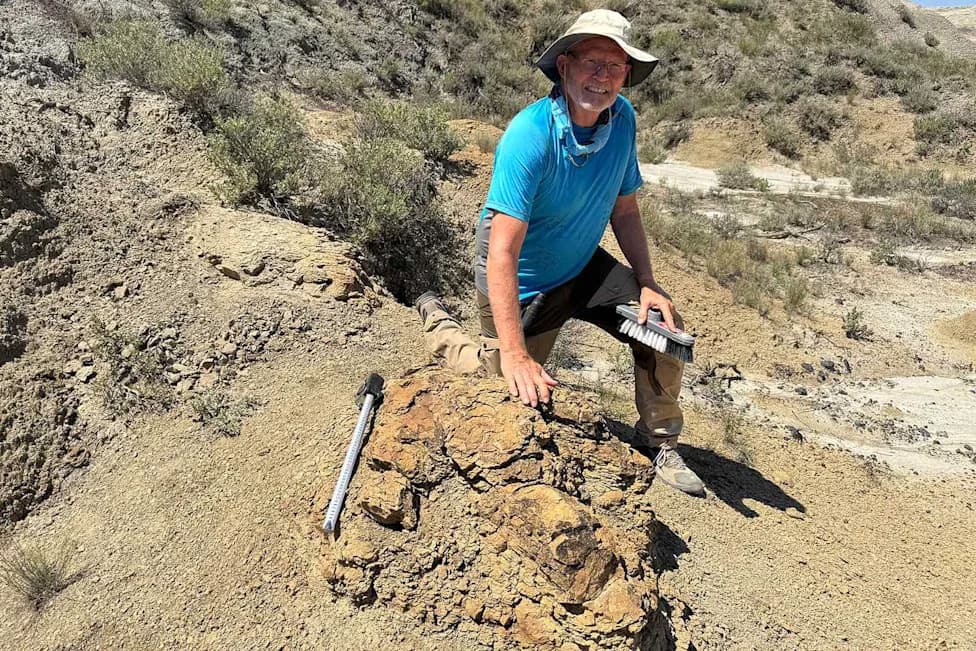
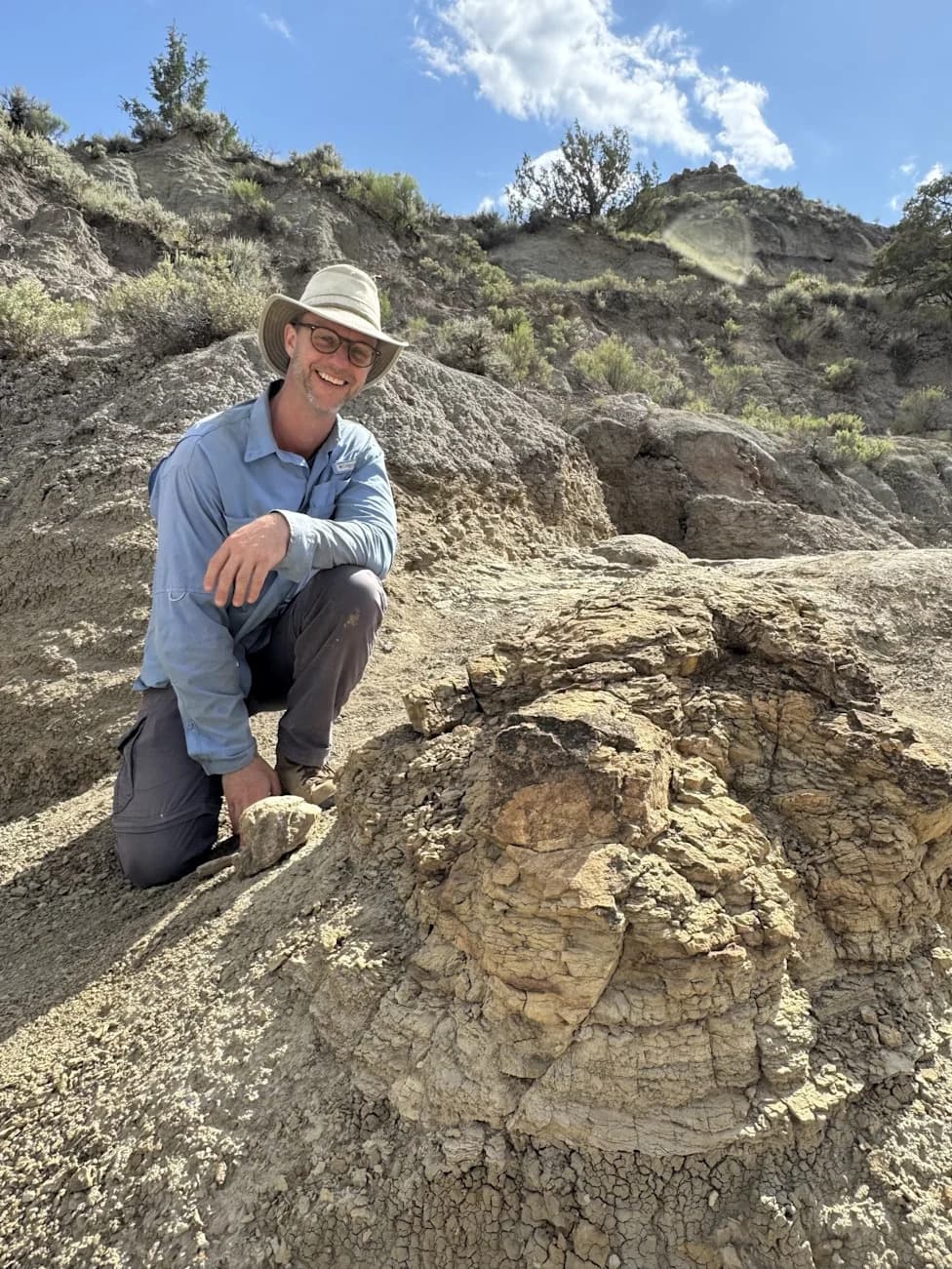
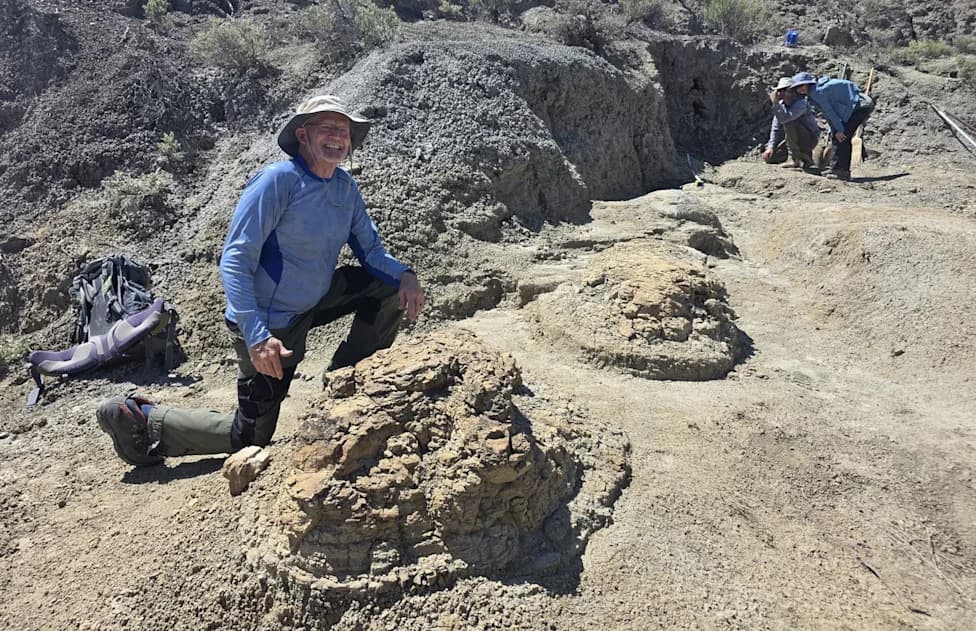
The discovery dates to 2017, when local resident Rick Lambert noticed an unusual rock on a riverbank while hiking near Tumbler Ridge, close to the Alberta border. Although much of the original bone had weathered away, the rock preserved a highly detailed impression of part of the skull. Researchers at the University of Alberta produced a high-quality cast from that impression and used distinctive anatomical features to identify the specimen as a juvenile Gorgosaurus.
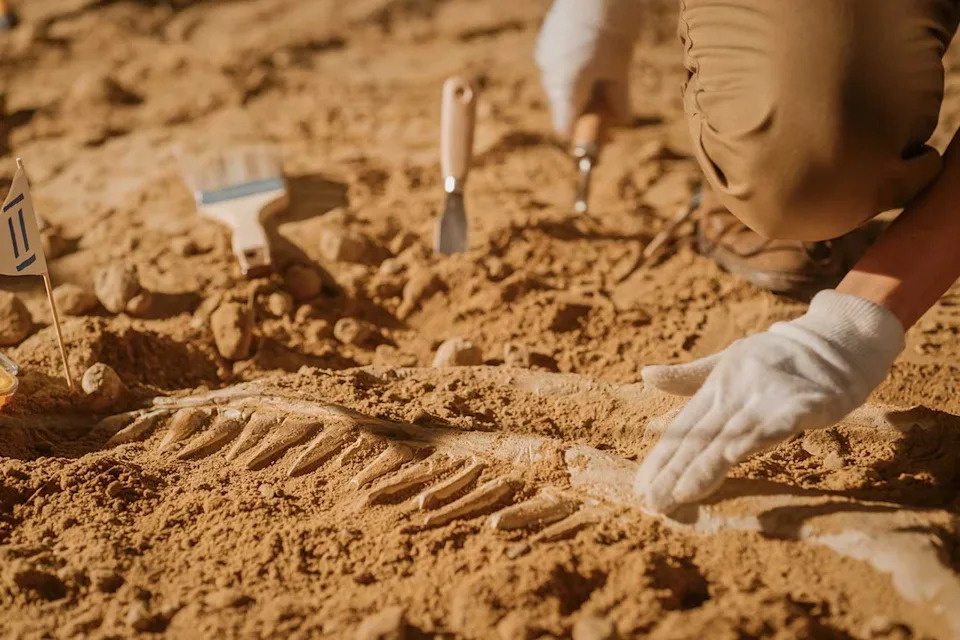
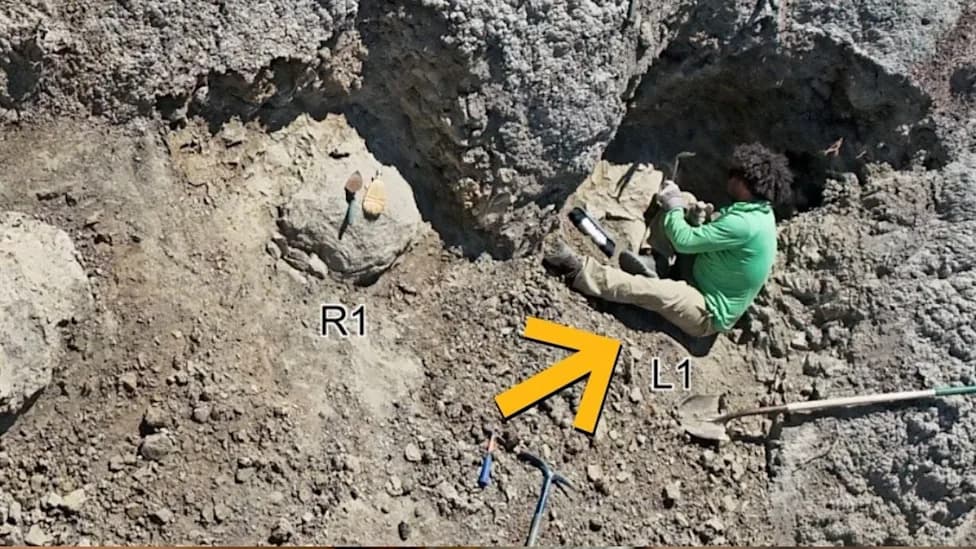
Paleontologist brushing dinosaur fossils (stock image)Credit: Getty
What the Find Reveals
Published in June in the journal Palaeogeography, Palaeoclimatology, Palaeoecology, the study reports that the preserved elements belong to a young individual of Gorgosaurus — a tyrannosaurid that lived about 10 million years before T. rex. Lead author Colton Coppock described Gorgosaurus as "probably like T. rex's great-uncle," noting key differences: it was generally more lightly built, with proportionally longer legs that likely made it a faster runner than the later, bulkier Tyrannosaurus.
Clues About Growth and Feeding
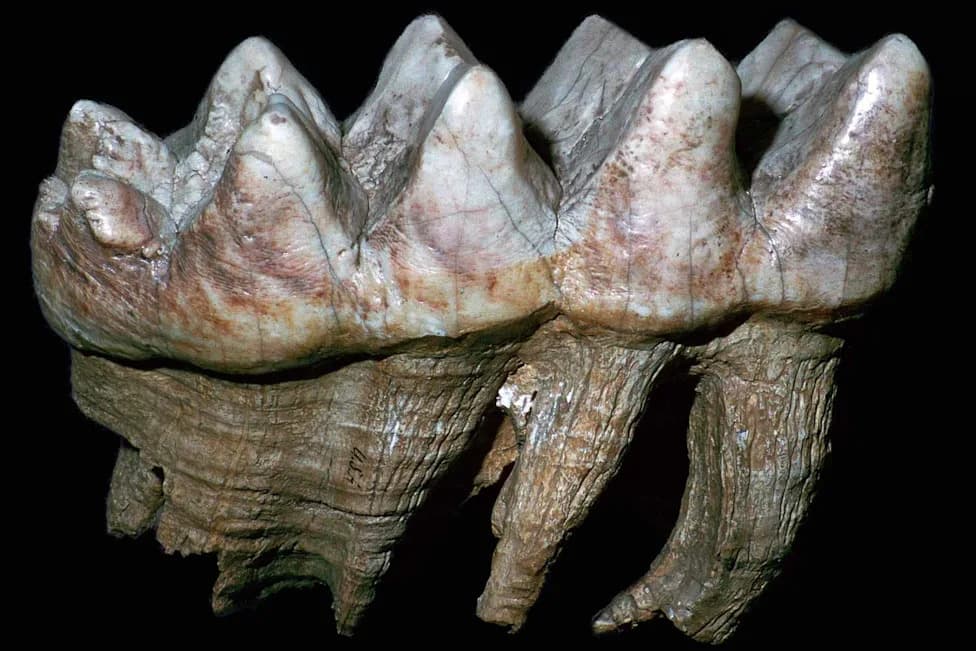
The juvenile's preserved front teeth differ from those of known adult Gorgosaurus specimens. The researchers suggest young Gorgosaurus used smaller, incisiform front teeth to make precise cuts in flesh, rather than relying on the brute-force, large-chunk biting inferred for adults with more robust, blade-like teeth. This tooth variation points to a shift in feeding strategy as the animals matured.
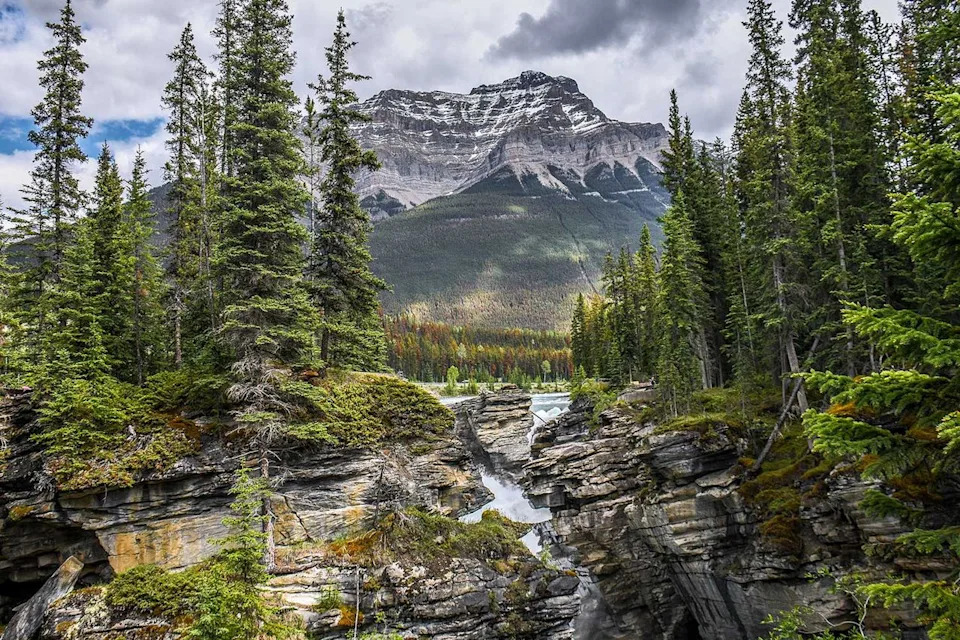
Tumbler Ridge in British Columbia, CanadaCredit: Getty
Range Expansion and Significance
By compiling regional fossil occurrences, the team estimates Gorgosaurus ranged from northeastern British Columbia into northern Montana, roughly 198,000 square kilometres (about 76,000 square miles). This camp-site discovery highlights northeastern B.C. as an important and understudied region for dinosaur paleontology — a "new frontier" that could yield further important finds.
“We were able to identify [Gorgosaurus] based on a unique set of characteristics on this impression,” Colton Coppock told the CBC. The finder, Rick Lambert, recalled that a passing squirrel drew his attention to the rock.
Why it matters: Even fragmentary impressions can preserve diagnostic details that expand species' known ranges and reveal how behavior and anatomy changed through growth stages. The Tumbler Ridge find underlines the scientific value of careful field observation and the paleontological potential of British Columbia.
Help us improve.