Researchers used clumped isotope thermometry on enamel from three Tyrannosaurus rex teeth from Montana and estimated a body temperature of about 96.8°F (36°C), similar to an elephant. The study — led by UCLA geochemists Randon J. Flores and Robert A. Eagle — takes advantage of enamel's in vivo formation to record body temperature more directly than some bone-based methods. Although the result strengthens the case for a warm, active T. rex, it does not by itself settle the broader debate over dinosaur thermoregulation.
T. rex Tooth Chemistry Suggests Elephant-Like Body Temperature, Bolstering Warm-Blood Debate
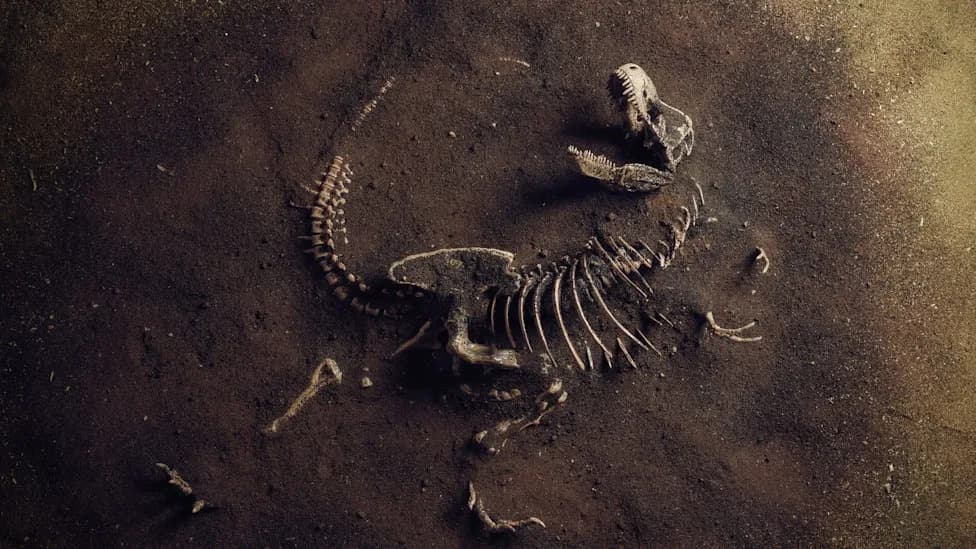
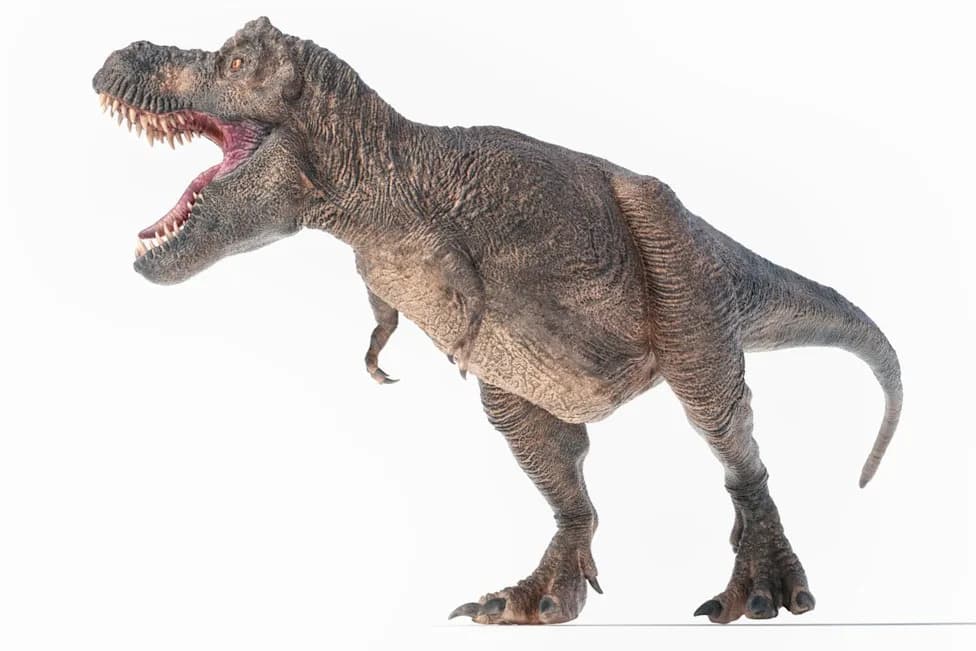
Photo Credit: iStock
New analysis of three Tyrannosaurus rex teeth indicates the animal maintained a body temperature near 96.8°F (36°C) — similar to an elephant — providing fresh evidence that T. rex may have been warmer and more physiologically active than a cold-blooded reptile.
What Researchers Did
UCLA geochemists Randon J. Flores and Robert A. Eagle led a study that applied clumped isotope thermometry to tooth enamel. Unlike oxygen-isotope methods that can be skewed by the chemistry of ingested water, clumped isotope analysis measures how frequently heavy isotopes of carbon and oxygen bond together in mineral crystals. That bonding pattern changes with temperature, and because enamel forms inside a living animal, it preserves a direct record of body temperature at the time the tooth mineralized.
Specimens And Geological Context
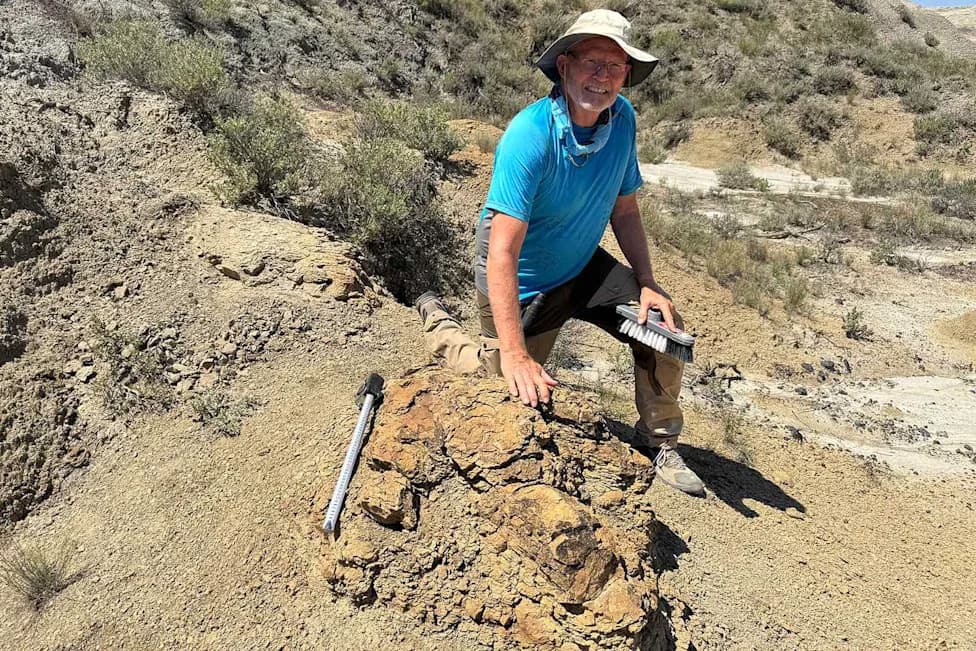
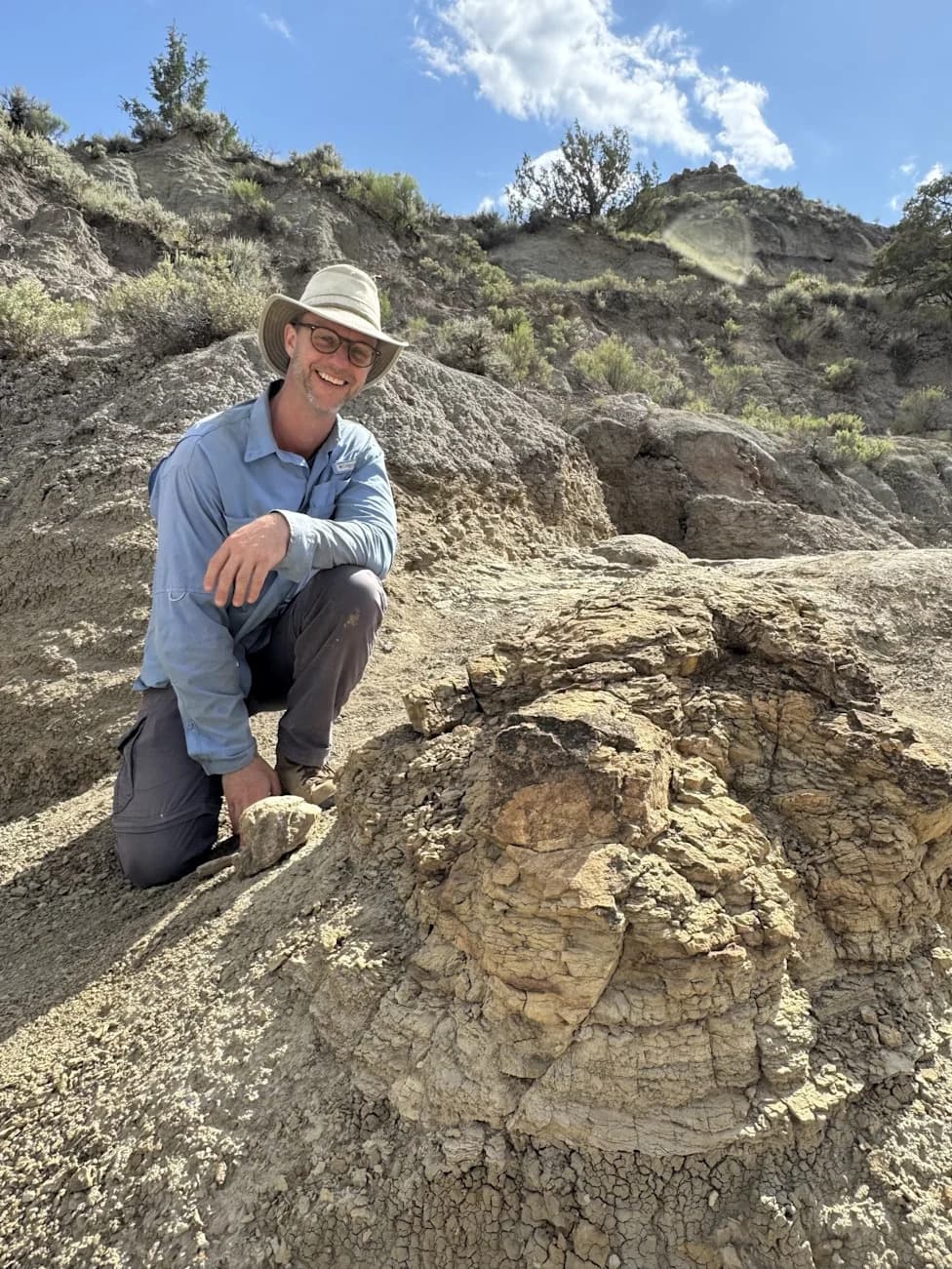
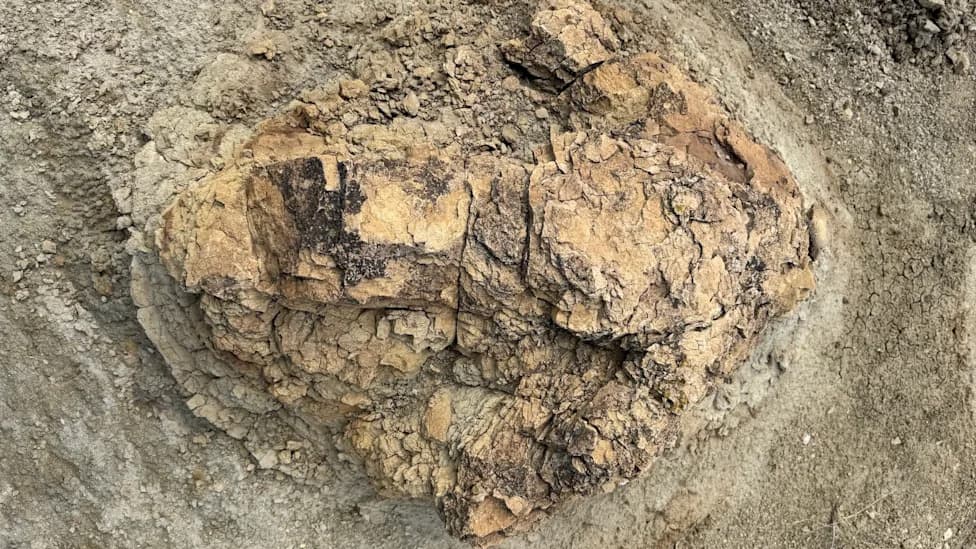
All three teeth analyzed come from Montana's Hell Creek Formation, a fossil-rich deposit from the latest Cretaceous period. Two teeth are attributed to a young adult T. rex estimated at more than three tons; the third is a partial tooth from another individual. The specimens were provided by the Natural History Museum of Los Angeles County.
Findings And Caveats
The measured temperature — about 96.8°F (36°C) — is consistent with warm-blooded animals such as elephants. While this single study strengthens the case that T. rex had a relatively high metabolic heat production compared with ectothermic reptiles, it does not definitively prove universal endothermy across all dinosaurs. Factors such as sample size, life stage, seasonal growth of enamel, and physiological variation among dinosaur groups mean further work is needed to generalize the result.
Why This Matters
The study illustrates how improved analytical techniques can yield more precise windows into ancient physiology. Clumped isotope thermometry applied to enamel offers a direct, internally formed thermometer that helps refine our picture of how some dinosaurs lived and functioned — and narrows the gap between portrayal and biology in reconstructions of animals like T. rex.
Study Lead: Randon J. Flores and Robert A. Eagle (UCLA). Three Hell Creek T. rex teeth analyzed; specimens from the Natural History Museum of Los Angeles County.
Help us improve.