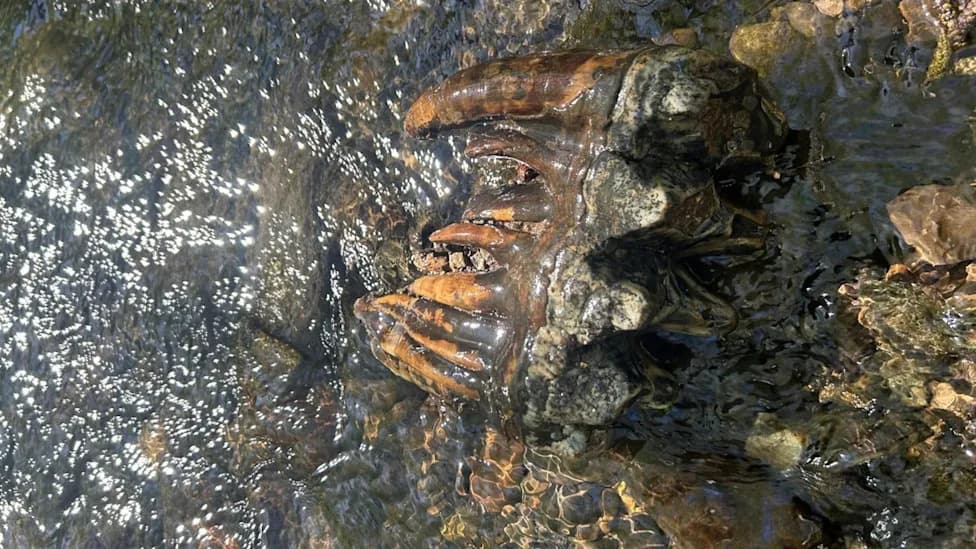
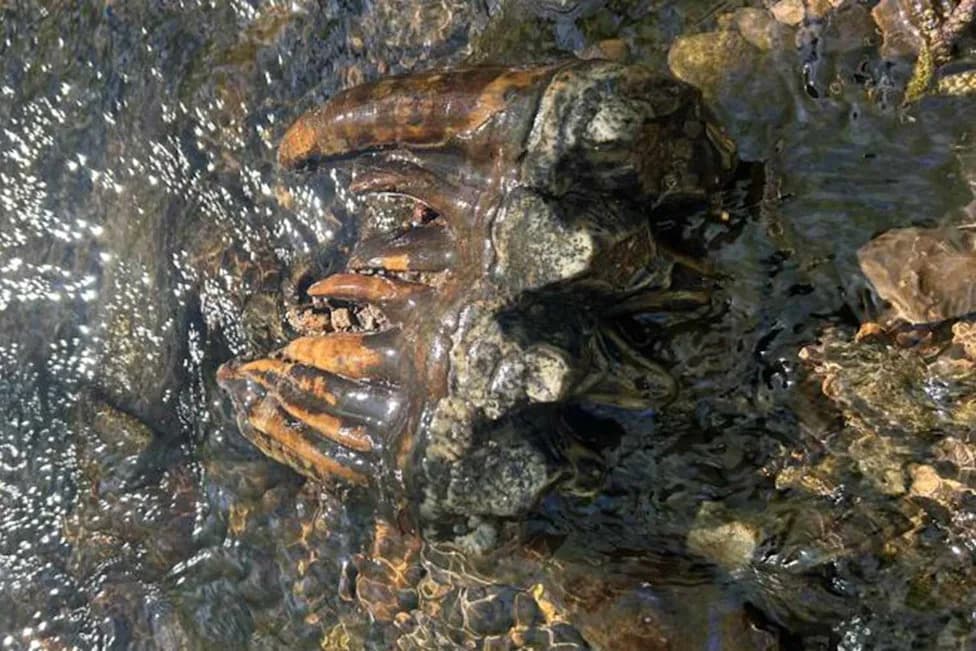
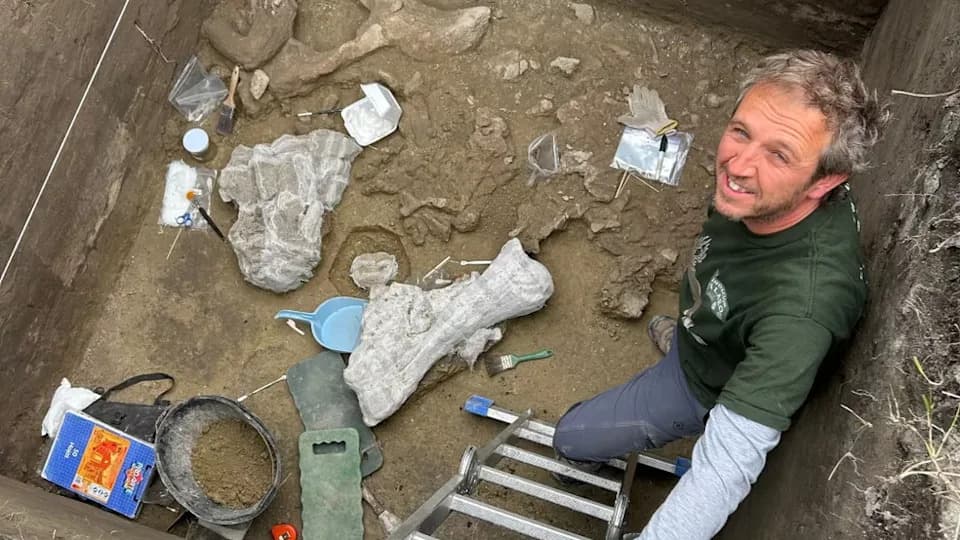
A Kamloops camper, Ron Storie, found a 2.2-pound, fist-sized mastodon molar on the shore of Adams Lake on Sept. 14 and reported it to the Royal B.C. Museum. Paleontologist Derek Larson identified it as a mastodon tooth — only the third known in British Columbia — and estimates it likely dates to 75,000–125,000 years ago. If it proves much more recent, the specimen could change local Ice Age interpretations. Storie plans to donate the fossil for study.
Kamloops Camper Uncovers Rare Mastodon Tooth at Adams Lake — A Major Pleistocene Find
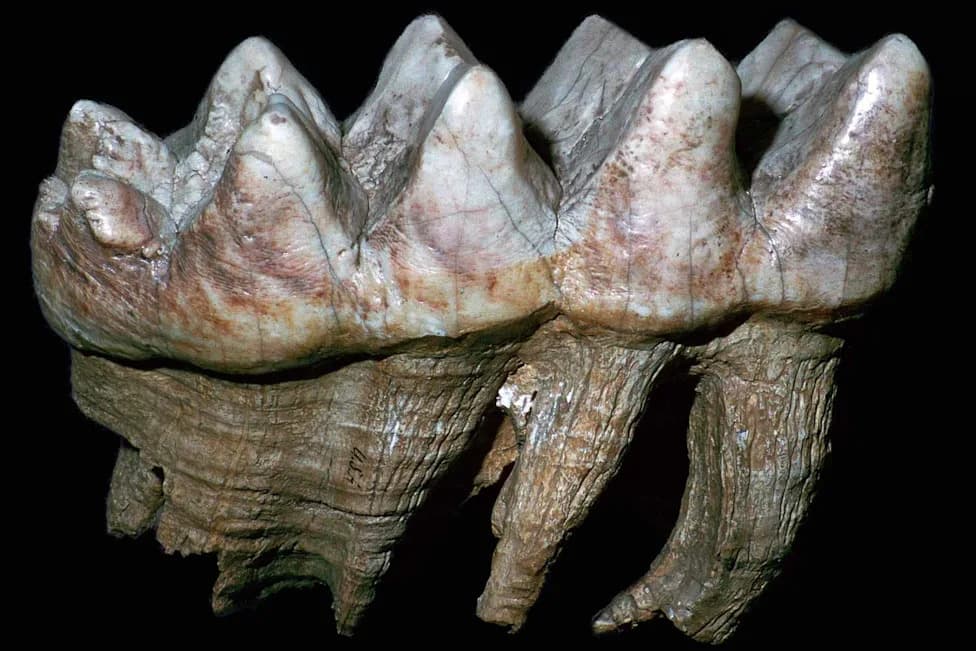
Mastodon toothCredit: CM Dixon/Print Collector/Getty
Ron Storie of Kamloops, British Columbia, made an unexpected discovery while camping along the shore of Adams Lake on Sept. 14: a fist-sized mastodon tooth, remarkably intact and weighing about 2.2 pounds.
At first Storie thought the dark object on the ground might be a discarded flip-flop. On closer inspection he realized it was a dense block of molars. "I picked it up and it was like that holy s--- moment," Storie told reporters. "This is a freaking block of teeth."
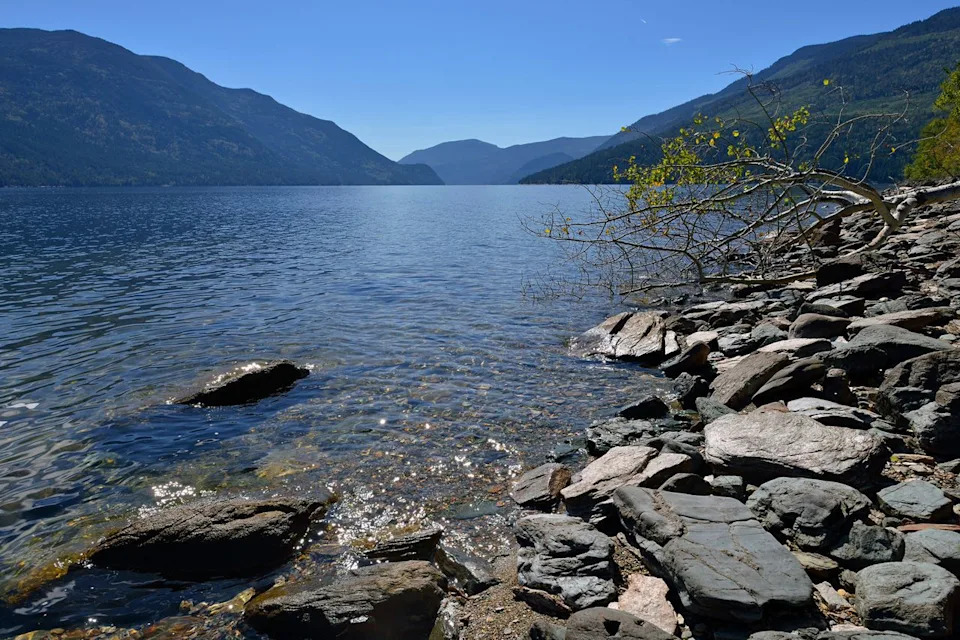
Adams Lake in British Columbia, CanadaCredit: Getty
Storie reported the find through the province's online fossil portal and contacted the Royal B.C. Museum. Derek Larson, a paleontology researcher and collections manager at the museum, examined the specimen and identified it as a mastodon molar — only the third mastodon specimen documented in British Columbia.
Why This Matters
Larson estimates the tooth most likely dates to an interglacial period roughly 75,000–125,000 years ago, a time when forests stretched from Florida to the high Arctic. However, he cautioned the tooth could conceivably be much younger. "If it dates to the later stages of the last Ice Age — about 10,000–11,000 years ago — it could indicate localized ice-free pockets in the region and prompt a reassessment of the area's paleoenvironmental history," Larson said.
The Royal British Columbia MuseumCredit: Alamy
The rarity of mastodon finds in British Columbia means each specimen helps fill big gaps in the provincial fossil record for large Ice Age mammals. Larson praised Storie for using the official portal so professionals could properly document and conserve the specimen.
Storie: "How old is it? Was it a male or a female? How did it die? All these questions pop into your head and it just kind of makes you think more about life."
Storie plans to donate the tooth to the Royal B.C. Museum, where it can be studied and preserved for public benefit. The museum did not immediately provide further comment beyond the initial identification.
Help us improve.