EU naval operation ASPIDES has raised the threat level to "high" for the Bab al-Mandab Strait and the southern Red Sea following a Houthi attack on a Saudi oil tanker. The northern Red Sea and the Gulf of Aden remain at "medium" threat. ASPIDES warned of possible further strikes using missiles, UAVs, unmanned surface vessels and small attack craft, and advised avoiding Yemeni territorial waters and routing closer to the African coast where feasible. UN Secretary-General António Guterres expressed deep concern, warning the attacks could further escalate regional tensions.
EU Naval Mission Raises Red Sea Threat to 'High' After Houthi Strike on Saudi Tanker
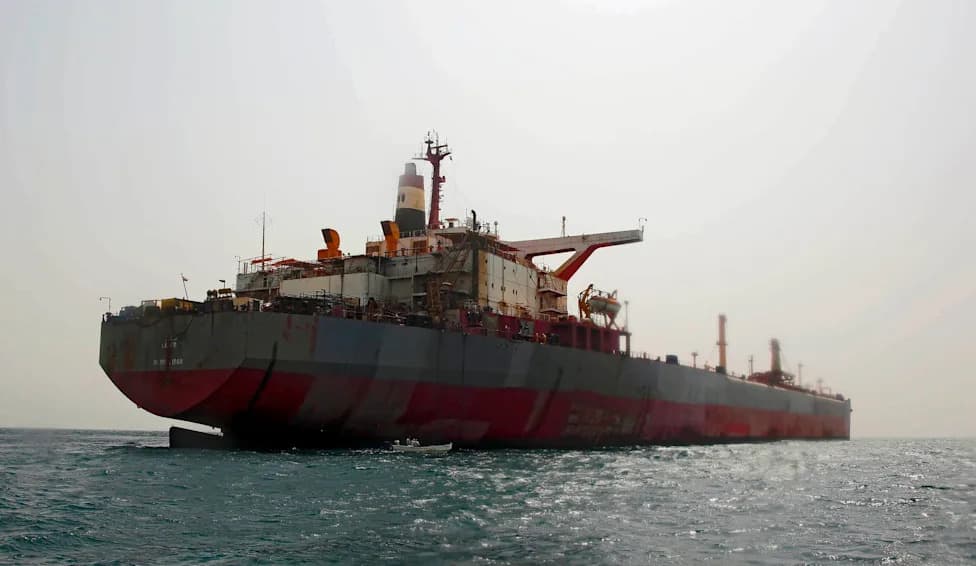
FILE PHOTO - A view of the FSO Safer oil tanker in the Red Sea off the coast of Yemen, seized by Houthi rebels in 2015. (is associated with: «EU mission sees greater risk for merchant ships in Red Sea») Stringer/dpa
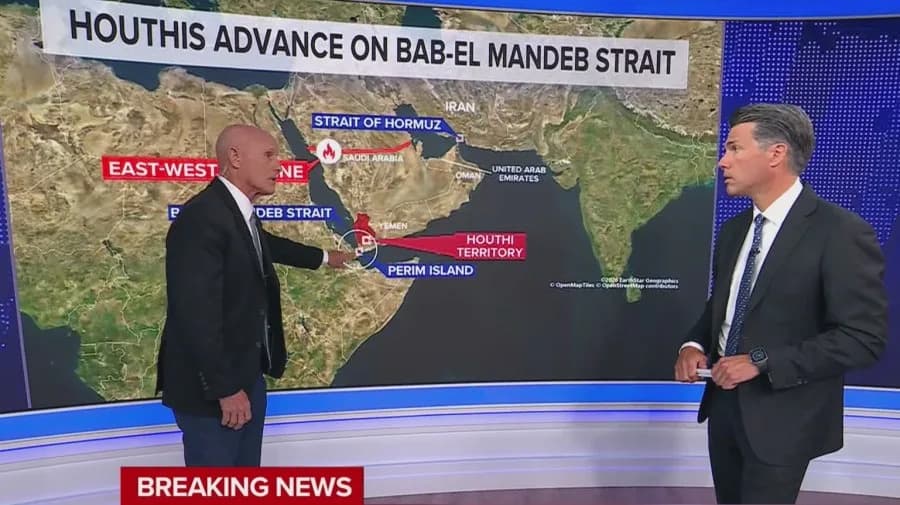
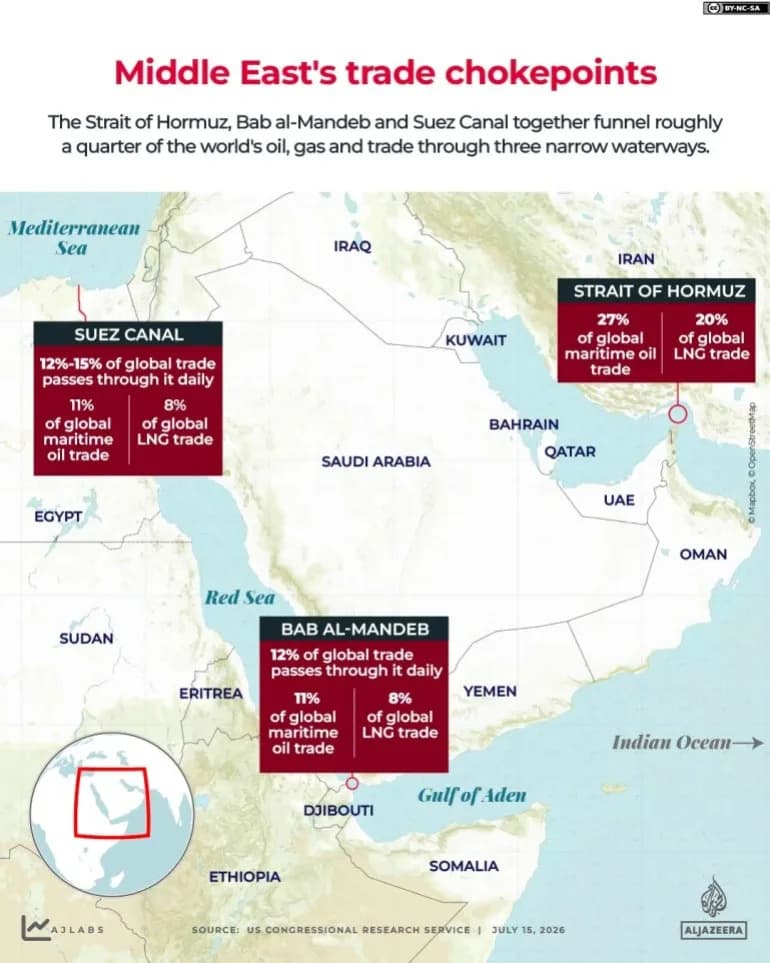
The EU naval operation ASPIDES announced on Friday that it has raised the threat level in the Bab al-Mandab Strait and the southern Red Sea from "medium" to "high" after a Houthi attack on a Saudi oil tanker earlier in the week.
Mission headquarters in Larissa, Greece, said the assessment for the northern Red Sea and the Gulf of Aden remains at "medium." The updated evaluation reflects a deteriorating security environment across the region, driven in part by the widening confrontation involving the United States, Israel and Iran.
Why the Alert Was Raised
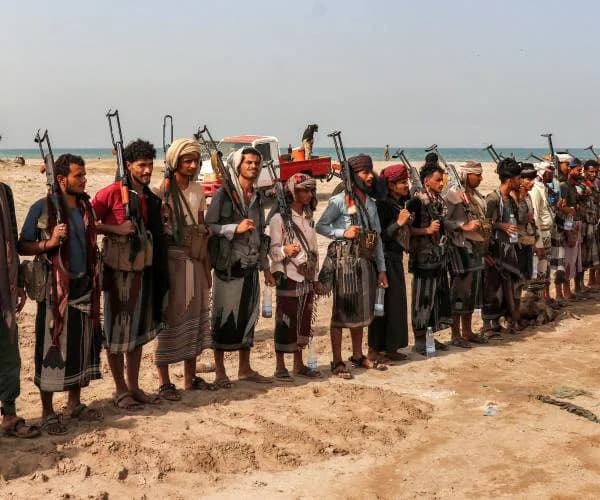
According to ASPIDES, the Houthi militia has declared a shipping "blockade" on Saudi-bound vessels and has claimed responsibility for striking two tankers. One Saudi oil tanker was attacked and caught fire on the same night the blockade was announced. The mission warned that further attacks on merchant shipping cannot be ruled out.
Specific Threats Identified
ASPIDES highlighted the types of weapons and tactics that pose particular danger to commercial vessels: anti-ship missiles, unmanned aerial vehicles (UAVs), unmanned surface vessels (USVs) and small attack craft. The mission called on ship operators to treat vessels perceived as linked to the Middle East conflict as potentially at risk.
Recommended Precautions for Mariners
The EU mission urged the maritime community to strictly follow established security procedures, maintain regular contact with regional maritime security centres, and factor the heightened threat into voyage planning. ASPIDES specifically recommends avoiding Yemeni territorial waters entirely and, where possible, routing closer to the African coast to reduce exposure to potential attacks.
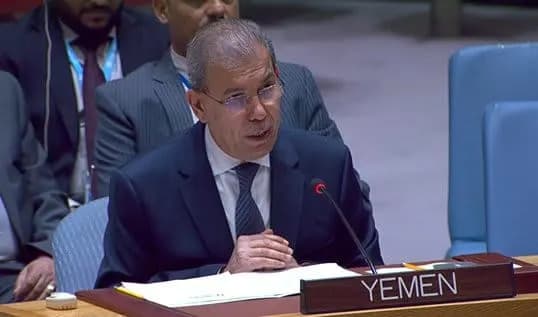
United Nations reaction: UN Secretary-General António Guterres said he was "deeply alarmed" by the renewed Houthi attacks and warned they risk further escalating tensions across the region.
Shipping companies, insurers and crew should remain vigilant and ensure up-to-date contingency and reporting measures are in place. The situation remains fluid, and ASPIDES will continue to monitor developments and update its guidance as needed.
Help us improve.