Corpus Christi, Texas — home to more than 300,000 people — faces an acute risk of running out of water after prolonged drought, rapid industrial growth and stalled projects. A 2022 plastics complex consumes roughly as much cooling water daily as the whole city, and a proposed desalination plant (378 million liters/day) has been delayed by funding and permitting issues. Groundwater supplies about 12 million gallons/day and treated wastewater for industrial cooling is due online this year, but officials warn emergency measures could be necessary by September 2027 if reserves do not recover.
Tremendously Grave: Corpus Christi, Texas, Faces Risk Of Running Out Of Water
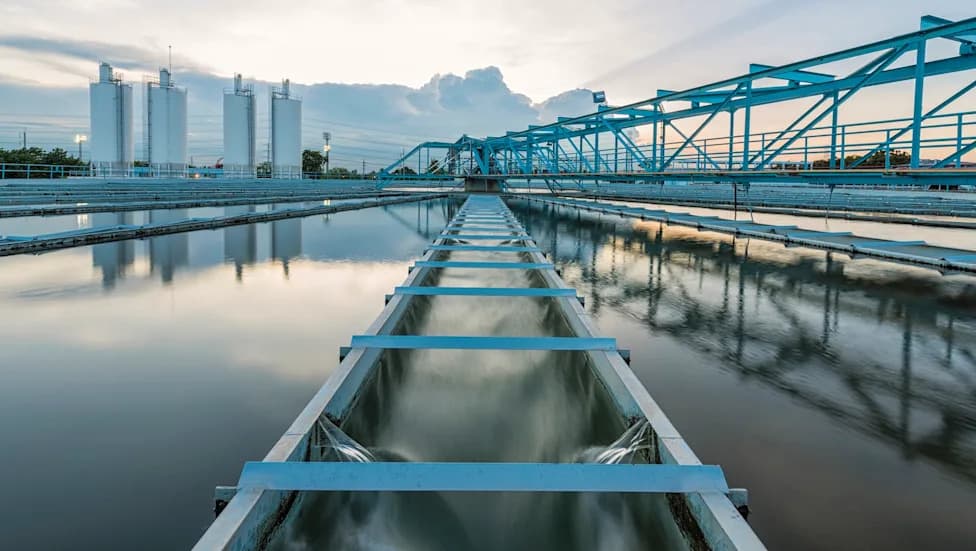
(Nithin PA/Pexels)
Corpus Christi, a coastal Texas city of more than 300,000 residents, is confronting an acute risk of running out of freshwater after years of drought, booming industrial demand and stalled infrastructure projects.
Multiple Pressures, One Crisis
Several factors have converged to push the city toward a water emergency: rapid industrial expansion tied to the shale revolution, prolonged droughts linked to climate change, and long delays on planned supply projects. A plastics chemical complex that began operating in 2022 uses roughly the same volume of water for daily cooling that the entire Corpus Christi population consumes in a day — dramatically increasing local demand.
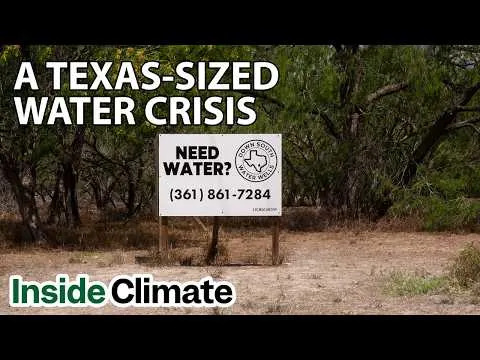
YouTube Thumbnail
Desalination Proposal Stalled
Officials have discussed a large-scale seawater desalination plant since 2017. The proposed facility would produce an estimated 378 million liters (100 million gallons) of potable water per day — roughly twice the output of the largest U.S. desalination plant in San Diego — but progress has been hampered by permitting delays, financing questions and political debate. Estimated construction costs are about $6 billion.
Dylan Baddour, Inside Climate News: "Corpus Christi has come as close to running out of water as practically any city in the United States. They've rebounded a good bit since the beginning of this year, but they have about one year of water in storage right now, which would already be considered an emergency for any city."
Current Supplies And Stopgap Measures
Reservoirs that feed the city — including Lake Corpus Christi, the area's second-largest reservoir — remain at precariously low levels despite rainfall in 2026 that temporarily eased pressures. Deep groundwater wells currently provide about 12 million gallons per day, but these sources are vulnerable to drought and long-term depletion. The city is also preparing systems to reuse treated wastewater for industrial cooling, which are expected to come online this year and help lower freshwater demand.
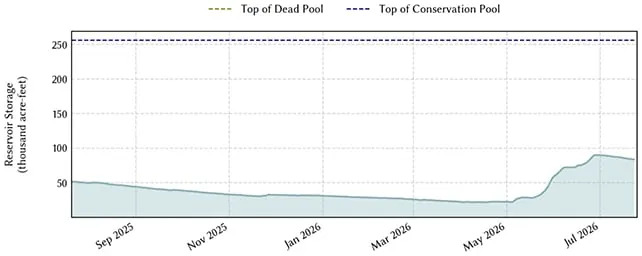
Water levels in Lake Corpus Christi, the second-largest reservoir supplying the city. (Water Data for Texas)
Timeline And Risks
Residents have faced outdoor watering and car-washing restrictions since August 2024. Officials warned emergency measures might be needed as early as December 2026; thanks to 2026 rains that projection was extended to roughly September 2027. That window leaves little margin for error — another dry season, rapid industrial draws, or project setbacks could force authorities to adopt emergency actions sooner.
What Emergency Measures Would Mean
Possible emergency responses include scheduled "water blackouts" that restrict supply to certain neighborhoods or times of day. While such measures can conserve residential use, they are not viable for continuous industrial cooling: refineries and plants would likely need to suspend operations, causing severe economic and community impacts.

Subscribe to ScienceAlert's free fact-checked newsletter
Arcelia Martin, Inside Climate News: "There were years of fumbling around, of folks trying to get something on the books, other people seeking to stop it, and all the while, water was running out."
Broader Lessons
Corpus Christi's situation underscores a broader reality: in many developed areas, water can no longer be taken for granted. Where climate extremes, industrial growth and delayed infrastructure intersect, communities can face rapid, severe shortages even in modern times.
What To Watch: progress on desalination permitting and financing, the pace of wastewater reuse deployment, reservoir rainfall through 2027, and any new industrial permits or expansions that increase demand.
Help us improve.