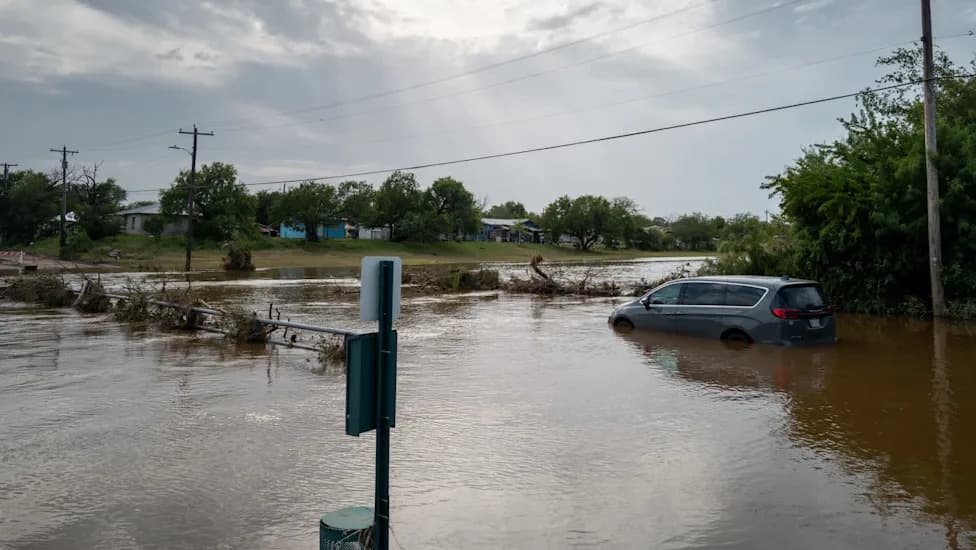
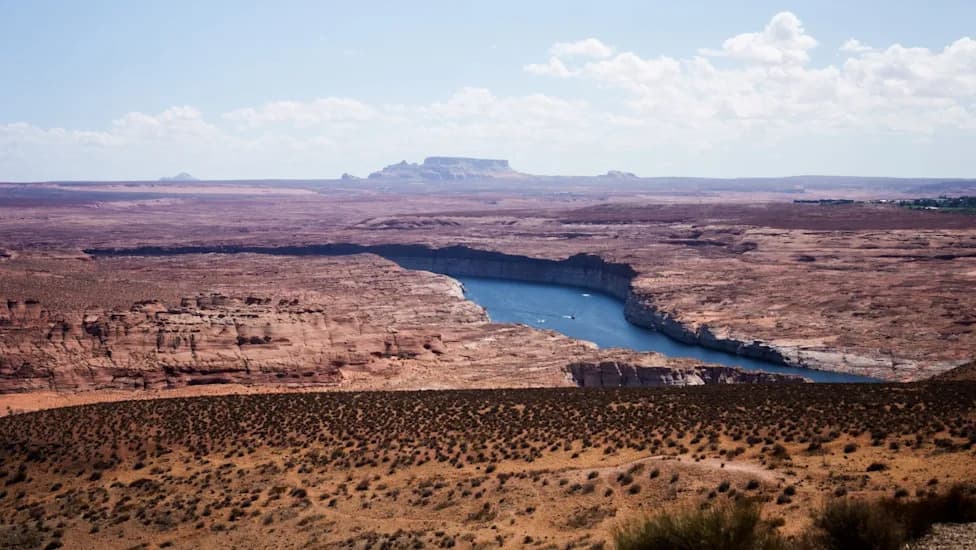
A Texas 2036 poll reported by Texas Border Business finds 79% of Texas voters say prioritizing water projects is "extremely" or "very" important (49% extremely; 30% very). This consensus follows a 2025 voter-approved measure creating the Texas Water Fund—authorized up to $1 billion per year for 20 years. Texas 2036 warns that turning plans and funding into on-time, risk-aware projects is essential as the state prepares a $174 billion 2027 State Water Plan. Local shortages in Corpus Christi, persistent restrictions in Wichita Falls, and a costly meter dispute in Potosi underscore the urgency.
79% Of Texas Voters Say Water Projects Are A Top Priority After Landmark Funding Vote
Photo Credit: iStock
A new Texas 2036 poll reported by Texas Border Business found that 79% of Texas voters consider it either "extremely important" or "very important" for the state to prioritize projects that ensure sufficient water for economic growth and reduce the risk of severe shortages in communities.
In the Texas Voter Poll conducted for Texas 2036, 49% of registered voters labeled water-related projects "extremely important" and 30% called them "very important." That consensus follows a 2025 statewide measure, approved by voters, that established the Texas Water Fund with authorization of up to $1 billion per year for the next 20 years.
Why This Matters
As Texas prepares the 2027 State Water Plan—estimated by Texas 2036 to cost about $174 billion—public support and funding are only the first steps. Converting plans and appropriations into on-time, risk-aware projects will determine whether growing communities and the economy avoid costly shortages.
"Voters are paying close attention to the headlines about Texas' growth and, at the same time, communities at risk of running out of water," said Jeremy Mazur, director of infrastructure and natural resources policy at Texas 2036. "They know that Texas must be strategic when it comes to water, and have provided clear preferences on what those priorities should be."
Policy Recommendations
Texas 2036 recommends several steps to improve project delivery and reduce risk: review drought, hydrologic and other critical data before each planning cycle; prioritize projects by urgency; set clear implementation milestones; and track whether projects are built and how much water they ultimately deliver or conserve. The group also urges testing plans against scenarios more severe than the historical drought of record and formally notifying communities flagged as vulnerable.
On-the-Ground Examples
Local incidents underscore why voters are focused on water security:
- Corpus Christi: Emergency shortages have already strained water supplies and prompted urgent responses.
- Wichita Falls: Some lakes are beginning to recover after years of drought, yet water restrictions and conservation limits remain in force.
- Potosi: A dispute over a requested $4,500 meter fee turned access to water into a local flashpoint, highlighting affordability and equity concerns.
These local stories help explain why many Texans now view water policy as both a household issue and a statewide growth priority. The challenge ahead is aligning planning, funding, and timely project delivery so that investments translate into reliable water supplies.
Help us improve.