House members left Washington to begin a five-week August recess while party leaders shift into campaign mode. Speaker Mike Johnson plans nationwide travel, framing the midterms as "common sense versus communism" to tie Democrats to progressive challengers. Republicans hope gerrymandering and voter backlash against the progressive left will help their chances, while Democrats will launch a pre-midterm "100 Days of Action" focused on affordability. Both parties expect an intense stretch of campaigning and fundraising during the recess.
House Shifts Into Campaign Mode Ahead Of Five-Week August Recess
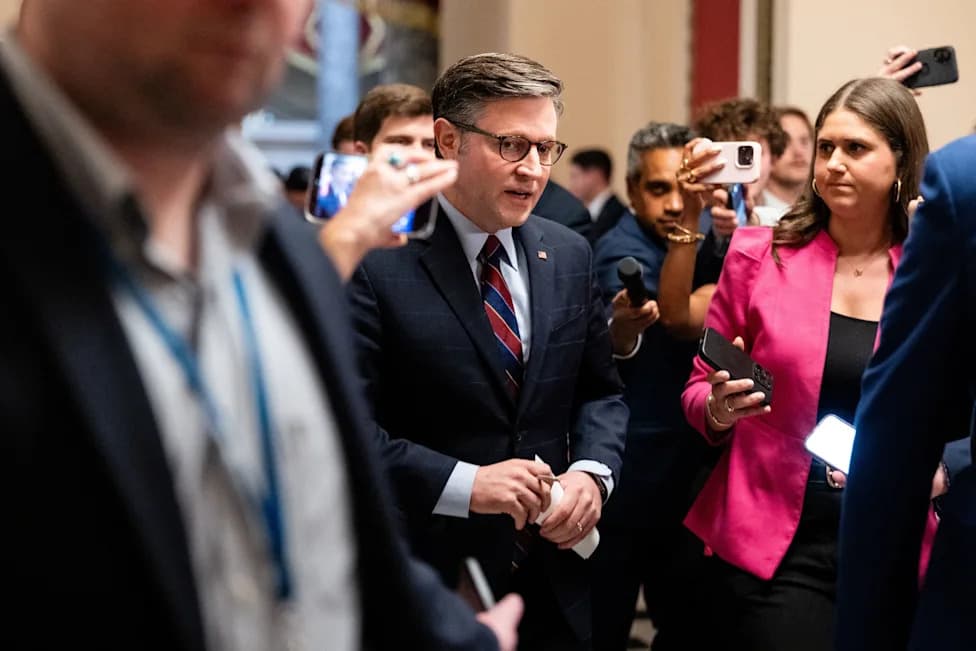
House pivots to the midterms as members depart for recess
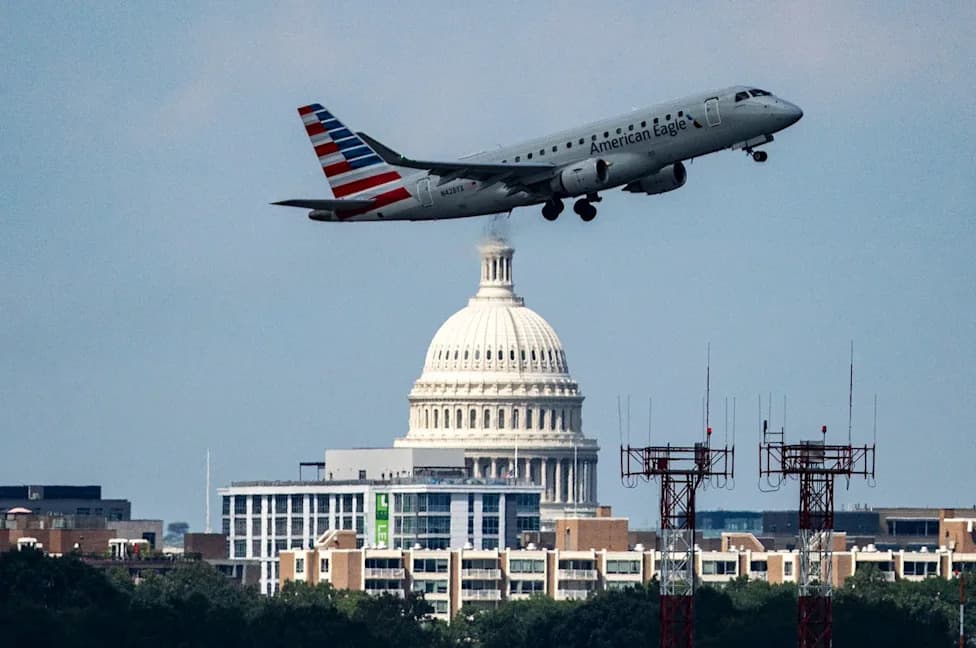
House members departed Washington this week to begin a five-week August recess, but many are leaving on a campaign footing as party leaders crisscross the country to rally voters and candidates ahead of the midterm elections.
What Leaders Are Saying
Speaker Mike Johnson says he will travel nationwide to support Republican incumbents and challengers, casting the midterms as a stark choice he summarized as "common sense versus communism." Johnson is aiming to link Democratic officeholders to insurgent progressive challengers and to nationalize multiple House races.
"This is common sense versus communism," Johnson said as he outlined his campaign schedule and message strategy.
Republicans are banking on favorable district maps in many states and on voter backlash to the progressive left to help tilt the balance in their favor, even as they acknowledge several potential headwinds.
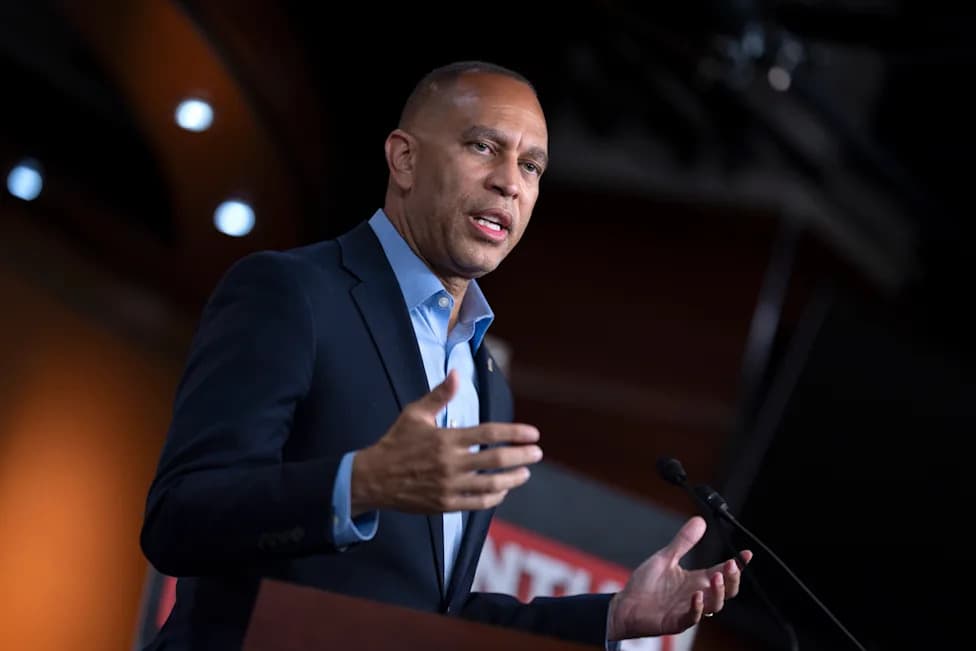
House Minority Leader Hakeem Jeffries said Democrats will launch a pre-midterm "100 Days of Action" beginning Sunday focused on affordability and lowering costs for American families, a renewed effort to center the campaign around cost-of-living issues.
Jeffries dismissed Republican attempts to brand Democrats as "communists," saying those attacks would ultimately fail and that Democrats will respond with concrete economic priorities.
As lawmakers leave for recess, both parties are intensifying campaign activity: Republicans plan to tour districts and amplify ideological contrasts, while Democrats emphasize voter-facing, pocketbook issues. The five-week break is expected to be a busy stretch of fundraising, campaigning and messaging ahead of November.
— Nicholas Wu
Help us improve.