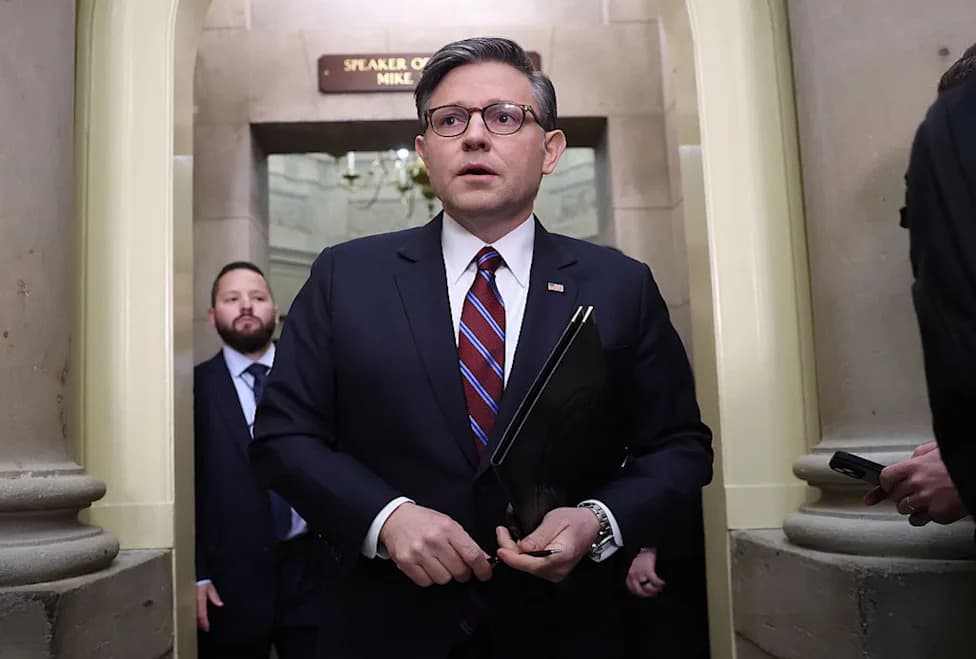
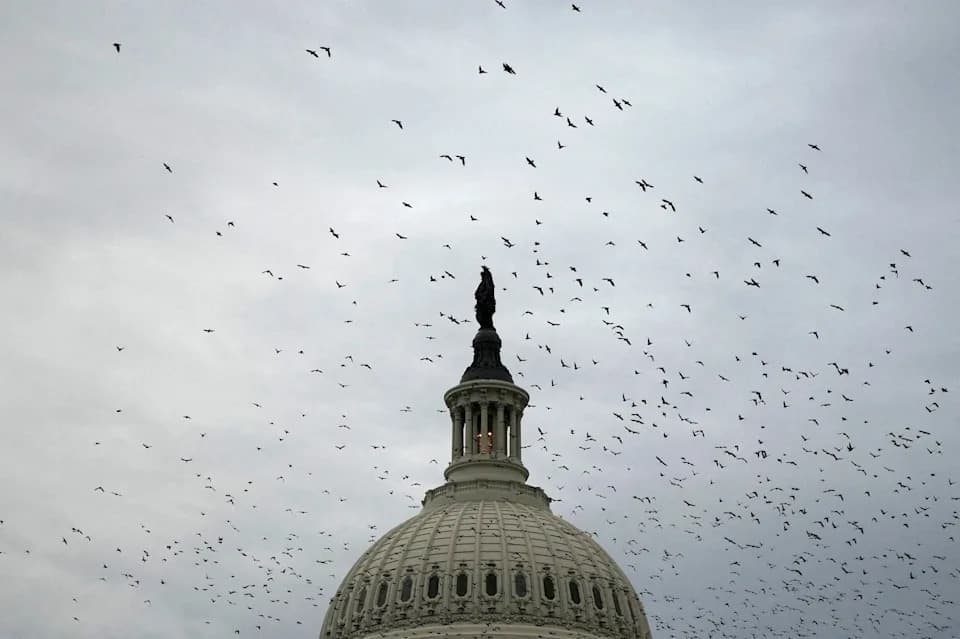
The House adjourned this week under Speaker Mike Johnson, sending 433 members home until after the midterms and capping a session criticized for low productivity and weak oversight. The 119th Congress has passed 108 major laws since January 2025 — only 36 this year — canceled 63 voting days, and spent just 383 hours in session through Aug. 31. Key priorities such as ACA subsidies, Social Security, infrastructure and oversight of the Iran war and AI received little substantive action. Critics blame internal GOP dynamics and deference to President Trump for the inaction, a trend that polls suggest may cost Republicans at the ballot box.
Mike Johnson’s ‘Do‑Nothing’ House Adjourns, Leaving Big Policy Gaps and Little Oversight
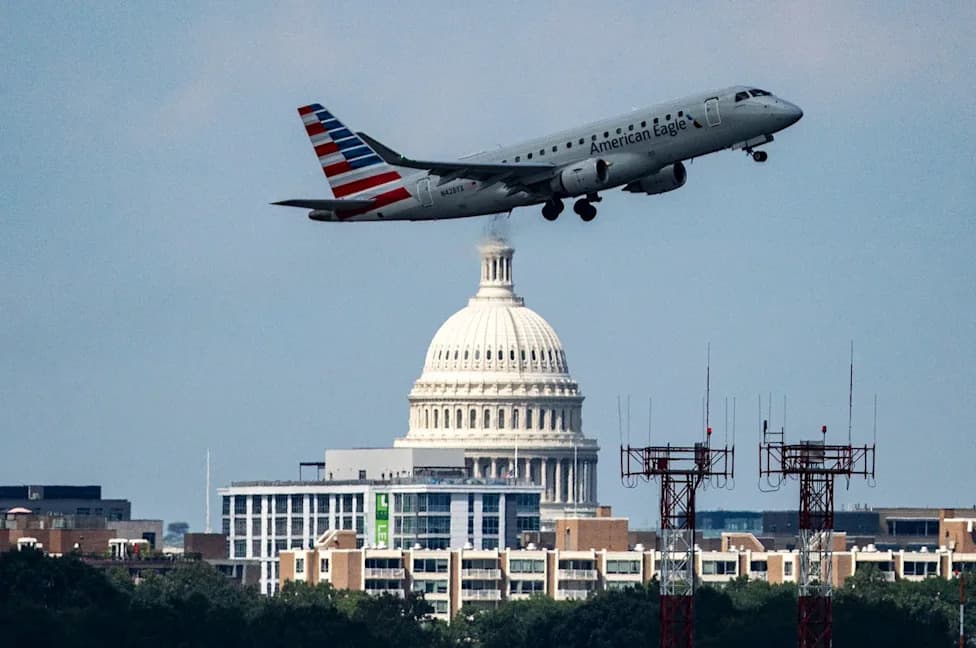
An American Eagle plane takes off past the U.S. Capitol at Ronald Reagan National Airport in August 2026 in Arlington, Virginia.
On Wednesday afternoon Speaker Mike Johnson adjourned the House and sent its 433 members back to their districts, with lawmakers not scheduled to return until after the midterm elections. The recess caps a session widely criticized as unusually unproductive and short on oversight.
Legislative Record
Since convening in January 2025, the 119th Congress has passed 108 major laws — just 36 of them in the current year. To this point on the calendar, only the prior Congress, which was also led by Johnson, has passed so few laws in modern history. The House canceled 63 scheduled voting days and, through Aug. 31, had been in session for only 383 hours — an average of about 48 hours per month.
This limited output is not purely a numbers problem. The most consequential legislation was H.R. 1 — the so‑called “big beautiful bill” — which enacted broad tax cuts and changes to Medicaid and remains unpopular with many voters. Other enacted measures were narrower in scope: the Laken Riley Act (immigration enforcement changes), the Genius Act (crypto regulation), the Take It Down Act (AI‑generated imagery), and a measure to release documents tied to Jeffrey Epstein.
Unfinished Priorities
Major policy challenges were left unaddressed or exacerbated. Lawmakers failed to extend certain Affordable Care Act subsidies when they expired at the end of 2025, a decision that contributed to higher premiums for millions of Americans. Long‑term issues such as Social Security solvency, significant infrastructure funding, and reversing tariffs also received little meaningful attention.
Oversight Shortfalls
Congress’s constitutional duty to conduct oversight of the executive branch has likewise been limited. The House passed a nonbinding resolution urging an end to the Iran war for the third time, but the measure stalled in the Senate. Despite mounting concerns — including public opposition to the conflict and reports of munitions shortages — neither the Senate Armed Services Committee nor the Senate Foreign Relations Committee has held an open hearing on the war, and the House Armed Services and Foreign Affairs panels have done little more.
The immediate trigger for Johnson’s sudden recess was Representative Thomas Massie’s privileged resolution to impeach Defense Secretary Pete Hegseth. Massie forced a House vote, and Johnson recessed the chamber amid concern the measure might embarrass the administration.
Emerging Risks Ignored
Calls for hearings on artificial intelligence also went largely unanswered. After a former Anthropic employee suggested there was a nontrivial risk that advanced AI could pose catastrophic danger, several prominent AI executives publicly urged federal regulation. Johnson dismissed the urgency, saying,
"Congress is obviously less qualified than the people who are pushing this frontier to know the ins and outs of it."Critics, including Democratic Rep. Sarah McBride, argued that rhetoric undercuts representative government and the basic purpose of oversight hearings — to inform lawmakers and the public.
Politics and Accountability
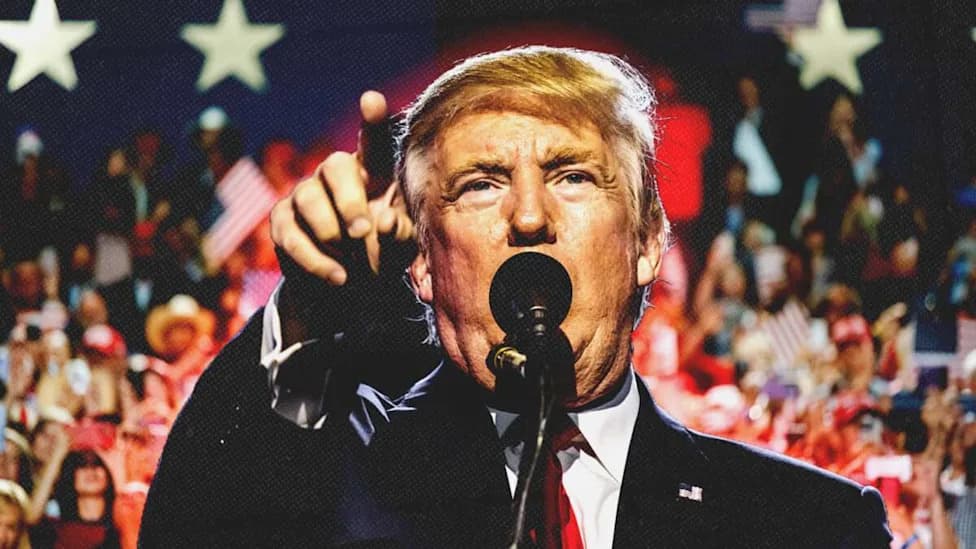
Observers contend that internal GOP dynamics and deference to President Donald Trump help explain the inaction. Johnson himself said in January, "I have no intention of getting in the way of President Trump and his administration," and many Republicans have repeatedly declined to challenge the administration on spending, agency changes, and controversial nominations. With the GOP controlling the White House and both chambers of Congress, critics say the party has nonetheless failed to use its authority to address pressing problems.
Polls released ahead of the midterms indicate growing voter dissatisfaction with Republican leadership and congressional performance. For many voters, the choice at the ballot box this fall may be seen as a referendum on two more years of limited legislative activity and sparse oversight.
Note: This article was originally published on MS NOW and has been edited for clarity, structure and readability.
Help us improve.